
Best Blenders for Protein Smoothies: Our 2026 Checklist
Disclosure: We may earn a commission when you buy through links on this page, at no extra cost to you. As an Amazon Associate I earn from qualifying purchases. Learn more

Use this checklist to choose the best blenders for protein smoothies, covering motor power, jar size, noise, warranty, and value for daily shakes.
A gritty shake with powder clumped at the bottom is usually a blender problem, not a recipe problem. This guide gives you a clear checklist for judging best blenders for protein smoothies by the results they can deliver, not by marketing claims. You will learn which specs matter, which numbers are easy to inflate, and where the real value sits.
The comparison table below sums up the options in one place. Read the criteria first, then use the table to match a model to your routine, your kitchen, and your budget.
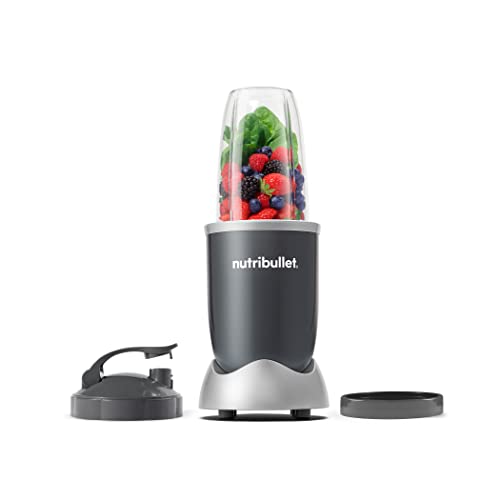
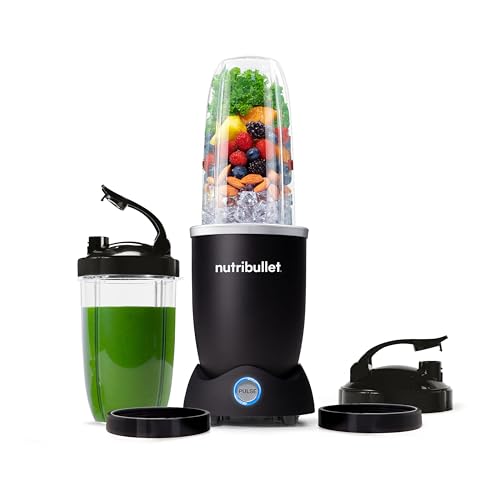

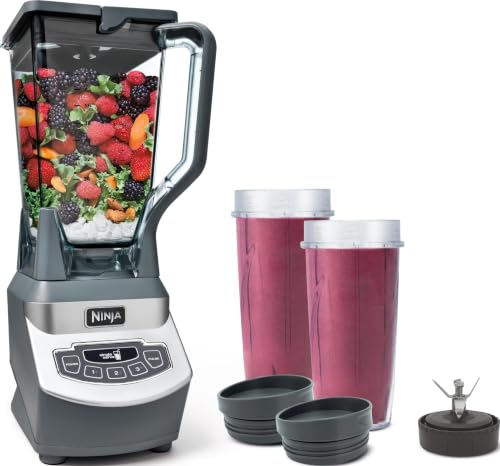


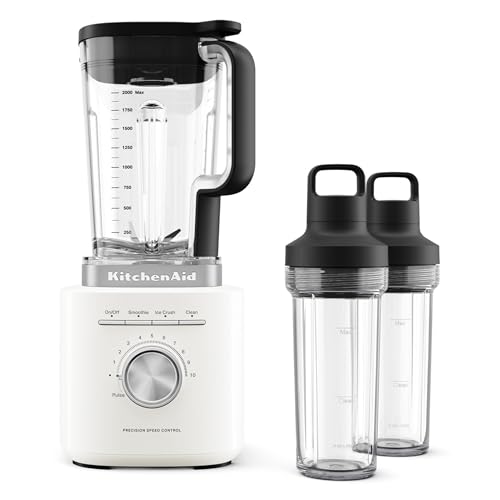

How We Evaluate the Best Blenders for Protein Smoothies
Protein drinks look simple, yet they stress a blender in specific ways. Powder must disperse without clumps, frozen fruit must break down fully, and ice must turn fine instead of bouncing around the jar. The six criteria below let you score any model the same way, so a low price or a bold wattage claim cannot hide a weak jar, a short warranty, or a base that will not fit your cabinets.
Features That Matter for Protein Smoothies
Look for a jar shape that pulls ingredients down toward the blades, because protein powder loves to stick to dry walls above the liquid line. A pulse control helps you knock that powder loose in short bursts before a full cycle. Variable speed matters too, since starting slow keeps powder from puffing up, then rising speed finishes the drink silky. A tamper is a bonus for thick shakes with little liquid.
Motor Power and Wattage
Wattage is a starting point, not a promise. For daily drinks with frozen fruit and a handful of ice, about 600 to 900 watts is a sensible floor, while very thick shakes do better closer to 1000 watts or more. Blade design and jar geometry decide how much of that power reaches the food. If a listing shouts peak wattage but hides the rated wattage, treat the claim with caution.
Footprint, Storage, and Cord Length
Measure the space under your upper cabinets before you shop, because many full size bases stand about 17 to 18 inches tall with the jar in place. A model that must be stored in a closet will get used less, no matter how strong it is. Cord length matters as well. A cord around 3 to 4 feet reaches most outlets without dragging the base across the counter every morning.
Capacity and Jar Size
Think in servings, not in the biggest number on the box. A personal jar of about 20 to 32 ounces suits one generous shake and goes straight to the gym bag or car. A family jar of about 48 to 64 ounces makes two to four drinks at once, but it can struggle with a single small serving because ingredients spread too thin. Many households do best with a mid size jar plus one travel cup.
Material counts alongside size. Tritan plastic is light, tough, and usually BPA free, which suits a jar you lift daily. Glass feels sturdy and resists stains, yet it adds weight and can chip. Stainless steel hides the contents, which makes it hard to see whether powder has fully blended. For protein drinks you watch closely, a clear jar is the practical choice.
Warranty and Motor Reliability
Daily blending is hard use, so the warranty tells you how much the maker trusts the motor. One year of cover is thin for a machine you plan to run every morning. Two to five years is a fair middle range, and the strongest makers back motors for seven to ten years. Check whether the jar, blades, and drive gear are covered too, since small parts often fail before the motor does.
Noise Level
Any blender that crushes ice will be loud, but design changes how harsh that loudness feels. Shielded bases and sound enclosures can soften the peak noise, which matters in apartments and in homes where others sleep in. If you blend at dawn, look for models that publish noise figures or include a cover. A short, efficient cycle also helps, because a strong motor finishes in 40 seconds instead of roaring for two full minutes.
Speed controls tie these criteria together. A simple dial with a true low setting gives you more control than a row of picture buttons you will never use. Presets for smoothies can be handy, yet manual control plus pulse covers the same ground and often lasts longer. When you compare options for general use, our guide to the best blenders for smoothies shows how these same criteria apply beyond protein drinks.
What a Strong Choice Looks Like at Each Level
Instead of chasing a single winner, match the tier to your routine. The three levels below describe what your money should buy at each step, what you give up, and who each level suits. Use them to judge any model in the product table above against its price.
Overall Level
The overall tier, usually around $100 to $250, is where most daily users should land. Expect a motor near or above 900 watts, a jar that creates a strong vortex, variable speed with pulse, and a warranty of at least three years. This level handles frozen fruit, ice, and nut butters without straining, and it blends a single serving well. You give up little here except the very quietest designs and the longest warranties.
Value Level
The value tier, often under $100, suits you if your shakes are mostly powder, milk or water, and soft fruit. Expect about 400 to 700 watts, a compact jar, and simple controls. These models can still make a smooth drink if you add liquid first and keep ice portions modest. The trade offs are shorter warranties, louder running, and jars that show wear sooner. For a first blender or a backup at the office, this tier makes sense.
Heavy Use Level
The heavy use tier, often around $250 to $450, is built for two or more thick shakes a day, every day. Expect a powerful motor, a large jar with a tamper, metal drive parts, and a warranty that runs seven years or longer. These machines stay calmer under load and resist the burnt smell that signals a straining motor. If your household blends for several people, this tier costs less over time than replacing a cheap base each year. Readers focused only on protein drinks can also see our guide to the best protein blenders for a narrower view of the same features.
Quick Buyer Checklist
Run through these questions before you buy. Mostly yes answers mean the model fits your routine.
- Does the rated wattage reach at least 600 watts for frozen ingredients?
- Does the jar size match the number of servings you make at once?
- Can you start on a low speed and finish with a pulse burst?
- Does the assembled blender fit under your cabinets with room to spare?
- Is the jar BPA free and easy to wash by hand or in a dishwasher?
- Does the warranty cover the motor for at least two years?
- Is there a tamper or a jar shape that handles thick shakes well?
- Does the price leave room in your budget for a spare travel cup?
Red Flags to Watch For
Vague specs are the first warning sign. A listing that gives peak wattage only, with no rated figure, is hiding the number that matters. A warranty under one year on a mid price model suggests the maker expects a short life. Be wary of ratings that praise a blender only for drinks it cannot plausibly make, such as soup claims for a tiny personal jar. Missing safety marks, no clear maker address, and spare parts that cannot be bought at all are further reasons to walk away. Finally, a jar with no max fill line invites the overfilling that strains motors and leaks lids.
How to Make Your Blender Last Longer
Add liquids first, then soft ingredients, then ice and frozen fruit on top, so the blades start in fluid and pull the hard pieces down. Never fill past the max line, because an overfull jar blends poorly and stresses the seal. Clean right away with warm water and a drop of soap, run a short cycle, and rinse. Let the motor rest a minute between heavy batches, and store the jar off the base if your counter space allows. If counter height is tight, our guide to the best small blenders for smoothies covers compact options that still handle daily shakes.
Blenders: Your Questions Answered
What features matter most in blenders for protein smoothies?
A strong vortex, pulse control, and a jar sized to your servings matter most. These three decide whether powder disperses and frozen fruit fully breaks down. Wattage supports them, but geometry does the daily work. Also check that the lid seals tightly, because protein drinks are often carried to the gym, and a weak seal leaks in a bag long before the motor ever fails.
Is a more expensive blender worth it?
It is worth it when you blend daily with frozen ingredients and want a long warranty. Paying more buys a stronger motor, better jar design, and parts that last. If your shakes are powder and milk twice a week, a value model covers you well. The jump in price past the premium tier buys quieter running and polish more than smoother drinks.
How many watts does a good blender need?
About 600 watts is a workable floor for protein drinks with some frozen fruit, and 900 to 1200 watts feels comfortable for ice and thick shakes. Treat wattage as one clue among several, because blade shape and jar design change real results a lot. A well designed 700 watt model can beat a poorly designed 1200 watt one on soft drinks.
Can a blender crush ice?
Yes, if the motor, blades, and jar are built for it and the listing states ice crushing as a core use. Add a little liquid so cubes move instead of bouncing, and use pulse bursts at first. Small personal models often manage a few cubes for one drink, which is why our guide to the best personal blenders for smoothies notes ice limits model by model in general terms. Never dry blend a full jar of cubes in a light duty machine.
What is the difference between a blender and a food processor?
A blender uses a tall jar and fast blades to turn ingredients into smooth liquids, while a food processor uses a wide bowl and slower blades to chop, slice, and knead. Protein drinks belong in a blender. A processor leaves powder streaks and chunky fruit because the mixture cannot circulate. Some kitchens keep both, but for shakes the blender is the tool that earns the counter space.
How do I clean a blender quickly?
Rinse the jar at once, add warm water and one drop of soap, then blend on low for about 20 to 30 seconds and rinse again. Protein residue hardens fast, so the sooner you rinse, the less scrubbing you face. For a stuck ring under the blade, soak the jar in warm soapy water for ten minutes. Avoid soaking the base, and wipe it with a damp cloth instead.
Wrapping Up
Start with jar size and motor strength, then check the warranty and the fit under your cabinets. Those four points predict daily satisfaction better than any feature list. Compare the finalists in the comparison table above, and pick the tier that matches how often and how thick you blend. Chosen well, the best blenders for protein smoothies turn a chore into a one minute habit you will actually keep. If ice performance is your top concern, see our guide to the best blenders for smoothies and ice before you decide.


