
Best Blenders For Meat How to Choose the Right One 2026
Disclosure: We may earn a commission when you buy through links on this page, at no extra cost to you. As an Amazon Associate I earn from qualifying purchases. Learn more

Compare blenders for meat by motor power, blade strength, batch size, and cleaning, with grinding, sauces, and kitchen safety guidance for smart shopping.
Choosing blender for meat starts with knowing what matters most for your own use, and best blenders for meat covers a wide range of styles, prices, and features. This guide explains the main types in plain language, so you can compare options with confidence instead of guessing from a long list of features.
The comparison table below gives a quick overview of the main types, and the sections that follow explain who each type suits, what features to check, and how to avoid common mistakes. Use the guide as a checklist while you shop, and keep your own room, budget, and daily routine in mind at each step.


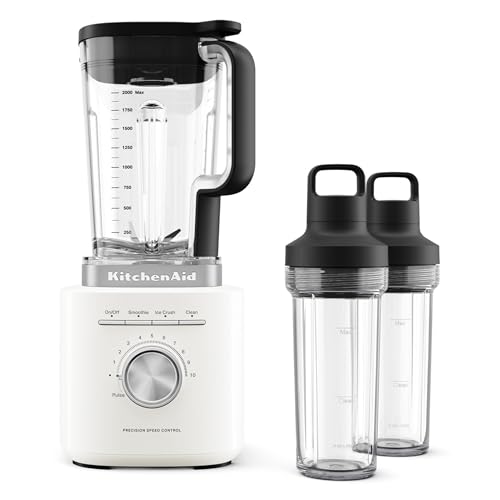


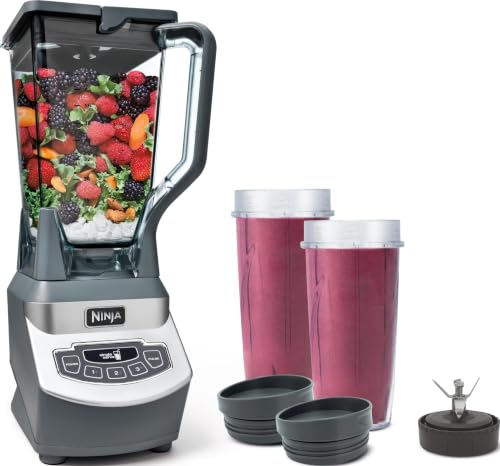

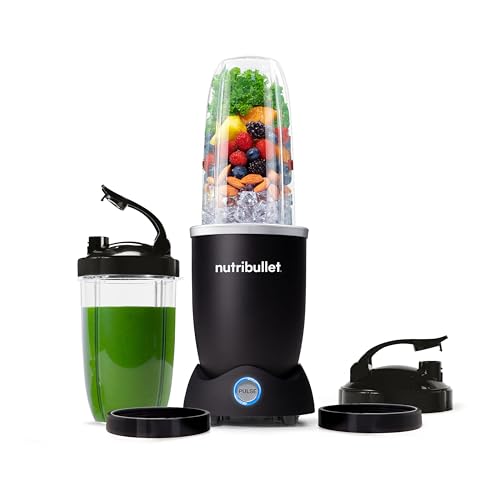
Who Should Buy Best Blenders For Meat?
Blenders for meat suit a home cook who wants to grind small batches of meat for burgers, meatballs, or fillings without a separate grinder. They also suit a cook who makes meat sauces and pates and wants a smooth texture from cooked meat.
Think about raw versus cooked meat first. Most blenders handle cooked meat well, but raw meat needs a strong motor, sharp blades, and careful cleaning to stay safe, so check what your blender is made for.
High Power Countertop Blenders
A high power countertop blender handles small batches of cooked meat and raw meat trimmings better than a weak blender. It needs a strong motor and sturdy blades, and it should be used in short bursts to avoid overheating.
Food Processors With Blender Jars
A food processor attachment often handles meat better than a blender jar, since it chops rather than pureeing. It suits coarse textures for burgers and meatballs, while a blender jar suits smoother pates and sauces.
Immersion Blenders
An immersion blender suits cooked meat sauces and soups, where you want a smooth finish in the pot. It is less good for raw meat, since it cannot grind evenly and is harder to clean safely after raw meat.
Key Features to Compare
Motor Power and Overheating
Check motor power and whether the blender has overload protection, since meat is dense and strains motors. Blend in short bursts, rest between bursts, and stop if the motor smells hot or labours.
Blade Strength
Look for thick stainless blades that stay sharp and do not bend under dense food. A blade that dulls quickly will tear meat rather than cut it, leaving an uneven texture and more cleaning.
Cleaning and Food Safety
Meat contact parts must wash thoroughly and dry fully, since raw meat bacteria are a serious risk. Choose parts that come apart for washing, and clean straight after use with hot soapy water.
Fit, Size, and Everyday Use
Cut meat into small even pieces, chill it well, and blend in small batches so the motor does not strain. For burgers, aim for a coarse texture rather than a paste, and keep meat cold throughout to stay safe.
Compare blenders by whether they are actually suited to meat, not just by general power claims. A blender made mainly for smoothies may struggle with meat and wear out faster, so check maker guidance for dense foods.
Wash all meat contact parts straight after use with hot soapy water, dry fully, and sanitise as the maker advises. Check blades and seals for trapped meat, and store parts dry so bacteria cannot grow between uses.
Mistakes to Avoid Before You Order
A common mistake is blending warm raw meat in a large batch, which strains the motor and risks food safety. Another is leaving meat residue in seals and blades, which smells and can contaminate the next use.
Do not taste raw meat mixtures, and cook ground meat thoroughly before eating. Wash hands, boards, and utensils after handling raw meat, and keep raw meat away from ready to eat foods to avoid cross contamination.
Price Guide
Stick blenders for cooked meat sauces cost around $20 to $80. Midrange countertop blenders, around $80 to $200, can handle small batches of cooked meat and sauces. High power blenders, around $250 to $500, have the strongest motors and the sturdiest blades for dense food. For frequent raw meat grinding, a dedicated grinder remains the better tool.
Food Safety Basics
Keep raw meat cold until the moment you blend it, and work in small batches. Wash the jar, lid, blades and seal in hot soapy water straight after use, and wash your hands, boards and utensils afterwards. Keep raw meat away from ready to eat foods, and cook ground meat thoroughly. Follow the manufacturer's instructions on whether your model is made for dense food.
Good Uses for a Blender With Meat
Blenders suit cooked meat pates, smooth meat sauces, baby food style purees for the family and soup bases with cooked meat. For coarse textures such as burgers and meatballs, a food processor with a chopping blade gives a better result than a blender jar.
Related Guides to Explore
These related guides cover nearby topics in more detail.
- best quality blenders
- best stick blenders
- best hand blenders
- best blenders for smoothies
- best blenders for shakes
Frequently Asked Questions
Can a normal blender grind meat?
A strong countertop blender can handle small batches of cooked meat and some raw meat, but many smoothie blenders struggle with dense raw meat. Check maker guidance, use small chilled batches, and blend in short bursts to protect the motor.
Is it safe to blend raw meat?
It can be safe if you keep meat chilled, blend in small batches, cook the result thoroughly, and clean all parts straight after use with hot soapy water. If you are unsure about food safety, use a dedicated grinder or buy ready ground meat.
What texture should ground meat have?
For burgers and meatballs, aim for a coarse even texture rather than a smooth paste, since over blending makes meat tough. Pulse in short bursts and check often, stopping as soon as the texture looks even.
How do I clean a blender after raw meat?
Take apart all meat contact parts, wash with hot soapy water, rinse well, and dry fully before storing. Clean the jar base and seals carefully, since meat can hide in crevices, and wash your hands and surfaces afterwards.
Should I buy a grinder instead of using a blender?
A grinder is better if you grind meat often or in large batches, since it is made for that job and cleans more easily. A blender suits occasional small batches and cooked meat sauces, where a grinder would be overkill.
Final Thoughts
Take your time, use the checklist in this guide, and choose the option that fits your routine, your budget, and your care habits. When you compare fairly and check the fit, best blenders for meat becomes a confident choice rather than a guess. The product table above can help you review your shortlist once more before you order, and a careful setup will help you enjoy it from the first use.


