
Best Blenders for Making Margaritas: 2026 Checklist
Disclosure: We may earn a commission when you buy through links on this page, at no extra cost to you. As an Amazon Associate I earn from qualifying purchases. Learn more

Use this checklist to judge the best blenders for making margaritas, covering ice crushing power, speed control, jar size, cleaning, and lasting value.
A great frozen margarita should pour like soft snow, with no ice shards and no watery layer at the bottom of the glass. Getting there depends less on luck and more on choosing a machine that passes a short list of practical tests, which is exactly how this guide judges the best blenders for making margaritas.
Work through the evaluation criteria below, compare the profiles that pass, and use the product table above to see how the options line up before you spend anything.


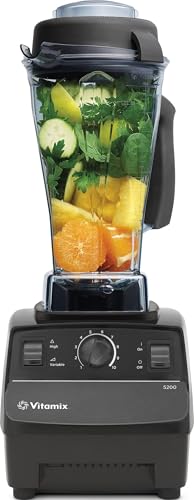
How to Evaluate Blenders
The checklist scores every candidate on the same six points, in the order that matters at the counter. A blender that fails the first two rarely redeems itself with extras, so weigh power and texture control more heavily than bonus attachments.
Features That Matter for Making Margaritas
Margaritas ask a blender to turn solid ice and a modest amount of liquid into a uniform slush, and that is a tougher test than a fruit smoothie. Look for a jar of at least 48 ounces for pitcher batches, a tamper for pushing ice down, and a lid that vents slightly so pressure does not build. BPA free Tritan jars resist the citrus oils in lime juice, and a spout that pours cleanly keeps sticky mix off your counter.
Motor Power and Wattage
Ice is where weak motors stall, surge, and overheat. Around 900 watts is a sensible floor for pitcher sized batches, and 1,200 watts or more gives you speed to spare. Treat headline wattage with some skepticism, since it often describes a brief peak rather than sustained output. A shorter, thicker blade assembly paired with a jar that funnels ice downward usually beats a higher watt number paired with a narrow jar that lets cubes ride above the blades.
Noise Level
Crushing ice is loud in almost any machine, but some designs are noticeably easier to live with. A heavy base, a well fitted lid, and a jar that seats firmly all reduce rattling. If you blend early in the morning or in a small apartment, look for models that mention sound dampening or a quieter motor housing. Running the machine on a folded towel can soften vibration, though you should keep the base vents clear so the motor stays cool.
Speed Settings and Presets
Variable speed is the control that separates slush from soup. Starting low lets ice settle into the blades, and finishing high polishes the texture smooth. Pulse is essential when you want a slightly coarse, bar style consistency. Preset programs for frozen drinks can help new users, but a simple dial you can adjust mid blend is just as capable once you learn the rhythm. Avoid machines with only one or two speeds, because they force you to choose between chunks and foam.
Ease of Cleaning
Margarita mix is sugary and sticky, and it dries into a stubborn film if you leave it sitting. The quickest cleanup is warm water, a drop of soap, and 30 seconds of blending right after serving. Jars and lids that are dishwasher safe make party cleanup easier, while one piece jar and blade designs avoid the gaskets that trap residue. Rinse the tamper and lid separately, and dry the jar with the lid off so odors from lime and triple sec do not linger.
Blade or Attachment Design
For drinks, the fixed blade at the jar base does nearly all the work. Blades with angled, blunt crushing edges tend to smash ice rather than slice it, which produces finer snow. Attachments such as whisks or a dough hook belong to baking tasks and add nothing here, so do not pay extra for them. If a bundle tempts you, read our guide to the best blenders for frozen margaritas for more on which designs handle ice first recipes like this one.
Three Profiles That Pass the Checklist
The profiles below describe the shapes of machines that clear every point on the checklist. Use them as templates when you read listings, and compare them against the product table above before choosing.
Daily Heavy Use Profile
The overall profile pairs roughly 1,200 to 1,500 watts with a 64 ounce jar, variable speed, pulse, and a tamper in the box. It turns a full pitcher of ice into smooth slush in under a minute and repeats that result batch after batch at a party. Expect to pay about $150 to $300. The drawbacks are size and price, since this machine claims real counter space. For households that host often, it is the profile that removes all doubt.
Weekly Use Profile
The value profile keeps the essentials and trims the extras. You still get around 900 to 1,100 watts, a jar near 56 ounces, pulse, and at least three speeds, but you give up presets and premium jar materials. Prices land around $70 to $130. Texture lands a notch below the top profile, and you may stir once mid blend. For couples making margaritas a few times a month, this balance of cost and performance is hard to beat.
Compact Profile
The compact profile suits small kitchens and one or two drink servings. A jar of 32 to 48 ounces, a short base that slides under cabinets, and simple controls define it. Power near 700 to 900 watts handles personal batches well if you use smaller ice cubes and enough liquid. Expect to pay around $50 to $100. The limit is batch size, so parties mean blending in rounds. For everyday use, it stores easily and cleans in seconds.
Quick Buyer Checklist
Run through these questions before you buy, and treat any no as a reason to keep looking.
- Does the motor offer at least 900 watts, or strong reviews for ice crushing at a lower rating?
- Is the jar at least 48 ounces for pitcher batches, or sized honestly for your household?
- Can you vary the speed and use pulse, rather than relying on a single setting?
- Is a tamper included, or does the jar shape keep ice moving on its own?
- Are the jar and lid BPA free and dishwasher safe?
- Does the warranty cover the motor for at least two years?
- Will the assembled blender fit under your cabinets with the jar in place?
Red Flags to Watch For
Walk away from listings that hide behind vague power claims such as peak horsepower with no wattage stated. Be wary of jars with no maximum fill line, warranties shorter than a year, and bundles padded with attachments you will never use for drinks. A suspicious pattern of glowing reviews posted on the same day is another warning sign. Finally, if replacement jars and lids are impossible to find, a small crack could retire the whole machine, so check parts availability first. Shoppers comparing drink machines alongside meal prep options may also find our guide to the best blenders for making smoothies useful for judging all purpose value.
Care and Maintenance Tips
Load the jar in the right order every time: liquids first, then soft ingredients, then ice on top, so the vortex forms quickly and the blades are never grinding dry. Never fill past the max line, because an overfull jar blends unevenly and can force liquid under the lid. Clean the jar right away with warm water and a drop of soap, rinse the lid gasket weekly, and let the motor rest a few minutes between heavy batches on party nights.
FAQs
What features matter most in blenders for making margaritas?
Power, jar shape, and speed control matter most. A motor near or above 900 watts crushes ice without stalling, a wide jar keeps the mixture circulating, and variable speed plus pulse lets you stop at slush instead of overshooting into foam. A tamper adds real control for thick batches. Capacity counts as well, because a pitcher of margaritas for four needs roughly 48 ounces of working room.
Can a blender crush ice?
Yes, most countertop models can, provided you help them a little. Use liquid in the jar before the ice, choose smaller cubes, and begin at low speed so the blades grab rather than bounce the load. Pulse in short bursts for a coarser texture. Check the manual for an ice crushing rating, and avoid feeding large freezer blocks into a light duty machine, since repeated strain shortens motor life.
How do I clean a blender quickly?
The fastest method takes under a minute. Rinse the jar, fill it halfway with warm water, add one drop of dish soap, and blend on high for about 30 seconds. Rinse again and let it air dry with the lid off. For the sticky film that margarita mix leaves behind, a ten minute soak loosens everything. Wash the tamper and lid by hand, and wipe the base with a damp cloth.
How many watts does a good blender need?
Around 900 watts is a practical target for margaritas, with 1,200 watts or more making full pitchers faster and smoother. Lower powered machines can still work for single servings if you use crushed ice and modest amounts of liquid. Remember that wattage is a ceiling, not a promise, so weigh blade design and jar shape alongside the number. Consistent results across batches are the real sign of enough power.
What is the difference between a blender and a food processor?
A blender builds a vortex in a tall jar, pulling ice and liquid down into the blades until the texture turns smooth and pourable. A food processor uses a wide bowl for chopping and shredding solid foods, and its blades sit too low and spin too differently to make slush. A processor can chop garnish or make chunky salsa, but frozen drinks belong to the blender. Some households own both for different jobs.
Is a more expensive blender worth it?
It depends on how often the machine earns its counter space. Frequent hosts gain faster batches, quieter running, and warranties that stretch toward a decade, which spreads the cost over many years. Occasional users usually get everything they need from the value tier. If you also make morning shakes, our guide to the best blenders for making protein shakes shows where premium smoothness matters most for daily blending.
Wrapping Up
Judge every candidate by power, jar design, and speed control first, then let cleaning ease and warranty break ties. The product table above shows how current options stack up against that checklist. Choose the best blenders for making margaritas profile that matches your batch size and budget, and your next pitcher will pour smooth, cold, and shard free.


