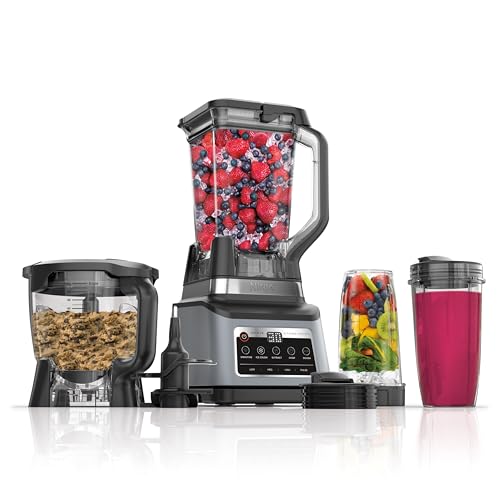
Best Blenders for Juicing Vegetables: Budget, Midrange, and Premium Choices for 2026
Disclosure: We may earn a commission when you buy through links on this page, at no extra cost to you. As an Amazon Associate I earn from qualifying purchases. Learn more
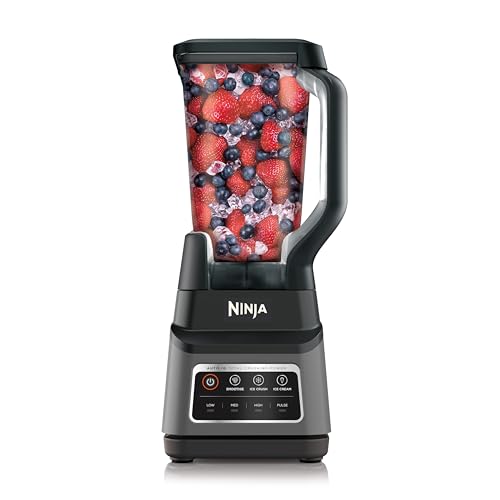
See how to choose the best blenders for juicing vegetables at any budget, with guidance on power, blades, jar materials, fiber, and long term costs.
Blending vegetables into a drink is not the same as running a juicer, and that difference shapes what you should buy. A blender keeps the fiber, needs enough liquid to move tough produce, and has to tear through celery strings, carrot chunks, and leafy stems. Prices range widely, so this guide shows what each tier really delivers for the best blenders for juicing vegetables at home.
Decide first whether you want a thick whole food drink or a strained, thinner juice style result, because that choice affects power and jar size. Then use the tiers below and the product table above to set a sensible budget.
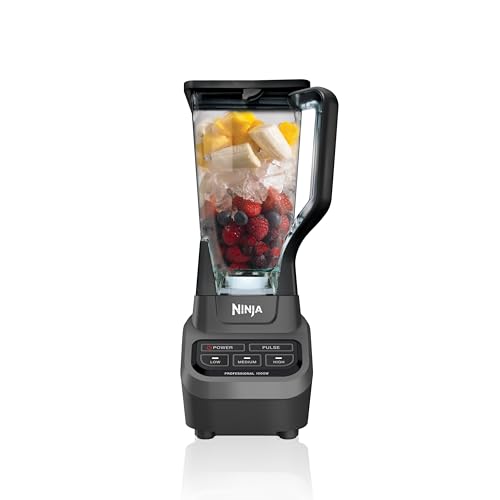
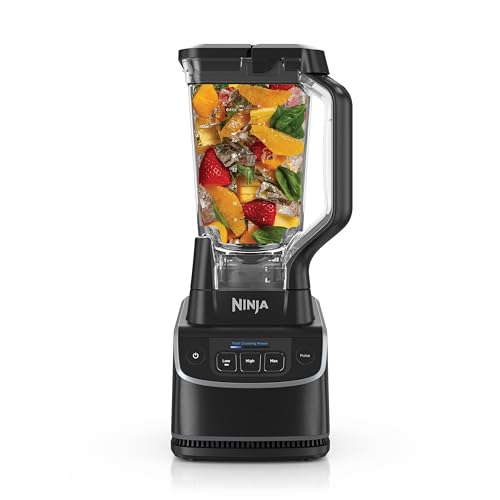
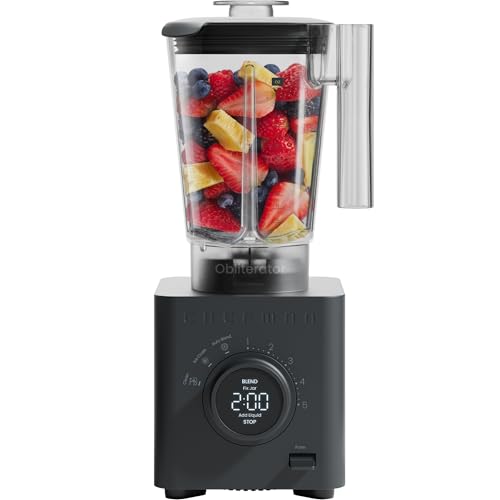
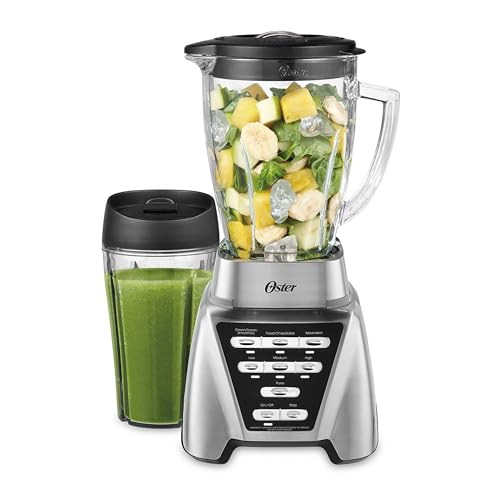

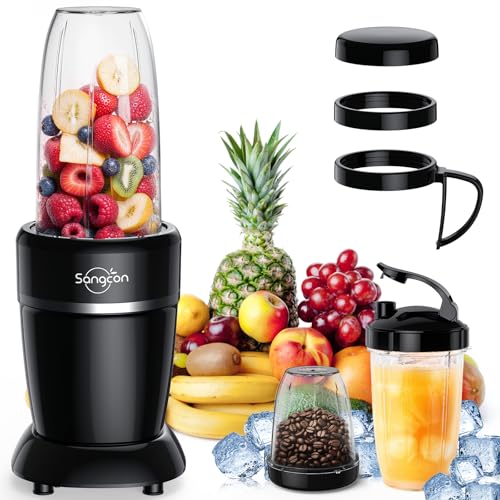


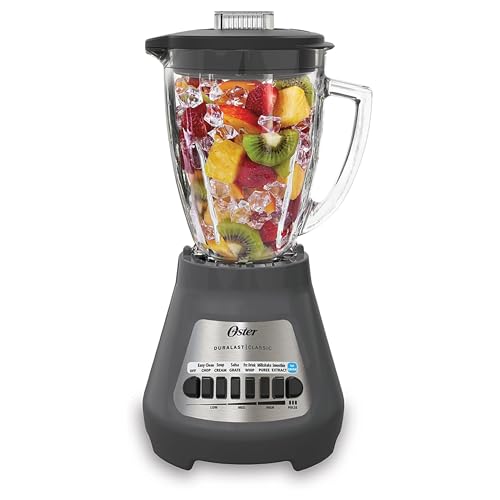
Three Budget Profiles to Consider
Each profile below describes the bundle of specs to look for in the product table above, who it suits, and the limit you accept. No single tier is right for everyone, because vegetable habits differ more than almost any other blending job.
Budget Profile
Look for about 700 to 1,000 watts, a jar of about 48 ounces, and pulse control, usually around $50 to $100. This profile handles soft and medium produce well, such as spinach, cucumber, and cooked beet, when you chop hard items small and add enough liquid. Expect a warranty of about one to two years and more noise under load. Fibrous items like celery need short pieces and patience. For a few green drinks each week, this tier is a fair starting point.
Midrange Profile
This profile adds about 1,000 to 1,400 watts, a jar near 64 ounces, variable speed, and a stronger blade assembly, usually around $100 to $250. Raw carrot, apple, and ginger blend far more smoothly, and you can strain less often if you prefer a lighter drink. Warranties often run three to five years. Most households that blend vegetables several times a week will be happiest here, because the motor stops feeling strained and the texture improves in a way you taste in every glass.
Premium Profile
Premium profiles bring motors at or above about 1,400 watts, tampers, durable jars, and warranties of seven to ten years, often around $300 to $550. They turn tough produce into a very fine puree, handle back to back batches, and make straining quick because the pulp is already fine. The cost is high and the units are large. Choose this tier if vegetable drinks are a daily habit, if you batch for a family, or if you want one machine for soups, smoothies, and vegetable drinks alike.
What Your Money Gets You at Each Price Tier
Budget Tier: What to Expect
At about $50 to $100, you get simple controls, lighter jars, and motors that reward good prep. Chop hard vegetables into small pieces, add liquid first, and blend in shorter runs with rests. Results are thicker and a bit more textured, which many people enjoy as a whole food drink. This tier suits beginners testing whether the habit sticks. Spend a little care on the gasket and blade area when cleaning, because fibrous residue builds up fast and budget parts are less forgiving of neglect.
Midrange Tier: The Sweet Spot for Most Buyers
At about $100 to $250, the gains are practical. Stronger motors hold speed with carrot and celery, jars are thicker and often Tritan, and variable speed gives you control over texture. You can blend a full jar for two to four servings without splitting batches. If you also make blended drinks with whole produce, see our guide to the best blenders for juicing and smoothies for overlap tips. For regular use, this tier offers the best mix of results, durability, and price.
Premium Tier: When Spending More Pays Off
Above about $300, you pay for fineness and endurance. Pulp comes out so fine that a simple strainer gives a drink close to pressed juice, while keeping the option to retain fiber. Metal drive parts, better cooling, and long warranties support daily heavy use. The texture jump from midrange is smaller than the jump from budget to midrange, so buy this tier for volume and longevity, not magic. Large households and committed daily users feel the value most clearly.
Features Worth Paying For and Ones to Skip
Blade or Attachment Design
A wide stainless steel blade with angled wings is worth paying for, because it pulls greens and chunks down instead of letting them ride above the cutting zone. A tamper sized for the jar is the other high value extra for thick vegetable loads. Attachments such as a dough hook or a whisk do nothing for this job and should not sway you. Sealed blade assemblies clean more easily after fibrous drinks, and that matters when celery strings are involved. Skip bundle deals built around baking extras.
Jar Material: Tritan, Glass, and Stainless Options
Tritan jars are light, tough, and usually BPA free, and they resist stains from carrot and beet better than cheap plastic. Glass is heavier and resists odor, but it can crack under thermal shock and adds weight when the jar is full. Stainless steel is durable and hides stains, yet you cannot see the blend level or texture, which is a real drawback with vegetables. For most buyers, a quality Tritan jar with clear marks is the practical choice, and it is common from midrange upward.
Motor Power and Wattage
Vegetables reward torque, so aim for about 1,000 to 1,400 watts in a full size jar for daily raw produce. Lower power can work with careful chopping and generous liquid, but the motor will sound strained and run longer, which heats the drink slightly. Read wattage with the duty cycle in the manual, because repeated long runs are normal for fibrous loads. If you often blend raw carrot and ginger together, treat strong power as a core need rather than an upgrade.
Noise Level
Hard vegetables make a blender loud, especially in the first seconds when chunks strike the jar. A heavier base and a sound shield, found more often at higher tiers, take the edge off. Placing the base on a towel reduces counter vibration in small kitchens. Starting on low speed until pieces break down also keeps noise shorter and lower. If you blend early while others sleep, weigh noise honestly, because a machine you avoid using at your preferred hour is a poor bargain at any price.
Features That Matter for Juicing Vegetables
The defining needs here are fiber handling and liquid management. Variable speed and pulse let you start thick mixtures moving, and a tamper pushes down greens without flooding the drink. A wide jar mouth makes adding handfuls of produce easier and cleaning faster. If you plan to strain, a jar with a pour spout that does not dribble is a small but daily pleasure. For related picks by produce type, our guide to the best blenders for vegetables covers prep and texture in more depth.
Long Term Costs to Factor In
Ownership costs extend past the purchase. Replacement jars and gaskets are the most common expenses, and premium parts cost more but remain available for more years. A strainer or nut milk bag for a thinner drink costs only a few dollars and lasts a long time, so add one to your budget if you prefer less fiber. Electricity use is modest, but a worn budget motor that needs long runs wastes both time and patience. A longer warranty lowers risk, and a machine that serves daily for six years at about $250 is cheaper per glass than a $90 machine replaced every two years.
Also count produce waste. A blender that handles tough stems and peels safely, where the recipe allows, lets you use more of what you buy, which quietly offsets price over a season of daily drinks.
FAQs
What features matter most in blenders for juicing vegetables?
Torque, blade design, and a tamper matter most, because fibrous produce resists blending more than fruit does. Variable speed helps you manage thick loads without excess liquid. One point buyers miss is jar mouth width, since adding chopped carrot and handfuls of greens is far easier with a wide opening. If you like a thinner result, also plan on a fine strainer, because even strong blenders keep all the fiber in the drink.
Can a blender crush ice?
Yes, if the maker lists ice crushing, and that skill overlaps with handling hard raw vegetables. A blade and motor that crack ice usually manage carrot coins and frozen ginger well too. Pulse first, keep enough liquid in the jar, and avoid loading the jar to the top with hard pieces. If a model bans ice, expect it to struggle with the toughest produce, and consider that a useful warning when comparing tiers.
What is the difference between a blender and a food processor?
A blender builds a vortex in a tall jar, which turns produce and liquid into a drinkable puree. A food processor chops and slices in a wide bowl, leaving liquid mixtures uneven and often leaking at the seal. Processors are great for slaw and pesto, but not for drinks. If counter space forces a choice, pick the blender for vegetable drinks, and see our guide to the best blenders for vegetable smoothies for texture tips.
Is a more expensive blender worth it?
It is worth it when you blend vegetables daily and want a finer puree with less straining and less motor strain. Premium machines also last longer under fibrous loads and carry longer warranties. If you blend twice a week with mostly soft produce, a midrange model will likely satisfy you for years. Think about servings per week and how much texture you accept, then let those answers set the tier rather than the other way around.
How do I clean a blender quickly?
Rinse the jar at once, because vegetable fiber dries into stubborn strands around the blade and gasket. Fill the jar halfway with warm water and a drop of soap, run it for about 30 seconds, then rinse and dry it open. A bottle brush clears celery strings that the rinse misses. Wash the tamper and lid at the same time. This quick routine also prevents green odors from settling into the seal between uses.
How many watts does a good blender need?
For daily raw vegetables in a full size jar, about 1,000 to 1,400 watts is a sound target. Smaller or softer loads can manage with less, provided you chop well and add liquid first. Portable options suit travel and single servings, a topic our guide to the best stick blenders touches only lightly since wands are better for soups. Judge watts together with blade shape and warranty for a fair picture.
The Bottom Line
Set your tier by habit. Occasional users can start at budget level with careful prep, regular users belong in midrange, and daily or family users gain the most from premium power and warranties. Compare your finalists in the product table above and our guide to the best blenders for fruits and vegetables. Chosen by power, blade, and jar, the best blenders for juicing vegetables will turn tough produce into drinks you enjoy, with fiber kept or strained as you prefer.