
Best Blenders for Indian Cooking: A Guide for 2026
Disclosure: We may earn a commission when you buy through links on this page, at no extra cost to you. As an Amazon Associate I earn from qualifying purchases. Learn more

Compare blenders for Indian cooking, from chutney and spice grinding to smooth idli batter, with jar types and power guidance for daily use.
Indian cooking asks more from a blender than smoothies do: dry spice grinding, wet batter, chutneys, and gravies all in one week. Best blenders for indian cooking covers the jar types and power levels that handle that range, and the product table above shows how mixer grinder styles compare with standard countertop models. The right blender should grind fine, blend smooth, and survive daily use.
This guide explains chutney jars, dry grinding, wet batter, and power needs. It also covers cleaning, since turmeric and spice oils stain and linger if ignored.


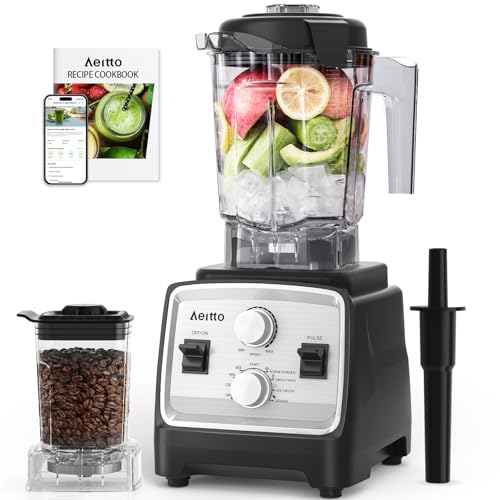


Who Should Buy
For Daily Home Cooks
Daily home cooks need a blender that grinds spices, makes chutney, and blends gravies without fuss. Multiple jar sizes help, since small chutney jars suit small batches and large jars suit gravies. A sturdy motor that handles daily grinding without overheating matters most for this routine.
For Batter and Dosa Makers
Batter makers need smooth, fine wet grinding for idli and dosa batters. A powerful motor and a large wet jar produce the smooth texture that ferments well. Stone style wet grinding gives the finest batter, but a good mixer grinder comes close for most home cooks.
For Spice Lovers
Spice lovers need a dry grinding jar that turns whole spices into fine powder without heating them into paste. Small dry jars with strong blades suit this job, since large jars leave spices unevenly ground. Grind in short pulses and shake the jar between pulses for the finest result.
Key Features to Compare
Chutney Jars
Small chutney jars suit coconut, mint, and tomato chutneys in the small batches Indian meals need. A tight lid and a small blade chamber blend small volumes evenly, while a large jar leaves chutney stuck above the blades. Stainless steel jars resist staining from turmeric and tamarind better than plastic.
Dry Grinding Jars
Dry jars grind whole spices, coffee beans, and grains into fine powder. Flat blades and small chambers grind evenly, while powerful motors prevent overheating during longer grinds. Grind spices in pulses and let the jar cool between batches to protect flavour.
Wet Grinding and Batter
Wet grinding needs power and time to turn soaked rice and lentils into smooth batter. A large jar with strong blades handles batter best, and adding water gradually keeps texture even. Smooth batter ferments better and cooks into softer idlis and crisper dosas.
Motor Power and Overload Protection
Motors around 750 watts or more handle Indian cooking tasks reliably, including dry spice grinding and thick batters. Overload protection shuts the motor off before damage when a jar jams, which protects the machine during heavy use. Let the motor rest between long grinds so it stays cool.
For related cooking blenders, see the guides on best blenders for cooking, best indian blenders, and best blenders for vegan cooking.
Cleaning Turmeric and Spice Residue
Rinse jars immediately after grinding spices or chutneys, since turmeric stains set quickly. Stainless steel jars resist staining best, while plastic jars may hold colour despite washing. A paste of baking soda and water lifts mild stains from steel jars without scratching.
Dry jars fully before storage, since moisture dulls blades and leaves odours.
Common Mistakes to Avoid
- Grinding small chutney batches in a large jar that leaves food above the blades.
- Running dry spice grinds continuously until the motor overheats.
- Using plastic jars for turmeric heavy blends that stain permanently.
- Skipping rest periods between long batter grinds.
Setup and Care Tips
Wash jars and blades promptly after use, especially after turmeric, tamarind, or chilli blends. Dry blades fully to prevent rust on lower quality steel, and store jars with lids off so they air out. Check gaskets regularly, since spice oils degrade rubber over time.
Sharpen or replace blades when grinding turns coarse despite longer run times. Keep the motor base dry and wipe it with a damp cloth only, never under running water.
A Final Check Before You Order
Before buying for Indian cooking, list the tasks you perform weekly: chutney, spice grinding, batter, or gravies. A blender with jars matched to those tasks beats a powerful model with a single large jar, since small batches in large jars blend poorly. Jar variety is the feature that most directly predicts daily satisfaction.
Check that replacement jars, blades, and gaskets are available for your chosen model, since Indian cooking wears these parts faster than light use. A blender with supported spares lasts years longer than one whose parts vanish after a season. Availability of spares is easy to check before purchase and painful to discover later.
Frequently Asked Questions
What wattage suits Indian cooking blenders?
A motor of about 750 watts or more suits Indian cooking reliably, since dry spice grinding and thick batters demand power. Lower wattage models overheat or stall on dense blends. Overload protection adds safety during heavy daily use, so favour models that include it. Overload protection is worth seeking out, since it saves motors during the heaviest daily grinds.
Can one blender grind spices and make batter?
Yes, a mixer grinder style blender with separate dry and wet jars handles both jobs well. Dry jars grind spices finely, while large wet jars blend batter smoothly. Standard countertop blenders with a single jar struggle with small spice batches, so jar variety matters. Separate jars for dry and wet work are what make one machine genuinely versatile here.
Why does my chutney stay chunky in a large jar?
Large jars leave small batches stuck above the blades, so chutney blends unevenly. A small chutney jar keeps ingredients near the blades and blends smoothly. Add liquid gradually and stop to scrape down the sides for the smoothest result. Scraping down the sides midway through blending fixes most uneven chutney textures quickly.
How do I remove turmeric stains from blender jars?
Rinse immediately after use, since turmeric stains set fast. Stainless steel jars resist staining best, and a baking soda paste lifts mild stains without scratching. Plastic jars may hold colour permanently, so favour steel jars for turmeric heavy cooking. Steel jars are the practical answer for turmeric heavy kitchens, since they resist staining best.
How long should I grind idli batter?
Grind soaked rice and lentils in batches until the batter feels smooth and slightly fluffy, usually several minutes with rests between runs. Add water gradually rather than all at once. Smooth batter ferments better and produces softer idlis and crisper dosas. Resting the motor between runs also protects flavour, since overheated batter tastes flat.
Final Thoughts
Indian cooking rewards a blender with the right jars: small for chutney, dry for spices, and large for batter. Power around 750 watts or more, overload protection, and steel jars complete the picture. The product table above compares jar sets and power across suitable models.
Grind in pulses, rest the motor, and rinse jars promptly. Those habits make best blenders for indian cooking a kitchen workhorse that handles daily cooking with ease.


