
Best Blenders for Healthy Smoothies: Every Type Explained Side by Side for 2026
Disclosure: We may earn a commission when you buy through links on this page, at no extra cost to you. As an Amazon Associate I earn from qualifying purchases. Learn more

Compare blender types side by side to choose the best blenders for healthy smoothies for your kitchen, batch size, budget, and daily routine.
Walk into any kitchen store and you will face countertop jars, personal cups, stick wands, and machines that claim to do it all. For a daily green drink, only some of those shapes actually make sense. This guide sorts the types clearly so you can find the best blenders for healthy smoothies for your space, your produce, and your mornings.
Healthy smoothies ask a lot of a machine, because leafy greens, frozen fruit, seeds, and ice all behave differently in a jar. Read the type comparison first, then use the buying points to narrow the product table above to a short list.



Types of Blenders Compared
Start with how each type moves food. Blenders that build a vortex turn greens and frozen fruit over and over until the texture evens out. Baking tools such as stand mixers and hand mixers move food in other ways and cannot make a smooth drink, so they are left out. Prices below are rough guides, from about $30 for simple tools to about $400 or more for premium countertop machines.
Full Size Countertop Blenders
This is the main type for healthy smoothies. A motor base drives a blade in a jar of about 48 to 72 ounces, pulling greens, fruit, and liquid into a steady vortex. Strong models break down seeds, frozen berries, and ice into a smooth drink for two to four people at once. Prices run from about $60 for basic models to about $400 or more for premium ones. The trade offs are counter space, noise, and cleaning a large jar, but for daily family smoothies nothing else matches the batch size and texture.
Food Processors
A food processor uses a wide bowl and a flat blade to chop, slice, and shred, and it handles thick jobs like hummus and nut butter well. For smoothies it struggles, because liquid sloshes in the wide bowl, greens wrap around the blade, and the result stays chunky unless you add a lot of liquid. It can start a very thick blend that you finish elsewhere, but that is extra work. Buy a processor for prep work and salsa, and choose a real blender for drinks you plan to sip through a straw.
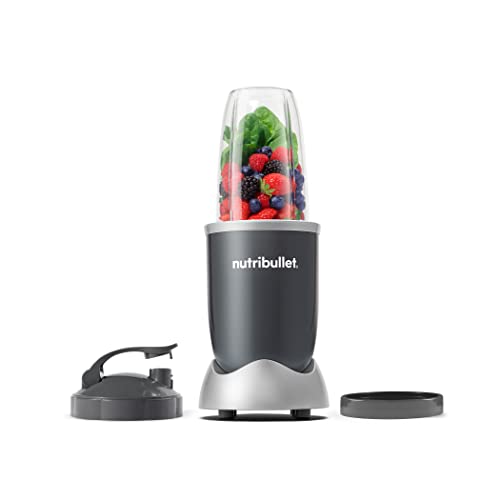
Two more shapes deserve a mention. Personal blenders use a small cup that flips onto a base, which is ideal for one serving and easy storage, and our guide to the best personal blenders for smoothies covers that format in depth. Immersion blenders blend in a pot or tall cup and suit soups better than frozen fruit. Both can play a supporting role, but the countertop jar remains the core tool for most smoothie routines.
How to Choose the Right Blender
Motor Power and Wattage
Healthy smoothies combine soft and hard loads, so look for about 900 to 1,400 watts in a full size jar for daily use with frozen fruit and ice. Personal models can manage with about 600 to 900 watts because the batch is small and close to the blade. Wattage works with blade shape and jar design, so read it beside ice crushing support in the manual. If you blend mostly soft fruit and fresh greens with plenty of liquid, a midrange motor will feel ample and run quieter.
Footprint, Storage, and Cord Length
Measure before you buy, because a tall jar on a tall base may not fit under standard cabinets, which often leave about 17 to 18 inches of clearance. Note the footprint too, since a wide base crowds a small counter. Cord length of about 3 to 4 feet reaches most outlets without stretching across a sink. If storage is tight, a personal blender or a compact countertop model may serve you better, and our guide to the best small blenders for smoothies explains the size trade offs.
Warranty and Motor Reliability
Daily blending adds up to hundreds of runs a year, so warranty and reliability matter more here than for occasional tools. Look for at least two years of coverage, with three to five years a good sign and up to ten years at the premium end. Check whether the warranty covers the jar and drive coupling, not just the motor. A maker that sells replacement jars and gaskets plans for long ownership. Keep your receipt, and note the model number somewhere you can find it later.
Features That Matter for Healthy Smoothies
Greens are the test, because weak blending leaves stringy bits of kale and spinach that no one enjoys. Variable speed lets you start slow to pull leaves in, then finish fast for a silky texture. Pulse helps with frozen chunks, and a tamper pushes greens down without extra liquid that dilutes flavor. Choose BPA free jars with clear marks for adding seeds and protein powders. A self clean cycle is worth having, since green residue dries fast. For a broader view, see our guide to the best healthy blenders.
Care and Maintenance Tips
Good habits keep any type working longer. Add liquids first, then soft ingredients, then ice and frozen fruit last, so the blade starts moving freely. Do not overfill past the max line, because thick smoothies need room to turn over. Clean right away with warm water and a drop of soap, run a short cycle, and dry the jar open. Wipe the base with a damp cloth only, and check the gasket weekly for trapped bits that can cause odors. Store the jar off the base if your manual suggests it, so the seal stays fresh.
Frequently Asked Questions
What features matter most in blenders for healthy smoothies?
A strong vortex matters most, built from motor torque, blade shape, and a tapered jar working together. Variable speed, pulse, and a tamper help you manage greens and frozen fruit without extra liquid. One point often missed is jar opening size, because a wide mouth makes adding handfuls of spinach and cleaning by hand much easier. Choose BPA free materials and marks you can read at a glance in a dim morning kitchen.
How do I clean a blender quickly?
Rinse the jar at once, fill it halfway with warm water and a drop of soap, and blend for about 30 seconds. Rinse the lid, then let everything dry open. Green drinks leave a film that hardens within an hour, so speed matters more than scrubbing. If seeds stick under the blade, a bottle brush after the rinse cycle clears them safely. Never put the motor base in water, and dry the gasket so it does not hold odors.
Is a more expensive blender worth it?
For daily smoothie drinkers, often yes, because stronger motors handle seeds and frozen fruit with less liquid and last longer under constant use. Premium machines also tend to make greens fully smooth, which changes whether kids and picky adults finish the glass. If you blend twice a week with soft ingredients, a midrange model is usually enough. Judge by how often you blend and how much texture bothers you, not by price alone.
Can a blender crush ice?
Yes, if the maker lists ice crushing and the blade and motor are built for hard loads. Add liquid first, use pulse to crack the cubes, then blend at high speed briefly. Ice skill also predicts how well a machine handles frozen berries and banana coins. For more detail, see our guide to the best blenders for smoothies and ice. If the manual warns against ice, respect that limit and pick a different model for frozen drinks.
How many watts does a good blender need?
A full size blender for daily healthy smoothies does well at about 900 to 1,400 watts, while a personal model can work at about 600 to 900 watts for single servings. More watts help most when the jar is full or the load is frozen. Read the number with the warranty and blade design, since a well designed 1,000 watt machine can beat a poorly designed stronger one. Avoid judging by peak watt claims alone.
What is the difference between a blender and a food processor?
A blender uses a tall, tapered jar to create a vortex that pulls food through the blade many times, which is how smoothies become smooth. A food processor uses a wide bowl for chopping and slicing, and liquid foods stay chunky there. Processors excel at hummus, dough, and prep work. If your goal is a drinkable result with greens fully broken down, the blender is the right tool and the processor is a helpful partner for other meals.
The Bottom Line
Choose the type first and the model second. A full size countertop blender fits most families, a personal blender fits single servings and small kitchens, and Compare your finalists in the product table above and our guide to the best blenders for smoothies for more batch ideas. With the right type and enough power, the best blenders for healthy smoothies turn greens, fruit, and seeds into a drink you will actually look forward to each morning.


