
Best Blenders for Grinding 2026 Spice and Grain Guide
Disclosure: We may earn a commission when you buy through links on this page, at no extra cost to you. As an Amazon Associate I earn from qualifying purchases. Learn more

A plain guide to blenders for grinding: dry grinding, spice blends, grain milling, motor strain, and jar choices, so grinding stays safe and effective.
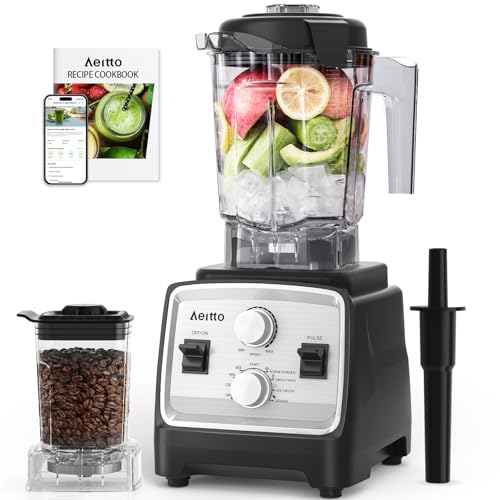
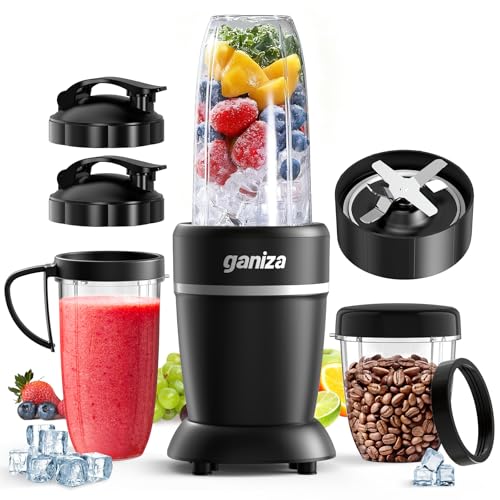
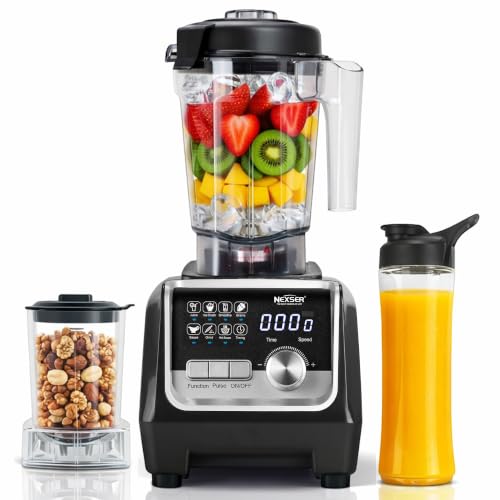
Grinding in a blender means turning dry ingredients such as spices, coffee, grains, and nuts into powders and pastes, and best blenders for grinding are the ones with the motor strength, jar design, and controls to handle dry loads without overheating. Dry grinding strains a blender differently from smoothies, since there is no liquid to circulate ingredients, and a weak machine will stall, heat up, or leave an uneven grind. The product table above shows blender and grinder options, so you can compare power, jar types, and dry grinding features before you buy.
This guide explains when a blender works for grinding and when a dedicated grinder is better, how to grind spices, grains, and nuts safely, and how to avoid motor damage. It also covers cleaning between flavours, since a spice grinder that smells of yesterday curry will taint tomorrow coffee. By the end you should know which machine suits your grinding habits.



Blender or Dedicated Grinder: The Honest Choice
A high performance blender with a dry grinding jar handles spices, grains, and small nut batches well, and it earns its place if you already blend smoothies daily. A dedicated blade grinder costs less, grinds small spice amounts more evenly, and keeps flavours separate, which suits cooks who grind spices often but blend rarely. A burr grinder suits coffee lovers who want consistent particle size, since blade grinding gives uneven coffee grounds that brew unevenly.
Consider batch size: blenders need a minimum amount to grind well, since too little material sits below the blades untouched, while too much overheats the motor. Dedicated grinders handle tiny spice amounts better, while blenders handle larger grain and nut batches better. If you grind daily in small amounts, a dedicated grinder plus a standard blender may cost less and work better than one expensive machine.
Dry Grinding Jars and Blade Design
A dry grinding jar is usually smaller and narrower than a smoothie jar, with blades angled to lift dry material and drop it back onto the cutting edges. Some blenders include a dedicated dry jar, while others expect you to use the standard jar, which works less well for dry loads. Check whether your blender maker sells a dry jar separately, since it transforms grinding performance without buying a new machine.
Blade sharpness matters less than blade shape for dry grinding, since the process relies on impact and circulation as much as cutting. A blade with multiple levels and angled edges circulates dry material better than a flat blade. Never grind with a wet jar, since moisture clumps powder and strains the motor, and always dry the jar fully before grinding.
Spices, Grains, and Nuts: Different Demands
Spices grind fast and need short bursts with shaking between pulses, since continuous running heats spices and dulls their aroma. Toast whole spices lightly in a dry pan before grinding for deeper flavour, then cool them fully before they meet the blades. Grind in small batches and sift if you need a fine powder, returning coarse bits for another short burst.
Grains need more power and patience: grind in short bursts with rest periods, since continuous grinding overheats the motor and can scorch flour. Nuts turn to butter if ground too long, which is delicious when intended but frustrating when you wanted coarse meal, so pulse and check often. For nut butter, use a tamper and longer blending with rest periods, and expect the motor to work hard and warm up.
Motor Strain, Heat, and Safety
Dry grinding strains motors because there is no liquid to carry heat away, so work in short bursts of 10 to 30 seconds with rest periods between. If the motor smells hot, slows, or sounds strained, stop and let it cool fully before continuing, since pushing a hot motor can burn it out. Never run a blender empty, since dry blades spinning without load can damage the jar and the motor coupling.
Keep hands, spoons, and utensils out of the jar while the motor runs, and always fit the lid before starting. Unplug the blender before scraping out grounds or checking the blades, since a stray switch press can cause serious injury. Let ground material cool before opening the jar fully, since fine dust can puff out and irritate eyes and lungs.
Flavour Transfer and Cleaning Between Grinds
Strong flavours transfer easily: coffee ground after cumin will taste of curry, and garlic powder will haunt sweet baking. Clean the jar between flavours by wiping it out, grinding a spoonful of plain rice or bread to absorb oils and odours, then wiping again. For stubborn smells, wash with warm soapy water and dry fully, since moisture left in a jar clumps the next grind.
Some cooks keep separate jars or grinders for sweet and savoury grinding, which is the simplest way to avoid flavour transfer entirely. Label jars if you share a kitchen, and store ground spices in airtight containers away from light and heat, since ground spices lose flavour far faster than whole ones. Grind small amounts often rather than large batches rarely.
When Grinding Is Not Worth the Effort
Some ingredients grind poorly in a blender whatever the power: very hard items such as dried turmeric root can damage blades, and very oily seeds can turn to paste before they turn to powder. For these, a mortar and pestle or a dedicated mill gives better control, even if it takes longer. Be honest about how often you grind: a blender attachment used twice a year may not justify its cost or storage space.
If you grind coffee daily, a burr grinder is worth the investment for consistent brewing, since blade ground coffee brews unevenly and tastes muddled. If you grind spices weekly, a small dedicated grinder saves time and keeps flavours clean. A blender earns its grinding role when you already use it daily and grind in moderate batches.
Related Buying Guides
For the wider blender picture, see best quality blenders. For smaller blending jobs, compare best stick blenders and best hand blenders, and for everyday drinks, the guides to best blenders for smoothies and best blenders for shakes are useful.
Frequently Asked Questions
Can a regular blender grind spices and grains?
A high performance blender with a dry grinding jar handles spices, grains, and small nut batches well, but a standard blender with only a smoothie jar grinds dry loads less evenly. Dedicated blade grinders handle tiny spice amounts better and cost less, while burr grinders suit coffee lovers who want consistent particle size. Match the machine to your batch size and grinding frequency.
Why does my blender overheat when grinding?
Dry grinding strains motors because no liquid carries heat away, so continuous running overheats the motor fast. Work in short bursts of 10 to 30 seconds with rest periods between, and stop if the motor smells hot or sounds strained. Never run a blender empty, and let the motor cool fully before continuing a large batch.
How do I stop flavours transferring between grinds?
Clean the jar between flavours by wiping it out, grinding a spoonful of plain rice or bread to absorb oils and odours, then wiping again. For stubborn smells, wash with warm soapy water and dry fully. Some cooks keep separate jars for sweet and savoury grinding, which is the simplest way to avoid flavour transfer entirely.
Can I grind coffee in a blender?
You can, but blade grinding gives uneven coffee grounds that brew unevenly and taste muddled, so it suits only occasional use. A burr grinder is worth the investment for daily coffee, since it gives consistent particle size for even extraction. If you grind coffee rarely, a blade grinder or a small dedicated grinder gives better results than a blender jar.
Is it safe to grind hot or wet ingredients?
No, always grind dry, cool ingredients in a dry jar, since moisture clumps powder and strains the motor. Toast spices first if you like, but cool them fully before grinding. Never put hands or utensils in the jar while the motor runs, and unplug the blender before scraping out grounds or checking blades.
Final Thoughts
The best blenders for grinding are the ones with a dry jar, enough power for your batches, and controls that let you pulse and rest the motor. The product table above gives a quick comparison, but batch size and grinding frequency matter more than wattage alone. Grind in short bursts, clean between flavours, and respect motor heat, and your blender will handle spices, grains, and nuts well. If you grind daily in tiny amounts, though, a small dedicated grinder may serve you better and keep your blender free for smoothies.


