
Best Blenders for Elderly: Budget, Midrange, and Premium Guidance for 2026
Disclosure: We may earn a commission when you buy through links on this page, at no extra cost to you. As an Amazon Associate I earn from qualifying purchases. Learn more

Compare the best blenders for elderly at every price point. Learn what you get at budget, midrange, and premium levels and where spending more pays off.
Blender prices run from under $40 to well over $400, and that spread leaves many shoppers unsure where the money actually helps. For older adults, the stakes are practical: controls you can read, a jar you can lift, and a lid that does not demand strong hands. The best blenders for elderly users are rarely the most powerful ones. They are the ones that feel safe and simple every single day. This guide explains what each price tier buys you, and which features are worth paying for.
Start with the product table above, then use the tier guide to decide your budget before you fall for extras you will never touch.

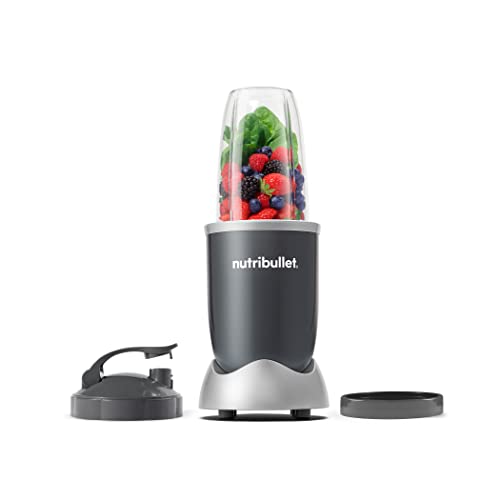


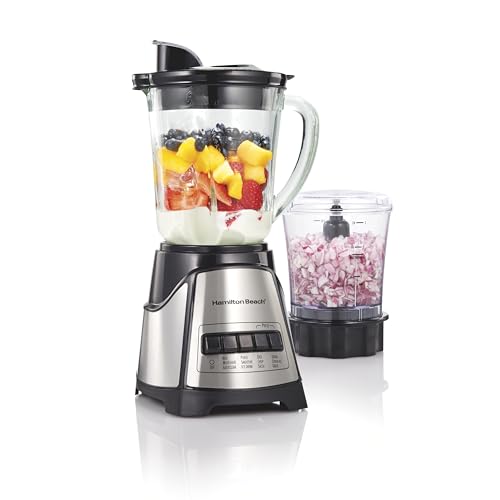


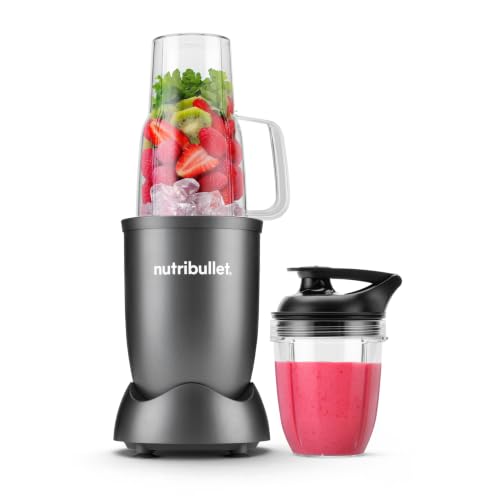
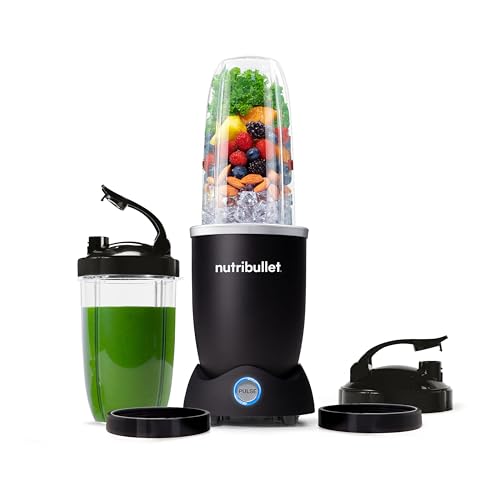
What Each Budget Tier Should Give You
Rather than naming specific models, this section describes what a sensible choice looks like at each price level, so you can judge any option in the product table above against a fair standard.
Budget Tier: The Sensible Basic Choice
At around $40 to $80, a good choice for an older adult is a simple countertop or personal blender with two or three speed settings, a large dial or clearly marked buttons, and a jar that weighs little when empty. It should handle soft fruit smoothies, soups cooled to warm, and protein drinks without fuss. The limits at this tier are real: thick frozen loads strain the motor, parts are mostly plastic, and warranties often run just 1 year. For one person making a daily smoothie, those limits may never matter, and the low weight is a genuine advantage.
Midrange Tier: Easier Handling and Better Parts
At about $90 to $200, you should expect a noticeably easier machine: a jar with a wide, comfortable handle, a lid that seals with a gentle press rather than a hard twist, and a base heavy enough to stay put while you work one handed. Motors grow stronger, so frozen fruit blends without repeated shaking, and a self clean cycle often appears at this level. Tritan jars, BPA free and light, are common here. For most older buyers, this tier removes the daily annoyances, such as stiff lids and hard to read labels, that make budget models frustrating.
Premium Tier: Comfort, Quiet, and Long Support
At about $250 to $450, the gains are comfort and longevity rather than raw blending ability. Expect sound dampening that softens the roar, smooth variable speed dials that start gently, preset programs that stop on their own, and warranties of 5 to 10 years with responsive support. Jars and drive parts use more metal and thicker plastic, and replacement parts stay available for years. This tier suits someone who blends daily, has sensitive hearing or grip strength limits, and wants one purchase to last. If blending is occasional, premium money buys little you will feel.
Features Worth Paying For (and Ones to Skip)
Footprint, Storage, and Cord Length
Measure the space under your cabinets, since many full size blenders stand 17 to 20 inches tall with the jar on the base. A shorter model that lives on the counter will be used far more than a tall one stored in a deep cupboard. Cord length around 3 feet gives placement freedom without a tangle. Some bases have cord storage underneath, a small detail that keeps counters clear and reduces snagging when you move the machine.
What Seniors Should Look For
Prioritize a light jar with a big handle, controls with large, high contrast labels, and a base that does not slide. A jar you can lift and pour with one hand while steadying a glass with the other is the real test, so think about your own grip honestly. If tremor, weak grip, arthritis, or vision loss makes any step feel unsafe, talk with your clinician or an occupational therapist about your personal needs before buying, and choose simpler controls over more settings. For broader advice, see our guide to the best for elderly kitchen choices.
Blade or Attachment Design
Fixed blade assemblies are safer for older users than removable ones, because there is no loose sharp part to handle during washing and no gasket to seat correctly. Blades should sit deep in the jar so a brush can clean around them without fingers going near the edges. Attachments such as a dough hook belong to mixers, not blenders, and add clutter without helping drinks or soups. A tamper is the one extra worth having if you make thick spoonable blends, since it removes the need to stop and stir.
Ease of Cleaning
Cleaning is where injuries and frustration happen, so weigh it heavily. A self clean cycle, blending warm water with a drop of soap, means you rarely handle the jar interior at all. Dishwasher safe jars and lids help, though hand rinsing is gentler on seals. Wide jar mouths let you see residue clearly. Skip models with narrow personal cups if your hands struggle with twisting, because those cups must be screwed on and off firmly for every single use.
Motor Power and Wattage
For soft daily blending, 400 to 700 watts is enough, and a gentler motor often means a quieter, calmer machine. For frozen fruit and ice, aim around 900 watts or more so the job finishes fast without shaking the jar loose in your hands. Wattage alone does not guarantee ease: a stable base, a secure lid lock, and a start that ramps up gradually matter just as much for an older user who cannot react quickly to a sudden lurch.
Handheld options deserve a mention for soups: our guide to the best hand blenders explains tools you use right in the pot, with no lifting or pouring of a heavy jar at all.
Long Term Costs to Factor In
The purchase price is only part of ownership. Replacement jars, lids, and gaskets cost about $15 to $60, and brands differ in how long they keep parts in stock, so favor makers with a long parts history. Electricity costs are minor, a few cents per blend. A longer warranty can save a full replacement, which matters on a fixed income. Also consider your own effort as a cost: a slightly pricier model with a self clean cycle may save hundreds of careful hand washes over its life. Our guide to the best quality blenders covers build quality signs that predict a long service life.
FAQs
What makes blenders for seniors different?
Usability makes the difference, not blending power. Large readable controls, a light jar with a strong handle, a stable base, and simple cleaning reduce strain and risk every day. A standard powerful blender may blend beautifully yet sit unused because its lid is stiff or its jar is heavy when full.
Can a blender crush ice?
Yes, midrange and premium models crush ice well when liquid covers the blades and you pulse in bursts. Budget personal models can manage two or three cubes in a drink. One safety note: always secure the lid before starting, and never hold the jar down by the lid while the motor runs at full speed.
How do I clean a blender quickly?
Use the self clean method: rinse, add warm water and a drop of soap, blend for 20 to 30 seconds, rinse again, and let the jar dry with the lid off. This avoids reaching inside near the blades entirely. If your model lacks that cycle, a long handled brush keeps fingers at a safe distance while you wash.
Is a more expensive blender worth it?
It is worth it when the extra money buys quieter running, gentler starts, and a long warranty, all of which reduce daily strain. It is not worth it for a long list of programs you will never use. Many older buyers do best in the midrange, where ease features appear without premium pricing.
What is the difference between a blender and a food processor?
A blender liquefies in a tall jar and suits drinks, soups, and sauces you pour. A food processor chops and slices in a wide bowl, but its many parts and sharp discs can be harder for older hands to assemble and wash. For most senior kitchens, a simple blender covers more daily needs with less handling.
How many watts does a good blender need?
For soft foods and simple smoothies, 400 to 700 watts works well. For frozen fruit and regular ice, choose around 900 watts or more. If you blend mostly drinks for one, a stick style option from our guide to the best stick blenders may cover your needs with almost no lifting at all.
For drink focused shopping, our guide to the best blenders for smoothies compares jar sizes and programs that suit a daily smoothie habit.
Final Thoughts
Choose by ease first: a light jar with a good handle, clear controls, and simple cleaning will serve an older adult better than extra power or programs. Set your tier by how often you blend, then check the product table above for the best blenders for elderly shoppers that match it. And if grip, balance, or vision concerns ever make a model feel unsafe in your hands, talk with your clinician about your personal needs before you settle on a final choice.


