
Best Blenders for Dosa Batter in 2026: Which Type Is Right for You?
Disclosure: We may earn a commission when you buy through links on this page, at no extra cost to you. As an Amazon Associate I earn from qualifying purchases. Learn more

Compare blender types side by side in this guide to the best blenders for dosa batter, with motor, jar, and cleaning tips for smooth fermented batter.
Dosa batter looks simple, just soaked rice, urad dal, water, and salt, yet it defeats many blenders because the grind must be smooth, cool, and fine enough to ferment well. Shoppers face countertop jars, stick blenders, food processors, and mixers, all promising good results. The best blenders for dosa batter are the ones whose type matches your batch size and patience, and this guide compares each type plainly so you can choose with confidence.
Use the product table above for a quick view of types and prices, then read on for the trade offs that a spec sheet will not show you.


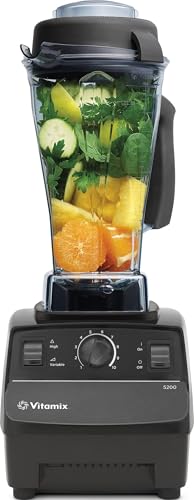
Types of Blenders Compared
Four appliance types can grind dosa batter, but they work in different ways and suit different kitchens. Full size countertop blenders are the most common choice for weekly family batches. Immersion tools suit tiny test batches, food processors handle very thick loads in a different style, and hand mixers, despite the name, mostly do not grind at all. Prices range from around $30 for basic stick tools to about $100 to $400 for strong countertop machines.
Immersion (Stick) Blenders
An immersion blender is a motor in a handle with a small blade at the end of a shaft, and you move it through the batter in a deep pot or jug. That mobility is its strength for small amounts, letting you chase lumps without moving batter between containers. Its weakness is power and coverage: grinding soaked rice to a fine texture takes long, heats the motor, and often leaves a gritty finish. Choose this type only for half batches, softening a finished batter, or kitchens with almost no storage. If you explore this route, our guide to the best stick blenders covers shaft length and power options.
Food Processors
A food processor pushes ingredients across a blade in a wide bowl rather than pulling them down in a vortex, and that action handles thick, low liquid loads without stalling as often. For dosa batter, a processor can grind soaked rice and dal in smaller batches and gives you easy access for scraping the sides. The trade off is texture: the result is often slightly coarser than a good countertop blender, and the bowl and blade parts take longer to wash. Choose a processor if you already own one and make modest batches, and expect to grind a little longer and rest the motor between loads.
Full Size Countertop Blenders
A full size countertop blender is the standard tool for dosa batter in most homes, because its tall jar and vortex keep a wet batter moving until the grain disappears. Look for a jar of 48 to 64 ounces so a family batch fits with room to circulate, and use variable speed to start slow as whole soaked grains break down. These machines cost about $80 to $400 depending on motor strength and jar quality. Choose this type if dosa or idli batter is a weekly habit, because it gives the smoothest texture with the least hands on effort.
Hand Mixers
A hand mixer beats and whips with wire beaters, and those beaters cannot grind rice or dal, so it is the wrong tool for the main job. It does have one honest use in this kitchen routine: after fermentation, a brief gentle mix can even out a batter that has separated, though a ladle does the same job. Some mixer sets add a dough hook or whisk, which help with other cooking but not with batter grinding. Skip a hand mixer for this purchase, and if you need one for baking instead, see our guide to the best hand blenders to understand how these handheld tools differ.
Immersion (Stick) Blenders vs Food Processors: Which Should You Choose?
Between these two secondary options, the choice turns on batch size and texture. A stick blender wins on storage and cleanup, since the shaft rinses in seconds and the tool fits in a drawer, but it asks for small batches and constant movement from you. A food processor wins on thick loads and needs less attention per batch, yet its bowl, lid, and blade take real washing time. For texture, the processor usually finishes smoother because its blade covers more of the bowl. For cost, stick tools start lower, around $30 to $70, while capable processors sit around $80 to $200. If you make batter twice a month in small amounts, a processor is the safer of the two; the stick blender is a backup tool, not a main grinder.
How to Choose the Right Blender
Features That Matter for Dosa Batter
Dosa batter demands sustained grinding of soaked but still firm grains, so torque and run time matter more than a long preset list. Choose a motor that can run for several minutes without a burning smell, a jar with clear measurement marks for water ratios, and a lid that vents steam if the batter warms. A pulse function helps you start each load, and variable speed lets you finish smooth without whipping in excess air. BPA free Tritan or glass jars both work, since batter is not hot when ground.
Motor Power and Wattage
For batter, look at about 1000 watts or more in a countertop model if you grind full batches weekly, because soaked rice resists the blades for the first minutes of every load. Lower wattage machines can succeed with longer soaking, more water, and smaller batches, so technique can offset power. Ignore ice crushing ratings as a guide here; batter grinding is a long, steady load rather than a short burst, and motors rated for endurance handle it better. A thermal cut off that pauses the machine when hot protects your investment.
Ease of Cleaning
Batter clings and sours fast, so cleaning design matters daily. A jar with a wide mouth lets you scrape out thick batter with a spatula instead of wasting the last cup under the blades. Self clean cycles, where you blend warm water with a drop of soap, help, but the blade area still needs a rinse and a visual check. Dishwasher safe jars and lids save time, though hand washing keeps seals supple for longer. Avoid designs with deep grooves around the base where old batter can hide and spoil the next batch.
Blade or Attachment Design
For batter, a fixed stainless steel blade assembly with blades angled at two heights grinds more evenly than a flat single level set, because grains pass through the cutting zone more often. Removable blade bases make deep cleaning easier but add a gasket that must sit perfectly to avoid leaks of thin batter. Attachments such as whisks belong to other tasks. The most useful extra is a tamper on premium models, which lets you press a thick, low water load down without stopping the motor.
If you want a machine that also earns its place for daily drinks, our guide to the best blenders for smoothies shows which jar styles serve both jobs well.
Tips to Get the Most From Your Blender
Soak rice and dal long enough, usually 4 to 6 hours, and drain them well so you control the water you add back. Add liquids first, then soaked grains in two or three portions, and never fill past the max line, because batter climbs as it smooths. Grind in cycles of 1 to 2 minutes with short rests, adding chilled water a spoon at a time; cool batter ferments with a cleaner flavor. Clean right away with warm water and a drop of soap, since dried batter hardens like paste and takes real scrubbing later.
Frequently Asked Questions
What features matter most in blenders for dosa batter?
Sustained torque, a jar that circulates thick liquid, and easy scraping matter most, because batter grinding is a long load rather than a quick blend. One feature buyers overlook is jar measurement marks in small increments, which help you repeat the water ratio that gave you crisp dosas last time. Consistent ratios matter as much as raw power for repeatable results.
How do I clean a blender quickly?
Empty the batter, rinse the jar at once, then blend warm water with a drop of soap for 20 to 30 seconds and rinse again. Fermented batter has a sour smell that lingers in lid seals, so once a week soak the lid and gasket in warm water with a spoon of baking soda. Let parts air dry fully before storing the jar closed.
How many watts does a good blender need?
Around 1000 watts suits full weekly batches, but a 700 to 900 watt machine can do well with smaller loads and well soaked grains. What matters more is how the motor handles minutes of steady work without slowing. If the pitch of the motor drops sharply in the first minute, the load is too big, whatever the wattage label says.
Is a more expensive blender worth it?
For weekly batter makers, yes, because stronger motors grind smoother in less time and longer warranties, often 5 years or more, protect a tool you rely on. Our guide to the best quality blenders explains the build differences behind those prices. If you make dosa twice a year, a midrange model and a little patience will serve you just as well at the table.
What is the difference between a blender and a food processor?
A blender pulls wet ingredients into a vortex and produces pourable, smooth results, which suits batter. A food processor cuts and pushes ingredients in a wide bowl and works with little liquid, which suits chopping and dough. For batter, the practical difference is texture and batch flow: blenders finish smoother in one load, while processors need more scraping stops along the way.
Can a blender crush ice?
Yes, most full size countertop blenders that grind batter well can also crush ice, because both jobs need torque and sturdy blades. Use liquid in the jar and pulse in bursts. If you also plan frozen drinks often, our guide to the best blenders for shakes covers drink focused features. A blender bought only for batter, with modest power, may still manage a few cubes in a smoothie.
The Bottom Line
For most homes, a full size countertop blender with steady torque, a 48 to 64 ounce jar, and easy cleaning is the right answer, while processors serve as a workable second choice and stick tools as backups. Compare the types in the product table above, match one to your batch size, and the best blenders for dosa batter for your kitchen will be the one you reach for every week without a second thought.


