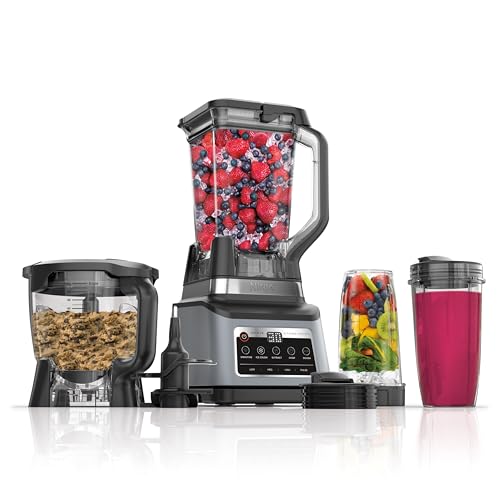
Best Blenders for Beans: Budget, Midrange, and Premium Guide for 2026
Disclosure: We may earn a commission when you buy through links on this page, at no extra cost to you. As an Amazon Associate I earn from qualifying purchases. Learn more
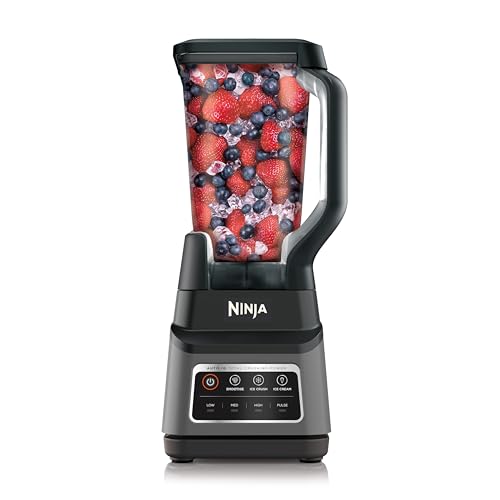
Learn how to choose the best blenders for beans by price tier, motor power, jar size, and blade design, and see which upgrades are worth paying for.
Beans ask more of a blender than fruit does. Cooked beans are dense and starchy, dry beans are rock hard, and the gap between a silky hummus and a gritty one usually comes down to motor strength and jar design. Prices also run wide, from under $50 to several hundred dollars, so it helps to know what each tier actually buys you. This guide to the best blenders for beans is organized by budget, with the bean specific features called out at each level.
Start with how you use beans most: dips and soups from cooked beans, or grinding dry beans into flour. Then match that job to a tier using the product table above.
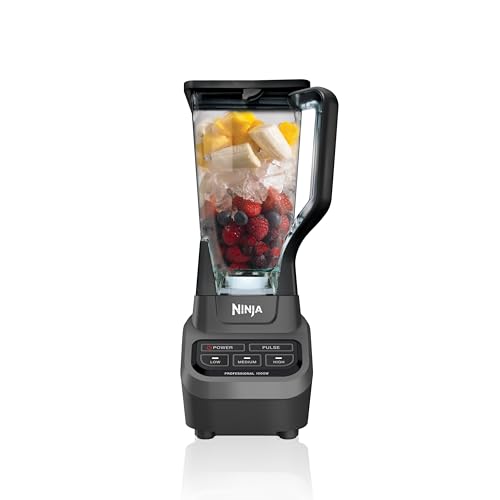
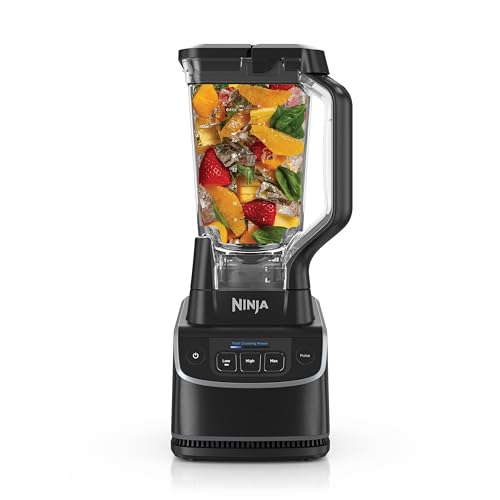
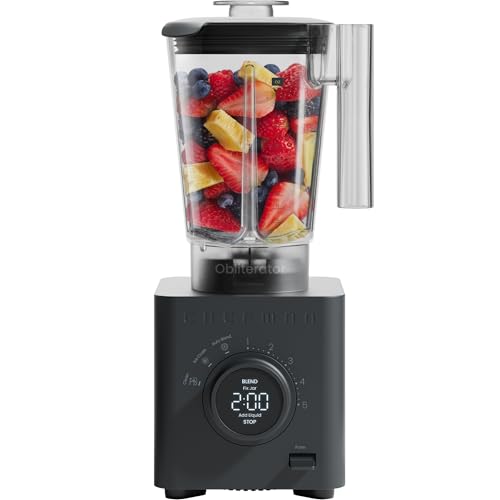
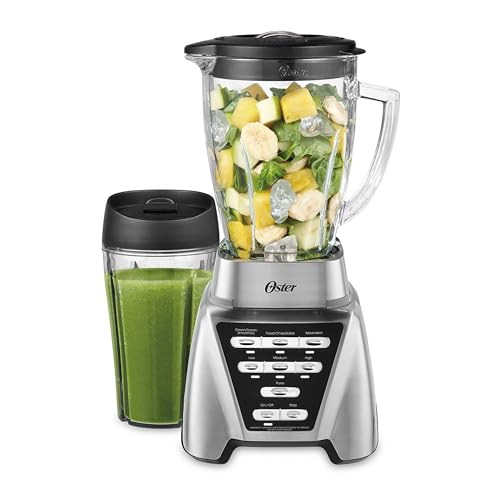

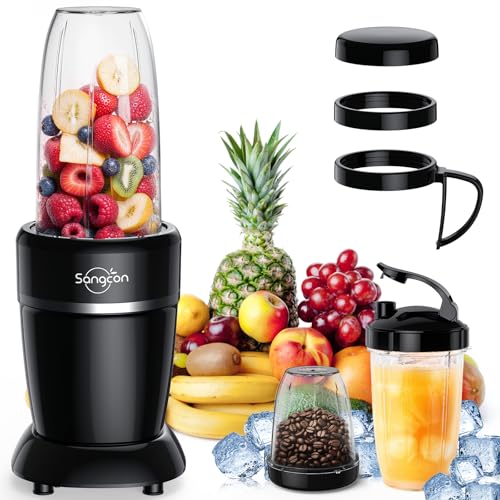


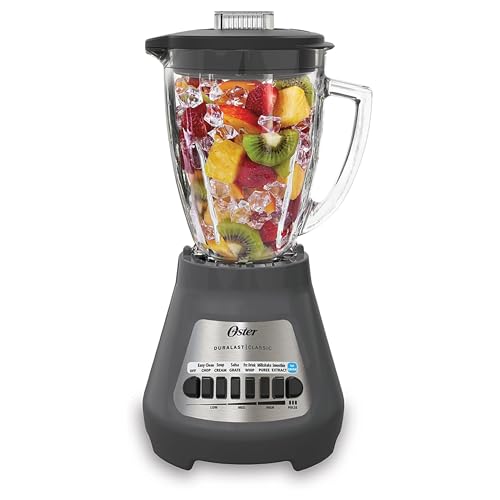
Three Budget Profiles to Look For
Shop by profile rather than by brand. The three profiles below describe what a sensible buy looks like at each budget for bean work specifically. A model that matches its profile will serve you well; one that only matches on price usually disappoints within a few batches.
The Budget Profile
A workable budget buy for beans lands around $50 to $90. Look for at least 800 watts, a jar of 48 ounces or more, and a pulse setting. This profile handles cooked beans well: refried beans, bean soups, and hummus come out smooth if you add enough cooking liquid and blend in stages. It is not the right tool for grinding dry beans, which will dull the blades and strain the motor. Expect a basic warranty of about one year and a jar that needs hand washing to stay clear.
The Midrange Profile
The midrange profile, usually around $100 to $200, is the sweet spot for regular bean cooking. Aim for about 1,000 to 1,200 watts, a sturdy Tritan jar near 64 ounces, variable speed, and a tamper for pushing thick mixtures down. Hummus turns genuinely silky at this level, and large pots of bean soup blend in one or two batches. Warranties typically run two to five years. You still should not grind dry beans daily, but occasional small batches of soaked or cooked beans are no problem at all.
The Premium Profile
Premium models around $250 to $450 earn their price when beans are a staple. A motor of about 1,400 watts or more, a heavy base, and a long warranty of seven years or more define the profile. These machines keep blades moving through thick bean pastes without stalling, and many can mill dry beans and grains in short bursts with rest between batches. The trade offs are size, noise at full power, and cost. For households making bean dips, flours, and soups every week, the durability repays the spend.
What Your Money Gets You at Each Price Tier
Budget Tier: What to Expect
Under about $100 at regular prices, blenders are built for soft work, and cooked beans sit at the top of what they can handle. Motors of 400 to 900 watts, simple controls, and lighter jars are typical. Your technique carries the load here: blend beans while warm, add liquid a little at a time, and stop to scrape the sides. Results can be very good for soups and dips. What you do not get is grinding power for dry beans or the stamina for thick, low liquid pastes, so keep expectations matched to the tier.
Midrange Tier: The Sweet Spot for Most Buyers
Between about $100 and $250, bean blending changes character. Motors near or above 1,000 watts sustain speed through starchy loads, blade assemblies pull ingredients into a steady vortex, and tampers solve the air pocket problem that plagues thick hummus. Jars grow to family size, which matters when a pot of bean soup needs blending. If beans appear on your table weekly, this tier is where money turns into visibly smoother results, and it is the level most home cooks should target first.
Premium Tier: When Spending More Pays Off
Above about $250, you pay for power reserves and longevity. Premium blenders hold blade speed under the heaviest bean loads, carry metal drive parts instead of plastic, and back it all with long warranties. This is also the tier where dry bean and grain milling becomes realistic for home use, in small batches with cooling rests. Households that cook beans from scratch several times a week, or that want one machine for a decade, get real value here. Lighter users will not notice enough difference to justify the price.
Features Worth Paying For and Ones to Skip
Capacity and Jar Size
Bean recipes are batch cooking by nature, so jar size matters more than it does for single smoothies. A 64 ounce jar blends a full pot of soup or a double batch of hummus without overflow, while a 48 ounce jar suits smaller households. Remember that thick bean mixtures need headroom to circulate, so the practical capacity is about two thirds of the stated size. Single serve cups are poor tools for beans: the mixture is too thick to move, and you end up with smooth edges and a chunky center.
Ease of Cleaning
Bean starch dries like glue, which makes cleaning a genuine buying criterion. A self clean routine of warm water, a drop of soap, and thirty seconds on high removes most residue if you run it right after blending. Jars with smooth walls and few ridges rinse faster, and dishwasher safe lids save real time. If cleanup is easy, you will actually make the bean soup on a weeknight. For a broader look at build quality across price levels, see our guide to the best quality blenders.
Motor Power and Wattage
For cooked beans, about 1,000 watts gives smooth results without strain, because the load is dense even when it is soft. Wattage alone is not the whole story: a motor that holds speed as the jar fills matters more than a big number that fades under load. Dry beans are a different demand entirely, closer to grinding grain, and only premium motors with strong blades should attempt it, in short bursts. If a budget listing promises dry grinding at low wattage, treat that claim with doubt.
Features That Matter for Beans
Three features decide bean success. First, a tamper, because thick bean mixtures form air pockets above the blades and the tamper keeps food moving without stopping the machine. Second, variable speed, so you can start slow to fold beans in and finish high for smoothness. Third, a pulse setting for breaking down the first stubborn chunks. Blade shape matters as well: wide blades that sweep the jar floor prevent the layer of whole beans that hides at the bottom of weaker designs. For pureeing small amounts of cooked beans directly in the pot, the best stick blenders are a handy second tool.
Choosing Blenders for Your Situation
Beans Mixed With Vegetables
If your blending mixes beans with vegetables, as in soups, curries, and baby food, the priorities shift slightly. Fibrous vegetables like celery and leafy greens need sustained high speed to break down cell walls, so motor stamina matters even more than peak watts. Jar size also counts, because vegetables add volume before they cook down. Spend first on power and capacity, and skip decorative presets. A midrange model with variable speed handles a bean and vegetable soup better than a budget model with a dozen buttons.
Long Term Costs to Factor In
Bean blending is hard on wear parts, so long term costs deserve a look before you buy. Blade assemblies dull faster on starchy, dense loads, and a replacement can cost about $25 to $60 where parts are sold at all. Jars cloud and scratch over time, especially with dry ingredients, and a spare jar runs about $30 to $80. Electricity use is trivial by comparison. The real calculation is lifespan: a midrange or premium blender with available parts will usually outlast two budget machines, and that difference often erases the higher starting price.
Frequently Asked Questions
What features matter most in blenders for beans?
A tamper, variable speed, and sustained motor power matter most. Cooked beans form thick mixtures that stall weak motors and trap air above the blades, so the tamper and a slow start solve real problems. A jar of 48 to 64 ounces gives batches room to circulate. Pulse helps at the start of a blend. If you also puree bean soups in the pot, the best hand blenders make a useful companion, though they cannot match a countertop jar for silky hummus.
How many watts does a good blender need?
About 1,000 watts is a good target for bean work with cooked beans, and more helps for thick pastes. Below roughly 800 watts, you can still succeed by blending warm beans with extra liquid in smaller batches. Dry bean grinding is the exception: it demands premium power, around 1,400 watts, plus short bursts and rest time. Always weigh blade design and jar shape alongside wattage, because they decide how much of that power reaches the food.
What is the difference between a blender and a food processor?
A blender liquefies in a tall jar, which suits bean soups, smooth sauces, and smoothies. A food processor works in a wide bowl and chops, slices, and kneads; it also makes hummus with a slightly coarser, more textured finish that some people prefer. For falafel style mixtures that must stay coarse, the processor wins. For silky dips and pourable soups, the blender wins. Many bean cooks end up using both, but if you buy one first, choose based on whether smoothness or texture matters more.
How do I clean a blender quickly?
Clean it immediately, because bean starch sets hard as it dries. Fill the jar halfway with warm water, add a drop of dish soap, and blend on high for thirty seconds, then rinse. For a jar that sat too long, soak it in warm soapy water for fifteen minutes and use a bottle brush near the blades. This quick habit also protects the jar: dried bean residue scrubbed with abrasive pads scratches plastic and gives later blends a place to stick.
Is a more expensive blender worth it?
For bean heavy cooking, often yes. Premium models hold speed through thick mixtures, carry warranties of seven years or more, and offer replacement parts, all of which matter when the workload is dense and frequent. If you blend cooked beans into soup once a month, a midrange model is the smarter spend. Judge by batches per week, not by ambition: frequent thick loads are exactly the case where the stronger motor stops being a luxury.
Can a blender crush ice?
Most midrange and premium blenders can, and the same traits that crush ice well also help with beans: strong motors, thick blades, and a jar shape that keeps food circulating. If frozen drinks are also on your menu, the guidance in our guide to the best blenders for smoothies applies directly. Budget models can handle a few cubes with liquid added, but daily ice crushing shortens their life, just as daily dry bean grinding would.
Wrapping Up
For beans, spend on sustained power, a tamper, and a jar big enough for real batches, in that order. Match the tier to your habits: budget for occasional cooked bean soups, midrange for weekly dips and hummus, premium for grinding and daily use. Check your shortlist against the product table above, and the best blenders for beans for your kitchen will be the ones whose strength matches the loads you actually blend. If shakes are part of the same routine, our guide to the best blenders for shakes covers the thinner end of the menu.