
Best Blenders Food Processor Combo for 2026
Disclosure: We may earn a commission when you buy through links on this page, at no extra cost to you. As an Amazon Associate I earn from qualifying purchases. Learn more

Learn how to choose a blender food processor combo for smoothies, chopping, and dough work, with capacity, power, and cleaning guidance for busy home kitchens.
A blender and food processor in one unit saves counter space and money, but only if both halves do their job well. The best blenders food processor combo models pair a tall jar for smoothies and soups with a wide bowl for chopping, slicing, and mixing dough, all driven by one motor base. This guide explains who benefits from a combo, which features separate a useful unit from a gimmick, and which mistakes to avoid.
Check the product table above for models that fit the types described below, then use the sections that follow to match one to your kitchen and your cooking habits.


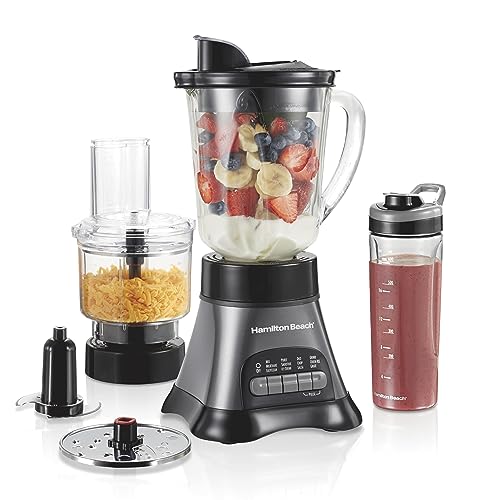


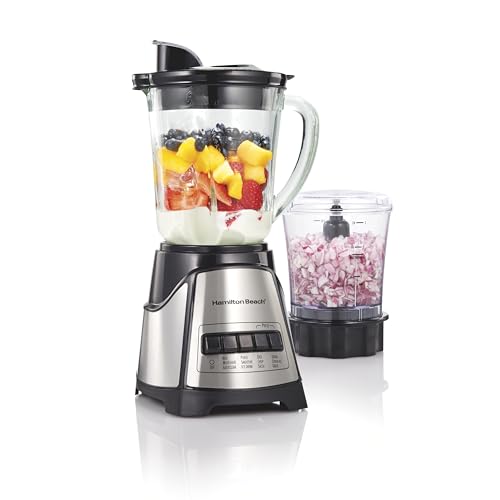

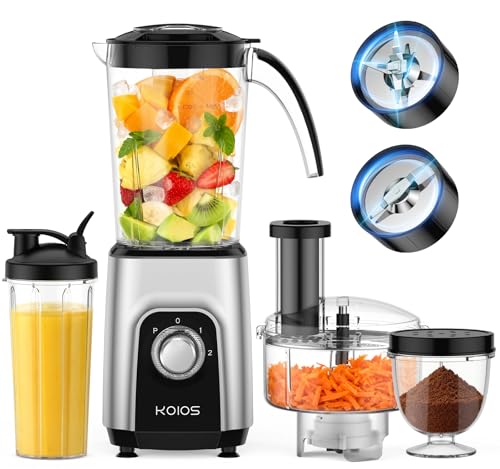
Who Should Buy a Blender Food Processor Combo?
Small Kitchens and Apartments
One base replaces two appliances, which frees a cabinet shelf. If you have limited counter space and cook a mix of smoothies and quick prep, a combo is a sensible way to get both without owning two bulky machines.
Busy Families Cooking Daily
Families chop vegetables for dinner, blend smoothies at breakfast, and sometimes need shredded cheese or dough for the weekend. A combo with a large processor bowl (around 8 to 12 cups) and a 64 to 72 ounce pitcher covers all of it, though you will wash several parts each day.
Occasional Users on a Budget
If you blend and chop a few times a week, an entry level combo with a 40 to 48 ounce jar and a small chopper bowl is usually enough. Expect lighter motors and plastic parts, and do not expect it to knead heavy dough or crush ice for hours.
Key Features to Compare
Motor Power
Look for about 1,000 watts or more if you plan to crush ice, grind nuts, or blend thick mixtures. Smaller motors work for soft fruit and chopping onions but strain on frozen loads. Because one motor serves two jobs, a stronger base gives you more margin on both.
Jar and Bowl Sizes
Match capacity to your usual batch. A 72 ounce pitcher suits family smoothies and soups, while a 40 ounce jar is enough for two servings. For the processor, a 3 to 5 cup bowl handles dips and chopped vegetables, and an 8 to 9 cup bowl is better for shredding and dough.
Blades and Discs
Check what ships in the box. A useful set includes a stacked blending blade, a chopping blade, and often a slicing or shredding disc and a dough blade. Extra discs only matter if you will use them, so pick the set that matches your recipes.
Controls and Presets
Pulse and variable speed give the most control. Preset programs for smoothies or dough are convenient, but a clear pulse button and a low speed start do more for texture than a long list of icons.
Cleaning and Storage
More parts mean more washing. Look for dishwasher safe pitchers, bowls, and lids, and a way to store blades and discs together. Smooth jar walls and removable blade assemblies rinse faster and cost less in frustration.
What Each Price Tier Offers
Budget
Entry level combos usually pair a 400 to 700 watt base with a small jar and a chopper bowl. They suit light daily use: soft smoothies, salsa, and chopped nuts. Plan to blend in smaller batches and add liquid generously.
Midrange
Midrange units, often around $80 to $200, add a 1,000 watt or stronger motor, a larger pitcher, and a full size processor bowl with discs. This is the sweet spot for most households, since it handles ice, vegetables, and dough with fewer compromises.
Premium
Premium combos add heavier motors, sturdier jars, more discs, and longer warranties. They make sense when you cook and blend daily and want one machine to last for years. For lighter use, the extra cost buys power you will rarely touch.
Blending Versus Processing: What Changes
A blender works with liquid. Its tall jar pulls ingredients into a vortex, so smoothies, soups, and sauces come out smooth. A food processor works mostly dry in a wide bowl, so it chops, slices, shreds, and kneads without turning everything to puree. A combo shares one motor between the two, which is why bowl shape, blade design, and a secure lid matter as much as wattage.
Think about your hardest regular task. If it is a frozen smoothie, put blender strength first. If it is shredding a block of cheese or mixing dough, put bowl size and the dough blade first. Most households lean one way, and a combo that fits your main use will feel better than one that is merely average at everything.
Mistakes to Avoid
- Choosing by number of functions instead of how well the blending and chopping halves each work.
- Ignoring storage: a combo with many parts needs a place to keep them together.
- Skipping the manual notes on hot liquids, since steam builds pressure in a closed pitcher.
- Buying a small bowl and then expecting it to handle bread dough or a double batch of shredded cheese.
Related Guides
For nearby choices, see our guides to best food processors blenders, best food blenders, best quality food processors, best compact food processors, and best inexpensive food processors.
Frequently Asked Questions
How much capacity do I need in a combo unit?
For two people, a 40 to 48 ounce jar and a 3 to 5 cup processor bowl are enough. For a family, look for a 64 to 72 ounce pitcher and an 8 cup or larger bowl so you can cook in one batch.
Can one machine blend smoothies and chop vegetables well?
Yes, if the motor is strong enough and the blades are designed for each job. Combos with separate blade sets for blending and chopping perform better than units that use one blade for everything.
Are combo units safe for hot soups?
Only if the maker says so. Hot liquid expands and can push the lid off, so follow the manufacturer's instructions, blend in small batches, vent the lid if it allows, and start on a low speed.
How noisy are combo units during daily use?
Ice crushing and heavy chopping are loud on any machine. Heavier bases and tight fitting lids reduce vibration, and short pulses feel quieter than one long high speed run.
Can I wash the jar and bowl in a dishwasher?
Most pitchers, bowls, and lids can go on the top rack, but check the manual first. Motor bases should only be wiped with a damp cloth, and blades are safer washed by hand with a brush.
Final Thoughts
The right combo comes down to fit, motor strength, and how many parts you are willing to wash. Compare your shortlist in the product table above, favor the model that does your most common task well, and the best blenders food processor combo for your home will be the one you reach for every week.

