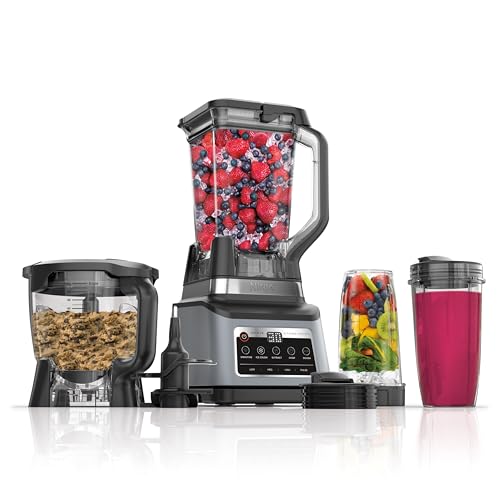
Best Blenders Black Friday: Budget, Midrange, and Premium Guide for 2026
Disclosure: We may earn a commission when you buy through links on this page, at no extra cost to you. As an Amazon Associate I earn from qualifying purchases. Learn more
What motor, jar and warranty to expect at each budget so you can judge best blenders black friday deals.
Blender prices stretch from under $40 to well over $400, and Black Friday stretches them further, with sale tags on nearly every shelf. A low price alone tells you little, because a discount on the wrong machine is still money wasted. This guide to the best blenders black friday deals is organized by budget, so you can see what each tier normally delivers and judge whether a sale price is genuinely good.
Read the tier guide first, then compare what you find with the features each tier should have. When a model drops into a lower price band than its features deserve, that is the deal worth taking.
Three Budget Profiles to Look For
Rather than chasing individual sale listings that change by the hour, shop by profile. The three profiles below describe what a strong buy looks like at each budget during the sale season. If a discounted model matches the profile, the price is doing you a favor. If it only matches on price, keep looking. These points matter most when you compare the best blenders black friday for your own home.
The Budget Profile
A good budget buy during the sale usually lands around $40 to $80 after the discount. Look for at least 600 to 800 watts, a jar of 48 ounces or more, and a pulse setting for breaking up ice. This profile handles fresh fruit smoothies, shakes, and simple sauces for one or two people.
The limits are jar materials that scratch more easily, basic speed controls, and a warranty of about one year. For occasional use, those trade offs are fair, and the sale price makes them easier to accept.
The Midrange Profile
The midrange profile is where Black Friday value concentrates, often around $90 to $180 on sale. Expect about 1,000 to 1,200 watts, a Tritan jar near 64 ounces, variable speed, and a tamper or a smoothie preset. Motors at this level crush ice daily without strain, and warranties usually run two to five years. You give up the quietest operation and the longest coverage of premium models, but for most households this profile covers smoothies, frozen drinks, soups, and nut butters at a price that feels like a genuine bargain.
The Premium Profile
Premium models on sale often fall to around $250 to $400, and the profile to demand is strict: a motor around 1,400 watts or more, a heavy base, variable speed with presets, and a warranty of seven years or longer. These machines blend hot soups, grind grains, and run daily for years. The trade off is size and weight, plus a jar and base that need real counter room. Buy this tier when blending is a daily habit, not an occasional project, because lighter use never repays the extra spend.
What Your Money Gets You at Each Price Tier
Budget Tier: Under $100
At the regular budget tier, roughly under $100 before discounts, you get a simple and honest machine. Motors run about 400 to 900 watts, jars are often basic plastic, and controls may be a few buttons or a single dial. These blenders do soft work well: fresh smoothies, milkshakes, and dressings.
Ice crushing is possible in small amounts with added liquid, but daily frozen drinks will wear the motor and blades faster. For a dorm room, a first apartment, or a backup machine, this tier makes sense, especially when a sale trims the price further.
Midrange Tier: $100 to $250
Between about $100 and $250 at regular prices, blenders gain the features that change daily results. Motors reach 1,000 watts and beyond, jars switch to tougher Tritan, and variable speed with pulse becomes standard. You also see better blade assemblies that pull ingredients down instead of throwing them up the sides.
This tier suits families and anyone who blends several times a week. Black Friday often pulls the top of this tier down toward budget prices, which is why deal hunters who know the tiers tend to buy here.
Premium Tier: Above $250
Above about $250, you are paying for durability, power, and refinement rather than basic function. Premium machines carry stronger motors, metal drive components, longer warranties, and quieter, heavier bases. They handle the hardest jobs: frozen desserts, hot soup blended straight from cooking temperature in suitable jars, grain flours, and large batches.
The payoff appears over years, so this tier rewards daily users and serious home cooks. If your blending is light, the premium tier is where Black Friday discounts most often tempt people into spending more than their habits justify.
Features Worth Paying For and Ones to Skip
Noise Level
Noise is the feature people undervalue until the first early morning smoothie wakes the house. Budget models are usually the loudest, with thin jars and light bases that vibrate on the counter. Midrange machines improve matters with heavier bases, and some premium models add sound shielding that lowers the pitch noticeably. If you blend before others wake, or you live in an apartment with thin walls, treat noise as a real buying criterion and favor weight and insulation over extra presets you may never touch.
Warranty and Motor Reliability
A sale price means little if the motor fails in year two. Warranty length tracks price tier closely: about one year at budget level, two to five years in the midrange, and seven to ten years at the premium end. During Black Friday, compare the warranty as carefully as the discount, because a midrange model with five years of coverage can be a better long term buy than a cheaper model with one year. Also check that jars, blades, and drive parts are sold separately, since replaceable parts stretch the life of any tier.
Motor Power and Wattage
Wattage tells you how hard a motor can work, though design decides how well that work reaches the food. For soft smoothies, 600 watts is enough. For daily ice crushing and frozen fruit, aim for about 1,000 watts or more, which usually means shopping the midrange tier or above.
Budget models sometimes advertise peak power numbers that the motor sustains only briefly, so weigh jar shape and blade design alongside the wattage figure. A pulse function matters too, because short bursts break ice apart better than one long run.
Speed Settings and Presets
Variable speed is worth paying for; a shelf of presets mostly is not. A dial or slider lets you start slow so powder and greens fold in, then ramp up for a smooth finish. Pulse earns its place for ice and chunky salsas.
Presets for smoothies, soups, or frozen drinks add convenience, and midrange models often include a few, but they rarely justify a tier jump on their own. One preset that does add value is a self clean cycle, which turns cleanup into warm water, a drop of soap, and thirty seconds of blending.
Long Term Costs to Factor In
The sale price is only the first cost. Replacement jars can run about $30 to $80, and a new blade assembly or drive gear adds more, so a model with available parts beats one without. Personal cups, extra lids, and tampers are common add ons that quietly raise the total.
Electricity costs are minor, since even a strong motor runs for minutes a day. The biggest long term factor is lifespan: a midrange blender that serves six years costs less per year than a budget model replaced twice, which is worth remembering when two sale prices sit close together.
Frequently Asked Questions
How do I clean a blender bought on Black Friday quickly?
Use the rinse cycle method: warm water halfway up the jar, a drop of dish soap, and thirty seconds on high, then rinse and let it air dry. It works on nearly every model at every tier and takes under a minute. For dried residue, soak the jar for ten minutes first. Avoid submerging the base, and keep fingers away from the blade assembly by using a bottle brush around the bottom of the jar.
How many watts does a good blender need?
A good all purpose blender needs about 1,000 watts if ice and frozen fruit are regular jobs. That figure keeps the blades moving through dense loads without the motor straining or the blend stalling. For soft ingredients only, 600 to 800 watts performs well and costs less. During the sale, do not let a huge wattage claim on a budget model sway you by itself; jar shape, blade thickness, and warranty length reveal more about real performance.
What is the difference between a blender and a food processor?
A blender liquefies: its tall jar and fast blades turn ingredients into smooth drinks, soups, and sauces. A food processor chops, slices, shreds, and kneads in a wide bowl at lower speeds. Frozen drinks and silky soups belong to the blender.
Chunky salsa, pie dough, and shredded vegetables belong to the processor. Some combo units try to cover both, but each function tends to be a step below a dedicated machine, so buy for the jobs you repeat most.
Can a blender crush ice?
Yes, if the motor, blades, and jar are built for it. Look for about 1,000 watts, thick stainless blades, and a pulse setting, and always add some liquid so the ice circulates instead of bouncing. Budget models can crush a few cubes for a single drink, but frequent frozen drinks will wear them out early. If ice is a daily habit, the midrange tier is the honest starting point, and Black Friday pricing often brings it within reach.
Is a more expensive blender worth it?
It is worth it when your use is heavy and frequent. Premium models repay their price through longer warranties, stronger motors, quieter running, and parts that remain available for years. For light use, a midrange model on sale delivers most of the same results for much less. Compare cost per year of expected service rather than the sticker alone: a blender that lasts eight years at a premium price can beat a cheap one replaced every two years.
Final Thoughts
Decide your tier before the sale starts: budget for light use, midrange for most households, premium for daily heavy work. Then judge each discount against the features that tier should include. Chosen that way, the best blenders black friday buy is the one whose features match your routine at a price a tier lower than it deserves.