Best Blankets for Quarter Horses: A First Time Buyer's Guide for 2026
Disclosure: We may earn a commission when you buy through links on this page, at no extra cost to you. As an Amazon Associate I earn from qualifying purchases. Learn more

Shopping for the best blankets for quarter horses for the first time? Learn the terms, compare types and fill weights, and avoid rookie mistakes.
Buying your first horse blanket is confusing because the labels assume you already speak the language. Denier, fill grams, turnout versus stable: each term changes what the blanket actually does for your horse. Quarter Horses add one more wrinkle, since their broad chest, deep barrel, and muscular hindquarters fit differently than a narrow Thoroughbred build.
This guide walks you from the basics to a confident first purchase of the best blankets for quarter horses for your climate and routine. Work through the comparison table below, then use the plain English spec guide to match a blanket to your horse.



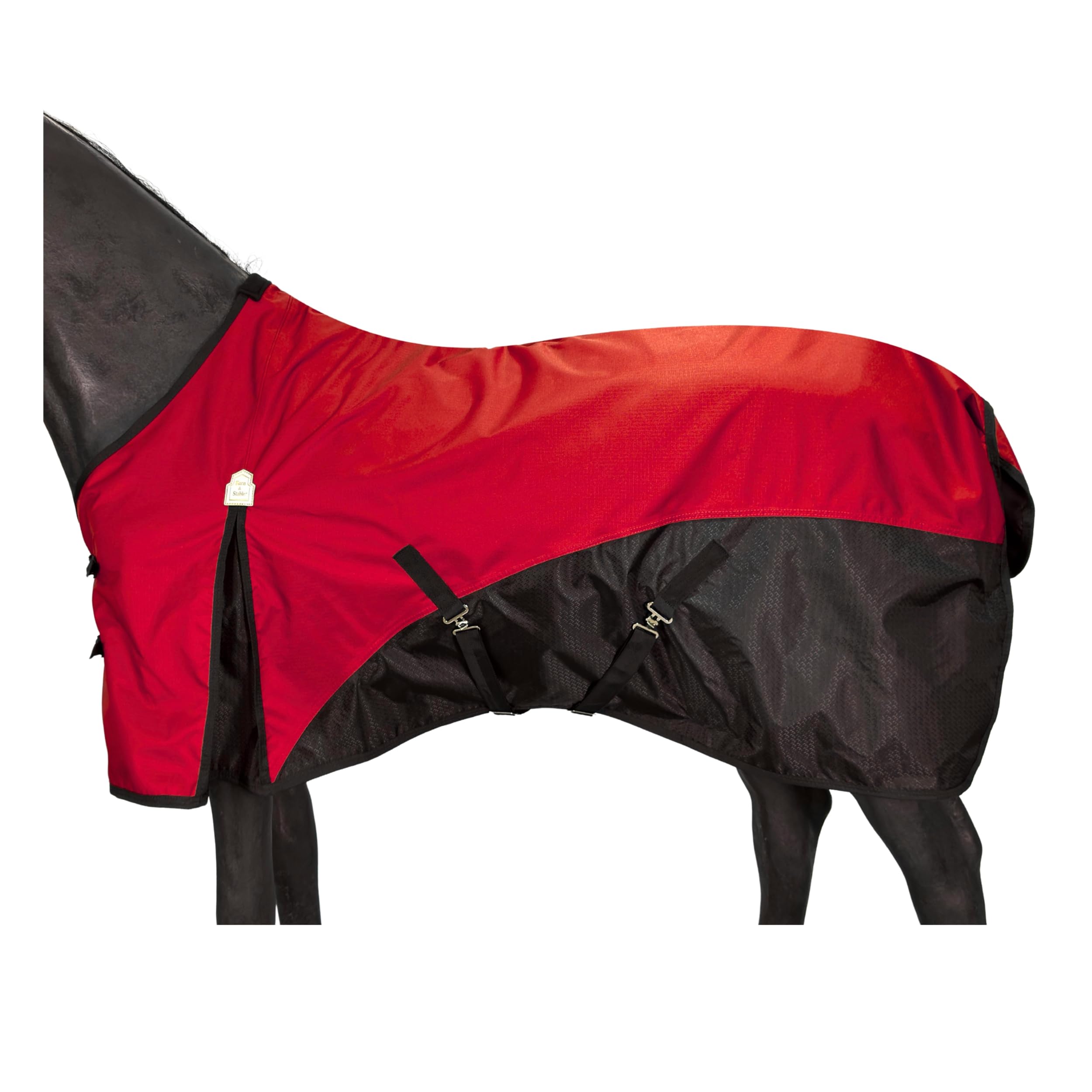
Blankets 101: The Basics
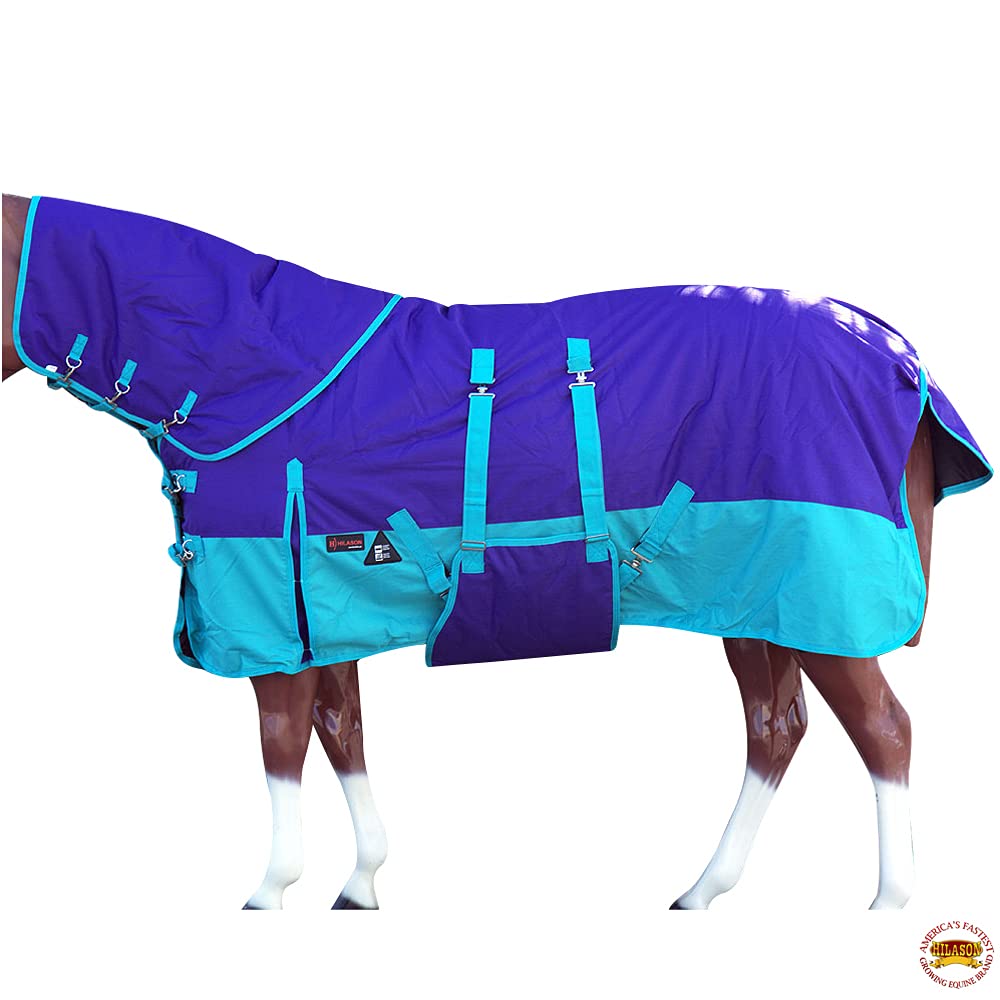
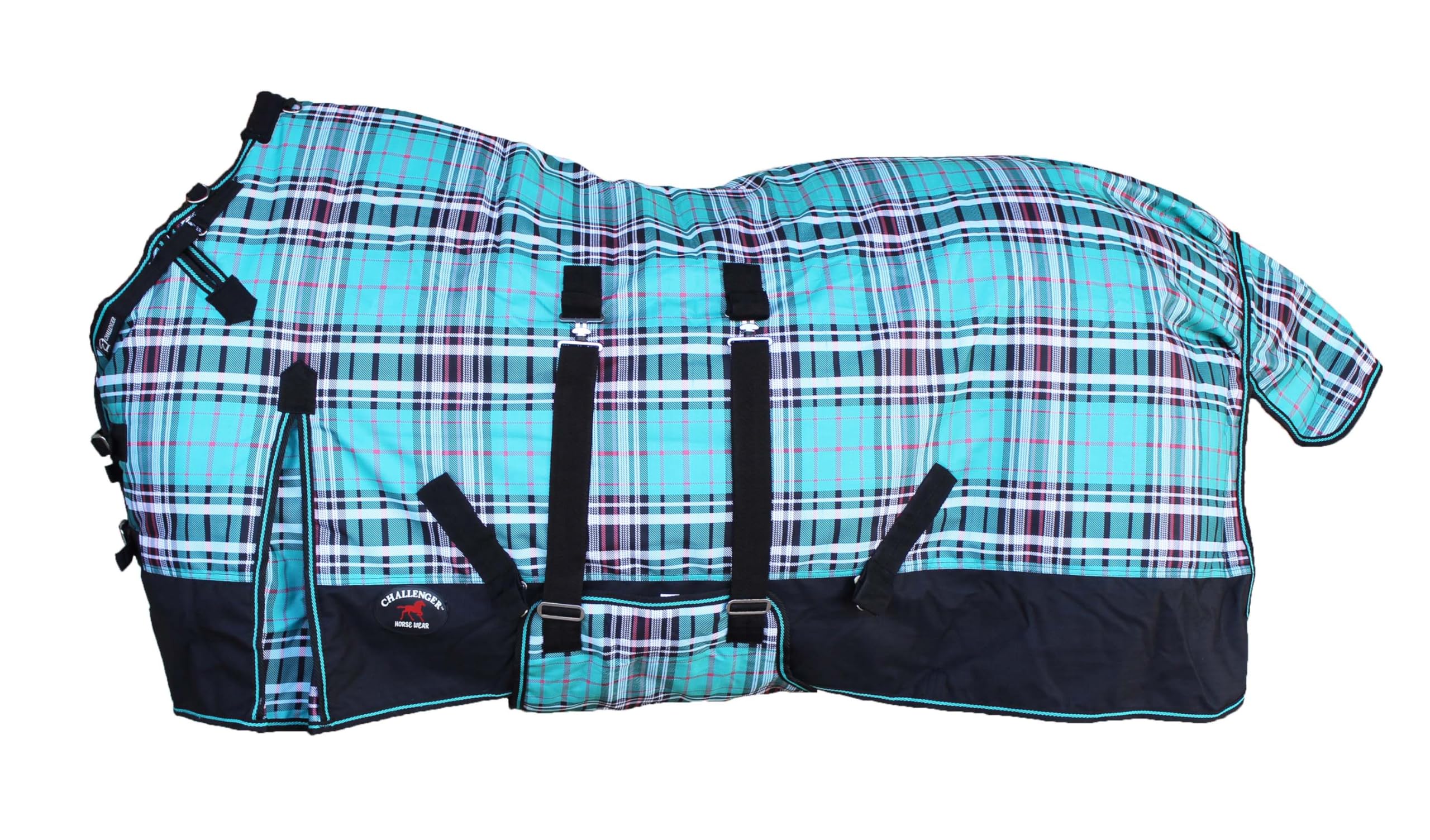
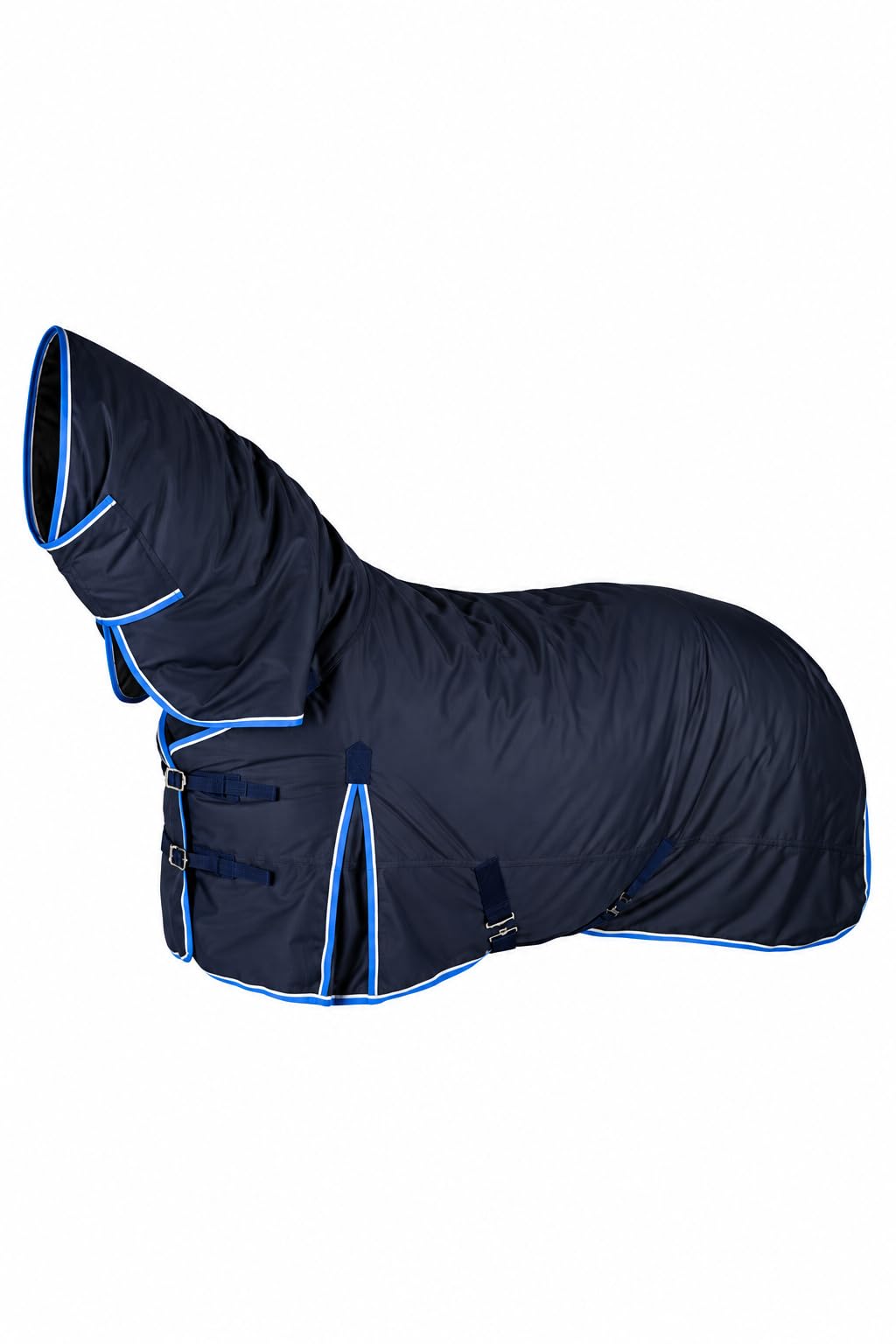
A horse blanket is a shaped cover that protects a horse from cold, wind, and rain, or simply keeps a clipped coat clean. A turnout blanket is built for outdoor wear with a waterproof outer shell. A stable blanket is a warm, non waterproof layer for indoor use. A sheet is an unfilled cover for mild weather, fly protection, or keeping a groomed coat clean before a show.
Blankets are sized by the length of the horse body, measured in inches from the center of the chest around the side to the edge of the tail. Most Quarter Horses land between 72 and 80 inches, but you must measure your own horse rather than guessing from height, because two horses of the same height can differ by two sizes.
A simple temperature habit helps first time owners: feel the base of the ear or slide a hand under the blanket at the shoulder. A horse that feels warm and dry is fine, while a sweaty chest means the blanket is too heavy and a cold ear in harsh wind may mean adding a layer. Weather, clipping, age, and body condition all shift the answer, so treat any temperature chart as a starting point rather than a rule.
Key Specs Explained in Plain English
Features That Matter for Quarter Horses
The Quarter Horse shape asks for specific design details. Look for shoulder gussets, which are pleats at the shoulder that let a wide horse move and graze without the fabric pulling across the chest. A slightly higher neckline or a shaped wither area reduces pressure on the withers, and adjustable front closures let you fine tune fit on a deep chest. Longer drop, meaning the fabric hangs lower on the barrel, suits the rounder Quarter Horse midsection.
Outer Shell and Fill Weight
Two numbers define a turnout blanket. Denier describes the toughness of the outer fabric: around 600 denier suits calm horses in safe paddocks, 1200 denier handles playful herd mates and brush, and higher counts add tear resistance for rough turnout. Fill weight, listed in grams, describes warmth: 0 grams is a rain sheet, about 100 to 200 grams suits cool fall weather, and about 250 to 350 grams suits cold winter for most clipped or thin coated horses.
For a broader look at shell fabrics and closure styles across breeds, see our guide to the best horse blankets, which explains the shared construction terms in more depth.
Fit, Rubbing, and Shifting
A blanket that fits stays centered and leaves the shoulder free. Warning signs are rub marks on the shoulders or withers, a blanket that twists to one side overnight, and straps that hang loose enough to catch a leg. Cross surcingles should fit about a flat hand width of space under the belly. Leg straps, when present, loop through each other to stay centered. Recheck fit after the first week, since new fabric settles and a growing or muscling horse changes shape.
Durability and Care
Turnout blankets last longer when you rinse mud off, hang them to dry fully before storage, and reproof the waterproof coating as the maker directs. Check stitching at the straps each month, because a failed strap in turnout is a safety issue, not just a repair. Store clean blankets in a dry, rodent proof place over summer. A simple repair kit with fabric patches and spare buckles saves a blanket that would otherwise be retired mid season.
If your winters are harsh, our guide to the best winter horse blankets compares heavy fill options and neck cover styles for deep cold.
Hardware and Safety Checks
Blankets for horses do not carry bedding certifications like CertiPUR US or OEKO TEX, so judge safety by hardware and design instead. Buckles should close smoothly without sharp edges, quick release front closures help if a blanket snags, and reflective strips add visibility for evening checks. Avoid any blanket with cracked plastic hardware or torn straps, and never leave a halter on under a blanket in turnout unless your barn routine specifically manages that risk.
Rookie Mistakes to Avoid
- Guessing the size. Measuring takes two minutes with a soft tape and prevents rubs, returns, and a blanket that slips sideways.
- Buying the warmest fill first. An overheated horse sweats under a heavy blanket, then chills when the sweat cools. Start with a medium weight and layer a liner if needed.
- Ignoring the herd. A gentle blanket works for a solo paddock, but playful herd mates bite and pull, so choose a tougher denier for group turnout.
- Blanketing a wet or dirty horse. Trapped moisture and grit cause rubs and skin irritation, so dry and brush the coat first.
- Forgetting a spare plan. A soaked or torn blanket in January leaves you stuck, so keep an older blanket as backup.
Getting Started: Setup and First Use
Introduce the blanket in the stall where you can watch your horse react. Let the horse sniff it, lay it on gently, and fasten straps in this order: chest, belly surcingles, then leg straps. Lead the horse a few steps and watch the shoulder move freely. Check again after an hour of wear, then daily for the first week, looking for rubs, sweat patches, or shifted fabric.
For rain protection on wet days, compare waterproof shells in our guide to the best waterproof horse blankets before you rely on a blanket through a storm season. And if your horse lives out full time, our guide to the best turnout blankets for horses covers liners and layering systems built for that routine. When an older blanket starts leaking, our guide to the best waterproofing for horse blankets explains how reproofing sprays and washes restore the finish.
FAQs
What features matter most in blankets for quarter horses?
Shoulder gussets, an adjustable front closure, and the correct measured size matter most, because the Quarter Horse chest and barrel are wider than average. Add a denier that matches your turnout group and a fill weight that matches your climate. A blanket with all three fit features in a medium fill will serve most owners better than a premium heavy blanket that pulls at the shoulders.
How often should I replace my blanket?
Replace a turnout blanket when the shell tears beyond patching, the waterproof finish fails even after reproofing, or straps and buckles crack. With normal seasonal use and dry storage, a quality turnout often lasts three to five seasons. Inspect at the start of every winter rather than by age alone, since a stored blanket can suffer rodent or mildew damage that only shows on close inspection.
How do I wash blankets safely?
Brush off dried mud, fasten all straps so hooks do not snag the lining, and wash in a large capacity machine or at a blanket laundry service using a detergent made for waterproof fabrics. Skip regular detergent on turnouts, since residues can damage the waterproof coating. Air dry fully before storage, and reproof the shell if water stops beading on the surface after washing.
Are cooling blankets worth it for hot sleepers?
For horses, the equivalent is a breathable fly sheet or a light mesh cover, and yes, it is worth it in hot, buggy weather because it blocks biting flies while letting heat escape. A horse that sweats under a summer sheet needs less coverage, not more. Never use a winter or waterproof blanket in warm weather to solve a fly problem, since trapped heat stresses the horse quickly.
Final Thoughts
Start with three decisions: measure your horse honestly, match fill weight to your real climate, and choose gussets and closures that suit a broad Quarter Horse front end. Those choices matter more than brand or color. When you are ready, compare the best blankets for quarter horses in the product table above, and if your horse runs cold, sick, or is elderly, ask your veterinarian how much cover they advise for your horse as an individual.