Best Blankets for Pet Hair 2026 Easy Cleaning Guide
Disclosure: We may earn a commission when you buy through links on this page, at no extra cost to you. As an Amazon Associate I earn from qualifying purchases. Learn more

A plain guide to blankets for pet hair: tight weaves, easy cleaning, colour choices, and furniture protection, so pet hair stops taking over your home.
Pet hair gets everywhere, but the right blanket can keep it contained, and best blankets for pet hair are the ones that shed hair easily in the wash instead of trapping it forever. A tight weave, a smooth surface, and a color that matches your pet make daily life noticeably easier, while a fluffy, loose weave becomes a hair magnet that never looks clean. The comparison table below shows the main blanket types side by side, so you can compare weaves, washing, and durability before you buy.
This guide explains which fabrics release pet hair best, how to protect sofas and beds, and what washing routines actually work. It also covers color and pattern choices that hide hair between washes, and how to keep a pet blanket from becoming a second full time job. By the end you should know which blanket will save you time rather than add to it.





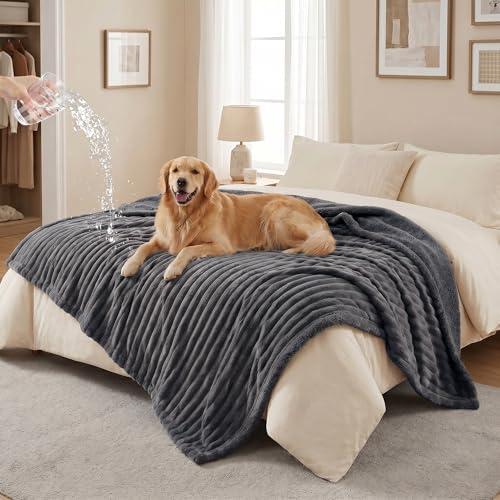

Weaves That Release Hair Instead of Trapping It
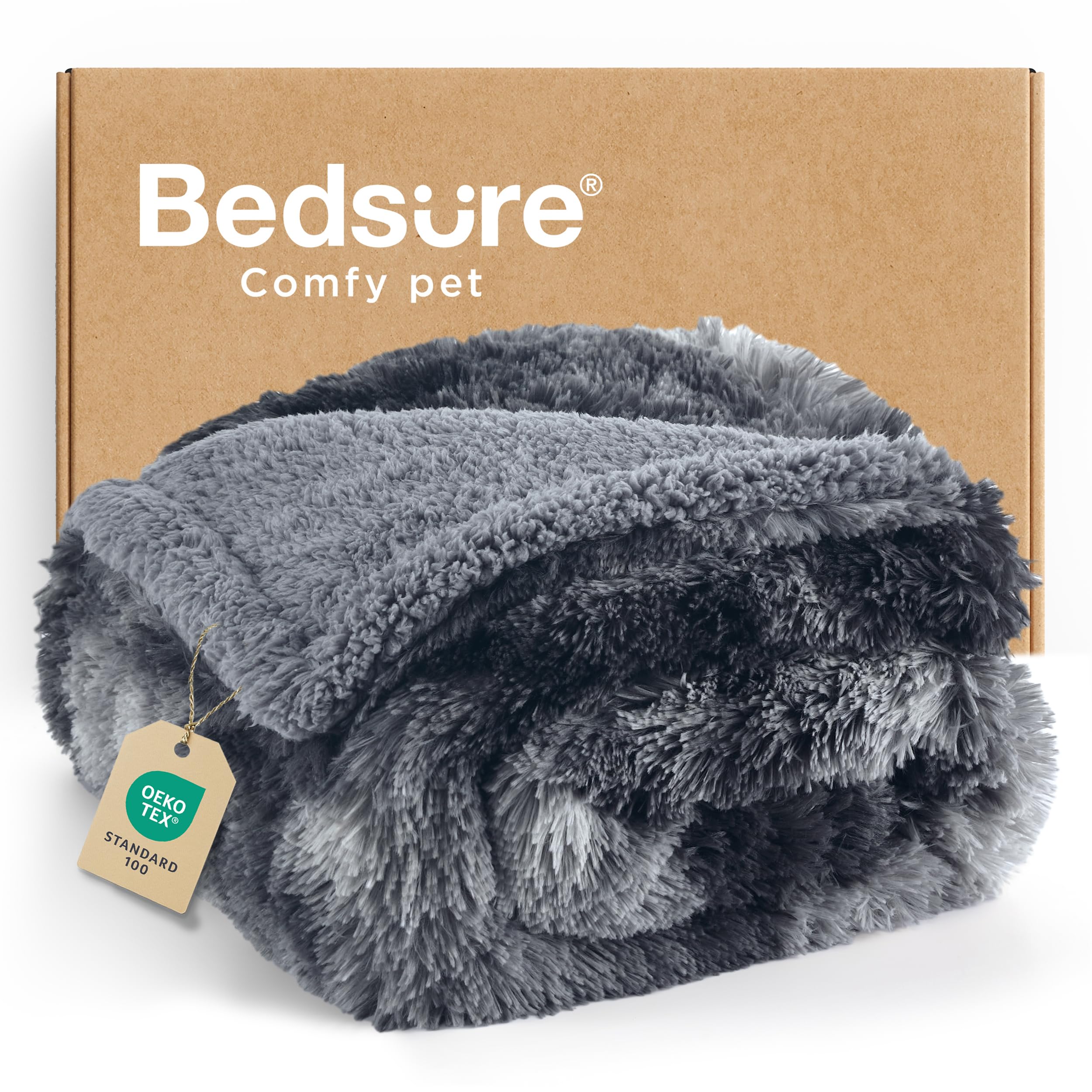
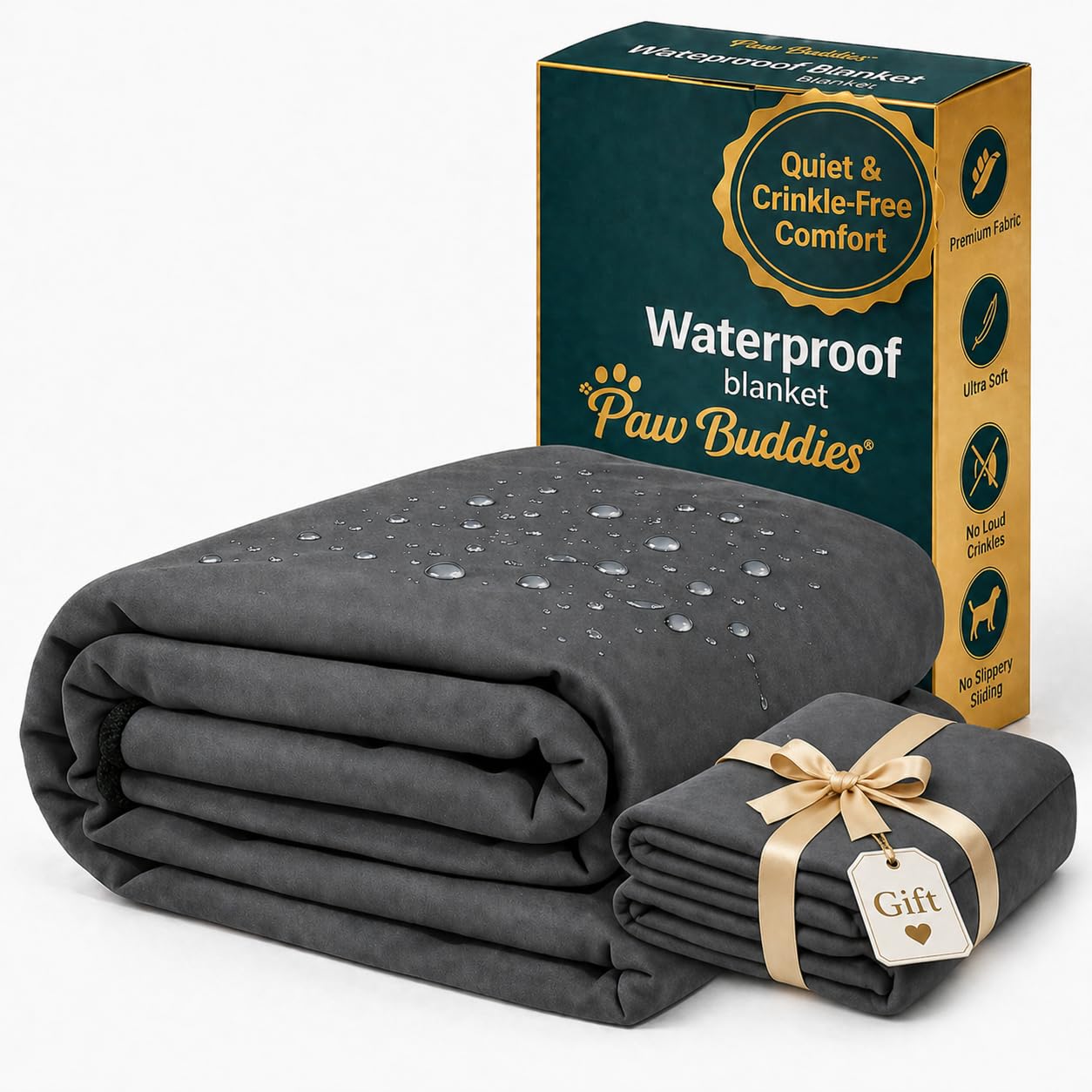
Tight, smooth weaves release pet hair far better than loose, fluffy, or high pile fabrics. Microfiber with a tight weave, smooth cotton, and tightly woven fleece all let hair sit on the surface where a shake or a lint roller removes it, rather than working hair deep into the fibers. Loose knits, chenille, and shaggy textures look cozy but trap hair in every loop and gap, making cleaning a long chore.
Test a blanket by rubbing pet hair across it in the shop if you can, or check reviews that mention hair release specifically. A blanket that looks clean after a shake is worth more than a beautiful blanket that needs an hour of picking. Smooth surfaces also dry faster and pill less, which keeps the blanket looking good after many washes.
Protecting Sofas, Beds, and Car Seats
A pet blanket works best as a sacrificial layer: put it where your pet actually lies, and let it take the hair, drool, and mud instead of your sofa or bedding. Choose a size that covers the favorite spot fully, with enough drape to stay in place when the pet moves. For sofas, a larger throw that tucks into cushions stays put better than a small blanket that slides off.
For beds, a washable cover over the duvet protects the bedding underneath and is far easier to wash than a full duvet. In cars, a dedicated blanket or seat cover protects upholstery and can be shaken out at the destination. Keep a spare blanket ready, so one can be in the wash while the other protects the furniture.
Colour and Pattern Choices That Hide Hair
Matching the blanket color to your pet fur color is the simplest trick in this guide: a light blanket for a white dog, a dark blanket for a black cat, and a mid tone for mixed coats. Patterns also hide hair between washes better than solid colors, since a busy print breaks up the outline of stray hairs. Solid white shows every dark hair, and solid black shows every light hair, so both need washing more often to look clean.
This does not mean you must live with a blanket that matches your pet exactly, but choosing a forgiving color reduces how often you feel the need to wash. If your home style demands a light sofa, a patterned throw in a mid tone can still look smart while hiding hair far better than a plain white cover.
Washing Routines That Actually Remove Hair
Shake the blanket outdoors before washing to remove loose hair, and run a lint roller over it if time allows. Wash on a normal cycle with your usual detergent, and add a dryer sheet or a reusable dryer ball if your machine allows, since the dryer removes much of the remaining hair into the lint trap. Clean the lint trap after every load, since pet hair fills it fast and reduces drying efficiency.
Check the washing machine filter regularly too, since pet hair can collect there and affect performance. Avoid overloading the machine, since a crammed blanket cannot move freely and hair stays trapped in folds. A second rinse helps when a blanket comes out still hairy, and line drying outdoors lets wind shake out more hair before the blanket comes back inside.
Durability, Chewing, and Claws
Pet blankets take abuse: claws catch loops, puppies chew corners, and repeated washing wears fibers. Choose a blanket with a tight weave and no loose loops, since loops snag on claws and unravel fast. Reinforced edges and simple hems last longer than fringed or tasseled edges, which pets love to chew and pull.
If your pet chews blankets, avoid blankets with small parts, buttons, or sewn on decorations that could detach and be swallowed. Supervise new blankets at first, and remove any blanket that starts to fray badly, since loose threads can tangle around paws or be eaten. A cheap, durable blanket replaced yearly often beats an expensive one destroyed in a month.
Allergies, Smell, and Freshness
Pet blankets pick up dander and smell faster than regular bedding, so wash them weekly in busy homes, or more often if anyone has allergies. A fragrance free detergent suits sensitive noses, both human and animal, and avoids irritating pet skin. Dry blankets fully before use, since damp blankets smell quickly and encourage mold.
If anyone in the home has asthma or allergies, wash pet bedding in hot water when the fabric allows, and vacuum the room regularly to reduce dander. Keep pet blankets out of the bedroom if allergies are severe, and give pets a dedicated sleeping spot with their own washable blanket. Fresh bedding helps everyone breathe easier, pets included.
Keeping a Pet Blanket System Tidy
A pet blanket system works best when it has a routine: one blanket on the furniture, one in the wash, and one spare in the cupboard, so protection never lapses on laundry day. Shake the in use blanket outdoors daily, wash it weekly, and rotate the spare in so wear spreads evenly across all three. This rotation also means a stained or damaged blanket can retire without leaving the sofa unprotected.
Keep a lint roller by the sofa and one in the car, since quick daily rolling prevents hair building up into a layer that needs a full wash to shift. Teach family members where pet blankets live and which blanket belongs where, since a system only works if everyone uses it. A tidy blanket routine takes minutes a day and saves hours of deep cleaning later.
Related Buying Guides
For the closest matches, see best throw blankets for pet hair and best pet blankets, plus the dog specific notes in best blankets for dog hair. Together they cover throws, dedicated pet beds, and dog heavy homes.
Frequently Asked Questions
What fabric is best for pet hair blankets?
Tight, smooth weaves release pet hair best, including tightly woven microfiber, smooth cotton, and tightly woven fleece. Hair sits on the surface where a shake or lint roller removes it, rather than working deep into fibers. Loose knits, chenille, and shaggy textures trap hair in every loop and gap, making cleaning a long chore despite looking cozy.
How do I wash a blanket covered in pet hair?
Shake the blanket outdoors before washing, then wash on a normal cycle and dry with a dryer ball if your machine allows, since the dryer removes much of the remaining hair into the lint trap. Clean the lint trap after every load and check the washing machine filter regularly. Avoid overloading, since a crammed blanket cannot move freely and hair stays trapped in folds.
What color blanket hides pet hair best?
Match the blanket color to your pet fur color: light for white pets, dark for black pets, and mid tones for mixed coats. Patterns hide hair between washes better than solid colors, since a busy print breaks up stray hairs. Solid white shows every dark hair and solid black shows every light hair, so both need washing more often to look clean.
How often should I wash a pet blanket?
Wash weekly in busy homes, or more often if anyone has allergies, since pet blankets pick up dander and smell faster than regular bedding. Use a fragrance free detergent for sensitive noses, and dry blankets fully before use, since damp blankets smell quickly. Keep a spare blanket ready so one can be in the wash while the other protects furniture.
Will a pet blanket protect my sofa from claws?
A blanket protects against hair, drool, and dirt, but claws can still catch loops and snag fabric, especially on loose weaves. Choose a tight weave with no loose loops and reinforced edges, and avoid fringed or tasseled edges that pets chew. For serious scratching, a dedicated furniture protector with a tougher weave suits better than a soft throw.
Final Thoughts
The best blankets for pet hair are tight, smooth, washable, and matched to your pet color, in that order. The product table above gives a quick comparison, but weave and washing routine matter more than brand or price. Use the blanket as a sacrificial layer where your pet actually lies, shake it out before washing, and keep a spare ready. A good pet blanket does not stop shedding, but it does stop shedding from taking over your home.