Best Blankets for Kittens: Matching the Right Model to Your Routine for 2026
Disclosure: We may earn a commission when you buy through links on this page, at no extra cost to you. As an Amazon Associate I earn from qualifying purchases. Learn more
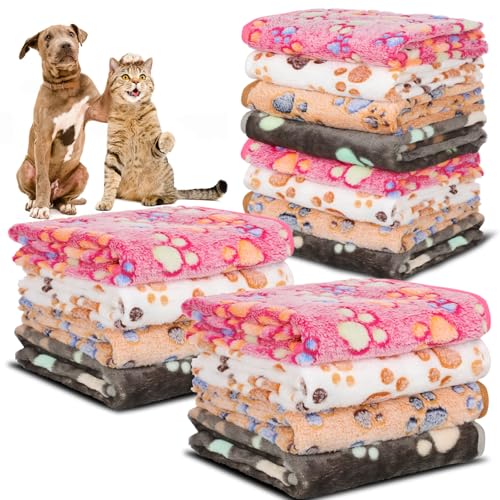
Not all blankets fit every routine. See which best blankets for kittens match how you actually use them, what features to prioritize, and what to skip.
A blanket for a kitten is not just a smaller version of a blanket for your bed. Kittens knead, chew, hide, and sleep for long stretches, and a fabric that suits a grown cat or a person can shed loops that catch tiny claws. Choosing the best blankets for kittens starts with your routine, whether the blanket will line a carrier, warm a nap spot, or rotate through constant laundry.
This guide matches blanket types to real routines first, then explains the safety and care details that matter most in the first months of life. Use the comparison table below to compare sizes and fabrics, and keep a spare in mind from the start. With kittens, the best blanket is often the clean one that is ready when the other is in the wash.



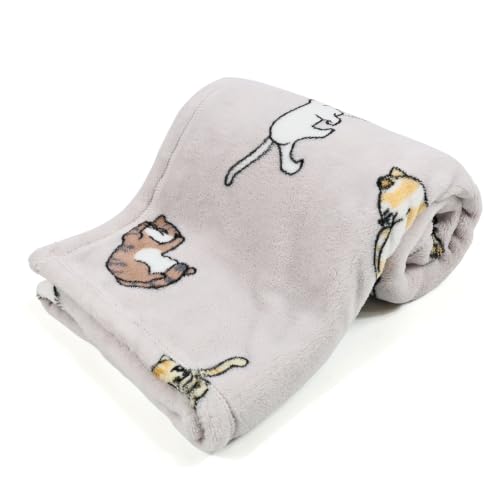
Who Should Buy Which Blankets?
For Value Seekers
Value seekers should buy simple fleece or cotton blankets in packs or in low cost singles, because kittens are hard on bedding. You will wash these pieces often, sometimes daily after accidents, so easy replacement matters more than luxury feel. Look for tight surfaces with no loose loops and edges that stay stitched after repeated washing. A modest blanket that survives the washer and dryer without falling apart is better value than a delicate piece you are afraid to clean. Keep at least two in rotation so a clean, dry option is always ready.
For People Who Want the Best Performance
Performance for a kitten blanket means warmth without bulk, fast drying, and a surface that releases hair in the wash. Smooth fleece and tightly woven cotton blends do this well and stay comfortable against small bodies. Faster drying matters after accidents and during illness, when bedding changes cannot wait for a long air dry. Paying more can buy stronger stitching and fabric that stays soft instead of rough after many cycles. What it should not buy is heavy weight, deep plush that traps debris, or fringe and tassels a kitten can chew and swallow.
For Gift Shoppers
A kitten blanket is a kind gift for a new pet owner or a local shelter, where clean bedding is always in demand. Choose a neutral, washable blanket in a modest size that fits a carrier or a small bed, and include a second one if you can. Avoid scented products and avoid blankets with buttons, ribbons, or loose decoration. If you are unsure about the home, plain and practical beats themed and fancy. Our guide to the best throws and blankets can help for the human side of the household, but keep the kitten gift itself simple and safe.
Key Features to Compare
Support, Pressure Relief, and Edge Support
For a kitten, support simply means soft padding between a small body and a hard floor or carrier base. A medium thickness blanket folded once gives gentle cushioning for hips and elbows without sinking the kitten into deep folds. Very thick, lofty piles can trap a tiny kitten or hide it from view, which is a real concern in the first weeks. Edges should be low and simple, with no high bolster and no stiff rim that a small kitten must climb over to leave the bed. Flat and soft beats sculpted at this age.
Motion Isolation and Noise
Quiet fabric helps a nervous kitten settle. Fleece and cotton rest silently when a kitten turns, digs, or kneads, while crinkly or coated fabrics can startle a light sleeper each time it moves. In a carrier, a quiet blanket also keeps travel less stressful, because the bedding itself adds no extra sound to car noise. Place the blanket where it will stay still, since a slippery surface over a smooth floor can bunch up. A folded layer that grips the bed or carrier base gives the kitten a stable place to curl up.
Durability and Care
Washability is the top durability test for kitten bedding. Choose blankets that can go in the washer and dryer at home, and check that the seller states this clearly. Kittens bring litter, food, hair, and accidents to every surface, so a blanket that needs delicate handling will fall behind your routine fast. Strong edge stitching matters because kneading claws pull at seams daily. For general signs of sound construction, our guide to the best quality blankets explains what holds up over time, and the same stitching and fabric logic applies at this smaller scale.
Features That Matter for Kittens
Safety details set kitten blankets apart. Choose a tight weave or short fleece surface with no long loops, fringe, or loose yarn that claws can snag and mouths can pull free. Size should suit the space, big enough to fold for padding but not so large that deep folds can cover a sleeping kitten. Supervision matters with any soft bedding for very young kittens. Check the bed often, remove a blanket that is badly chewed, and never use a weighted blanket for a kitten. If a kitten is orphaned, ill, or under about four weeks old, ask a veterinarian or an experienced rescue about warmth and bedding, because very young kittens cannot control their body temperature well and a blanket alone may not be enough.
Material and Fill
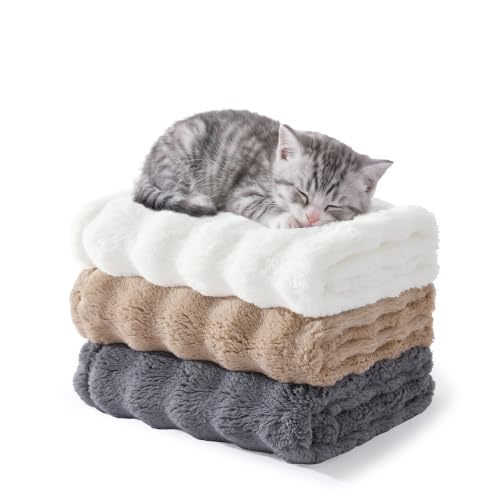
Short pile fleece is warm, light, and easy to wash, which is why it appears in so many kitten beds. Cotton feels breathable and familiar, washes well, and suits warmer rooms, though it dries more slowly than fleece. Avoid open knit blankets with large holes for tiny kittens, since a head or paw can push through a gap. Fill is rarely needed. A flat blanket folds to the thickness you want, while a filled piece is harder to wash and dry fully. Whatever you choose, wash it before first use with a mild, unscented detergent and rinse it well.
Heat needs special care. A heated product should only be used when a person is present, on its lowest setting, with room for the kitten to move away from the warmth. Never leave a kitten alone on a heated blanket, and keep cords out of reach. If you are comparing those products for supervised use elsewhere in your home, our guide to the best heated blanket explains the controls and safety points to check.
Common Mistakes to Avoid When Buying Blankets
- Choosing loose knit or fringe. Loops and tassels snag claws and can be chewed off and swallowed, so a tight, plain surface is safer.
- Buying only one blanket. Accidents and laundry mean a single blanket will be wet or dirty exactly when the kitten needs a clean bed.
- Going too big and too plush. Deep folds and heavy piles can cover a tiny kitten and make it hard for you to see where it is sleeping.
- Using scented bedding. Strong laundry scents can bother a kitten and may put it off the bed, so mild and unscented cleaning is the safer habit.
- Skipping the wash check. If you cannot machine wash and fully dry it at home, it does not fit a kitten routine, whatever the label promises.
Setup and Care Tips
Wash and dry the blanket before first use, fold it once for light padding, and place it in a draft free spot the kitten already likes. Show the kitten the bed when it is sleepy rather than forcing it in while it wants to play. Keep two or three blankets in rotation, wash soiled pieces promptly, and dry them fully before reuse, because damp bedding chills small bodies fast. Check seams and surfaces weekly. A blanket with holes, loose threads, or a chewed edge should leave the bed that day, not after one more wash.
FAQs
What features matter most in blankets for kittens?
A tight washable surface, modest size, and simple edges matter most. Short fleece and tightly woven cotton give warmth without loose loops that catch claws. Buy at least two so one is always clean. An extra point many owners miss is visibility. A light colored blanket makes it easier to spot accidents, parasites, or discharge that tell you a vet visit may be needed.
Are cooling blankets worth it for hot sleepers?
For kittens, cooling blankets are usually the wrong goal. Kittens, especially young ones, lose heat quickly and seek warmth, so a cooling surface can leave them restless or chilled. In a warm room, a plain cotton blanket in a shaded, airy spot is enough. If a kitten pants, avoids all bedding, or seems unwell in the heat, move it to a cooler room and call a veterinarian, since heat distress in a small animal needs prompt attention.
How do I wash blankets safely?
Wash kitten blankets often in warm water with a mild unscented detergent, and dry them fully before reuse. Shake hair and litter out outdoors first so your machine stays cleaner. Avoid strong softeners and scent boosters, which leave residue on a surface the kitten will lick and knead. During illness, wash bedding more often and ask your veterinarian whether a pet safe disinfecting step is appropriate for that specific situation at home.
Our Verdict
Keep it simple. A tight, washable, modestly sized blanket, bought in twos or threes, will serve a kitten better than any luxury or novelty piece. Fleece suits cool rooms and fast laundry, cotton suits warm rooms, and both beat loose knits and heavy plush for safety. The product table above helps you compare sizes and fabrics quickly. Chosen with that routine in mind, the best blankets for kittens give a small animal a clean, warm, and calm place to sleep while making your own care routine far easier.