Best Blankets for Hot Summer Nights: Which One Fits the Way You Use It for 2026
Disclosure: We may earn a commission when you buy through links on this page, at no extra cost to you. As an Amazon Associate I earn from qualifying purchases. Learn more

Breathable cotton, linen, and light weaves keep warm bedrooms comfortable. Compare weight, size, and care for hot summer nights.
There is no single blanket that suits every warm bedroom, because air conditioning, humidity, and your own body heat change the answer. That is why choosing the best blankets for hot summer nights starts with how you actually sleep, not with the boldest cooling claim on a label. A light cotton layer that feels perfect in a dry climate can feel clammy where nights stay humid.
This guide sorts buyers by use case first, then explains the fabrics, weights, and sizes that match each case. Use the comparison table below to line up materials and dimensions, then read the sections that fit your routine. By the end you should know what to prioritize, what you can safely skip, and how to avoid paying for features your room will never let you feel.
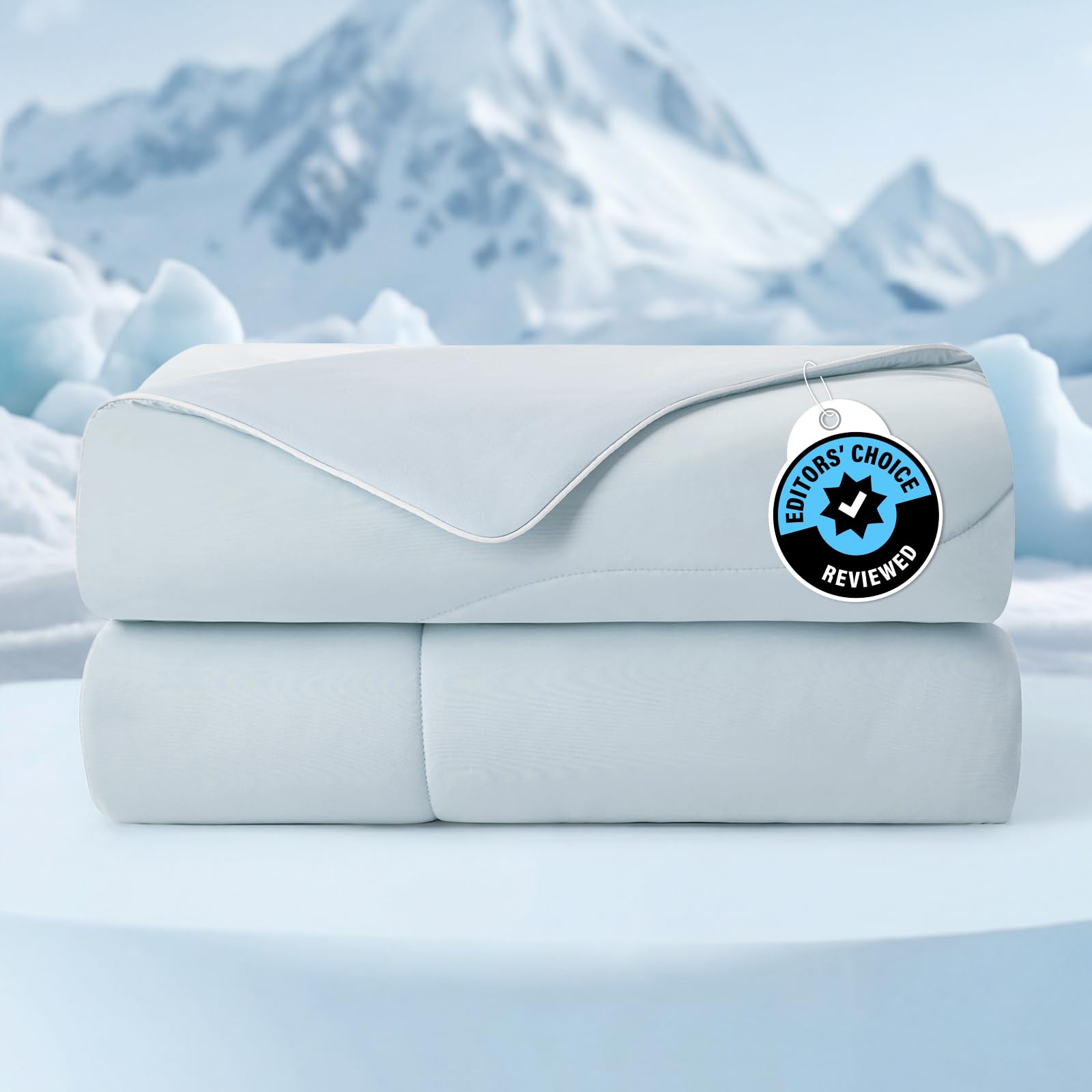


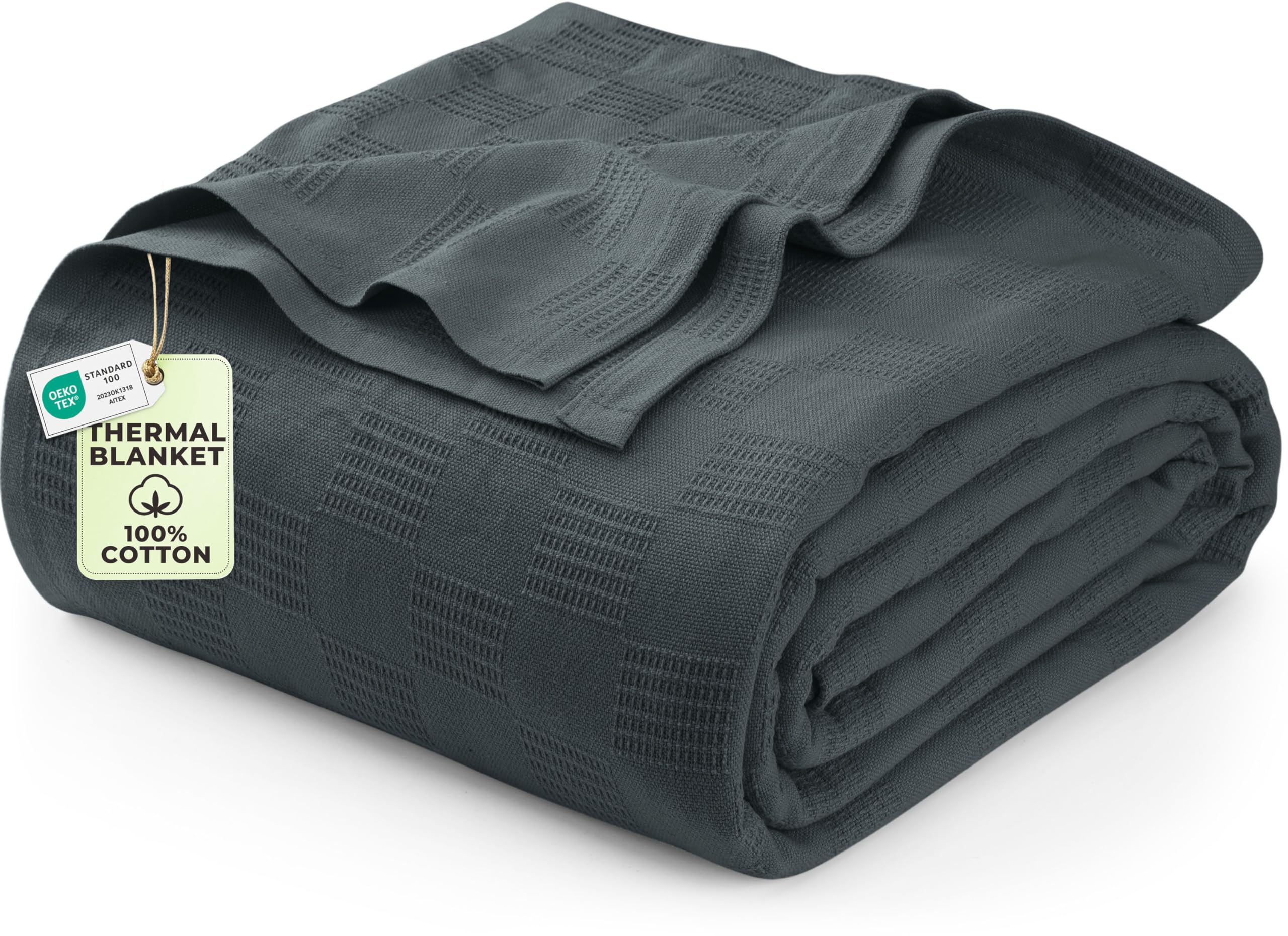
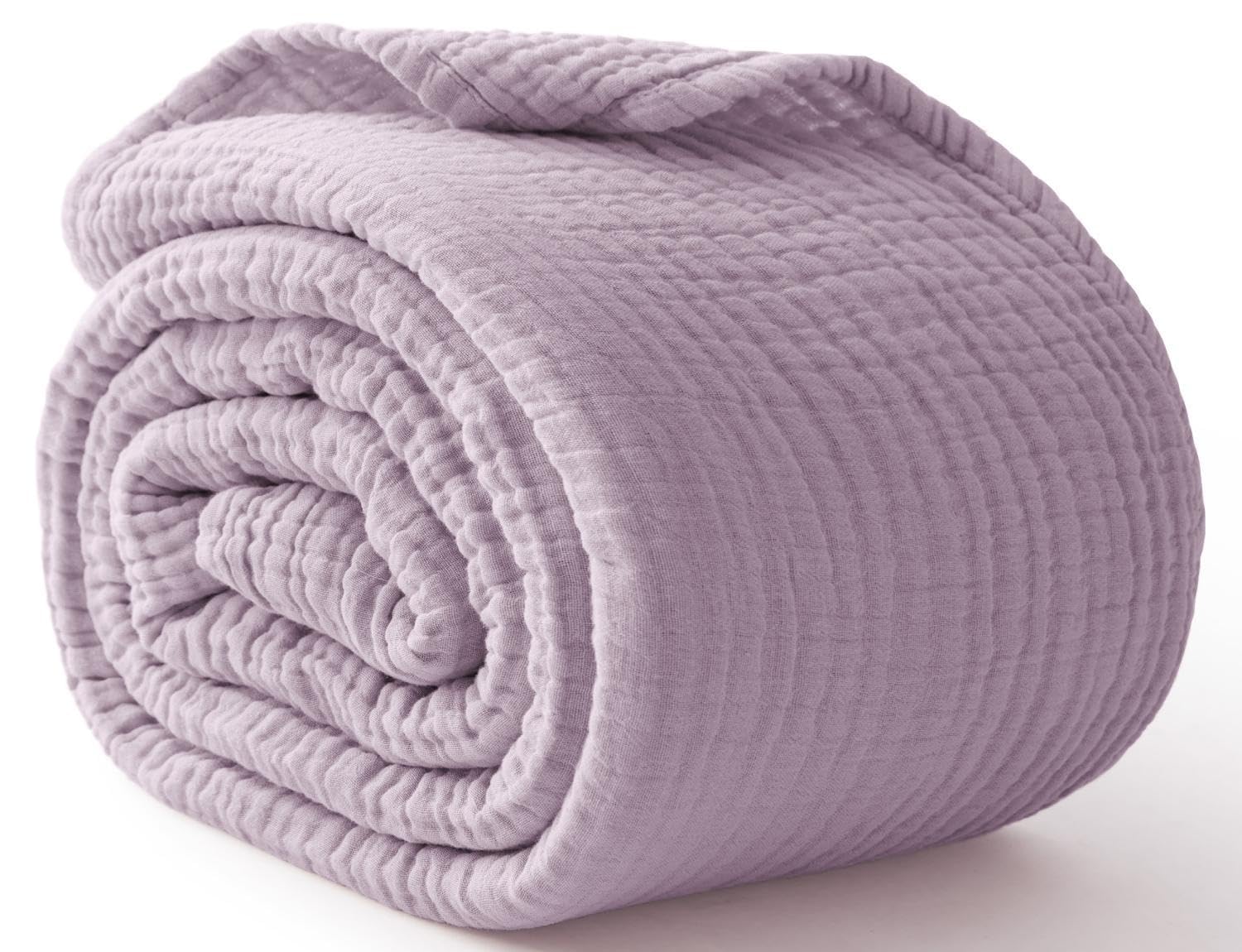
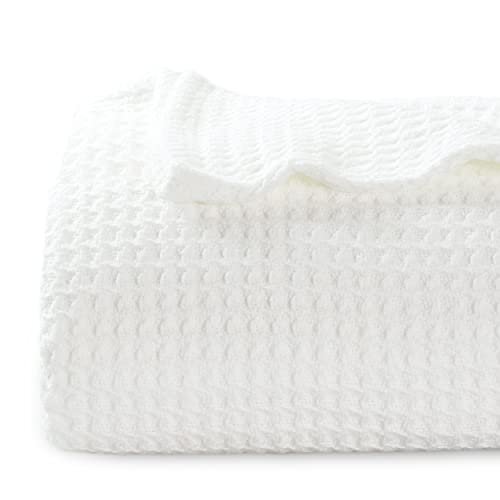

Who Should Buy Which Blankets?
For Value Seekers
Value seekers should look at cotton and simple woven blends first, because they cost less, wash easily, and last through many summers. A plain weave cotton blanket in a light to medium weight covers most warm rooms without special care rules. Avoid paying extra for layered cooling treatments that fade with washing. Your money works harder when it buys even stitching, accurate sizing, and a return window you can actually use if the blanket sleeps warmer than expected.
For Gift Shoppers
A summer blanket makes a good gift when you choose a neutral color, a widely liked fabric, and a size that fits a queen bed. Cotton and linen blends feel safe for most recipients because they breathe and do not look overly technical. Include the care details when you give it, and favor sellers with simple returns in case the weight feels wrong. If you know the person sleeps especially warm, our guide to the best summer blankets for hot sleepers focuses on that narrower problem and can help you choose with more confidence.
For First Time Buyers
First time buyers should keep the decision small. Pick one breathable fabric, one sensible weight, and the correct size for your mattress, then live with it for a week before judging it. Your sheets, pajamas, and room fan all change how warm a blanket feels, so change one thing at a time. A straightforward starting point is the range covered in our guide to the best blankets for summer, which keeps the focus on everyday warm weather use rather than specialty claims.
Key Features to Compare
Size and Fit
Buy for the mattress you own, not for the bed you hope to buy later. A twin blanket on a queen bed leaves gaps that let cool air in at the edges and warm air under your arms in uneven patches, which sounds minor until you wake up at 3 a.m. fixing it. Check the stated inches, allow drape on both sides, and remember that cotton can shrink a little after the first washes. If you share the bed, size up when you are between sizes, because two sleepers need more material than the flat mattress measurement suggests.
Features That Matter for Hot Summer Nights
The features that matter are airflow, moisture handling, and low weight working together. An open or loose weave lets warm air leave the bed instead of building up under a sealed surface. Fabrics that absorb a little moisture, such as cotton and linen, can feel drier than slick synthetic layers on humid nights. Weight is stated in grams per square meter for some fabrics and in plain light, medium, or heavy terms for others, so compare within one product type. Our guide to the best blankets for hot sleepers goes deeper on the body heat side of this same choice.
Material and Fill
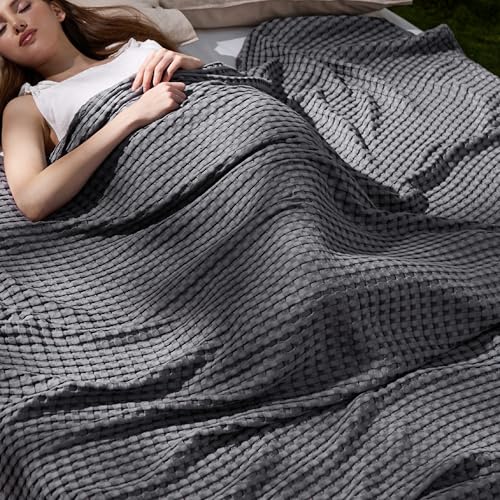
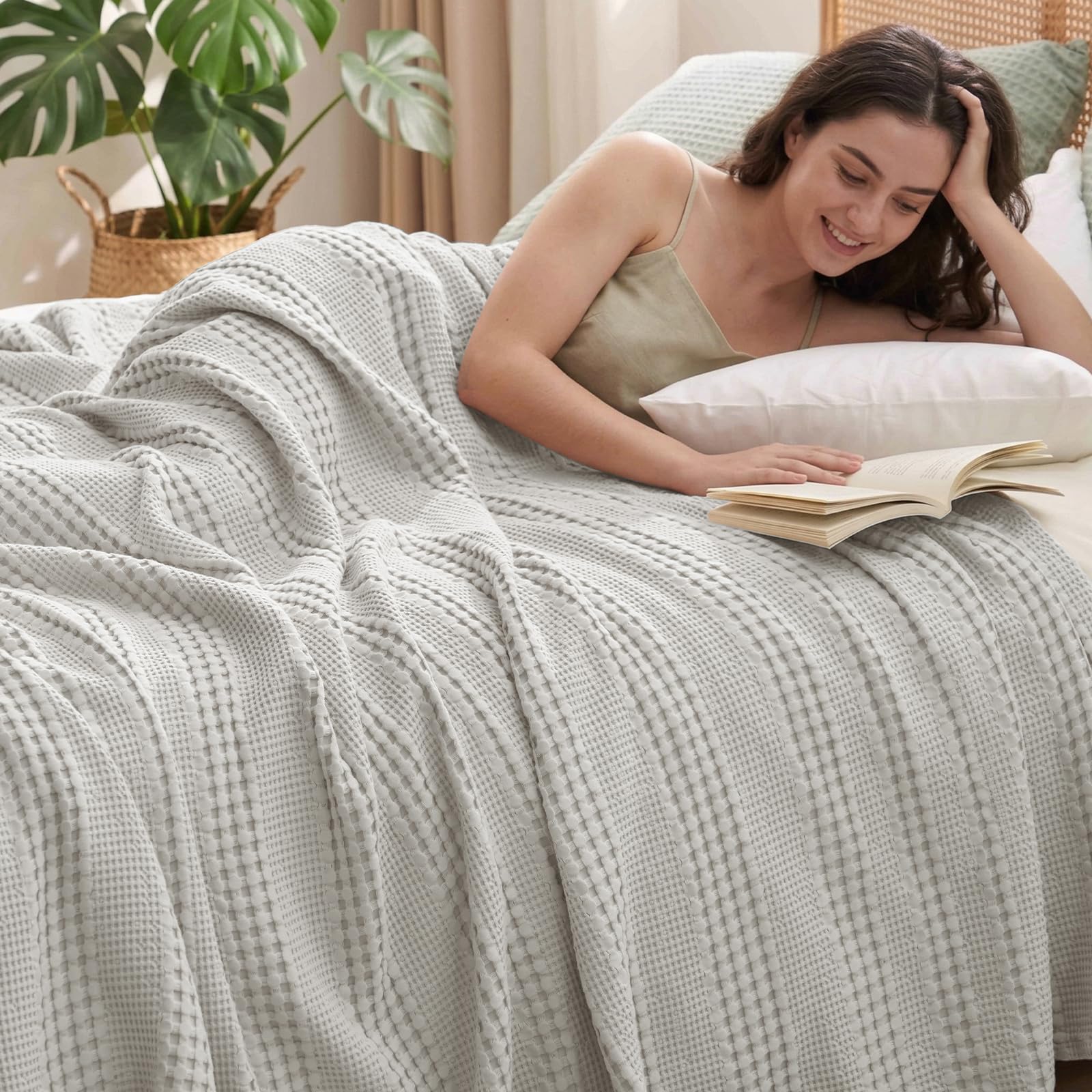
Cotton is the reliable default, with percale weaves feeling crisp and sateen weaves feeling smoother and slightly warmer. Linen is highly breathable, handles moisture well, and gets softer over time, though it costs more and wrinkles. Fabrics made from bamboo plants are usually rayon or viscose, soft and smooth, with care labels that may call for gentler washing. Lightweight microfiber can work in air conditioned rooms but often feels less breathable in humidity. True summer blankets rarely need warm fill at all, so treat down and heavy down alternative layers as cold season options unless the fill amount is very small. For the lightest end of the range, see our guide to the best lightweight summer blankets and note how little material a warm room actually requires.
Common Mistakes to Avoid When Buying Blankets
- Judging by price alone. A cheap blanket with loose stitching can pill and thin within one season, while a modest cotton option can last for years.
- Ignoring size and fit. A blanket that is too small will shift all night, and one that is far too large can drag on the floor and collect dust.
- Buying too much warmth. Shoppers often pick for the coldest night they remember, then spend the whole summer pushing the blanket off the bed.
- Trusting a cooling claim without a fabric name. If a listing will not say what the blanket is made of or how heavy it is, treat the cooling promise as unproven.
- Skipping the warranty and returns. Summer comfort is personal, so clear return terms matter, especially when you cannot feel the fabric before buying.
How to Make Your Blanket Last Longer
Wash your summer blanket as the label directs, and avoid very hot water and harsh cycles that break down light weaves. Wash sheets weekly in warm water when the fabric allows it, since oils and sweat move from sheets into the blanket over time. Use a mattress protector to keep the bed itself cleaner, and store the clean, fully dry blanket in a breathable bag rather than a sealed plastic box. Rotate between two light blankets if you can, because rest days between uses help fibers recover and reduce wear from constant washing.
If night sweats are part of your routine, faster drying matters as much as cooling. Choose a blanket you can wash and dry in a single day, and keep a clean spare ready. Our guide to the best blankets for night sweats covers that laundry and moisture focus in more detail for people who deal with it nightly.
FAQs
What features matter most in blankets for hot summer nights?
Breathable weave, light weight, and good moisture handling matter most. Look for cotton, linen, or similar airy fabrics with an open enough weave to let heat escape. Check the size in inches and the care label before you buy. A useful extra point is drying time, because a blanket that dries quickly is easier to keep fresh through humid weeks when laundry piles up fast.
How do I wash blankets safely?
Follow the label, wash in a machine with enough room for the blanket to move, and use a gentle cycle for light weaves. Avoid loading the drum tightly, because a packed wash cleans poorly and stresses seams. Dry the blanket fully before you fold or store it. If the fabric is linen or a bamboo derived blend, expect gentler rules than plain cotton, and follow them even when you are in a hurry.
How often should I replace my blanket?
Replace it when it stays thin, pills heavily, or no longer washes fresh and clean. A well kept cotton or linen blanket can serve for many summers, while a heavily used light synthetic may fade sooner. Hold the fabric up to light and look for worn patches. If the blanket has started to feel uneven, with warm and thin spots, a replacement will sleep better than another season of adjusting it.
Are cooling blankets worth it for hot sleepers?
They can be worth it when the design uses breathable fabric and low weight rather than a brief cold touch effect. A surface that feels cool for a few minutes will warm to body temperature unless heat can keep escaping through the weave. Set expectations by your room first. In a very warm room without airflow, even a good blanket has limits, and a fan or cooler room setting may change your sleep more than any fabric.
Our Verdict
Start with fabric, weight, and size, in that order, and let your room and your own heat level make the final call. Cotton suits most buyers, linen rewards those who can pay more, and very light layers beat bold cooling claims. The product table above gathers the key facts so you can compare quickly. Picked with those basics in mind, the best blankets for hot summer nights will feel like simple cover on the first night and still feel right in the last hot week of the season.