Best Blankets for Night Sweats 2026: Buying Guide
Disclosure: We may earn a commission when you buy through links on this page, at no extra cost to you. As an Amazon Associate I earn from qualifying purchases. Learn more

A blanket for night sweats should breathe, wick moisture, and stay light. Compare bamboo, cotton, and Tencel options and learn when to seek care.
Waking up soaked and tangled in damp covers turns bedding into a sleep issue, not just a comfort preference. The best blankets for night sweats breathe, move moisture away from the skin, and stay light enough that you do not overheat, while still giving the feeling of cover.
The product table above gives a quick overview of the main types. This guide explains which fabrics stay cooler, what to compare, and how to keep bedding fresh when you wash it often.





Who Should Buy Blankets for Night Sweats
These blankets suit hot sleepers, people in warm climates, and anyone who wakes damp during the night, especially if you kick off heavy bedding halfway through. If you also feel cold easily, a light blanket plus a separate layer you can add works better than one very light blanket alone.
Types Compared
Most buyers choose from a small number of fabric types, each with clear strengths and limits.
| Type | Best For | Strength | Watch Out For |
|---|---|---|---|
| Bamboo blankets | Hot sleepers | Breathable and moisture wicking | Needs gentle washing |
| Cotton percale blankets | Everyday cool sleep | Crisp, breathable, and easy to wash | Less insulating in cold rooms |
| Tencel blankets | Sensitive skin | Smooth, breathable, and moisture managing | Higher price |
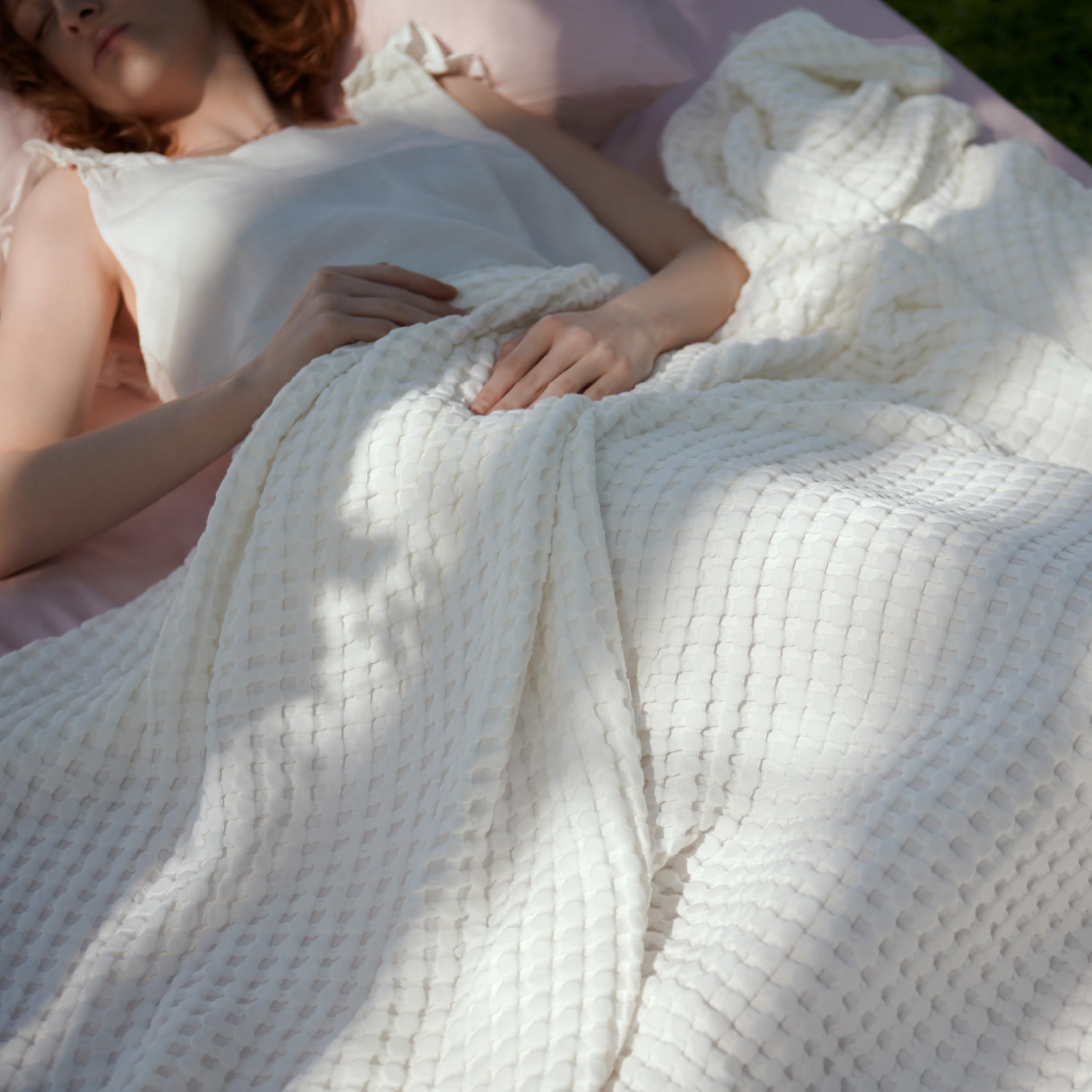
| Lightweight waffle blankets | Layered sleep | Airflow through the weave | Less warmth alone in winter |
Key Features to Compare
Breathability
Open weaves and natural fibers let heat escape, which matters more for night sweats than a low warmth rating alone.
Moisture Handling
Fibers that wick moisture help you feel drier, but no blanket replaces good room ventilation and a breathable mattress protector.
Weight
A lighter blanket traps less heat and is easier to adjust during the night, so check weight as well as warmth claims.
Washability
Night sweat bedding needs frequent washing, so choose a blanket that survives regular machine washing without losing its feel. Wash on a gentle cycle, skip heavy fabric softener that can coat fibers and reduce breathability, and keep a spare so you can rotate while one is in the wash.
Common Mistakes to Avoid
A frequent mistake is choosing a thick, heat trapping comforter and hoping to push it aside when you overheat. Another is trusting a cooling label without a named fiber and weight. A third is ignoring the rest of the bed: heavy pajamas, a plastic backed mattress protector, or a warm room can undo a good blanket.
Related Guides
For more detail, see our guides to best cooling blankets for night sweats and best quilts for night sweats.
Frequently Asked Questions
What material is best for night sweats?
Breathable natural fibers such as bamboo, cotton, and Tencel generally feel cooler and manage moisture better than heavy synthetics. Open and crisp weaves breathe better than dense brushed fabrics. Try a lighter blanket first, since material alone cannot overcome a very warm room.
Should I use a blanket or just a sheet?
Many hot sleepers sleep best with a light blanket for comfort and a sense of weight, rather than a bare sheet. You can fold it back if you warm up. If you wake damp even under a light blanket, check room temperature, mattress heat retention, and sleepwear fabric as well.
Do cooling blankets really work?
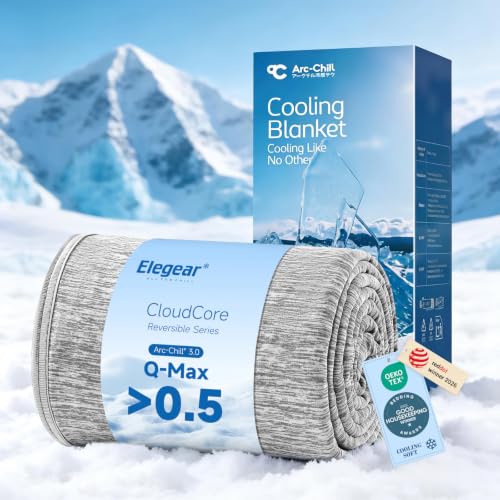
They can feel cooler on contact and breathe better than heavy bedding. They do not actively chill you, so their benefit comes from breathability, moisture handling, and low weight. Pair one with a cool room and breathable sleepwear for the best result.
When should night sweats be checked by a clinician?
Night sweats that are new, severe, frequent, or paired with fever, weight loss, or other symptoms deserve medical attention rather than a bedding change alone. This guide covers comfort only. If night sweats persist or worry you, talk with your doctor.
How do I wash blankets for night sweats?
Wash frequently on a gentle cycle with mild detergent, and dry fully before use to prevent musty odor. A spare blanket makes frequent washing far easier.
Final Thoughts
Pick a breathable fiber, a light weight, and a blanket you can wash often. Compare your shortlist in the product table above to find best blankets for night sweats that fit your room, your sleep style, and your laundry routine.