
Best Blankets for Boats Made Simple: A Clear Buying Guide for 2026
Disclosure: We may earn a commission when you buy through links on this page, at no extra cost to you. As an Amazon Associate I earn from qualifying purchases. Learn more
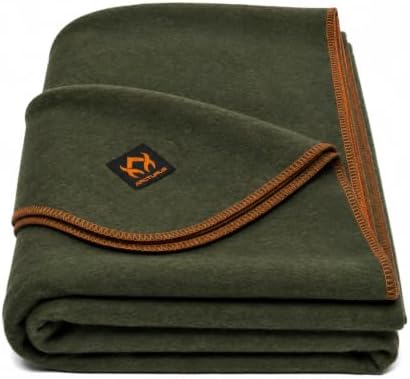
Shopping for the best blankets for boats for the first time? Learn the terms, compare options, and avoid rookie mistakes with this easy guide.
Buying bedding for a boat is not like buying bedding for a house. Space is tight, damp air gets into everything, bunks come in odd shapes, and a blanket that feels perfect in a shop can smell musty within a month on the water.
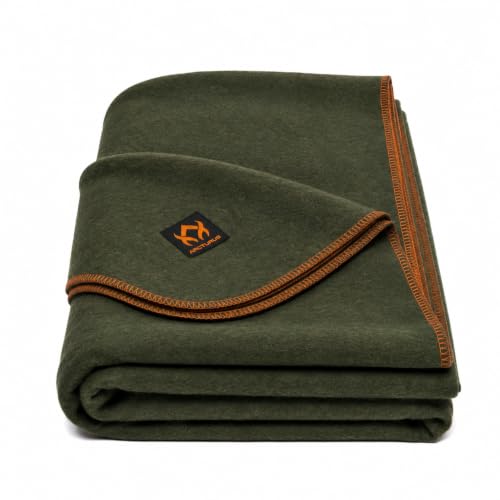
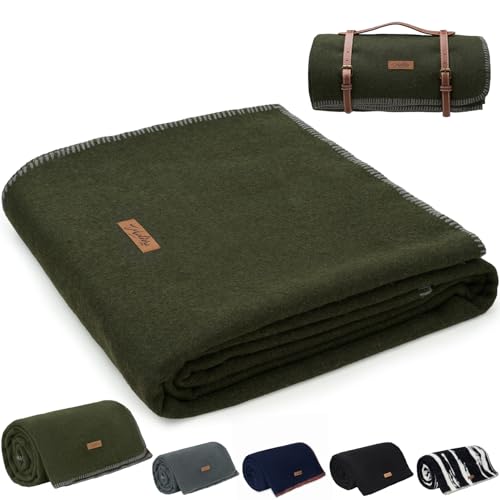
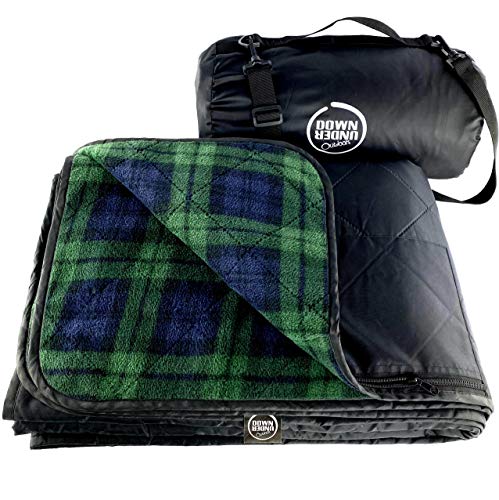
This guide starts with the basics, explains each spec in plain English, and walks you through a first purchase step by step. By the end you will know which best blankets for boats suit your cabin, your climate, and your storage lockers, and the comparison table below gives you a quick way to compare types.




Blankets 101: The Basics
A blanket is simply an insulating layer, and on a boat it has three jobs: keep you warm at anchor, dry out fast after a damp night, and pack into a small locker without a fight. Warmth comes from trapped air inside the fibers or fill, which is why loft, meaning thickness, matters. The catch is that trapped air fails when the fill gets wet, so material choice matters more on the water than at home.
You will see a few terms again and again. Fill is the material inside, weave is how fabric threads are arranged, and loft is how thick the blanket puffs up. A throw is a small blanket for sitting up, while a bunk blanket is sized for sleeping. Keep those basics in mind and the specification sections below will make sense.
Key Specs of the Best Blankets For Boats Explained
Read these six specs before you spend anything. Together they predict whether a blanket stays fresh, warm, and easy to live with in a small damp cabin.
Features That Matter for Boats
Boats add moisture, salt air, and cramped storage to the normal bedding problem, so boat blankets must dry fast, resist mildew, and tolerate frequent washing. Choose synthetic fleece or microfiber, or wool, because these keep working when damp, and avoid pure down, which clumps and loses warmth when wet. A dark or patterned fabric hides harbor grime between washes. Compact packing matters too, since a blanket that fills a whole locker crowds out clothes and safety gear.
Material and Fill
Fleece and microfiber are the beginner friendly defaults: cheap, warm for their weight, quick to dry, and happy in any washing machine. Wool costs more, around $80 to $150 for a good bunk size, but it regulates temperature, resists odors, and stays warm in damp air, which suits longer cruises. Cotton feels pleasant in warm climates and washes easily, yet it dries slowly and can smell musty if stored damp. Down alternative fill gives a soft quilted feel and washes better than real down, making it the safer filled option on the water.
Size and Fit
Measure your bunk before you shop, because boat bunks are rarely standard bed sizes and many taper at one end in a V berth. Add a few inches of overhang for tucking in, since a tucked blanket stays put when the boat rocks. As a rough guide, a single bunk often suits a blanket near 60 by 80 inches or smaller, and a throw near 50 by 60 inches covers cockpit evenings. If you use home sizes, a twin blanket is the usual starting point, trimmed or folded to fit odd corners.
Staying Put When the Boat Moves
On a boat, this spec means how the blanket behaves when the boat moves and someone shifts in the bunk. Lightweight blankets slide off as the boat rolls, so a little weight or a tucked edge keeps coverage through the night. Shiny synthetic shells can rustle against cabin walls in a quiet anchorage, so softer matte fabrics sleep quieter. In a shared cabin, one blanket per person works better than one large blanket, because each sleeper can adjust without leaving the other uncovered.
Certifications (CertiPUR US, OEKO TEX, RDS)
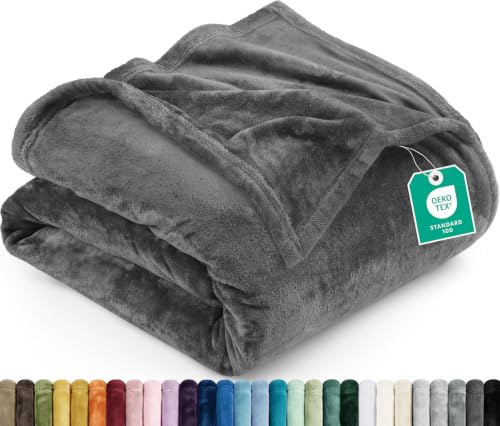
These labels describe testing, not comfort. OEKO TEX Standard 100 means a fabric has been checked for harmful substances, a reassuring sign for bedding in a small enclosed cabin where you breathe near the fabric all night. CertiPUR US covers foam in cushions and pillows, so it seldom applies to blankets themselves. RDS relates to responsibly sourced down, which most boat buyers skip anyway because down performs poorly when damp. Use certifications as a safety screen, and never pay a premium for a label that does not apply to the product.
Choosing Blankets for Your Situation
Your situation is mostly about trip length and climate. Weekend sailors in mild weather need one fleece blanket per bunk and a throw for the cockpit. Liveaboard and cold water cruisers should add wool or a quilted layer and keep a dry spare in a sealed bag for the nights when everything feels damp.
Best Blankets for a Boat: Tips for First Time Buyers
If you are choosing the best blankets for a boat for the first time, buy one midweight fleece or wool blend blanket per bunk, in a size you measured yourself, before you buy anything fancy. Take it on two or three trips, note whether you were warm, whether it dried by midday, and how much locker space it used. Then add a second layer or a lighter summer option based on real experience. This staged approach costs less than guessing a full set at once. For build quality markers as you compare, see our guide to the best quality blankets.
Rookie Mistakes to Avoid
- Bringing home bedding, including down quilts, that stays damp and smells within weeks.
- Guessing the size instead of measuring a tapered bunk, then fighting excess fabric every night.
- Storing a blanket while it is still damp, which guarantees a mildew smell next trip.
- Buying white or pale fabrics that show every harbor stain and need constant washing.
- Filling the only dry locker with bulky blankets and leaving no room for clothes or gear.
Every one of these mistakes is common in a first season, and each is cheap to avoid once you know it exists.
Getting Started: Setup and First Use
Wash a new blanket before the first trip to remove loose fibers and any factory smell. On board, air the bunks and blankets whenever the sun is out, because moving air is your best defence against damp. Keep one dry spare blanket sealed in a waterproof bag for cold or wet nights, and rotate blankets between trips so each set gets a full dry ashore. Never leave bedding bunched against a heater or in an engine space, and keep fabrics clear of hot surfaces, since a small cabin leaves little distance between bedding and ignition sources. If you consider a heated option on shore power, read the best heated blanket guide for electrical safety basics first, and never sleep with a heated blanket switched on unless the maker clearly allows it.
Frequently Asked Questions
What features matter most in blankets for boats?
Fast drying, mildew resistance, and compact packing matter most, ahead of softness or looks. A boat blanket lives in damp air and small lockers, so a fabric that dries by midday and packs small will please you every trip. Washability comes next, because salt and harbor dirt build up quickly. Warmth per layer is easy to add with a second blanket, but a blanket that stays damp has no fix, so judge drying first.
Is a higher thread count always better?
No, and for most boat blankets the term barely applies, since fleece and wool are not judged by thread count. Where cotton is woven, a moderate count in a sound weave dries faster and packs smaller than a dense high count fabric, which is the opposite of what you want on board. Spend on fiber type, drying speed, and edge stitching instead. The number on a cotton label tells you little about life in a damp cabin.
How do I wash blankets safely?
Shake off salt and dirt outside first, then wash with mild detergent on a gentle cycle, at the marina laundry or at home between trips. Rinse well, because detergent residue holds moisture and smells in a locker. Dry the blanket completely, in sun and moving air when possible, before it goes back on board. A blanket stored even slightly damp will smell of mildew within days, so when in doubt, give it another hour of drying.
How often should I replace my blanket?
Replace a boat blanket when it holds a musty smell after a proper wash and full dry, when the fabric thins, or when edges fray beyond a simple repair. Hard used fleece may last a few seasons, while good wool can serve for many years with airing and careful storage. Because the marine environment is harsh, expect shorter life than the same blanket would have at home, and budget accordingly. Our guide to the best throws and blankets is a handy place to compare lighter replacements for cockpit use.
Our Verdict
Measure the bunk, choose a fast drying fabric such as fleece or wool, and never store anything damp. Those three rules solve most boat bedding problems before they start. Compare your shortlist with the product table above, keep a dry spare sealed away, and the best blankets for boats for your cabin will stay warm, fresh, and ready every time you cast off.


