Best Blankets for Arthritis: A First Time Buyer's Guide for 2026
Disclosure: We may earn a commission when you buy through links on this page, at no extra cost to you. As an Amazon Associate I earn from qualifying purchases. Learn more
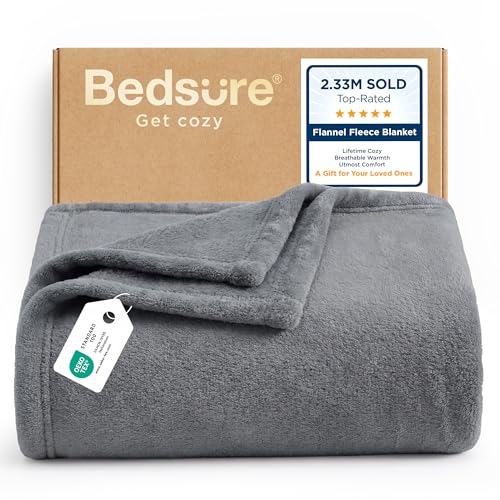
Shopping for the best blankets for arthritis for the first time? Learn the terms, compare options, and avoid rookie mistakes with this easy guide.
If sore hands, stiff shoulders, or aching knees make bedtime a small project, your blanket choice matters more than most people realize. A blanket that is too heavy is hard to lift, hard to fold back, and hard to wash. This guide walks first time buyers through the best blankets for arthritis in plain language, from weight and warmth to controls and care.
We start with the basics, explain each key term, and finish with the mistakes to avoid, so you can shop once and sleep comfortably. A blanket cannot treat arthritis, and it should never replace your treatment plan. Talk with your clinician about personal needs, especially before using heat at night. Use the guide alongside the comparison table below.


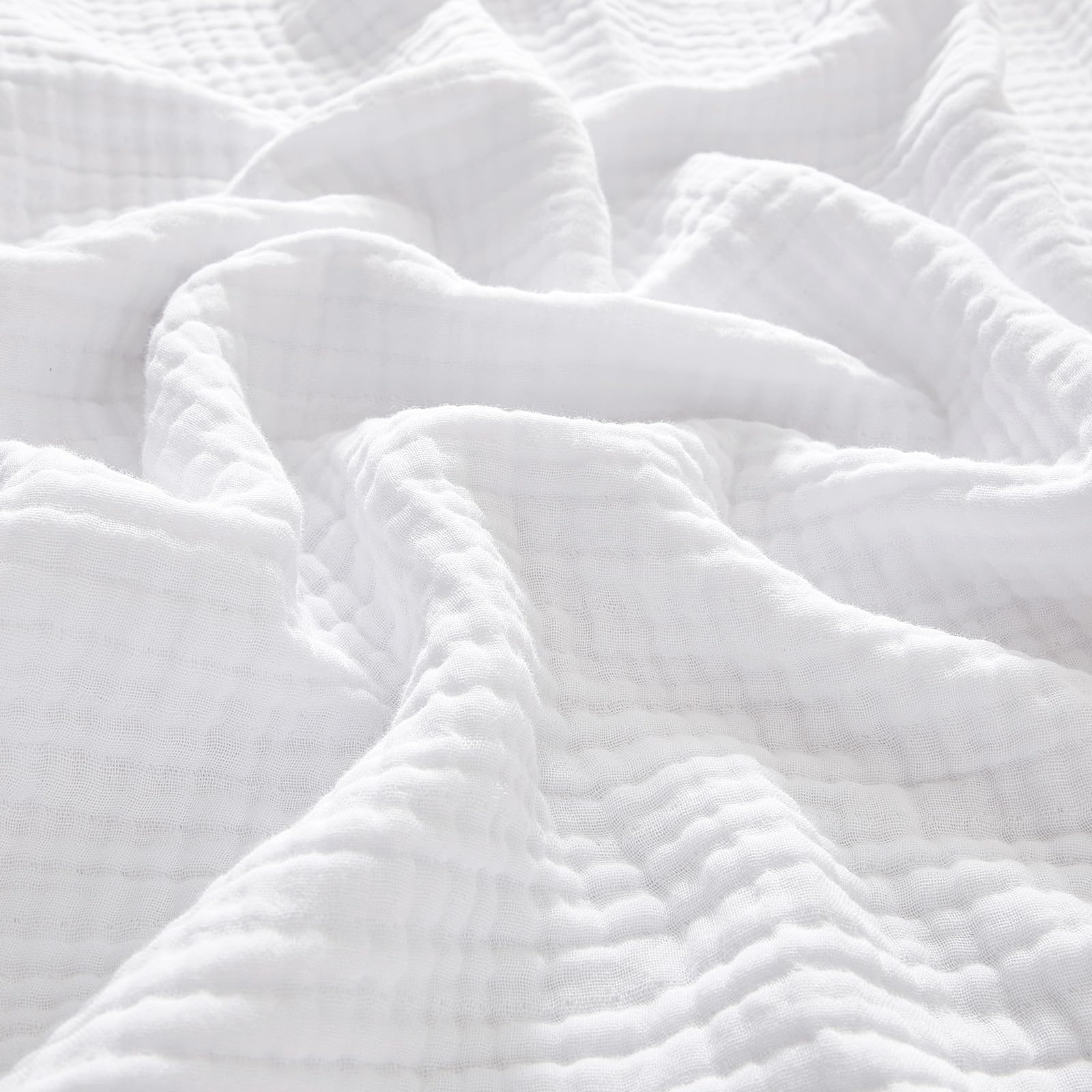
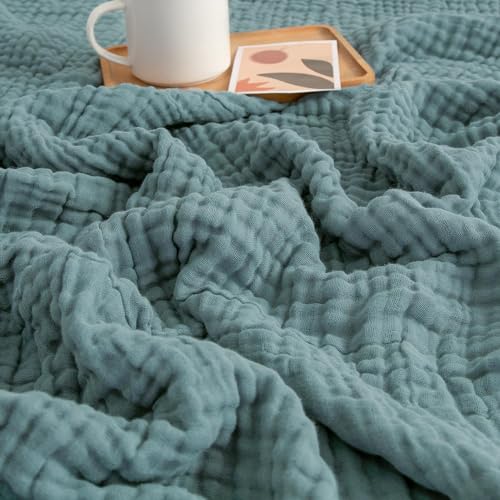
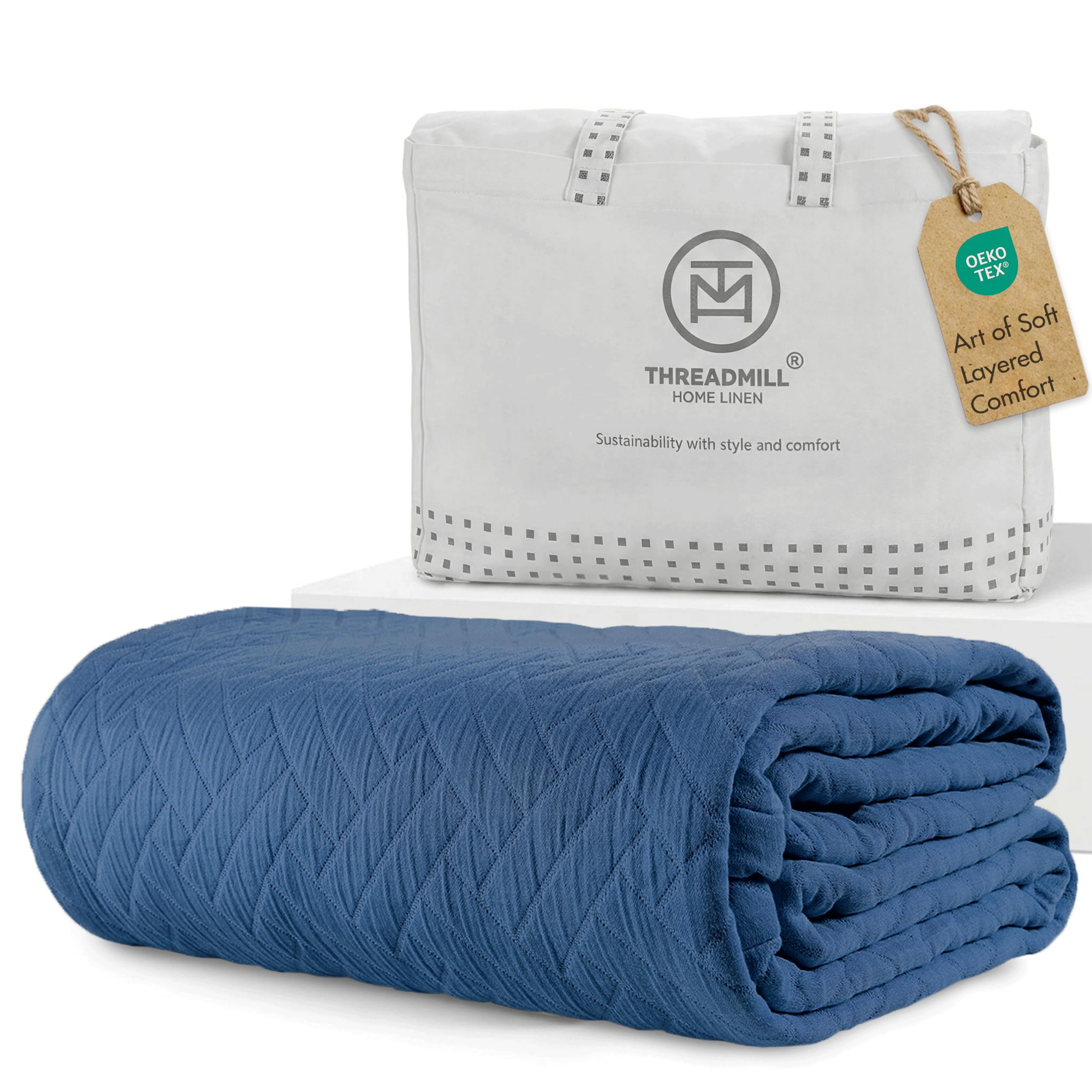
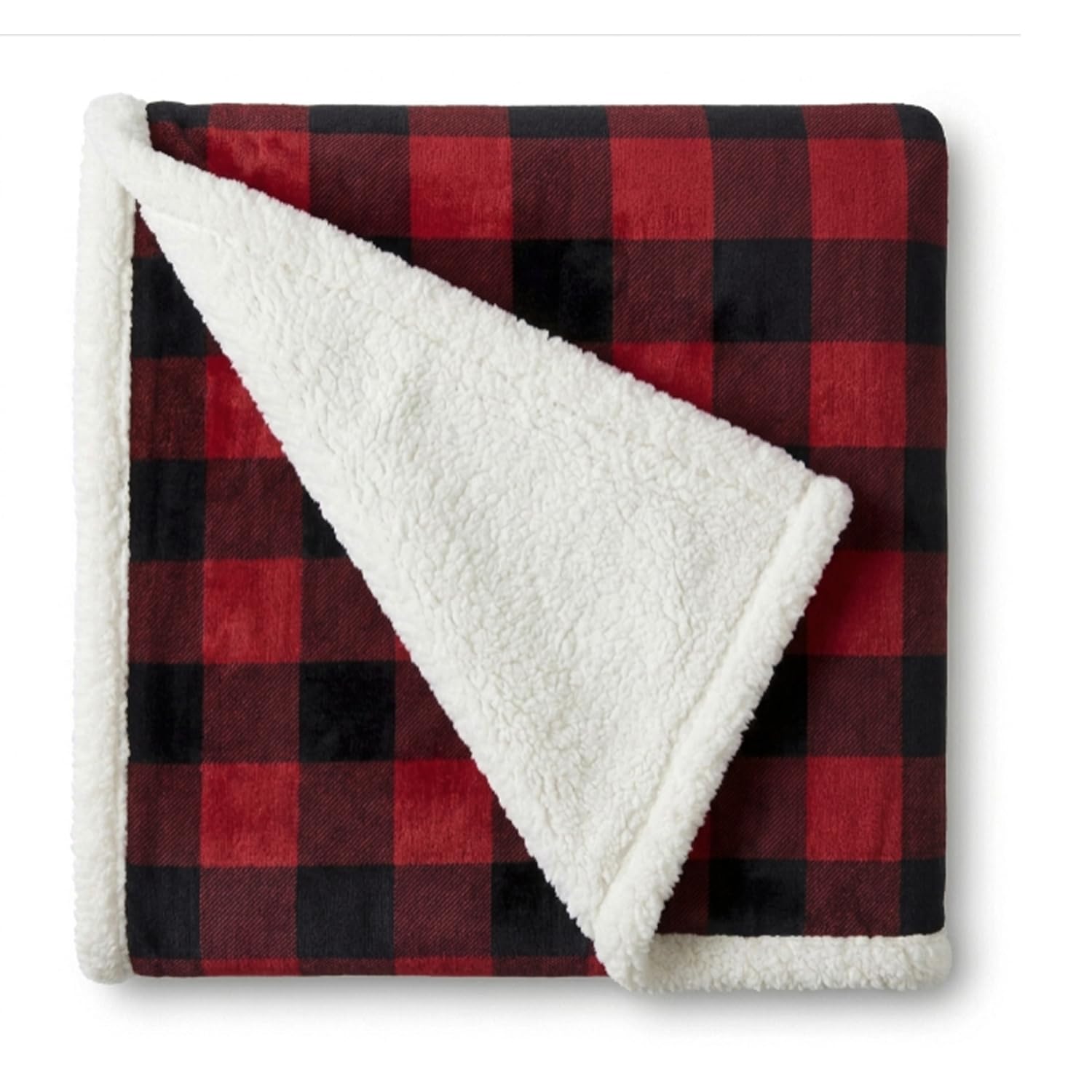
Blankets 101: The Basics
A blanket is the layer that traps warmth above your sheet, and its job is simple: keep you at a steady, comfortable temperature without making you work for it. The terms you will see are weight, loft, and fill. Weight is how heavy the blanket feels in your hands and on your body. Loft is how thick and fluffy it is. Fill is the material inside, such as cotton, polyester, or down alternative, and it decides warmth, washability, and how the blanket drapes. For arthritis, the most important basic is handling. You lift, shake, fold, and wash this item every week, so a blanket that is easy to manage on a stiff morning is worth more than one with impressive specs you dread touching.
Key Specs of the Best Blankets For Arthritis Explained
Features That Matter for Arthritis
Start with light weight and easy grip. A blanket around two to four pounds for a twin or throw size is far easier to pull up with sore fingers than a heavy layered one. Look for smooth edges you can pinch without strain, and avoid fussy fasteners or ties that demand strong thumbs. Warmth without weight is the goal, because cold joints often feel stiffer, yet heavy pressure over knees and hips can ache by morning. If you use a heated model, large simple controls and an automatic shutoff are essential features, not extras.
Material and Fill
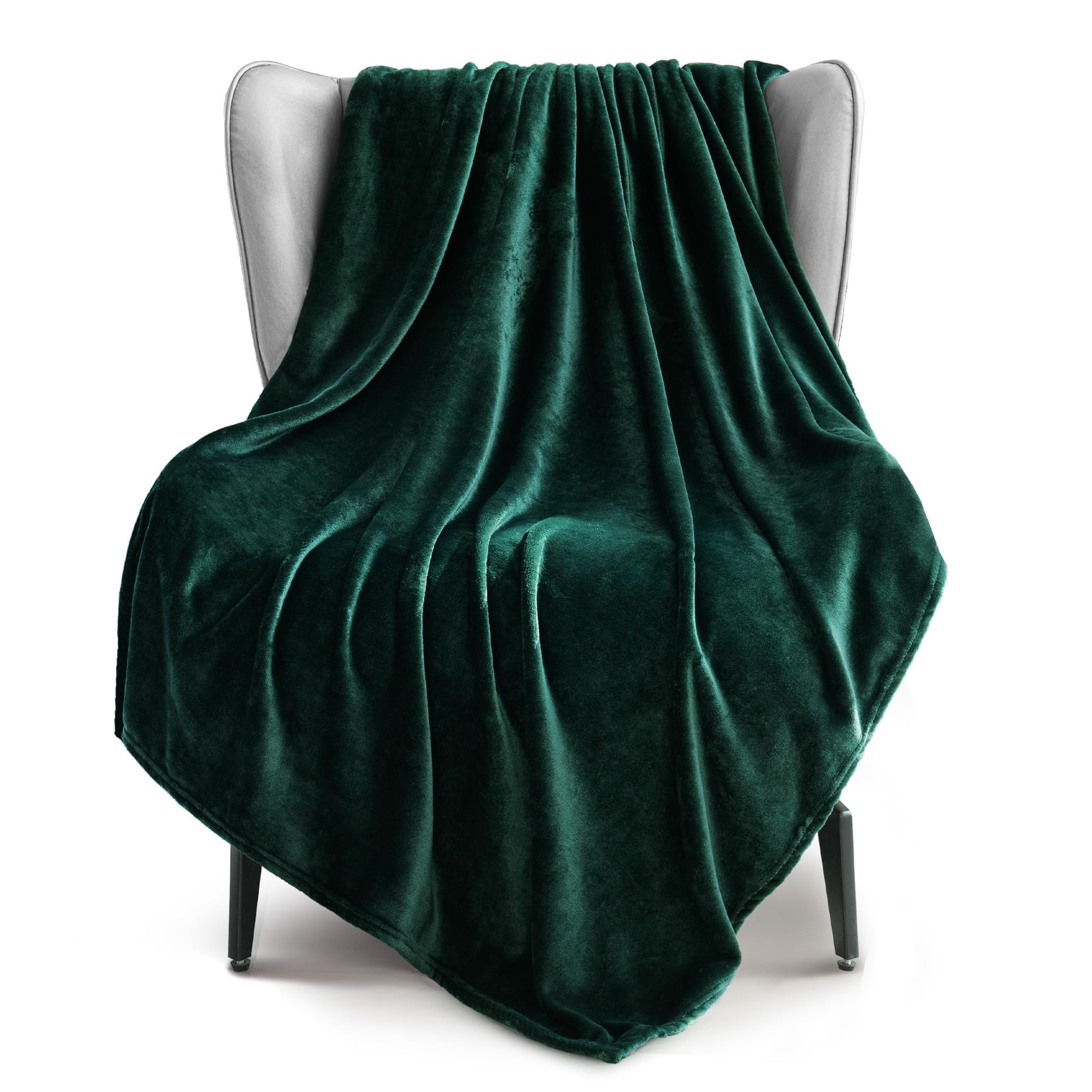
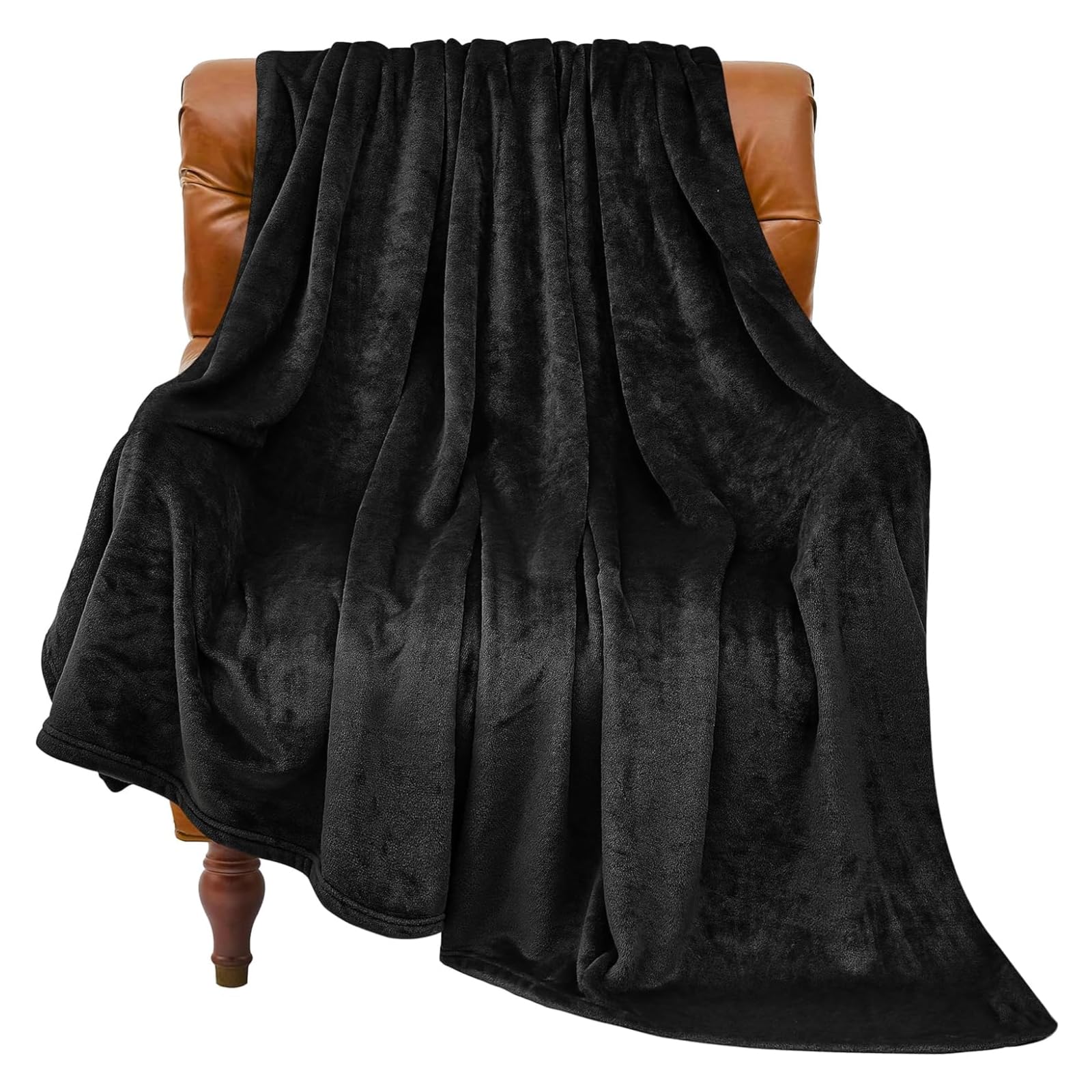
Polyester and down alternative fills give the most warmth for the least weight, wash easily, and dry fast, which suits hands that cannot wring out heavy wet fabric. Cotton blankets breathe well and feel familiar, but a thick cotton blanket can get surprisingly heavy when wet. Wool insulates well and manages moisture, though it often needs gentler washing. Flannel and fleece feel soft against sensitive joints and are light to handle. Whatever you choose, run your hand over the fabric in the store if you can. A surface that feels smooth rather than rough or stiff will be kinder during a night of turning.
Cooling and Breathability
Warmth helps stiff joints, but overheating ruins sleep and can leave you sweating and then chilled. Breathable cotton and bamboo derived fabrics let excess heat escape, while dense fleece traps more warmth for cold sleepers. Thread count is not the main story for blankets. Airflow through the fabric matters more. A practical approach is a light breathable blanket for most of the year, with a warmer layer you can add on the coldest nights. Layering light blankets also helps arthritis, because each layer is easy to lift and adjust one at a time.
Weight, Loft, and Sleep Position
Blankets do not have mattress firmness, but their weight and loft change how your body rests. Side sleepers often prefer a blanket that drapes into the curve between shoulder and hip without pressing hard on the top shoulder. Back sleepers usually do well with an even, medium loft layer. Stomach sleepers tend to like the lightest option, since extra weight over the lower back can feel tiring. Weighted blankets deserve caution here. Their pressure comforts some people, but lifting and repositioning a very heavy blanket can strain sore hands, shoulders, and knees, so ask your clinician before choosing one.
Durability and Care
Easy care is a feature, not an afterthought. Machine washable and tumble dry safe blankets protect your joints on laundry day, while dry clean only options add cost and lifting trips. Check that stitching holds the fill in place through many washes, and read the warranty and any sleep trial terms before you buy. A know how tip: choose a size your home machine can actually handle, because an oversized blanket that must be hauled to a laundry service will get washed less often than it should. Lighter blankets also fold into smaller loads, which is gentler on your hands.
Rookie Mistakes to Avoid
- Buying the heaviest, warmest blanket in the store, then struggling to lift it every morning and night.
- Choosing a weighted blanket without medical advice, even though you have poor circulation or reduced feeling in your hands or feet.
- Picking tiny, fiddly controls on a heated blanket that sore fingers cannot adjust in the dark.
- Ignoring the care label and ending up with a blanket that needs special washing you cannot manage alone.
- Assuming more loft always means more comfort, when a thick stiff blanket can be harder to move under than a thinner, softer one.
Getting Started: Setup and First Use
Wash the blanket before first use, following the label, so factory finishes and loose fibers are gone. Make the bed with the blanket folded back partway, which gives your hands an easy edge to grip when you get in. For the first few nights, notice two things: whether you can adjust the blanket without fully waking, and whether any joint feels pressed or chilled by morning. With a heated blanket, start on the lowest setting, confirm the automatic shutoff works, and never fall asleep with it on high. Keep the rest of the bed simple too, wash sheets weekly in warm water, and talk with your clinician if night pain, numbness, or new swelling shows up rather than adjusting bedding endlessly on your own.
Frequently Asked Questions
What features matter most in blankets for arthritis?
Light weight, easy grip edges, and warmth without heavy pressure matter most. A blanket you can lift, fold, and wash without help protects your independence as well as your sleep. For heated models, add large controls and an automatic shutoff to that list. One more detail is size. A blanket that is only as large as you need is lighter to handle than an oversized one with fabric pooling on the floor.
Does blanket weight affect back and joint comfort?
A blanket has no firmness rating, so focus on weight instead. A light to medium weight blanket adds warmth without pressing on your hips and lower back, and it lets you turn without effort. Real back support comes from your mattress and pillow, not your blanket. If back pain includes leg weakness, numbness, or bladder changes, see a doctor promptly, because those are warning signs that need medical care rather than new bedding.
How do I wash blankets safely with sore hands?
Choose machine washable blankets in a size your washer handles in one load, and use the gentlest cycle that still cleans well. A front loading machine is easier on your hands than lifting a heavy wet blanket out of a deep top loader. Dry the blanket fully on a warm setting. If laundry day regularly leaves your hands aching for hours, that is a sign the blanket is too heavy, and a lighter replacement is a practical fix.
Are cooling blankets worth it for hot sleepers with arthritis?
They can be, because steady temperature helps you stay asleep, and unbroken sleep matters when you live with joint pain. Breathable cotton or bamboo derived blankets give most of the benefit without special coatings. The caution is going too far the other way. Joints that get cold overnight often feel stiffer in the morning, so aim for neutral comfort rather than a distinctly cold bed, and keep a light extra layer within reach.
Is a higher thread count always better in a blanket?
No. Thread count describes woven fabric density, and beyond a moderate point it adds price and stiffness more than comfort. For arthritic hands, a softer, more flexible fabric is easier to grip and fold than a crisp high count one. Judge a blanket by weight, softness, and care instructions instead. If you want firmer guidance on overall bedding quality, our guide to the best quality blankets explains construction details that apply across blanket types.
How often should I replace my blanket?
Replace it when the fill clumps, the fabric thins, or it comes out of the wash no longer feeling fresh, often after three to five years of regular use. Heated blankets should be replaced sooner if cords feel stiff, the controller runs hot, or heating becomes uneven, and you should stop using one with any visible cord damage at once. If you are comparing heated options, our guide to the best heated blanket covers control styles and safety features in depth, and layering ideas appear in our article on the best throws and blankets.
The Bottom Line
Keep it light, keep it warm, and keep it easy to wash. Those three rules will steer you past most poor choices, whether you want a simple fleece layer or a heated blanket with large, friendly controls. Choose the best blankets for arthritis for your own hands and joints, compare your shortlist with the product table above, and talk with your clinician about personal needs before adding heat or weight to your bed.