
Best Blanket Ladder: Buying Guide for 2026
Disclosure: We may earn a commission when you buy through links on this page, at no extra cost to you. As an Amazon Associate I earn from qualifying purchases. Learn more
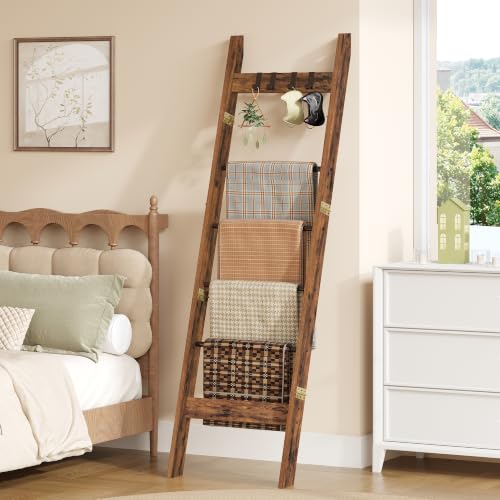
Compare the best blanket ladder options by height, rung spacing, material and style to find one that fits your room and blankets.
A best blanket ladder gives heavy throws and quilts a tidy home that is easy to reach, and it can add warmth to a living room or bedroom without a bulky piece of furniture. The right ladder holds your blankets where you can see them, keeps them off the floor, and stays steady when you pull one down for a chilly evening. This guide compares the factors that matter most, so you can choose with confidence and avoid a ladder that wobbles, scratches your wall, or crowds your space.
Use the product table to compare sizes and styles at a glance, then work through the buying factors in this guide before you decide. A good choice starts with the height of your wall, the number of blankets you want to display, and the look you want in the room. If you also need help choosing soft layers to drape over it, see our guide to the best quality blankets for ideas on weight and fabric.
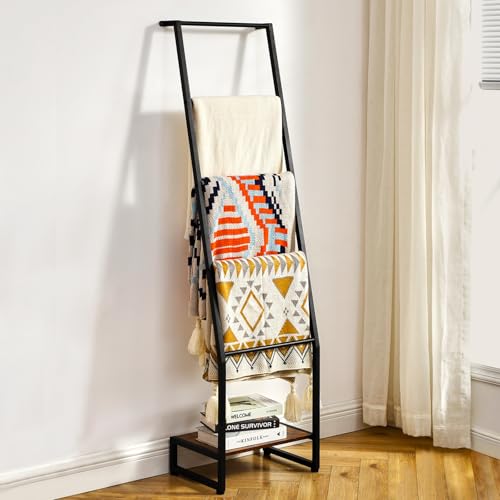
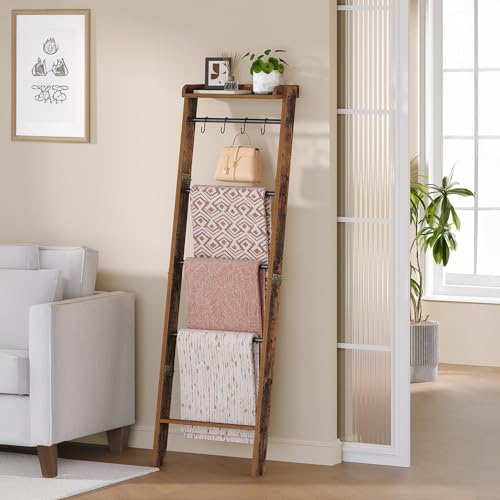


Spending Levels to Consider
Blanket ladders are sold at a wide range of prices, and the price usually reflects material, finish, and build quality rather than a long list of features. At the budget level, around $20 to $50, you will often find simple wooden or metal leaning ladders with a plain finish and a basic rung layout. These can work well in a guest room or a first apartment, as long as you check the height, the rung spacing, and the stability before you buy.
In the midrange, around $50 to $100, you will see sturdier joints, smoother finishes, and details such as wall pads or rubber feet. At the premium level, around $100 or more, you may find solid hardwood and hand finished surfaces. Spending more makes sense when the ladder is a focal point, but a midrange ladder is often enough for everyday use.
How to Choose the Best Blanket Ladders: Buying Guide
Material and Build
Wood ranges from light pine to dense hardwood. Pine is lighter and easier to move, while hardwood tends to feel more solid and resist dents. Metal ladders are often slimmer and suit a modern room, but they may need rubber feet to protect hard floors. Check how the rungs join the side rails, since a tight, glued or screwed joint will stay firm longer than a loose press fit joint.
Height and Rung Spacing
Height decides how many blankets you can display and how the ladder looks against your wall. A ladder around 5 feet tall suits a sofa side or a bedroom corner, while a taller ladder around 6 feet works better in a room with high ceilings. Rung spacing matters just as much, because blankets need room to hang without bunching. Look for spacing of about 10 to 14 inches between rungs, which gives each blanket its own layer and makes it easy to pull one out without disturbing the rest.
Stability and Load Rating
A blanket ladder should stand firm when you hang blankets on it and when you pull one off in a hurry. Leaning ladders rely on the wall for support, so the feet and the top of the rails should grip well and sit flat. Freestanding ladders need a wide base and strong cross supports to stay upright.
Always check the maker load rating and follow it, since overloading a ladder can make it lean forward or slip. Keep children from climbing on a blanket ladder, and place it where it cannot be knocked over easily.
Finish and Style
The finish changes both the look of the ladder and how easy it is to care for. A natural wood finish shows grain and suits a warm room, while a painted finish can match trim or add color. A sealed finish resists dust and spills better than raw wood, which can stain more easily.
Care and Durability
Blanket ladders need little care. Dust the rungs regularly, wipe up spills promptly, and check the joints for looseness. Add felt pads where the rails touch a painted wall to reduce scuff marks, and avoid damp spots, since moisture can warp wood and loosen glue.
Room Fit and Placement
Measure your wall space before you order, including the width and the floor space a leaning ladder needs. Leave room to walk past it without bumping it, and place it near the seating area where blankets are actually used. If you have pets, keep it where curious paws are less likely to pull blankets down.
Types of Blanket Ladders
Leaning Wooden Ladders
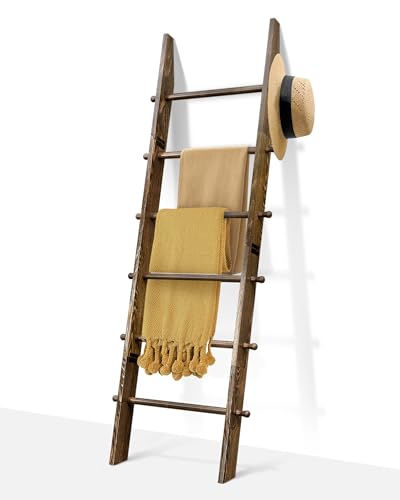
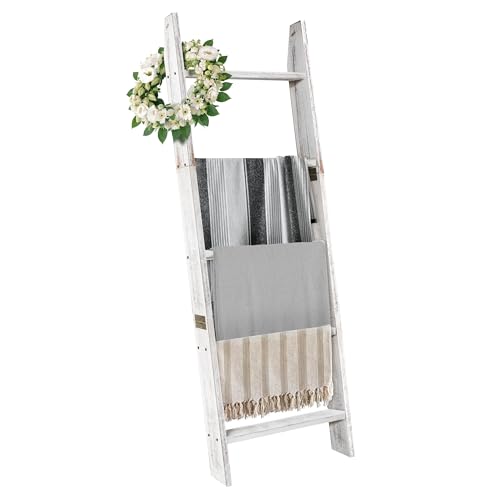
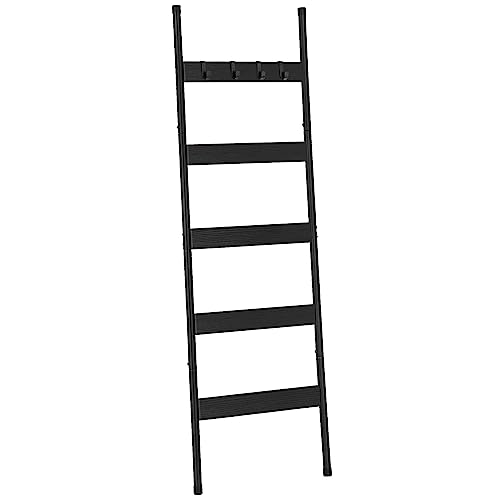
Leaning wooden ladders are the classic choice, with two side rails and several rungs that rest against the wall at a slight angle. They are easy to move, need no mounting, and suit most living rooms and bedrooms. Their main drawback is that they depend on the wall and the floor for stability, so they need a flat floor and a clear wall to work well.
Freestanding Metal Ladders
Freestanding metal ladders stand on their own, often with an A frame shape or a wide base that keeps them upright away from the wall. They suit renters who cannot lean heavy items on a wall, and they can be moved from room to room with ease. They tend to hold fewer blankets than a tall leaning ladder, and they need enough floor space for the base to sit safely.
Wall Mounted Ladders
Wall mounted ladders are fixed to the wall with brackets, which makes them very stable and keeps the floor clear underneath. They work well in a small room or a hallway where floor space is tight. The trade off is that they need proper mounting into a stud or a suitable wall anchor, and they are harder to move if you rearrange the room. If you rent, check your lease before drilling into a wall.
Tips to Get the Most From Your Blanket Ladder
- Rotate your blankets regularly so the same throw does not stay folded on one rung all season, which helps the fabric keep its shape.
- Wash throws and quilts on a gentle cycle when the maker label allows it, and let them dry fully before hanging them back up.
- Use the top rungs for lighter blankets and the lower rungs for heavier quilts, since this keeps the ladder balanced and easy to use.
- Add small felt pads where the rails meet the wall to protect paint and reduce noise when you pull a blanket off.
- Keep the ladder out of direct sunlight when possible, since strong sun can fade wood finishes and blanket colors over time.
- Check the feet and joints every few months, and tighten any loose screws before the ladder starts to wobble.
Blanket Ladders: Your Questions Answered
What height blanket ladder should I buy?
The best height depends on your wall and on how many blankets you want to display. A ladder around 5 feet tall holds three to four blankets and suits a standard ceiling. A ladder around 6 feet tall holds five to six blankets and suits high ceilings, but it can overwhelm a small corner. Measure to the point where you want the top rung to sit, and leave a small gap below the trim.
How much weight can a blanket ladder hold?
Weight capacity varies by material, joint quality, and design, so always check the maker rating. Most leaning wooden ladders hold several throws and quilts with ease, while a light decorative ladder may be rated for less. Heavy wool quilts add up quickly, so favor a sturdier frame if you own several thick ones. Never use a blanket ladder as a step ladder, since it is not built for climbing.
Will a blanket ladder damage my wall?
A leaning ladder can leave scuff marks where the rails touch the wall, especially if it is moved often. Felt pads or small rubber bumpers on the top of the rails reduce this risk and keep the ladder from sliding. Wall mounted ladders need screws or anchors, which leave small holes when removed, so they suit owners more than renters.
Should I choose a leaning or freestanding blanket ladder?
A leaning ladder suits most rooms because it is simple, easy to move, and available in many heights and finishes. It needs a clear wall and a flat floor, so it is less ideal for a very tight corner. A freestanding ladder suits renters and rooms where wall space is limited, since it stands on its own. Freestanding models often hold fewer blankets, so choose based on how many you want to display.
How do I care for a wooden blanket ladder?
Wooden blanket ladders need only light care. Dust the rungs with a dry cloth, wipe spills with a slightly damp cloth, and dry the surface right away. Avoid harsh cleaners that can strip a finish, and store the ladder indoors in a dry spot, since damp air and strong sunlight can warp wood.
The Bottom Line
The best blanket ladder is one that fits your wall, holds the blankets you actually use, and stays stable in daily life. Start with height and rung spacing, then choose a material and finish that match your room and budget. A midrange wooden leaning ladder often suits a cozy seating area, while a wall mounted model suits a small space. Check the product table, measure your wall, and pick the ladder you will reach for every evening.


