
Best Black Watches under 3000: The Buyer Checklist We Use for 2026
Disclosure: We may earn a commission when you buy through links on this page, at no extra cost to you. As an Amazon Associate I earn from qualifying purchases. Learn more

Use this buying guide for the best black watches under 3000 to compare movements, case fit, water resistance, straps, and warranty before you spend.
A black watch can look sharp with a suit, a uniform, or a plain tee, but color alone tells you nothing about value. This guide gives you a clear checklist for best black watches under 3000 so you can judge finish, movement, and fit before you spend serious money.
Use the comparison table below to line up case sizes, movements, and ratings side by side. Then work through the criteria that follow, because at this budget the details you cannot see in a photo matter most.


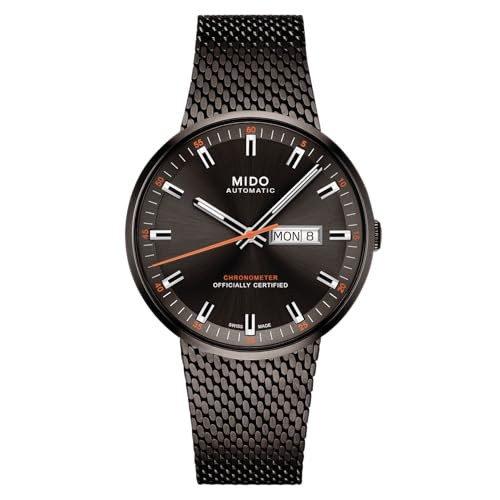


How to Judge Black Watches
Think of this section as a scorecard you can apply to any model in the product table above. A watch that scores well on movement, crystal, and warranty will usually serve you longer than one that only wins on looks. Note your must have scores before you shop, so a striking dial does not distract you from a weak spec sheet.
What You Can Realistically Get Under $3000
At around $1000 to $3000 you can expect a sapphire crystal, a solid automatic movement or a capable smartwatch, and a case finish that holds up to daily wear. You should not have to accept a basic mineral crystal or a vague water rating at this level. What you give up versus higher luxury tiers is mostly hand finishing, precious metals, and in house movements with long waiting lists. Spend on the crystal, the movement service network, and the bracelet quality first, because those are costly to fix later.
Movement Type (Quartz, Automatic, Solar, Smart)
Quartz is the accuracy leader, often gaining or losing only a few seconds a month, and it asks little beyond a battery change every two to three years. An automatic movement winds from your wrist motion and feels more traditional, but it needs servicing about every five to seven years and can drift by several seconds a day. Solar quartz removes most battery worries if you wear the watch in daylight often. Smart models add notifications and health tracking, yet they need charging every one to eighteen days depending on the screen and GPS use.
Smart and Fitness Features
GPS, heart rate tracking, and sleep logs can be genuinely useful if you train or travel often, and black smartwatches hide scuffs well. Check that the watch pairs with your phone system, since some features only work within one phone family. Battery life is the real trade off, so a watch you must charge nightly is a poor fit for multi day trips. Remember that wrist heart rate data is a training aid, not a medical device, so see a clinician for any health concern.
Water Resistance Rating
A 30 meter rating means splash protection only, so remove that watch before you shower or swim. A 100 meter rating handles swimming and snorkeling for most people, while 200 meters is the level divers and frequent swimmers should target. Ratings assume seals are intact, so have gaskets checked after a battery change or every couple of years. Pushers and crowns should stay screwed down or pushed in near water, because a single open crown can let moisture past even a strong rating.
Brand Reputation, Warranty, and Value
At this budget you are also buying service access, spare parts, and resale confidence. Look for a warranty of at least two years, a clear service center network in the United States, and published service prices where possible. If you are comparing broader budgets, see our guide to the best watches under 3000 for how black models stack up against steel and two tone options. A brand that answers support questions clearly before you buy is usually easier to deal with after you buy.
Strap and Bracelet Options
A quick release strap system lets you swap looks in seconds without tools, which stretches one black watch across work and weekends. Leather suits dress settings but dislikes water, silicone handles sweat and swimming, and a coated metal bracelet looks formal yet shows wear on its links over time. Check lug width before you order spare straps, since common widths differ by a few millimeters. Also confirm the buckle or clasp finish matches the case, because a shiny clasp on a matte black case looks like a mistake.
Case Size and Wrist Fit
Case diameter alone can mislead you, so measure lug to lug length, which decides whether the watch overhangs your wrist. Many wrists suit 38 to 42 mm cases, while a lug to lug span under about 50 mm keeps a larger case wearable. Thickness matters under a shirt cuff, where anything above about 13 mm can catch. Practical tip: cut a paper circle to the listed diameter and tape it to your wrist, then judge the look in a mirror from a normal viewing distance.
What Each Price Tier Should Deliver
Use the tiers below to judge any model in the comparison table above against what your money should buy.
Top Tier
A strong all round choice at around $1500 to $3000 should pair an automatic movement or a premium smart platform with a sapphire crystal and at least 100 meters of water resistance. The case coating should be a durable treatment such as DLC rather than a thin paint that chips at the edges. Lume should stay readable through the night, and the bracelet or strap should feel solid, not hollow. If a model at this level skimps on the crystal or the warranty, move on.
Value Tier
At around $700 to $1500, value comes from keeping the essentials and trimming decoration. You can still find sapphire crystal, reliable Japanese or Swiss automatic movements, and honest 100 meter ratings in this band. For a shared household budget view, compare with our guide to the best men's watches under 3000 to see where black finishes sit in price. Accept a simpler dial finish or a basic leather strap here, since a strap is cheap to upgrade later while a movement is not.
Premium Tier
Near the top of the budget, around $2500 to $3000, you pay for refinement you can feel: smoother bezel action, better regulated movements, and clasps with fine adjustment for hot days. Divers who want that refinement should also read our guide to the best dive watches under 3000 before choosing a black coated case for salt water use. Premium money should also buy a longer warranty or an included first service. If the only gain is a logo, the tier below is the smarter buy.
Black Finishes: Choosing the Best Black Watches Under 3000
Budgets near $3,000 reach black ceramic cases, DLC treated steel and titanium, and carbon composites that keep their finish for years. Ceramic is the scratch leader but can chip on a hard knock, while DLC wears slowly and can be refinished in a few cases. Ask whether the finish covers the bracelet and clasp too, because a black case with a bright clasp can look mismatched.
Quick Buyer Checklist
Run through these questions before you pay. A single no on the first four items is a good reason to keep looking.
- Does the watch use sapphire crystal rather than mineral glass?
- Is the water rating at least 100 meters for daily wear with swimming?
- Does the case size and lug to lug length suit your wrist?
- Is the warranty at least two years with service in the United States?
- Can you change the strap with a quick release system?
- Does the black coating type get named, such as DLC or PVD?
- Do you know the service cost and interval for the movement?
- Does the return window let you judge the fit at home?
Red Flags to Watch For
Walk away from listings that hide the movement name behind vague words like premium mechanism, because honest makers name their calibers. Be wary of a 30 meter rating marketed as a swim watch, of lume photos that look edited, and of a warranty under one year at this price. A black case with no coating type listed often uses the cheapest finish, which can wear to bright metal at the edges within months. Unusually perfect reviews that never mention a flaw are another warning sign, as is a seller who cannot state the lug width or case thickness.
How to Make Your Black Watch Last Longer
Service an automatic watch every five to seven years, or sooner if accuracy drops or moisture appears under the crystal. Rinse the case and strap in fresh water after salt water exposure, then dry it with a soft cloth. Store the watch away from magnets in phones, speakers, and bag clasps, since magnetism is a common cause of sudden fast running. Rotate straps in hot weather so leather can dry fully between wears, and keep smartwatch batteries between short top ups rather than letting them sit empty for weeks.
FAQs
Can you get a good black watch under $3000?
Yes, this budget covers well made automatic, solar, and smart models with sapphire crystal and strong water ratings. The key is to judge the movement, coating, and warranty rather than the dial style alone. You also gain access to established service networks, which matters more over ten years than a small style edge in year one.
How long does a watch battery last?
Most quartz watch batteries last about two to three years, while solar models can run far longer because light keeps the cell charged. Smartwatches are different, since their rechargeable cells wear with daily charging and may need service after several years. A watch that stops soon after a battery change may have a movement issue, so ask a watchmaker to check the circuit rather than fitting battery after battery.
Quartz or automatic: which is better?
Quartz is better for accuracy and low upkeep, while automatic suits you if you enjoy mechanical craft and daily wear. An automatic kept on a winder or worn daily stays ready, but a quartz watch left in a drawer still shows the right time months later. Your routine decides the winner more than the feature list does.
Is a smartwatch worth it over a classic watch?
A smartwatch is worth it if you will actually use notifications, GPS runs, or sleep tracking every week. If those features sound fun but optional, a classic watch gives you longer service life and no charging routine. Many owners end up with one of each, wearing the smart model for training and the classic black watch for work and events.
What case size fits my wrist?
Measure your wrist, then match lug to lug length so the lugs sit within the flat top of your wrist. Wrists around 6 to 7 inches often suit 38 to 42 mm cases, while larger wrists can carry 44 mm without overhang. Try the paper circle trick from the fit section above before you order, because returns for size are the most common reason buyers send a watch back.
How water resistant should a watch be?
Choose at least 100 meters if you swim, shower, or work around water often. A 30 meter watch is fine for rain and hand washing only, despite the number sounding generous. For a dress first wardrobe, our guide to the best dress watches under 3000 explains why slimmer cases often carry lower ratings. Whatever rating you pick, keep crowns closed and seals serviced.
Final Thoughts
Judge by movement, coating, and fit first, and let style break the tie. The product table above makes those three checks fast, so compare your shortlist there before you decide. Chosen well, the best black watches under 3000 give you a watch that looks sharp for years and costs little in worry along the way.


