
Best Black Stainless Steel Watches: Our 2026 Checklist and Buying Guide
Disclosure: We may earn a commission when you buy through links on this page, at no extra cost to you. As an Amazon Associate I earn from qualifying purchases. Learn more

Learn how to choose the best black stainless steel watches with a clear checklist covering movement, case size, water resistance, and value.
A black steel watch looks simple in photos, yet the details behind the dial decide whether it serves you for two years or twenty. This guide gives you a clear checklist for judging the best black stainless steel watches on the specs that actually matter, from movement and case size to crystal and water resistance. No jargon is assumed, and every criterion comes with a plain threshold you can use while shopping.
Work through the checklist in order, note your own limits for size and budget, and then use the comparison table below to see which styles match your answers. A watch that passes on paper and fits your wrist will beat a famous name that fails either test.
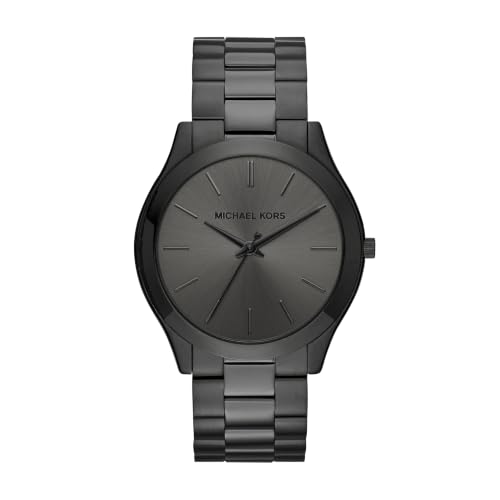


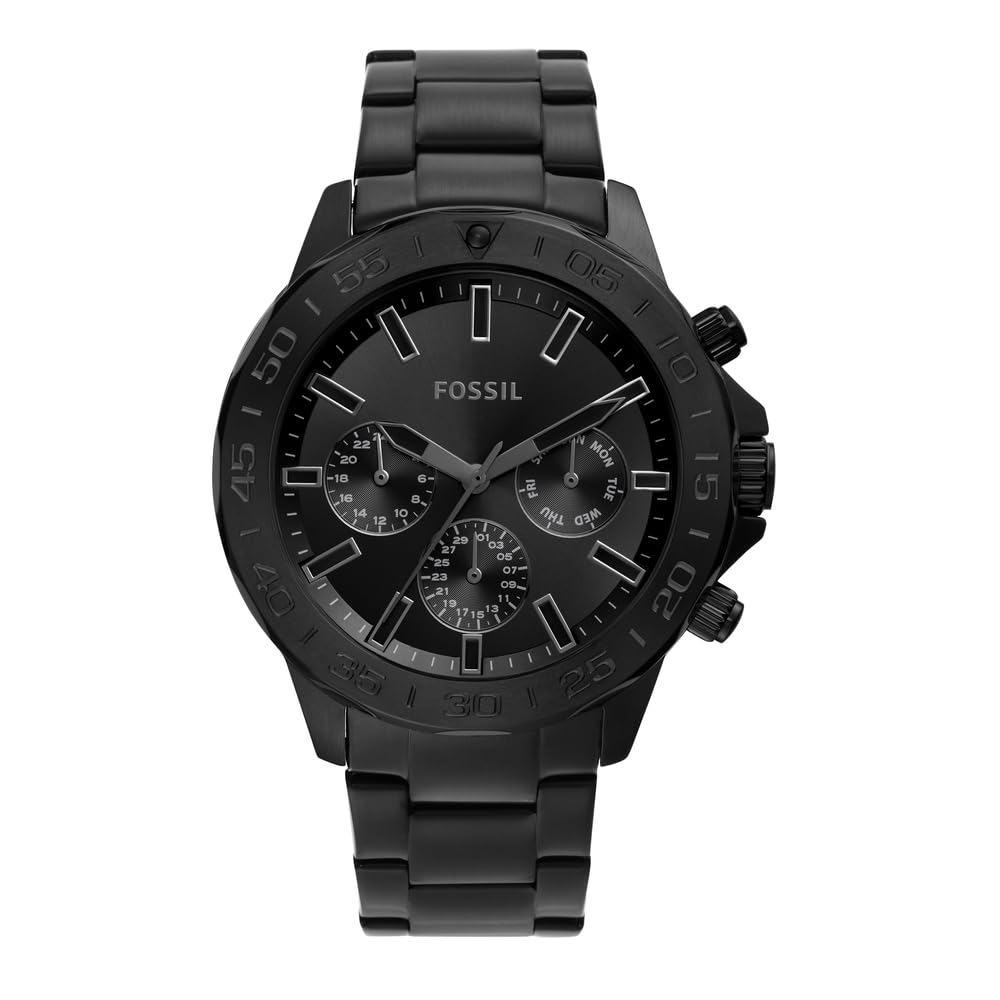


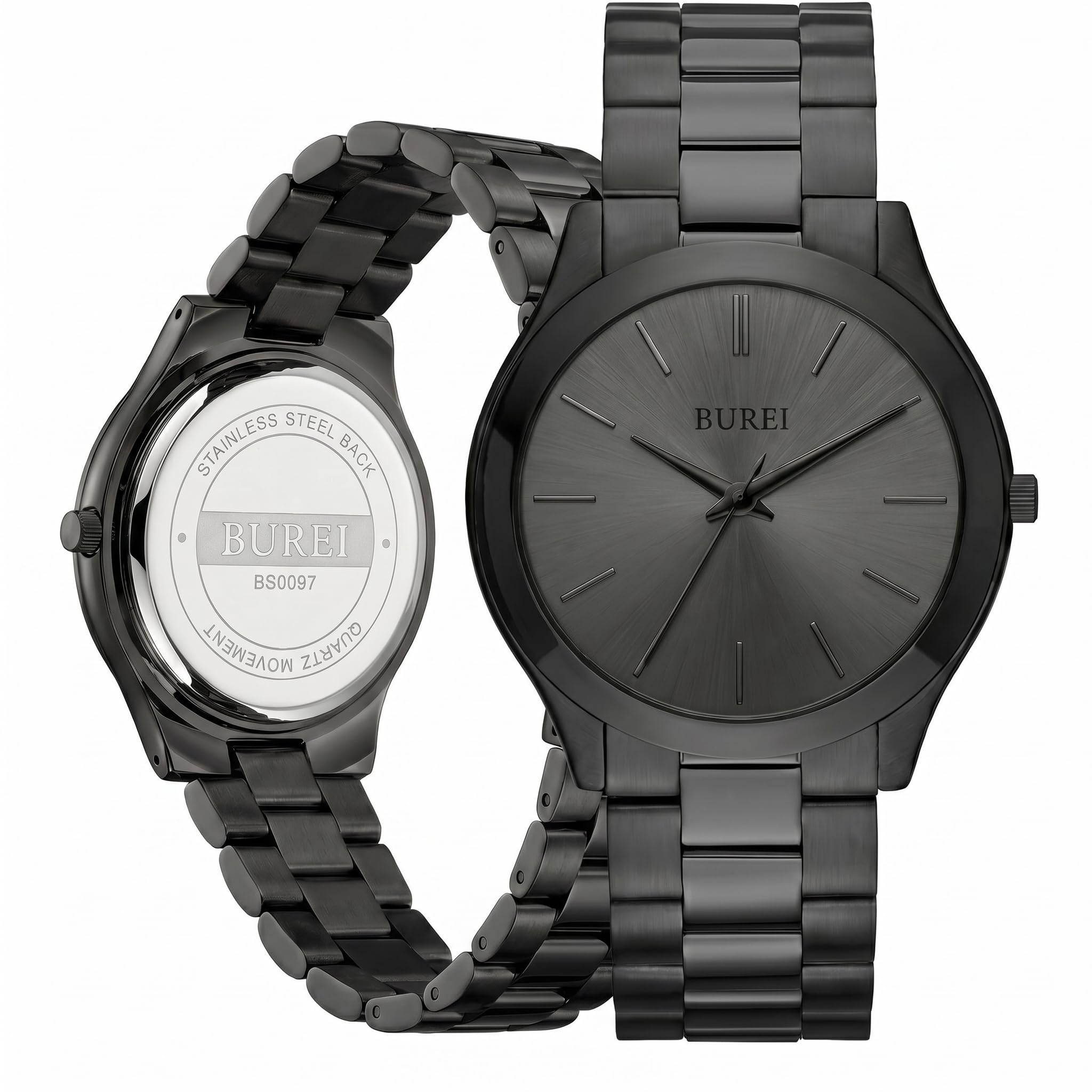

How to Evaluate Black Stainless Steel Watches
Movement Type (Quartz, Automatic, Solar, Smart)
The movement is the engine that drives the hands. Quartz movements run on a battery, keep excellent time, and cost the least to own, with a battery change every two to three years. Automatic movements wind from your wrist motion, need no battery, and appeal to buyers who enjoy mechanical craft, but they drift by seconds per day and need service over time. Solar movements charge from light and remove battery worries for years. Smart models add notifications and health tracking, yet they need charging every few days and age fastest. Choose based on how much upkeep you accept.
Case Size and Wrist Fit
Case diameter drives how a watch looks and feels more than any photo shows. Most wrists suit 38 to 42 mm, smaller wrists often suit 36 to 40 mm, and large wrists can carry 42 to 44 mm. Measure the lug to lug length as well, since the lugs should not hang past the edges of your wrist. Thickness matters under shirt cuffs, where about 10 to 12 mm slides easily and 14 mm or more can catch. Try the watch on if you can, and check that the crown does not dig into the back of your hand when your wrist bends.
Water Resistance Rating
The rating on the dial is a controlled-condition rating, not a depth promise for daily life. A 30 m rating means splash resistance only, so keep the watch out of the shower and pool. A 100 m rating allows swimming and snorkeling for most wearers, and it is the sensible minimum for an everyday watch you never want to remove. A 200 m rating, usually paired with a screw down crown, suits diving and rough water use. Remember that seals age, so have the gaskets checked every few years if you swim often.
Brand Reputation, Warranty, and Value
A steady brand with a real service network protects your purchase long after checkout. Look for a warranty of at least two years, clear service pricing, and spare parts support in the United States. Value is not the lowest price, it is the mix of materials, movement quality, and support at that price. Black coatings add a special point to check. Better coatings resist scratches and fading at the edges, while cheap paint can wear to bright steel within months, so favor brands that state the coating method used.
Strap and Bracelet Options
Most black steel watches arrive on a matching steel bracelet, which gives the most formal and durable look. Check that the clasp offers micro adjustment holes or a sliding adjust, since wrists swell during the day. Quick release spring bars let you swap to leather for dress wear, a fabric strap for summer, or silicone for sport, all without tools. Standard lug widths such as 20 or 22 mm make replacement straps easy to find. A bracelet with solid links feels more substantial and rattles less than one with folded links, and the difference shows in daily wear.
Crystal and Case Materials
The crystal is the clear cover over the dial, and it takes most scratches first. Sapphire crystal is the hardest common option and stays clear for years, which is why it leads the checklist. Mineral glass costs less and resists shattering, but it picks up scratches that cannot be polished out. For the case, grade 316L stainless steel is the industry standard for corrosion resistance and skin safety. The black finish is usually a coating over that steel, so ask how the coating is applied. Titanium cases weigh less but cost more and appear less often in black steel styles.
For a wider view of the category in all finishes, see our guide to the best stainless steel watches. Buyers shopping for a man in their life can compare our guide to the best stainless steel watches for men, while our guide to the best women's stainless steel watches covers smaller case sizes and slimmer bracelets.
Three Buyer Profiles That Pass the Checklist
Balanced Everyday Profile
The balanced everyday profile passes every section of the checklist at once. Aim for a case of 38 to 42 mm, sapphire crystal, a 100 m water resistance rating, and a quartz or solar movement if you want low upkeep, or an automatic if you value mechanical craft. Expect to pay about $200 to $500 for this tier in black steel. Its one tradeoff is that it rarely stands out as a statement piece. It wins by doing everything well, matching suits and casual wear, and needing almost no thought once it is on your wrist.
Value Profile
The value profile keeps the costly parts where they count and saves elsewhere. Keep the 100 m rating and a reliable quartz movement, accept mineral glass instead of sapphire, and look at about $100 to $250. You still get a steel case, a readable dial with lume for low light, and a bracelet with solid end links on better examples. The main limit is long term scratch resistance on the crystal and coating, so treat it as a daily work watch rather than a lifetime piece, and it will reward you.
Heavy Use Profile
The heavy use profile suits field work, water sports, and buyers who are hard on gear. Require a 200 m rating, a screw down crown, sapphire crystal, and a coating described as hard and wear resistant. Solar power suits this profile well, since it removes battery changes after rough handling. Prices often run about $300 to $700. The tradeoff is size and weight, since these watches run thicker and heavier on the wrist. In return you get a watch you can swim, work, and travel with and rarely need to remove.
Active buyers may also want our guide to the best stainless steel sports watches, which focuses on straps and ratings for training and outdoor use.
Quick Buyer Checklist
- Does the case size suit your wrist, with lugs that stay inside your wrist edges?
- Is the water resistance at least 100 m for daily wear without worry?
- Is the crystal sapphire, or are you accepting mineral glass to save money on purpose?
- Does the movement type match the upkeep you are willing to do?
- Is the black coating method stated by the maker, rather than left vague?
- Does the clasp adjust enough for your wrist to swell on warm days?
- Is the warranty at least two years, with service available in your country?
- Can you read the dial at a glance, with lume that glows after light exposure?
Red Flags to Watch For
- Vague water claims. Words like water resistant with no meter rating tell you nothing useful.
- No coating information. A black finish with no stated method often wears off at the clasp and case edges first.
- Missing warranty details. A warranty under one year, or one with no service address, signals weak support.
- Odd review patterns. Many short, glowing reviews posted in a tight window are a warning sign for any product.
- Unrealistic specifications. Claims of sapphire, automatic movement, and 200 m rating at a very low price rarely add up.
Tips to Get the Most From Your Black Stainless Steel Watch
Service automatic watches every 5 to 7 years, or sooner if timekeeping drifts badly or moisture appears under the crystal. Rinse the watch in fresh water after saltwater exposure, and dry the bracelet with a soft cloth so salt does not sit in the links. Store the watch away from magnets, including phone speakers and bag clasps, since magnetism is a common hidden cause of fast running in mechanical watches. Wipe the black coating with a microfiber cloth rather than abrasive pads, and avoid harsh chemicals that can dull the finish.
Frequently Asked Questions
How water resistant should a watch be?
For daily wear, 100 m is the practical answer, because it covers rain, showers, and swimming without removing the watch. A 30 m watch should stay away from swimming entirely, despite what the number suggests. One point the body of this guide only touches briefly is aging. Seals dry out over time, so a ten year old watch should be pressure tested before you trust its original rating again.
Is a smartwatch worth it over a classic watch?
It depends on whether you value data or longevity more. A smartwatch adds notifications, GPS, and health tracking, but it needs frequent charging and becomes outdated as software moves on. A classic steel watch tells time for decades with basic service. Many buyers own both, using the smartwatch for workouts and the steel watch for work and events where a glowing screen would feel out of place.
What case size fits my wrist?
Measure your wrist with a soft tape, then match it to a size range. Wrists under about 6.5 inches usually suit 36 to 40 mm cases, mid size wrists suit 38 to 42 mm, and larger wrists can wear 42 to 44 mm. Lug to lug length decides the real fit, so a compact 42 mm watch can wear smaller than a long lug 40 mm design. Photos on your own wrist, taken from a distance, judge size better than close mirror views.
Quartz or automatic: which is better?
Neither is better for everyone. Quartz wins on accuracy, thin cases, and low cost, and it is ready after weeks in a drawer. Automatic wins on craft, smooth second hand motion, and freedom from battery changes, at the price of service every few years and daily wear or winding to keep it running. Pick quartz for a grab and go daily watch, and automatic if the mechanics themselves give you pleasure.
How long does a watch battery last?
Most quartz watch batteries last about two to three years, and solar models can run a decade or more before their rechargeable cell needs service. Replace the battery promptly when the second hand starts jumping in steps, since a dead battery left inside can leak and damage the movement. Have the seals replaced and the case pressure tested at the same visit if your watch carries a 100 m or higher rating.
Our Verdict
Judge by movement, case fit, and water resistance first, then by crystal and coating quality. A watch that passes those checks will be one of the best black stainless steel watches for your wrist and your routine, whatever the brand. Compare your shortlist against the product table above, confirm the lug width and warranty before you pay, and your choice should serve you for years.


