
Best Black Shoes for Waitressing: Matching the Right Model to Your Routine for 2026
Disclosure: We may earn a commission when you buy through links on this page, at no extra cost to you. As an Amazon Associate I earn from qualifying purchases. Learn more

Discover the best black shoes for waitressing for your needs. We match features to real use cases so you avoid overpaying and get the right fit the first time.
No single shoe is right for every server, because no two serving jobs load your feet the same way. The best black shoes for waitressing for a diner cook line runner who crosses greasy tile all night differ from the right pair for a fine dining server gliding over carpet. Matching the shoe to your floor, your shift length, and your uniform rules is the whole game.
This guide sorts servers by routine first, then covers the features that decide whether your feet survive a double shift. Scan the comparison table below for a sense of styles and price tiers, then use the sections that follow to pick with confidence.


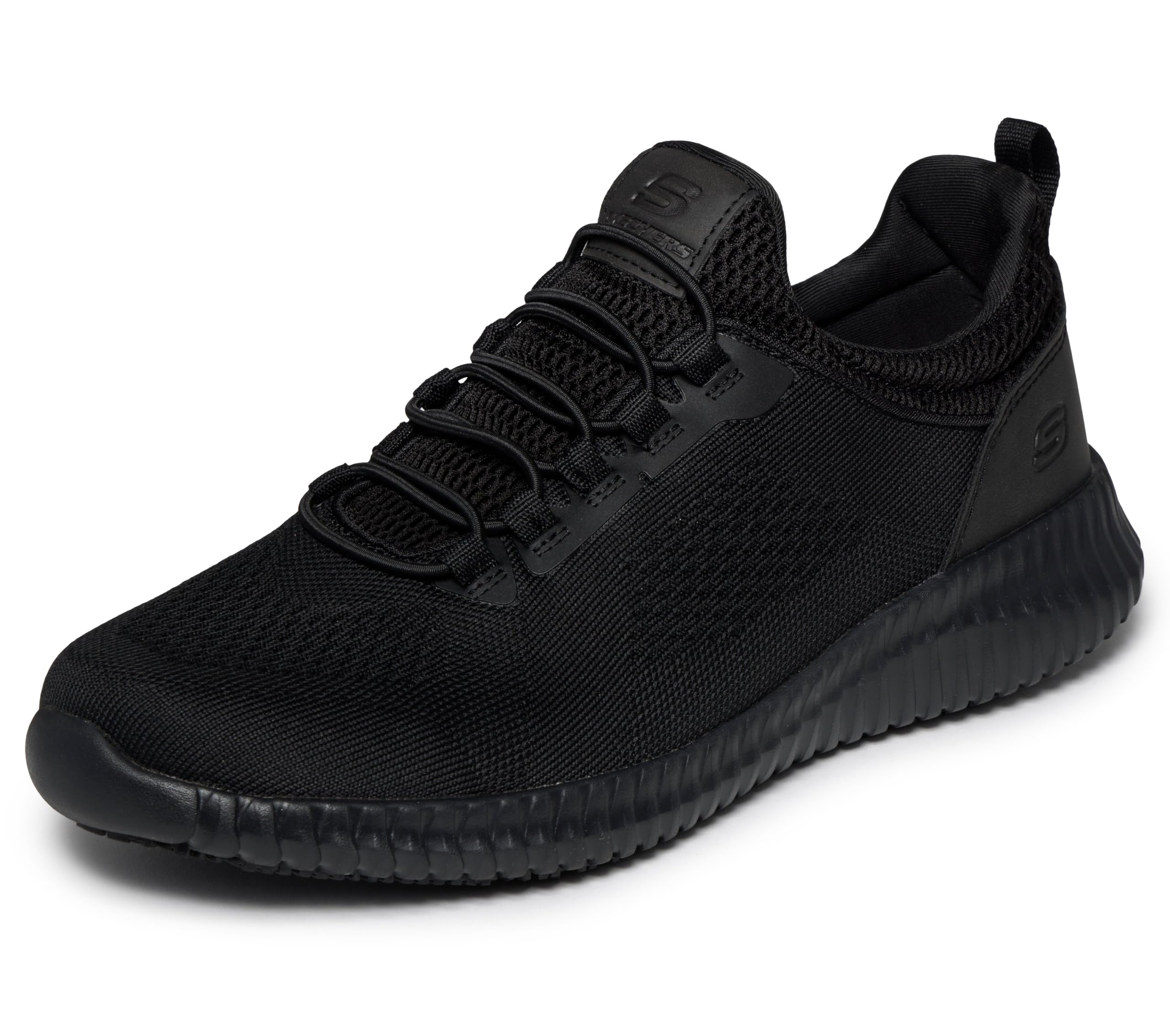
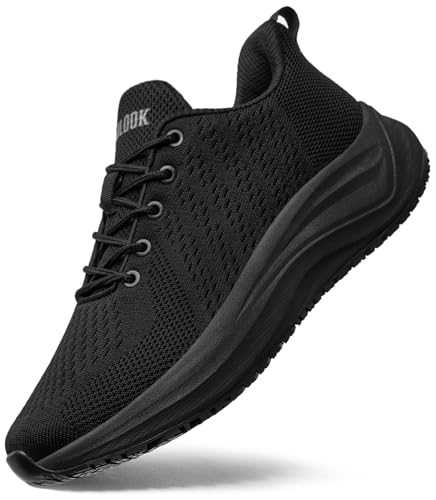

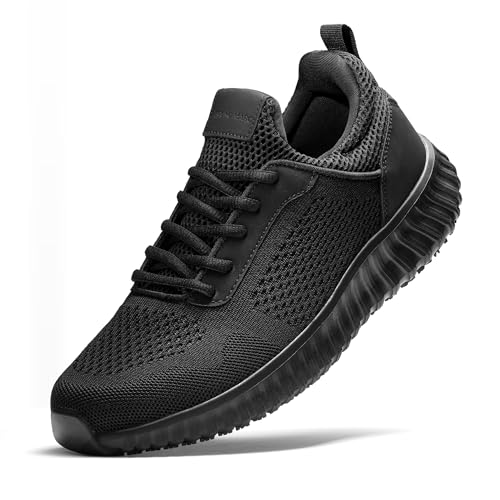

Who Should Buy Which Black Shoes?
For Servers Who Change at Work
If you change at work and stash your shoes in a locker, a cubby, or a crowded entryway at home, compactness becomes a real feature. Lightweight slip on styles and low profile athletic shoes take the least room and weigh little in a work bag. Avoid bulky maximal cushioning models if your locker is small, and choose uppers that tolerate being stuffed in a tote without creasing badly. A second practical point: shoes that dry fast after a spill can be aired in a locker overnight instead of coming home damp.
For Frequent or Serious Users
If you work four or more shifts a week, treat shoes as professional equipment, not an afterthought. Prioritize a certified slip resistant outsole, durable leather or coated uppers that wipe clean, and cushioning that keeps its spring past the three month mark. A real warranty and replaceable insoles stretch your money further. Many full time servers also rotate two pairs, which lets each pair dry and recover between shifts and roughly doubles the life of both. This group should budget at the mid range or above without guilt.
For Weekend Beginners
New servers and weekend only staff need a shoe that works immediately, without a long break in or a painful learning curve. Choose a proven slip resistant sole, moderate cushioning, and a fit that feels right on the first evening try on. Budget and mid range options are sensible here, since you are still learning your floors and your pace. Skip fashion sneakers with smooth soles entirely, even for one trial shift: kitchen floors punish them. Once you know the job suits you, upgrade with the confidence of experience.
Key Features to Compare in Black Shoes for Waitressing
Break In Period and Comfort Out of the Box
Serving shifts leave no room for a two week break in, so judge comfort honestly at the first try on. Leather shoes soften over the first few shifts and mold to your feet, which rewards patience, while knit and mesh athletic styles feel broken in immediately but may stretch loose over months. Either way, your first real wear should be a shorter shift, not a Saturday double. If a shoe pinches or rubs at home on carpet, it will be worse at hour seven on tile, so exchange it rather than hoping.
Features That Matter for Waitressing
Waitressing demands a specific trio: grip on wet and greasy floors, cushioning for constant standing and walking, and uppers that survive spills. The outsole is the headline feature: look for a slip resistant rating and a tread pattern with many small channels that move water aside, since a flat smooth sole hydroplanes on kitchen tile. Cushioning should feel firm and springy rather than marshmallow soft, which can tire legs over long shifts. For a broader look at the category beyond work rules, the best black shoes guide covers everyday styles, but keep your serving standards stricter than street standards.
Fit, Sizing, and Toe Box
Fit your shoes in the evening, when serving feet are at their largest, and wear your actual work socks. You want a thumb width of space in front of your longest toe, a heel that stays put without biting, and a toe box wide enough that your toes can spread under load. Feet swell during shifts, so a shoe that feels perfect at 9 in the morning can feel tight by close. If you are between sizes, most servers do better sizing up slightly and adjusting with socks or an insole, rather than enduring compression for ten hours.
Upper Materials and Breathability
Full grain and coated leather uppers wipe clean after spills, resist water, and meet strict uniform policies, but they breathe less and weigh more. Mesh and knit uppers feel light and airy across a long shift, yet they soak through when a drink goes over and can stain. Many servers land on a hybrid: leather at the toe and heel where spills land, breathable panels at the sides. Whichever you choose, confirm the shoe is fully black, including the sole and logo, if your workplace enforces a uniform code.
Common Mistakes to Avoid When Buying Black Shoes
- Trusting looks over the outsole: a stylish sneaker with a smooth sole is a fall waiting to happen on wet tile.
- Ignoring the break in reality: scheduling your first wear for the busiest shift of the week turns a small rub into a blister emergency.
- Buying exactly your morning size: feet swell across a shift, so evening fitting prevents the late shift squeeze.
- Skipping the warranty: soles and stitching work hard in restaurants, and coverage protects you when a defect appears early.
- Forgetting male coworkers fit too: unisex lines differ in width, and the best black shoes for men guide explains the sizing differences worth checking.
Care and Maintenance Tips
Air dry wet shoes away from direct heat, since radiators and ovens crack leather and warp foam. Wipe uppers after every shift so spilled sauces do not set into the material overnight. Rotate two pairs if you work daily, and replace insoles when the cushioning feels flat, usually well before the uppers wear out. For athletic style work shoes, plan on replacement after roughly 300 to 500 miles of walking, which busy servers accumulate faster than they expect. A quick sole check matters too: once the tread looks smooth, the slip resistance you bought is gone.
FAQs
What features matter most in black shoes for waitressing?
A slip resistant outsole matters most, followed by firm cushioning and a roomy toe box. Test grip thinking about your worst floor moment, such as carrying a tray across a freshly mopped kitchen pass. One underrated feature is a raised, sealed edge where the upper meets the sole, which keeps mop water and spilled drinks from seeping in at the seam during a busy service.
Can I wear black shoes for waitressing all day?
Yes, if the shoe is built for standing work and fits your evening foot size. All day wear asks for cushioning that supports rather than sinks, plus an insole with some arch contact so your feet are not doing all the work. Take sitting breaks when the job allows, and roll your feet on a bottle during break to ease tightness. Persistent heel or arch pain after shifts is a sign to see a clinician, not just to buy another shoe.
How long is the break in period for work shoes?
Most servers find leather work shoes settle in after three to five shifts, while knit athletic styles feel right almost immediately. Plan the break in across shorter shifts, and carry adhesive bandages for the first week in case a heel spot rubs. If pain is sharp rather than a mild stiffness, or if it has not eased after a week of normal wear, the fit is wrong for your foot and an exchange beats endurance.
How should black shoes fit for serving shifts?
They should feel secure at the heel, roomy at the toes, and snug but never tight across the midfoot. A useful home test is standing on one foot and rising onto your toes: your heel should not pop out and your toes should not jam forward. Remember that thick cushioned socks change the fit, so always try shoes with your work socks. Servers who prefer a sportier feel sometimes cross shop the best black tennis shoes category, but only models with true slip resistant soles belong in a kitchen.
Do I need waterproof shoes for waitressing?
You need water resistance more than full waterproofing. Spills, mop water, and dish area splashes are the daily threats, and a coated leather upper handles them well while still looking professional. Fully waterproof membranes add warmth and cost, and they make sense mainly if you regularly work patio sections in wet weather or hose down areas yourself. Whatever you choose, treat seams with a suitable protector and dry shoes gently after a soaking.
Are expensive black shoes worth it for servers?
For full time servers, often yes: higher tiers buy tougher outsoles that keep their grip longer, cushioning that survives months of doubles, and uppers a cobbler can maintain. For a few shifts a month, a solid mid range pair usually delivers the same safety and comfort. Judge by cost per shift rather than the tag: a pair that lasts a year of full time work is cheaper per shift than a bargain pair replaced every season.
Final Thoughts
Put grip first, cushioning second, and honest evening fit third, and your feet will thank you at close. Match the upper material to your spills and uniform rules, rotate pairs if you work daily, and replace shoes when the tread fades. Compare your shortlist in the product table above and choose the best black shoes for waitressing for the floors you actually cross every shift.


