
Best Black Pvd Watches: The Buyer Checklist We Use for 2026
Disclosure: We may earn a commission when you buy through links on this page, at no extra cost to you. As an Amazon Associate I earn from qualifying purchases. Learn more

Learn how to choose the best black pvd watches with a clear checklist on coating, movement, crystal, straps, water resistance, and price tiers.
A black watch looks simple until you start comparing coatings, movements, and crystals side by side. This guide gives you the checklist to judge best black pvd watches fairly, so you can score any model yourself in a few minutes. No watch knowledge is assumed, and every term is explained in plain words.
Start with the comparison table below to see the range on offer. Then work through the criteria in order. By the end, you will know which specs deserve your money and which ones are mostly decoration.


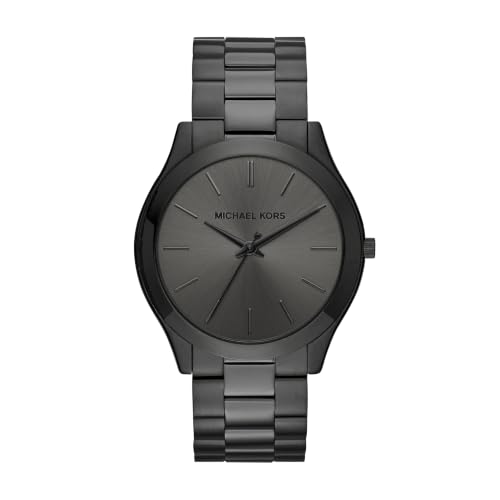

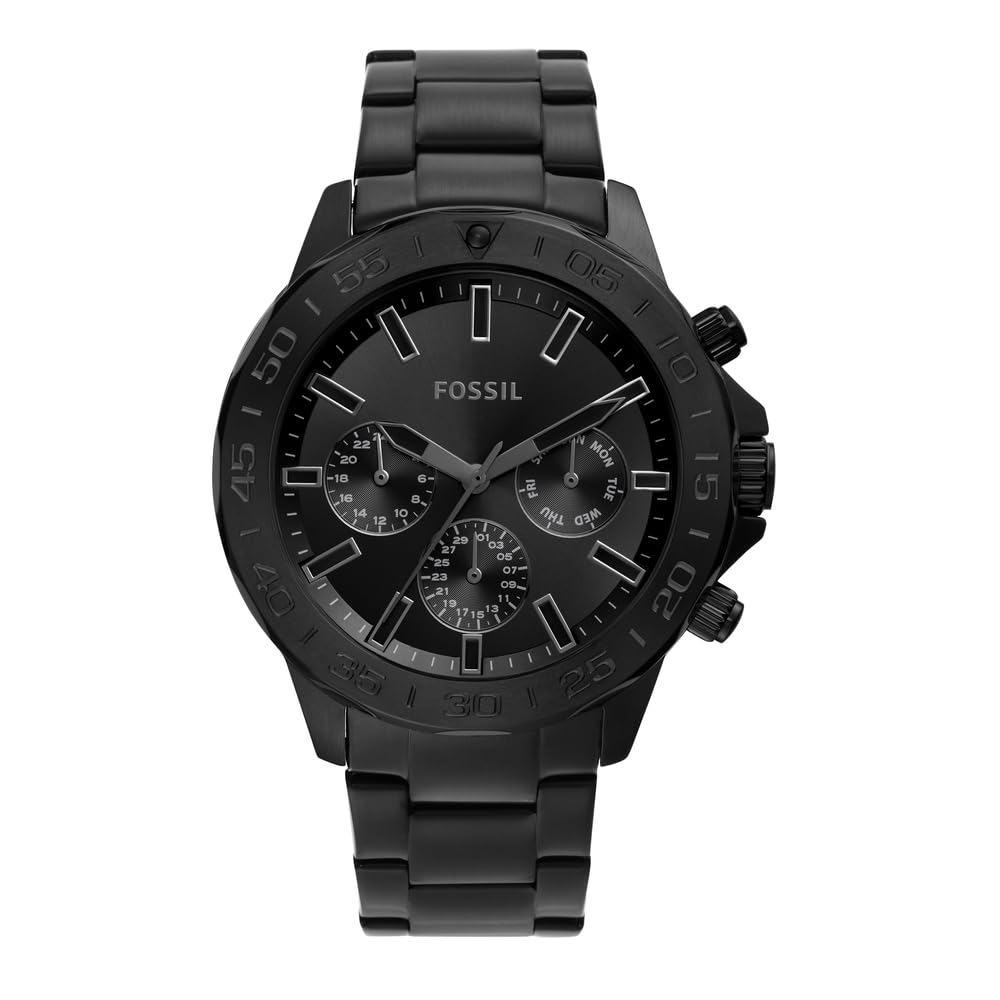

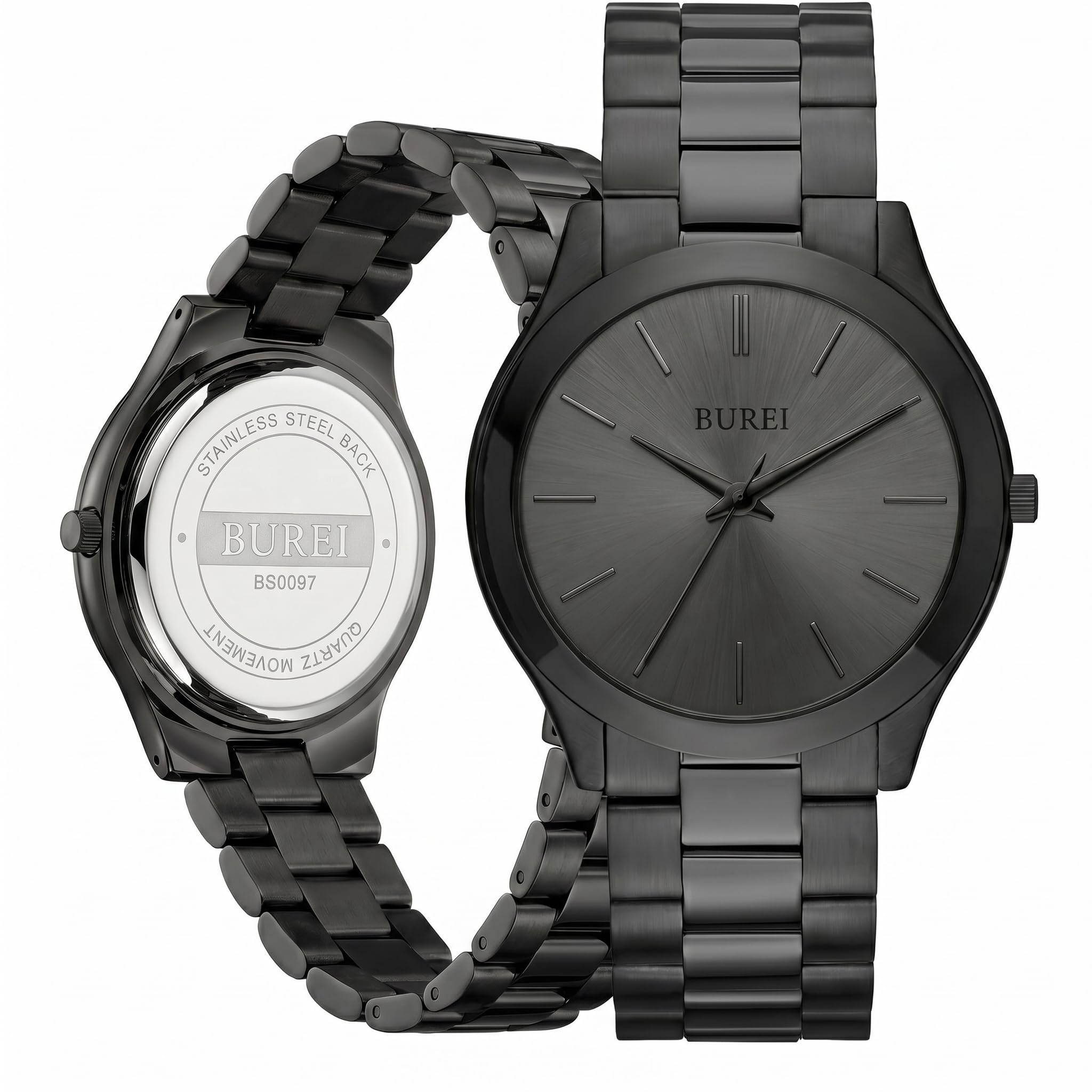
How to Evaluate Black Pvd Watches
PVD stands for physical vapor deposition. It is a process that bonds a thin black coating to a metal case inside a vacuum chamber. A well applied PVD layer is hard and even, but it is still a coating. It can show wear at sharp edges after years of knocks, which is why coating quality sits at the center of this checklist.
Movement Type (Quartz, Automatic, Solar, Smart)
The movement is the engine that drives the hands. Quartz movements run on a battery, keep excellent time, and need little care beyond a battery change every two to three years. Automatic movements wind themselves from your wrist motion and appeal to buyers who enjoy mechanical craft, but they gain or lose a few seconds a day and need servicing. Solar movements charge from light and remove battery worries. Smart movements add screens and sensors, yet need charging every few days. Match the movement to your patience, not to fashion.
Crystal and Case Materials
The crystal is the clear cover over the dial. Sapphire crystal resists scratches better than almost anything and appears on higher priced watches. Mineral glass sits in the middle and suits daily wear at a lower cost. Acrylic scratches easily but polishes clear again. For the case, stainless steel with a PVD finish is the common choice and feels solid. Titanium is lighter and kinder to sensitive skin. Check that the listing names the case metal clearly, since a coated alloy case wears faster and feels cheaper.
Smart and Fitness Features
Some black watches add GPS tracking, heart rate sensing, and phone notifications. These features help if you train outdoors and want distance and pace on your wrist. Battery life is the trade off: a full featured smart model may need charging every one to seven days, while a simple quartz watch runs for years. Remember that wrist heart rate readings support general fitness tracking and do not replace a medical device. If you only need the time and a clean black look, skip the sensors and save the money.
Legibility and Style
Black on black styling looks sharp in photos and can be hard to read in real life. Look for hands and markers in a contrasting tone, or at least a polished edge that catches light. Lume is the glow material on hands and markers, and good lume stays readable through the night after a short exposure to light. Style matters too. Slim cases and plain dials suit office wear. Large cases with bold bezels suit casual and outdoor use. If you want the stealth look pushed further, our guide to the best black on black watches focuses only on that style.
Strap and Bracelet Options
The strap changes comfort more than most buyers expect. A metal bracelet with a PVD finish matches the case and lasts for years, but it adds weight and shows scratches on the clasp. Leather looks smart and feels light, yet it dislikes water. Silicone and rubber suit sport and summer wear. Fabric straps feel casual and wash easily. Quick release spring bars are worth seeking, because they let you swap straps in seconds without tools. Check the lug width before ordering spare straps, since widths vary by model.
Water Resistance Rating
Water resistance figures describe rated pressure, not swimming depth. A 30 m rating means splash resistance only, so keep the watch dry when you wash your hands with care. A 100 m rating allows swimming and showering for most wearers. A 200 m rating suits diving and rough water use. Whatever the rating, never press buttons underwater unless the maker states that it is safe, and have seals checked every few years. A black PVD case gains nothing here, but the rating tells you how confidently you can wear the watch daily.
Three Profiles That Pass the Checklist
A good buy looks different at each budget. Instead of naming models, use these three profiles to judge whatever appears in the product table above. Each profile lists who it suits, what must be present, and the compromise you should accept with open eyes.
The Everyday Profile
This profile suits a buyer who wants one black watch for work, evenings, and weekends. Require a sapphire crystal, a steel case with an even PVD finish, and at least 100 m of water resistance. The movement can be quartz or automatic, but timekeeping should be steady and the strap should have quick release bars. Expect to pay around $200 to $450. The compromise is weight, since a steel case and bracelet feel substantial on a slim wrist by the end of a long day.
The Budget Profile
This profile suits a buyer who wants the black PVD look without paying for luxury branding. Require a mineral or sapphire coated crystal, a named case metal, and clear lume on the hands. A quartz movement keeps cost and upkeep low. Expect to pay around $80 to $200. The compromise is finishing: polishing may be less even and the bracelet may feel lighter. If you are comparing this tier against plainer designs, our guide to the best black watches shows how much of the price is the coating itself.
The Heavy Use Profile
This profile suits tradespeople, outdoor workers, and anyone whose watch takes knocks. Require a 200 m rating, a screw down crown, and a rubber or fabric strap that tolerates water and dirt. A solar movement removes battery changes from your schedule. Expect to pay around $150 to $400. The compromise is style, since thick cases and bold dials look out of place with formal clothing. Accept that the PVD coating will show wear at the edges over time, which many owners treat as honest character.
Quick Buyer Checklist
- Does the listing name the case metal and the crystal type clearly?
- Is the water resistance at least 100 m for daily wear with confidence?
- Can you read the hands against the dial at a glance in low light?
- Does the strap use quick release bars so you can swap it at home?
- Is the case size within the range your wrist wears comfortably?
- Does the seller state the warranty length and who handles repairs?
- Is the return window long enough for a week of real wear at home?
If you answered no twice or more, keep looking. Shoppers weighing a larger budget can also compare the finish standards described in our guide to the best black luxury watches, where coating and crystal quality rise with price.
Red Flags to Watch For
- Vague materials. Listings that say metal alloy or glass without naming the type usually hide low grade parts.
- Inflated water claims. A watch sold as waterproof with only a 30 m rating will not survive swimming.
- No warranty terms. A warranty of a few months on a watch over $150 signals low confidence from the seller.
- Stock photos only. If every image looks like a render, you cannot judge coating evenness or dial contrast.
- Odd review patterns. Many short reviews posted on the same day deserve skepticism.
One further check costs nothing. Search the model name plus the word coating and read what owners say after a year of wear. PVD quality shows itself over months, not days. For a broader view of coatings alone, our guide to the best pvd watches compares finishes across colors.
Care and Maintenance Tips
Rinse the watch in fresh water after saltwater exposure and dry it with a soft cloth. Keep it away from strong magnets, which can disturb a mechanical movement. Book a service for an automatic watch every five to seven years, and change quartz batteries promptly so an old battery cannot leak. Clean a PVD case with mild soap and water only, since harsh polish can thin the coating. Store the watch in a soft pouch so the black finish does not rub against harder metals.
FAQs
How water resistant should a watch be?
Choose at least 100 m if you want to swim or shower without worry. A 30 m or 50 m rating covers rain and splashes only, despite the impressive sounding depth figure. A detail many buyers miss: ratings assume still water under controlled conditions, and a hot shower can age seals faster because heat and soap attack rubber gaskets. When in doubt, take the watch off before hot water.
What case size fits my wrist?
Most wrists suit a case between 38 mm and 42 mm. Measure your wrist, then check that the lugs do not overhang the edges when you try the watch on. A practical trick is tracing the case shape on paper at full size and taping it to your wrist before you order. Thick cases wear larger than slim ones of the same width, so consider case height as well as diameter.
Is a smartwatch worth it over a classic watch?
A smartwatch earns its price if you will actually use its training data, notifications, and timers every day. A classic watch wins on battery life, long term durability, and style that does not date as software changes. Buyers who replace phones often should note that smart models depend on app support, which can end within a few years. A plain quartz or automatic black watch has no such expiry date.
Quartz or automatic: which is better?
Quartz is better for accuracy, low cost, and zero fuss, since it keeps time within seconds per month and only needs a battery. Automatic is better if you value mechanical craft and a smooth sweeping second hand. One point rarely mentioned: an automatic watch stops after a day or two off the wrist, so occasional wearers must reset it often. Daily wearers will never notice that drawback.
How long does a watch battery last?
A typical quartz battery lasts about two to three years. Models with heavy use of lights, alarms, or GPS drain faster. Solar watches avoid the question by charging from light, though their rechargeable cells also age after many years. When a quartz watch starts losing time or the second hand jumps in steps, treat that as a low battery warning and book a change before leakage can damage the movement.
Final Thoughts
Judge any black PVD watch on coating honesty, crystal type, and water resistance first. Those three points decide how the watch looks and works after years, not weeks. Return to the comparison table above, score each option against the checklist, and the best black pvd watches for your wrist and budget will stand out clearly.


