
Best Black Nursing Shoes: Everything to Know Before Your First Purchase for 2026
Disclosure: We may earn a commission when you buy through links on this page, at no extra cost to you. As an Amazon Associate I earn from qualifying purchases. Learn more

Shopping for the best black nursing shoes for the first time? Learn the terms, compare options, and avoid rookie mistakes with this easy guide.
Buying work shoes for your first nursing role can feel oddly stressful. The color seems simple, yet fit, traction, and comfort matter far more once a shift runs long. This guide walks you through best black nursing shoes in plain language, from the basic terms to the final choice.
You do not need any background to follow along. Use the sections that follow to understand what each feature actually means for your feet, your uniform policy, and your budget.


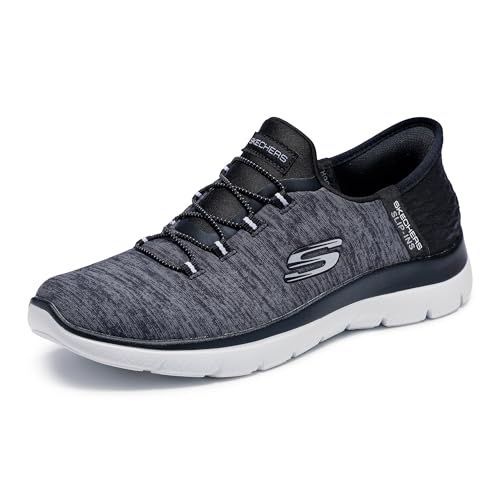

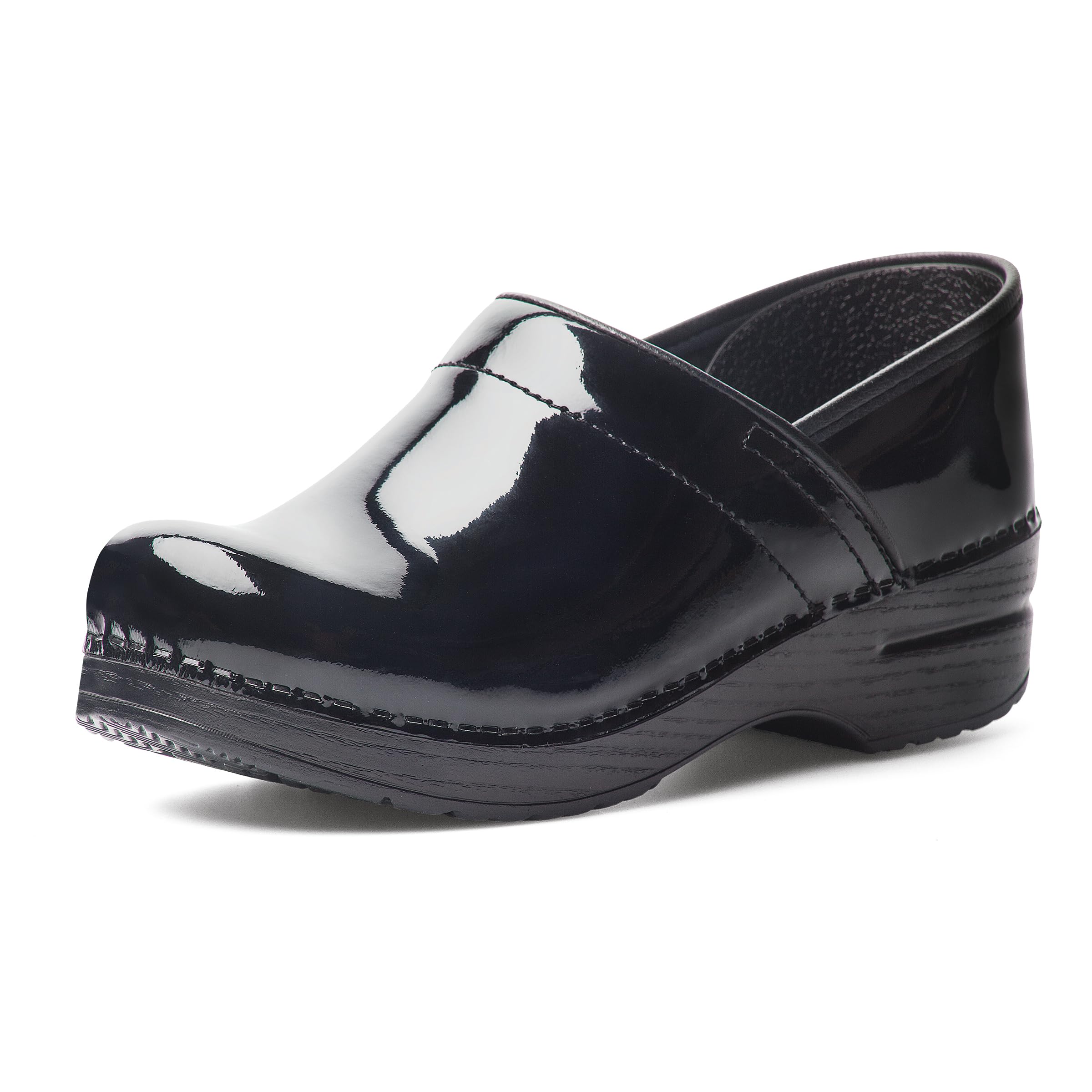

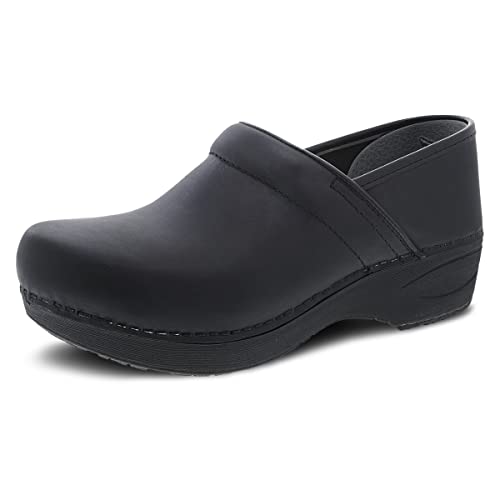


Black Nursing Shoes 101: The Basics
A nursing shoe is a work shoe built for long hours on hard floors. It usually combines a cushioned midsole, a supportive insole, a closed toe, and an outsole made to grip smooth hospital and clinic floors. Black versions meet the uniform rules used by many hospitals, care homes, and clinics, and they also hide scuffs and small splashes better than pale colors.
The basic terms are easy once you translate them. The upper is everything above the sole. The midsole is the cushioning layer under your foot. The outsole is the rubber that touches the floor. A last point on color: if you only need the color in general work footwear, our guide to the best black shoes covers a wider range of styles beyond clinical settings.
Most nursing shoes come in three broad shapes. Athletic style shoes feel light and flexible. Clogs feel roomy and are easy to slip on and off. Leather duty shoes look more formal and wipe clean quickly. None is best for everyone. Your floor type, foot shape, and dress code narrow the choice quickly.
Key Specs Explained in Plain English
Slip Resistance and Protection
Safety in a work shoe is mostly about grip and protection. Look for an outsole described as slip resistant and, where a rating is given, check that it was measured on wet or oily surfaces, since ward floors are rarely dry all day. A closed toe protects against dropped items and rolling equipment. If your workplace handles chemicals or sharps, ask your manager which footwear standard your unit requires before you buy, and follow that rule over any general advice here.
Comfort Through a Long Shift
Comfort depends on cushioning that stays supportive late in the shift, a heel that keeps your foot stable, and enough room for feet that swell as the day goes on. Choose a shoe you can stand in for an hour at home without hot spots. If you develop ongoing heel pain, numbness, or swelling that does not settle with rest, talk with your clinician or a podiatrist before your next set of shifts.
Price and Employer Support
Work shoes are normally a personal purchase. Some employers offer a uniform allowance or a footwear stipend, and some staff discount schemes reduce the price at checkout, so check your contract or staff handbook first. Prices fall into clear tiers. Budget pairs cost around $40 to $70 and suit occasional shifts. Midrange pairs cost around $70 to $120 and usually add better cushioning and stronger uppers. Premium pairs can pass $120 and focus on durability and support.
Performance Features
Performance in a nursing shoe means three practical things. First, traction that holds when you turn quickly on a polished floor. Second, an upper that resists fluids and wipes clean after a splash. Third, cushioning that absorbs impact without feeling soft and unstable. Small details help too. A padded collar reduces rubbing at the ankle. A removable insole lets you add your own orthotic. Breathable panels matter in warm wards, while a full leather upper suits wet cleaning areas better.
Longevity and Convertibility
A good pair should last about six to twelve months of full time shifts before the cushioning feels flat. Rotating two pairs extends life, because foam recovers better with a rest day between wears. Convertibility for shoes simply means versatility. A plain black pair that meets your uniform policy can also serve for agency shifts, placements, and interviews. Avoid fashion details like large logos or colored soles if your dress code is strict, since one small rule breach can make an otherwise fine pair unusable at work.
Rookie Mistakes to Avoid
- Buying for looks alone. A neat black shoe that lacks grip or support will punish you by the fourth hour of a shift.
- Shopping in the morning. Feet swell during the day, so a fit that feels perfect at 9 a.m. can pinch by evening.
- Ignoring the dress code. Some units ban mesh uppers or open backed clogs, so read the policy before you pay.
- Skipping the insole check. If you wear orthotics, confirm the insole removes easily and leaves enough depth.
- Ordering one size only. Sizing varies a lot between brands, so compare the size chart with your foot length in centimeters.
One more practical tip: if you are choosing mainly on fit and support as a woman, compare notes with our guide to the best nursing shoes for women, since lasts and width options often differ from unisex ranges.
Getting Started: Setup and First Use
When your shoes arrive, wear them at home first. Walk on hard floors for thirty minutes, then check for rubbing at the heel, pressure on your toes, and any ache under the arch. Keep the packaging until you are sure about the fit, since most sellers accept returns only on shoes worn indoors.
Break them in over short shifts before a long one. Lace athletic styles firmly at the top eyelet to stop heel lift. Wipe leather uppers after each shift and let mesh styles air dry away from radiators. If you bought a pair for a partner or a colleague starting in the same field, the sizing and break in advice in our guide to the best nursing shoes for men follows the same steps, with notes on wider fits.
Your socks deserve a thought too. Thin dress socks let your foot slide inside the shoe, which causes friction and blisters on long rounds. Padded work socks or light compression socks hold the foot steadier and manage moisture better. Try your new shoes with the exact socks you plan to wear at work, because a thick sock can change the fit by half a size. If your toes feel crowded only with work socks on, go up a size rather than hoping the upper will stretch.
Register for any warranty the maker offers and keep your receipt. If a sole splits or stitching fails early, that paperwork turns a frustrating loss into a simple replacement claim.
Frequently Asked Questions
How do I clean and sanitize black nursing shoes?
Wipe leather uppers with a damp cloth and mild soap after each shift, then air dry them away from direct heat. Mesh styles can usually go in a gentle machine wash with the laces removed, but check the care label first. A useful extra step is rotating pairs, because a full day of drying between wears cuts odor and helps the lining last longer.
How long can black nursing shoes last?
Most pairs last about six to twelve months of full time use before the midsole loses its spring. You will feel it first as extra tiredness in your calves and a dull ache under the heel at the end of a shift. Replacing insoles can add a little life, but once the outsole tread looks smooth in the middle, grip drops and replacement is the safer choice.
Is a premium black nursing shoe really safer?
Not automatically. Price alone does not guarantee better grip or support, and a costly fashion leaning pair can perform worse than a plain midrange work shoe. What extra money should buy is a rated slip resistant outsole, stronger materials, and a better warranty. Judge safety by the outsole description, the fit on your foot, and your workplace rules, never by the price tag on its own.
Our Verdict
For a first purchase, put fit, grip, and dress code compliance ahead of everything else. Try shoes on late in the day, confirm the outsole suits wet floors, and pick the shape that matches how you work. Use those points to compare best black nursing shoes side by side and choose with confidence.


