
Best Black Metal Watches: Everything to Know Before Your First Purchase for 2026
Disclosure: We may earn a commission when you buy through links on this page, at no extra cost to you. As an Amazon Associate I earn from qualifying purchases. Learn more

Shopping for the best black metal watches for the first time? Learn the terms, compare options, and avoid rookie mistakes with this easy guide.
Buying your first black metal watch can feel like learning a new language. Listings throw around words like lume, lug width, and power reserve, and two watches at the same price can be built in completely different ways. This guide slows the process down: it explains the basics in plain English, then shows you how to judge the best black metal watches for your wrist and your budget, one spec at a time.
You do not need to become an expert before you buy. You only need to know which few specs affect comfort and durability, and which rookie mistakes waste money. The comparison table below gives you a quick overview once the terms make sense.


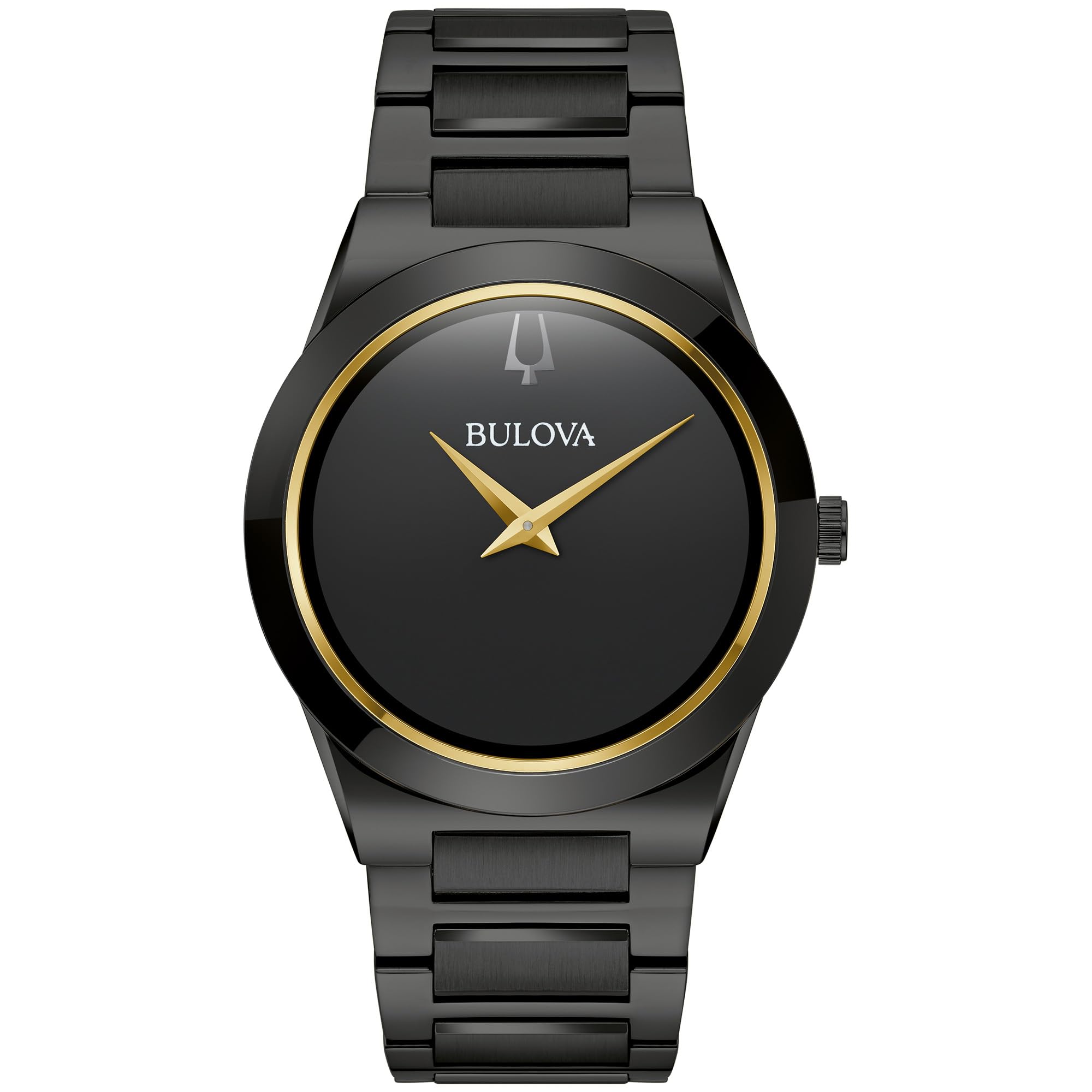

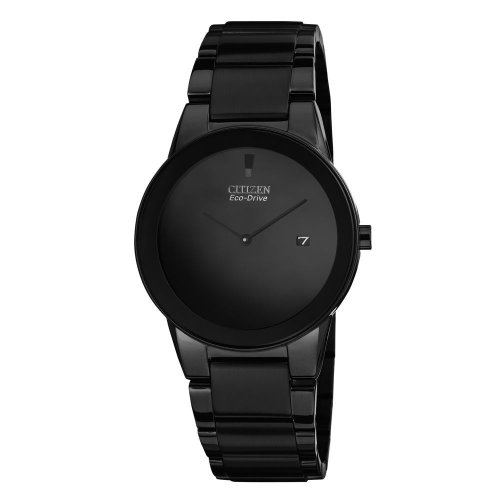


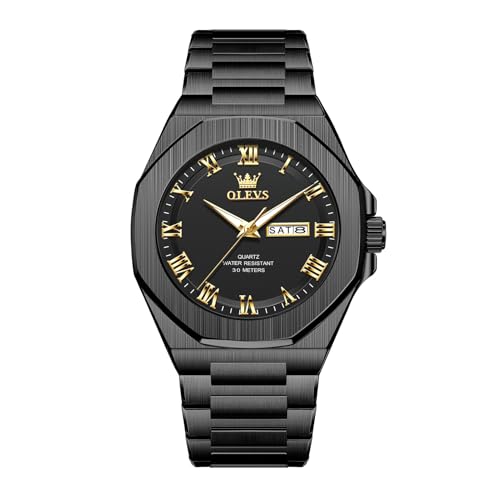
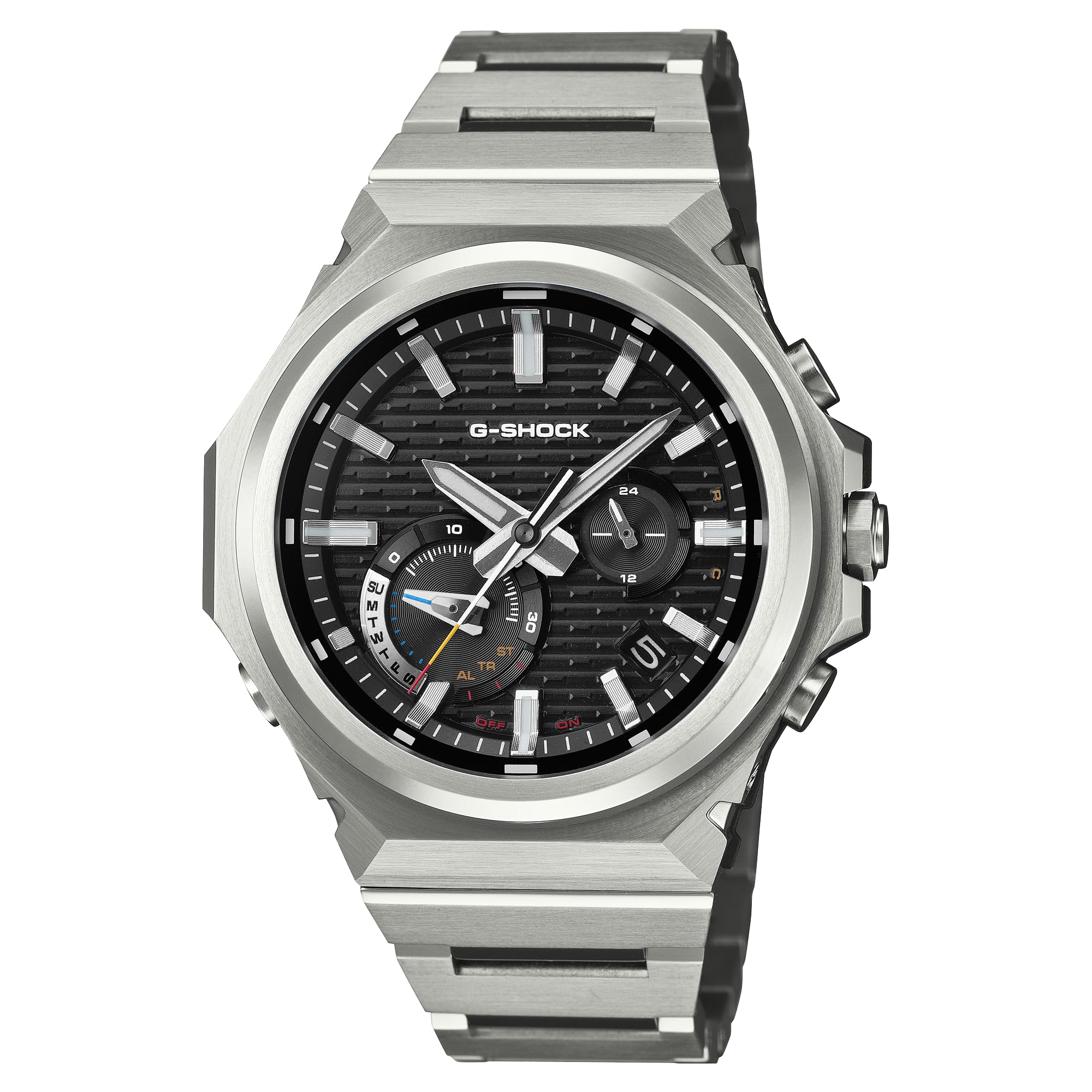
Black Metal Watches 101: The Basics
A black metal watch is a watch with a metal case, and usually a metal bracelet, finished in black. The black finish is normally a coating over stainless steel, applied by methods such as PVD or DLC. DLC coatings are harder and resist scratches better; basic coated finishes cost less but can wear at sharp edges over time, showing the steel beneath. Under the finish, the case protects the movement, which is the mechanism that moves the hands.
Metal bracelets differ from straps in feel and upkeep. A bracelet is sized by removing links, wears cooler in summer, and can go in water far more happily than leather can. The trade off is weight and a sportier look. If you are still deciding between all black styles and other metals, our guide to the best metal watches compares finishes across the category.
Key Specs Explained in Plain English
Movement Type (Quartz, Automatic, Solar, Smart)
The movement is simply what makes the watch tick. Quartz movements run on a battery, keep excellent time, and cost the least, which makes them the friendly first buy. Automatic movements are mechanical: your wrist motion winds a spring, and the watch runs for about a day or two off the wrist before stopping. Solar movements charge through the dial and free you from battery changes. Smart movements add screens, GPS, and apps, plus regular charging. For a first watch, quartz or solar keeps life simple.
Case Size and Wrist Fit
Case diameter is the width across the case, and most men and women land happily between 38 and 44 mm. Thickness matters too: a case around 10 to 13 mm thick slides under a cuff, while chunkier cases wear sporty. Lug to lug is the length from the top lug tip to the bottom one, and it decides whether the watch overhangs your wrist; if the lugs pass your wrist edges, size down. Measure your wrist with a soft tape and match the watch to the number, not to photos on larger wrists.
Water Resistance Rating
The number printed on the dial is a test rating, not a depth promise for real swims. A 30 meter rating means the watch shrugs off rain and splashes only. A 100 meter rating is the practical point where swimming becomes fine, and 200 meters covers recreational diving. Metal bracelets handle water well, but soap, heat, and age weaken the seals inside any watch. When in doubt, treat a new watch kindly and have its seals checked if you swim in it often.
Legibility and Style
Legibility is how fast you can read the time, and black on black styling can hurt it. Look for hands and markers that contrast with the dial, such as pale or polished metal against matte black, and lume, the glow material on hands and markers, if you read your watch at night or in cinemas and planes. A fully blacked out dial looks bold in daylight product photos and can be oddly hard to read at dusk. Our guide to the best black on black watches shows where that trade off works and where it does not.
Brand Reputation, Warranty, and Value
A known brand with service centers in the US and at least a two year warranty protects a first purchase far better than an unknown label with a longer spec list. Check what the warranty covers: movements are usually covered, while bracelet coatings and crystals often are not, which matters on a black finish. Value also includes the cost of ownership: battery changes are cheap, automatic services are not, and a scratched coating can rarely be repaired. Buy the watch you can maintain, not only the one you can purchase.
Strap and Bracelet Options
Most black metal watches arrive on a bracelet, but the lugs accept other straps if the width matches, commonly 20 or 22 mm. A quick release strap design lets you swap to leather for formal days or silicone for the gym with no tools. Check whether the bracelet has solid links, which feel dense and durable, or folded links, which feel lighter and cheaper. Also look for a clasp with small adjustment holes or an extension, since wrists swell slightly across a warm day and a fixed fit can pinch by evening. For a broader color shortlist first, see our guide to the best black watches.
Rookie Mistakes to Avoid
- Buying by diameter alone: ignoring lug to lug length and thickness is how first watches end up looking and feeling too big.
- Assuming black coating is permanent: coatings wear on edges and clasps; if flawless looks matter forever, plain steel ages more gracefully.
- Reading 30 meters as swim proof: that rating covers splashes, and one pool session can fog the crystal.
- Paying for features you will not use: GPS, dive bezels, and smart screens add cost and bulk; skip them unless your routine needs them.
- Skipping the warranty check: a cheap watch with no US service can cost more to fix than to replace.
Getting Started: Setup and First Use
When the watch arrives, start with fit. A jeweler can remove bracelet links in minutes, or you can use a small link tool at home; the bracelet should sit snug enough that the watch does not slide to your hand, with about a fingertip of give. Next, set the time and date following the manual, and avoid changing the date near midnight on mechanical models, when the date mechanism is engaged. Wind an automatic gently, about twenty turns of the crown, before first wear.
From there, two habits protect your watch. Rinse after saltwater exposure with fresh water and dry it well, since salt and sand work into bracelet joints. And note the service rhythm early: service automatic watches every 5 to 7 years, and replace quartz batteries promptly when they die so an old battery cannot leak inside the case.
FAQs
How long does a watch battery last?
A quartz battery usually lasts about two to three years, and efficient models can reach five. You will often get a warning: many movements make the second hand jump in steps of a few seconds when the battery runs low. Act on it within a few weeks. A fresh battery fitted by a shop that also inspects the seals costs little and keeps the watch water resistant, while a battery left dead for a year or more can leak and ruin the movement.
Quartz or automatic: which is better?
For a first watch, quartz is usually better: it is accurate, cheaper, thinner, and ready whenever you pick it up. Automatic is better if the mechanical side fascinates you and you will wear the watch most days, since daily wear keeps it wound. Remember the upkeep gap: a battery change every few years versus a full service every five to seven years. Neither choice is wrong, but the wrong match for your routine will annoy you weekly.
Is a smartwatch worth it over a classic watch?
A smartwatch earns its place if you want notifications on your wrist, timers, GPS for runs, and health tracking, and you accept charging every few days. As a first black metal watch, though, a classic model is simpler and will not feel outdated when software moves on. A useful middle path is a classic watch now and a low cost fitness band later for workouts, keeping the metal watch for the hours when looks matter most.
What case size fits my wrist?
Measure your wrist where the watch will sit. Wrists around 6 to 6.5 inches usually suit 38 to 40 mm cases, wrists around 6.5 to 7.5 inches suit 40 to 42 mm, and larger wrists can carry 44 mm. Then check lug to lug: on most wrists, about 46 to 50 mm is the comfort zone. If you shop in a store, wear the watch for a few minutes; a case that digs into your wrist bone will not improve with time.
How water resistant should a watch be?
For daily life of rain, hand washing, and the odd splash, 50 meters is a comfortable target on a first watch. Step up to 100 meters if you swim with your watch on, and remember the bracelet is not the weak point; the seals are, and they age. Hot showers are harder on seals than cold swims, so keep any watch out of steam and heat. When a watch fogs under the crystal, have it checked at once.
Wrapping Up
Your first purchase goes well when you check three things: a movement that matches your tolerance for upkeep, a case size that truly fits your wrist, and a black coating and warranty you understand. Everything else is taste. If a step up in budget tempts you, our guide to the best black luxury watches explains what premium money adds in finishing and materials. Now return to the product table above, compare sizes and prices with fresh eyes, and choose the best black metal watches option you will enjoy wearing every day.


