
Best Black Leather Watches: Buying Guide for 2026
Disclosure: We may earn a commission when you buy through links on this page, at no extra cost to you. As an Amazon Associate I earn from qualifying purchases. Learn more

Use this buying guide to the best black leather watches to compare movements, case sizes, crystals, and straps, and choose a watch that fits your budget.
A black leather watch is the one piece that works with a suit, a plain tee, and almost everything between, which is why it is often the first serious watch people buy. The trouble is that two watches can look near identical in photos yet differ hugely in movement, crystal, and strap quality. This guide to the best black leather watches shows you what to compare before you spend, so the watch you choose still feels right years from now.
We start with three buying approaches by budget, then work through movements, legibility, water resistance, and materials in plain terms. You will also find the comparison table below for a fast look at sizes and price ranges.


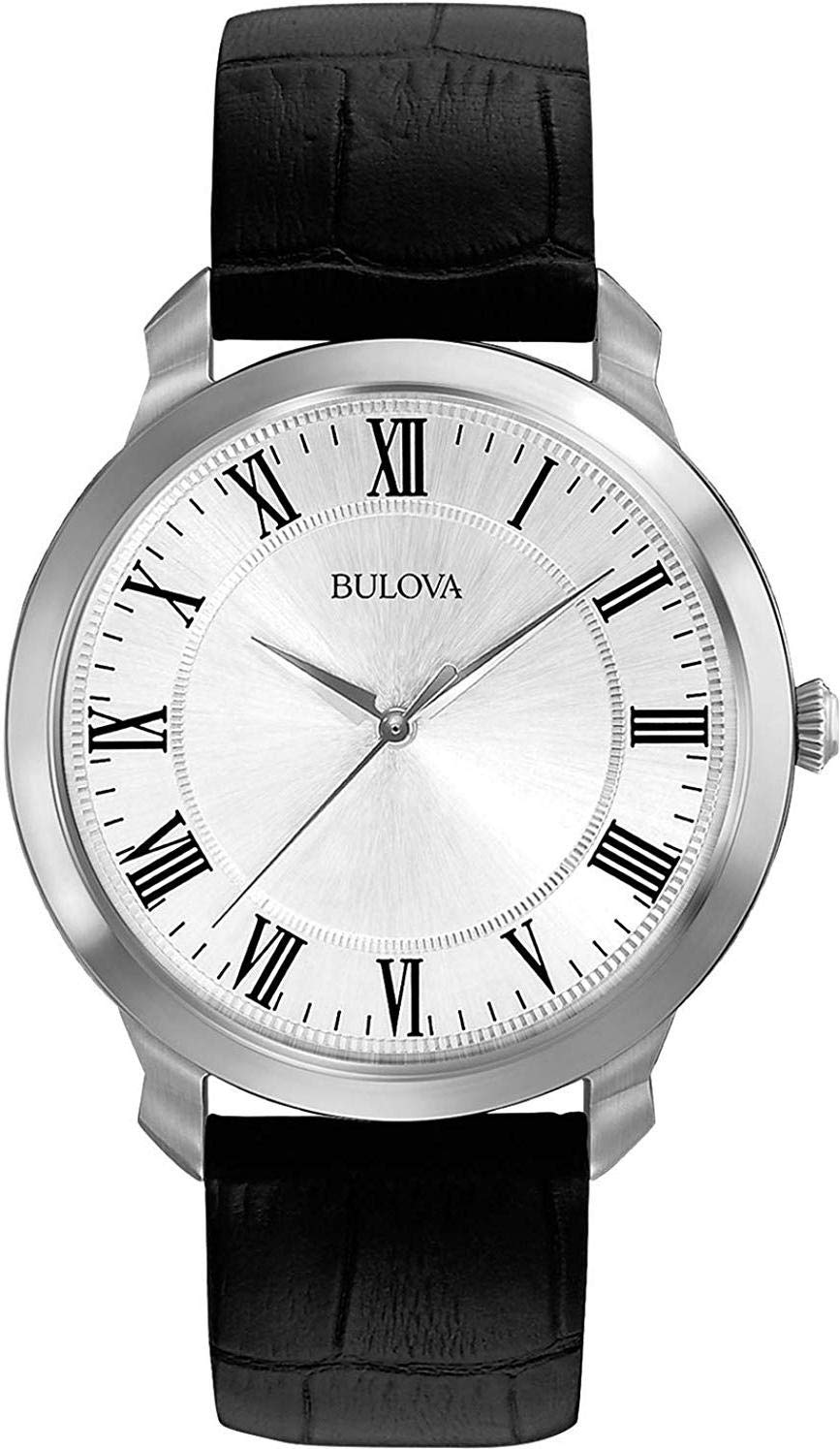


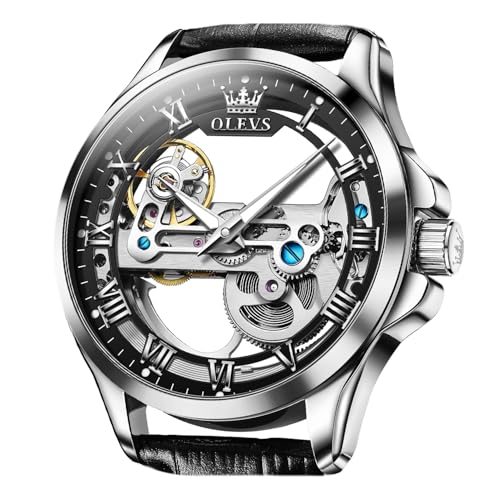
Three Buying Approaches at a Glance
Rather than chasing a single perfect model, sort your budget into one of three approaches. Each approach below describes what that money should buy you in movement, crystal, and strap quality, plus the one compromise you accept. If a listing at your price point falls short of the approach on two or more points, keep looking.
Best Overall: What a Balanced Buy Looks Like
A balanced buy, typically around $200 to $500, should give you a Japanese or Swiss quartz or entry automatic movement, a sapphire crystal, and a genuine leather strap with neat stitching. The case should be stainless steel with a diameter near 38 to 42 mm, and water resistance of at least 50 meters. This approach suits someone who wants one watch for work and evenings. The compromise is finishing: polishing and dial detail will be good, not luxurious, and the strap will likely need replacing within a couple of years of daily wear.
Best Value: Where to Save Without Regret
A value buy, around $75 to $200, keeps the essentials and trims the extras. Expect a reliable quartz movement, mineral glass instead of sapphire, and a thinner leather strap. Check fit with your savings: a case size that suits your wrist and a dial you can read at a glance matter more daily than a fancy movement. This approach suits first time buyers and anyone adding a black watch to an existing rotation. The compromise is scratch resistance and strap life, so budget about $30 to $60 for a better strap later.
Best Premium Pick: What Extra Money Buys
A premium buy, around $500 to $1,500 and up, should add a well finished automatic movement, sapphire crystal on the front and often the back, and full grain leather from a respected tannery. Cases get finer polishing, dials get applied markers, and warranty terms usually lengthen. This approach suits daily wearers who value craft and plan to service and keep the watch for a decade. The compromise is upkeep cost: servicing an automatic every five to seven years is part of the real price, so count it before you commit.
How to Choose the Best Black Leather Watches: Buying Guide
Movement Type (Quartz, Automatic, Solar, Smart)
The movement is the engine, and it decides accuracy and upkeep. Quartz runs on a battery, keeps time within seconds a month, and asks only for a battery change every two to three years. Automatic movements wind from wrist motion, carry about a day or two of power reserve, and need servicing every five to seven years. Solar movements charge through the dial and nearly remove battery changes. Smart movements add screens and sensors but need frequent charging and age out fastest. Pick by the upkeep you will honestly tolerate.
Legibility and Style
A black dial with pale hands and markers reads fastest, especially with lume that glows after light exposure for dim rooms and evening wear. Slim baton markers and a clean dial suit office and dress settings, while larger Arabic numerals and bolder hands suit casual and field styles. Watch the date window too: white on black blends in, while a contrasting date wheel reads quicker but breaks the clean look. Try to view the watch at arm length in photos; if you squint there, you will squint on the wrist.
Water Resistance Rating
Read the rating as splash guidance, not a swimming promise. A 30 meter rating covers rain and hand washing. A 50 meter rating adds brief shallow water with care, and 100 meters handles regular swimming. Whatever the case rating says, a leather strap should stay out of pools and showers, because soaking swells the fibers, fades the dye, and shortens strap life sharply. If your routine involves water daily, buy a second rubber strap on quick release bars and swap before you get wet.
Strap and Bracelet Options
The strap is half the look and most of the comfort. Smooth leather with tonal stitching reads formal; contrast stitching and suede read casual. Check lug width, commonly 20 or 22 mm, since that number decides how easy new straps are to find. A quick release strap system with spring bars you can move by fingernail makes swapping simple. Also look at the underside: a soft lining in a lighter tone shows sweat less and feels better in summer. Our guide to the best black leather strap watches compares strap focused options in depth.
Crystal and Case Materials
Sapphire crystal is the scratch resistant choice and belongs on any watch you plan to wear daily for years. Mineral glass costs less and shrugs off knocks slightly better, but it will collect fine scratches. For the case, 316L stainless steel is the standard for corrosion resistance and weight; a black coated case looks striking, yet the coating can wear at the edges and show bright metal beneath, which is hard to repair. Titanium feels light and suits larger cases. If you want leather beyond watches, our guide to the best leather watches covers more colors and finishes.
Smart and Fitness Features
Some black leather models hide smart features under a classic dial, with hands that move to show alerts and a small screen or none at all. These hybrids track steps and sleep, vibrate for calls, and run for weeks per charge, far longer than full smartwatches. GPS and heart rate sensors appear on full smart models, but leather straps and hard training mix poorly. Treat health data as trend guidance, not a medical reading. If you mainly want a timepiece, skip smart features and put the money into crystal and movement.
Types of Black Leather Watches
Quartz Watches
Quartz models are thin, accurate, and affordable, with the widest style range of any type. They suit buyers who want a set and forget watch for work or dress. The limits are a ticking second hand and battery changes. For most wrists and budgets, a quartz dress watch on black leather is the sensible default, and our guide to the best black watches shows how quartz styles compare across strap materials.
Automatic Watches
Automatic models appeal to buyers who enjoy mechanical craft and a smooth sweeping second hand. They cost more to buy and to service, and they stop after a day or two unworn. They suit daily wearers who will keep the watch wound simply by wearing it. If you rotate several watches, factor in the small ritual of resetting the time and date each time you pick an automatic up again.
Smartwatches
Smartwatches on leather straps blend notifications, GPS, and health tracking with a more classic look than a sport band gives. They suit buyers whose phone and fitness tools matter as much as the time. The limits are charging every few days at best, software that ages, and straps that should be swapped before workouts. Buy one for its features, not as a keepsake, and it will make sense.
How to Make Your Black Leather Watch Last Longer
- Service automatic watches every 5 to 7 years: fresh oils and checked seals keep the movement accurate and the case water resistant.
- Rinse after saltwater exposure: rinse the case gently in fresh water if it is rated for it, then dry the strap fully and slowly at room temperature.
- Store away from magnets: keep the watch clear of speakers, tablet covers, and magnetic clasps that can make a mechanical movement run fast.
- Rotate straps to reduce wear: resting a leather strap every other day lets moisture escape, and a second strap colour extends the life of both; our guide to the best leather band watches explains band widths and swaps.
- Rest the watch at night: lay it on a soft cloth rather than a hard surface, and loosen a tight strap so the leather recovers its shape.
Frequently Asked Questions
How long does a watch battery last?
A typical quartz battery lasts about two to three years, and some low drain movements reach five. A practical tip: have the battery changed by someone who also checks the case seals, since an opened case with old gaskets loses water resistance. If your watch has a jumping second hand, that is often a built in low battery warning, not a fault, and it means you have a few weeks to arrange the change.
What case size fits my wrist?
Start with your wrist measurement. Slim wrists under about 6.5 inches suit 36 to 40 mm cases, average wrists suit 38 to 42 mm, and broad wrists can wear 42 to 44 mm without strain. Check lug to lug length as well as diameter, and favor thinner cases, around 8 to 11 mm, if the watch must slide under dress shirt cuffs. When between sizes, the smaller case usually looks sharper with a leather strap.
How water resistant should a watch be?
For office and evening wear, 30 to 50 meters is plenty, since the watch will only meet rain and sink splashes. Choose 100 meters if you want the case to handle swimming, but still swap the leather strap for rubber before you swim. One point buyers miss: water resistance fades as gaskets age, so a watch that was safe at purchase may not be after five years without a service.
Is a smartwatch worth it over a classic watch?
It is worth it if notifications, timers, and health tracking will get daily use and you do not mind charging often. It is poor value as a pure timepiece, because its screen and software will date within a few years. A classic black leather watch has no expiry of that kind. Many owners solve the tension with a hybrid model that keeps a normal dial while quietly counting steps and buzzing for calls.
Quartz or automatic: which is better?
Quartz is better on accuracy, price, and effort; automatic is better on craft, smoothness of the second hand, and battery free running. Your wearing pattern should decide. A watch worn daily keeps an automatic wound and happy. A watch worn twice a month will greet you stopped and needing a reset, while a quartz will simply be right. Sentiment is a fair tie breaker too: many buyers keep an automatic for the pleasure of the mechanism itself.
Our Verdict
Decide the movement first, then insist on the best crystal your budget allows, and size the case to your wrist rather than to fashion. A value quartz serves occasional wear, a balanced buy covers daily work and evenings, and a premium automatic rewards those who will service it and keep it. Compare the sizes and tiers in the product table above, and choose the best black leather watches option that fits your routine, not someone else's wrist.


