
Best Black Flash Trail Cameras for Every Need in 2026: How to Pick the Right One
Disclosure: We may earn a commission when you buy through links on this page, at no extra cost to you. As an Amazon Associate I earn from qualifying purchases. Learn more

Compare black flash trail cameras by invisible night flash, trigger speed, battery life and storage, with placement tips for game, land and home watch.
There is no single camera that suits every trail, feeder or gate. The best black flash trail cameras share one trait, an infrared flash that glows so faintly at night that animals and people almost never notice it, but the right detection range and battery plan for a deer trail differ from what a remote cabin needs. Use the comparison table below to match each model to your site.
Start with what passes your camera and how far away it moves. A narrow trail crossing needs speed and a centered detection zone, while a wide food plot needs range and a wider view.
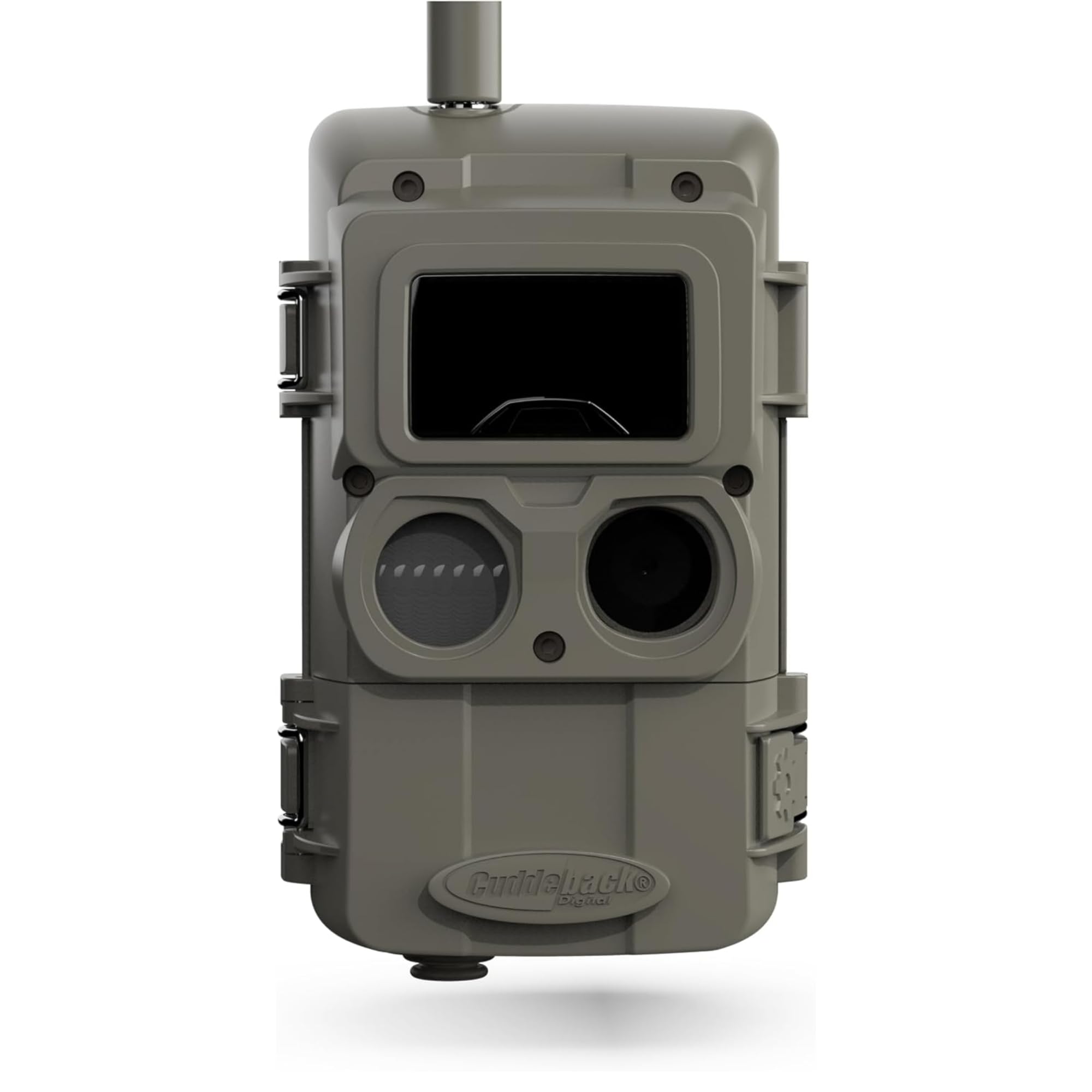
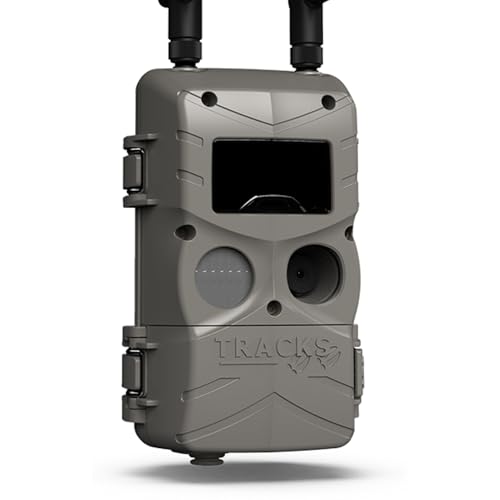
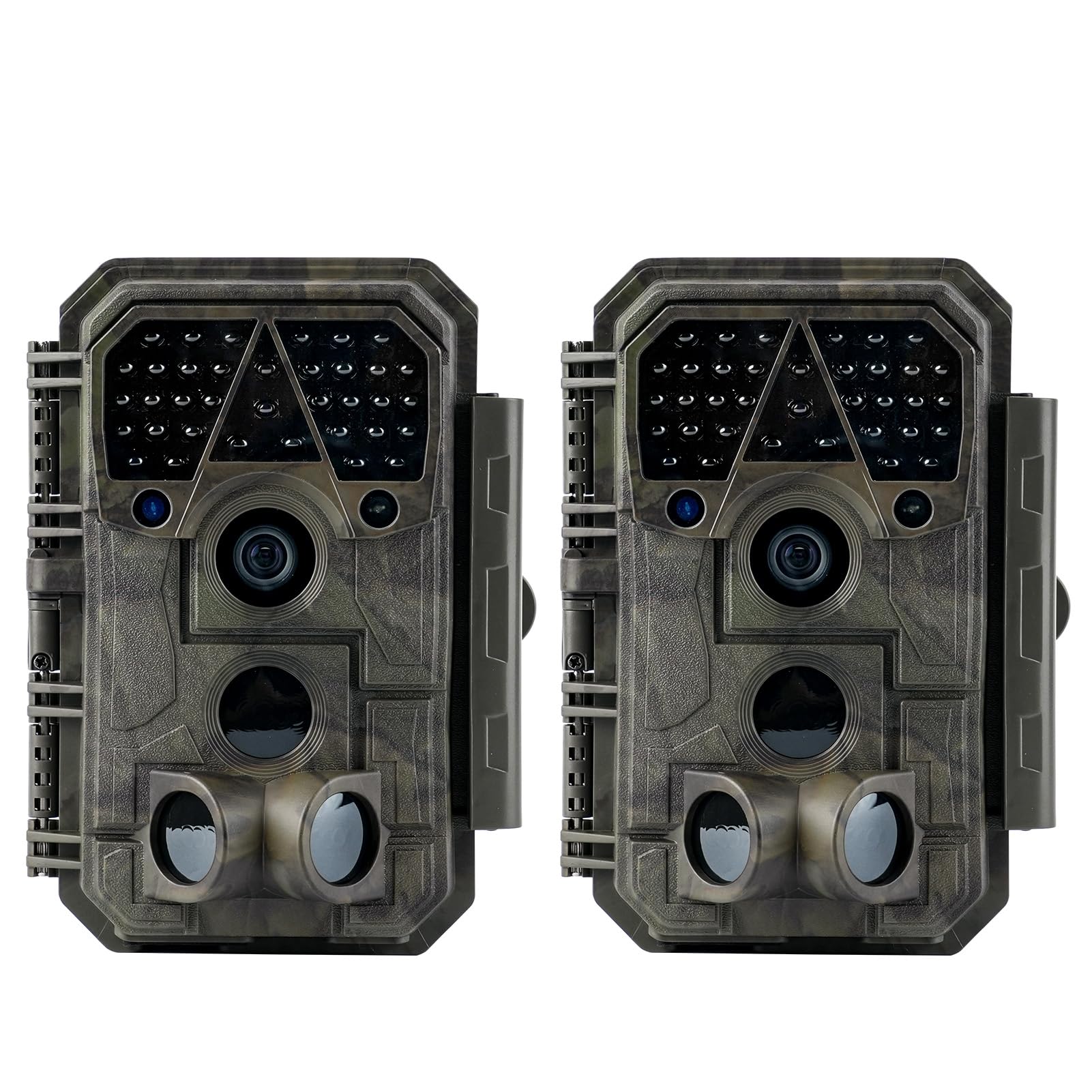
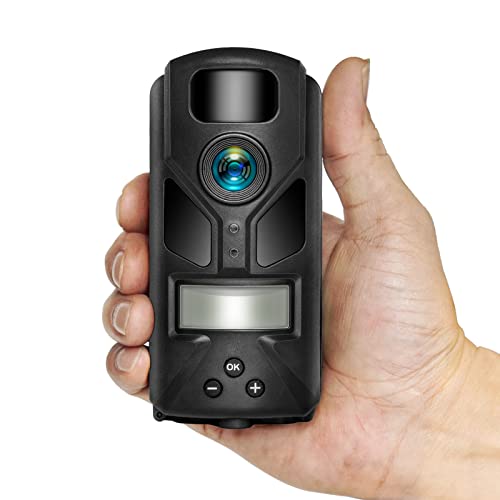


Who Should Buy Which Black Flash Trail Cameras?
Your site decides your shortlist. Pick the group closest to your main use, then carry its priorities into the feature comparisons that follow.
Hunters Following Wary Deer and Other Game
You need photos of animals that already avoid anything new in the woods. Prioritize a truly invisible flash and a fast trigger, because a mature buck that spots a faint red glow once may skirt that trail for weeks. Choose a camouflage housing and burst mode so one passing deer gives you several frames to judge direction and time of travel.
Landowners Watching Gates, Barns and Remote Cabins
You need evidence without announcing that a camera is present. Prioritize a long night range, a lockable housing and a steel security box, plus video with sound so you can hear a vehicle or a gate latch. Our guide to the best trail cameras for security covers watch focused features in more depth.
Wildlife Watchers Recording Night Activity Near Home
You want clear clips of raccoons, foxes or owls without changing how they behave. Prioritize good night video quality and a moderate flash range, because animals close to the lens wash out when the infrared light is too strong for the distance. A viewing screen or phone based setup helps you aim the camera from a porch or garden.
Key Features to Compare
Compare these factors in order. The first two decide whether the camera records anything useful at night, and the rest decide how much work it costs you each month.
Invisible Flash Wavelength and Night Range
Black flash cameras use infrared emitters at about 940 nanometers, a wavelength that produces no visible glow when the flash fires. Standard low glow models use about 850 nanometers and show a faint red light that some animals and most people can see at close range. Night range usually runs about 60 to 80 feet, and real reach drops in fog or heavy brush. If total invisibility matters less than reach, see our guide to the best no flash trail cameras.
Detection Zone and Trigger Speed
A passive infrared sensor watches for heat moving across its zone, and trigger speed is the delay between detection and the first photo. Speeds of about 0.3 to 0.5 seconds catch animals crossing at an angle, while slower cameras often record only a tail leaving the frame. Look for a detection range of about 60 to 80 feet and a detection angle that matches the lens view, because a wider sensor fires on animals the photo never shows.
Night Photo and Video Quality
Megapixel numbers on trail cameras are often raised by software, so judge quality by sensor performance at night instead of the largest printed number. A camera with modest resolution but even lighting usually beats a sharper model with a bright center and dark edges. Video at 1080p is a sensible target for identifying animals and people, and clips of 10 to 30 seconds balance detail against battery drain and card space. Adjustable flash strength helps if your subjects pass close to the lens.
Battery Life and Power Choices
Most black flash models run on AA batteries, often eight or twelve at a time, and lithium AAs last longest in cold weather and drive the flash more evenly than alkaline cells. A busy trail with night video can drain a set in a few weeks, while a quiet site can run for several months. Solar panels and external packs suit fixed sites you visit rarely, but they add cables that squirrels chew and panels that need direct sun.
Storage, Cellular Plans and App Access
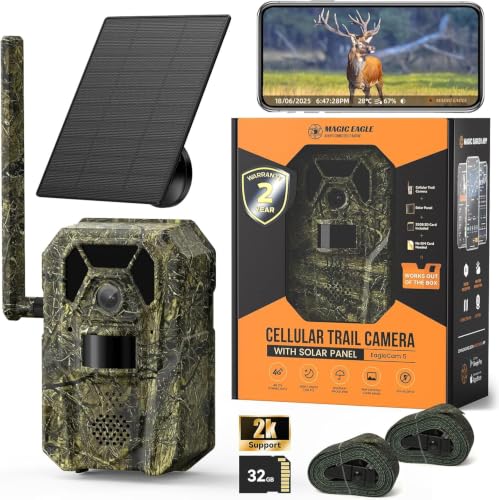
Most cameras record to an SD card of 32 to 128 gigabytes, and a full card stops recording unless the camera can overwrite the oldest files. Cellular models send photos to your phone for a monthly fee, which saves long drives to distant land; see our guide to the best cell trail cameras if that matters most. Short range wireless models cost nothing monthly and let you review photos from a truck or porch, as our guide to the best wifi trail cameras explains.
Weather Sealing, Housing and Theft Protection
A trail camera lives outdoors through storms, heat and freezing nights, so look for a sealed housing rated to resist driven rain and dust, plus a latch that closes firmly over the card and battery door. A cable lock loop makes casual theft harder, and a separate steel box adds real protection where the public can reach the camera. Check door seals before the season starts, because a cracked seal lets moisture fog the lens from inside.
Where to Place a Black Flash Trail Camera for Clear Night Photos
Mount the camera about 3 to 4 feet above the ground on a firm tree or post, aimed slightly downward at the spot where animals cross rather than along the trail itself. Clear grass and thin branches near the lens, because vegetation close to the camera reflects infrared light back and turns night photos white. Face the camera north when you can, since direct sun on the sensor causes false triggers.
Before you leave, set the camera to take test photos and cross the detection zone at several distances at the height of your target animal. Among the best black flash trail cameras, small aiming errors cause more missed animals than any spec gap, so this five minute check matters at every new site. Get landowner permission where rules require it, and check local rules on cameras and bait. For a wider category overview, see our guide to the best trail cameras.
Common Mistakes to Avoid
- Buying by megapixel count alone leads you to a camera whose night photos still look grainy and unevenly lit.
- Mounting the camera facing along a trail means fast animals cross the frame before the trigger fires.
- Leaving tall grass in front of the lens causes hundreds of false triggers on windy days and drains the batteries.
- Using cheap alkaline batteries in winter shortens flash range and can end recording during the coldest, busiest nights.
- Placing a camera where anyone can reach it without a lock invites theft of both the camera and your card.
- Skipping a walk test at setup means you discover a badly aimed camera only after weeks of empty photos.
Care and Maintenance for Black Flash Trail Cameras
Wipe the lens, the sensor window and the infrared emitters with a soft dry cloth at every card swap, because dust or pollen scatters infrared light and softens night photos. Check the door seal for grit, and clear insects or spider webs from the housing front, since a web across the sensor triggers photos all night.
Format the memory card in the camera after you copy your photos, not on a computer, because the camera writes its own file structure most reliably. Store spare cameras dry with the batteries removed, and retire any battery that shows corrosion at once.
FAQ
How much should I spend on a first black flash trail camera?
Most first time buyers do well at about $80 to $150. Cameras in that range usually offer a true 940 nanometer flash, a trigger near half a second and 1080p video, which covers most deer trails and yard watching. Spending more mainly buys cellular delivery or a longer flash range. Set part of the budget aside for lithium batteries and a spare card.
Do black flash trail cameras take worse night photos than low glow models?
Slightly, in most cases. A 940 nanometer flash throws less usable light than an 850 nanometer flash at the same power, so night photos can look a little darker at long range. The gap shrinks at the distances most trails allow. In return you gain a flash that wary game and passing people almost never see, which is the reason this camera type exists.
Will deer notice a black flash trail camera at night?
Deer almost never react to the flash itself, because 940 nanometer light sits outside what they can see. What deer do notice is human scent left at the site, a camera silhouette against open sky, and any faint click from inside the camera. Wear gloves when you handle the camera, mount it against a thick trunk, and visit as rarely as you can.
How far from a trail should a black flash trail camera sit?
About 15 to 25 feet from the crossing point works well for most sites. Closer than that, animals fill the frame and the flash can wash out pale coats, while farther away the subject shrinks and the infrared light fades. Angle the camera so the trail crosses the frame diagonally, because that path keeps the animal in view longer.
Is a cellular black flash trail camera worth the monthly fee?
It is worth the fee when the camera sits far from home or watches a gate you cannot visit often. Sent photos let you react the same day to a target buck pattern or an unwanted visitor, and you leave far less scent at the site. For a trail behind your house, a standard card based camera gives the same photos for no monthly cost.
Final Thoughts
Choose by site first, then by flash invisibility, trigger speed and battery plan. A camera that matches your crossing distance and visit schedule will outproduce a costlier model aimed at the wrong spot. Use the product table above to compare night range and detection specs.
When you shop for best black flash trail cameras with those points in order, the right choice usually stands out quickly. Buy the simplest model that covers your site well and set it up with a walk test.


