Best Black Dresser in 2026: Wide, Tall and Compact Types
Disclosure: We may earn a commission when you buy through links on this page, at no extra cost to you. As an Amazon Associate I earn from qualifying purchases. Learn more

Wide, tall and compact dressers compared on drawer size, materials and finish, so you can pick the best black dresser for your room.
A black dresser looks simple on a product page, yet the wrong one can wobble, show every speck of dust, or hold far less than your wardrobe needs. The best black dresser for your room is the one that fits your floor space, stores your clothes in drawers you can actually reach into, and keeps its finish looking deep and even after years of daily use.
This guide compares the three main types of black dressers by size, drawer layout, materials, and finish, so you can match a type to your room before you shop. Use the product table below to check dimensions and drawer counts side by side.

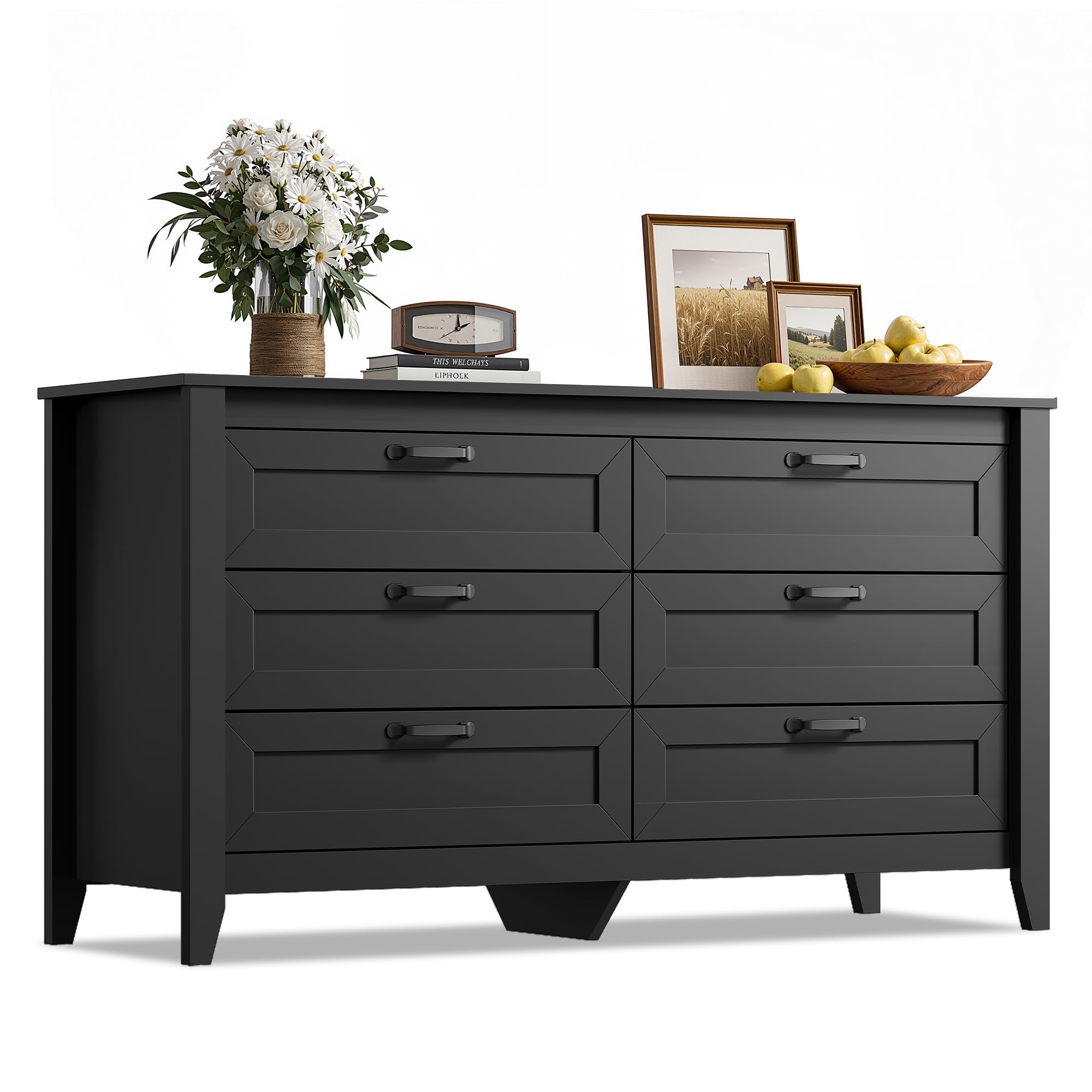
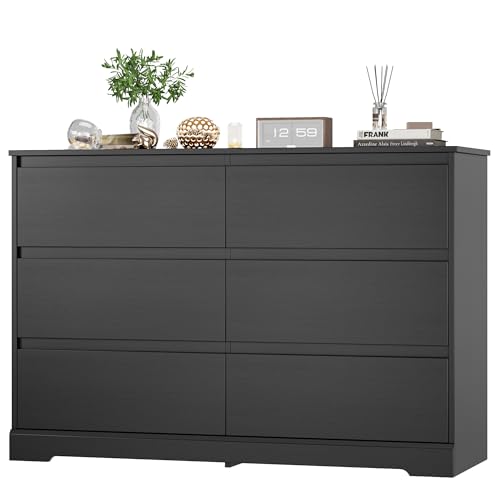
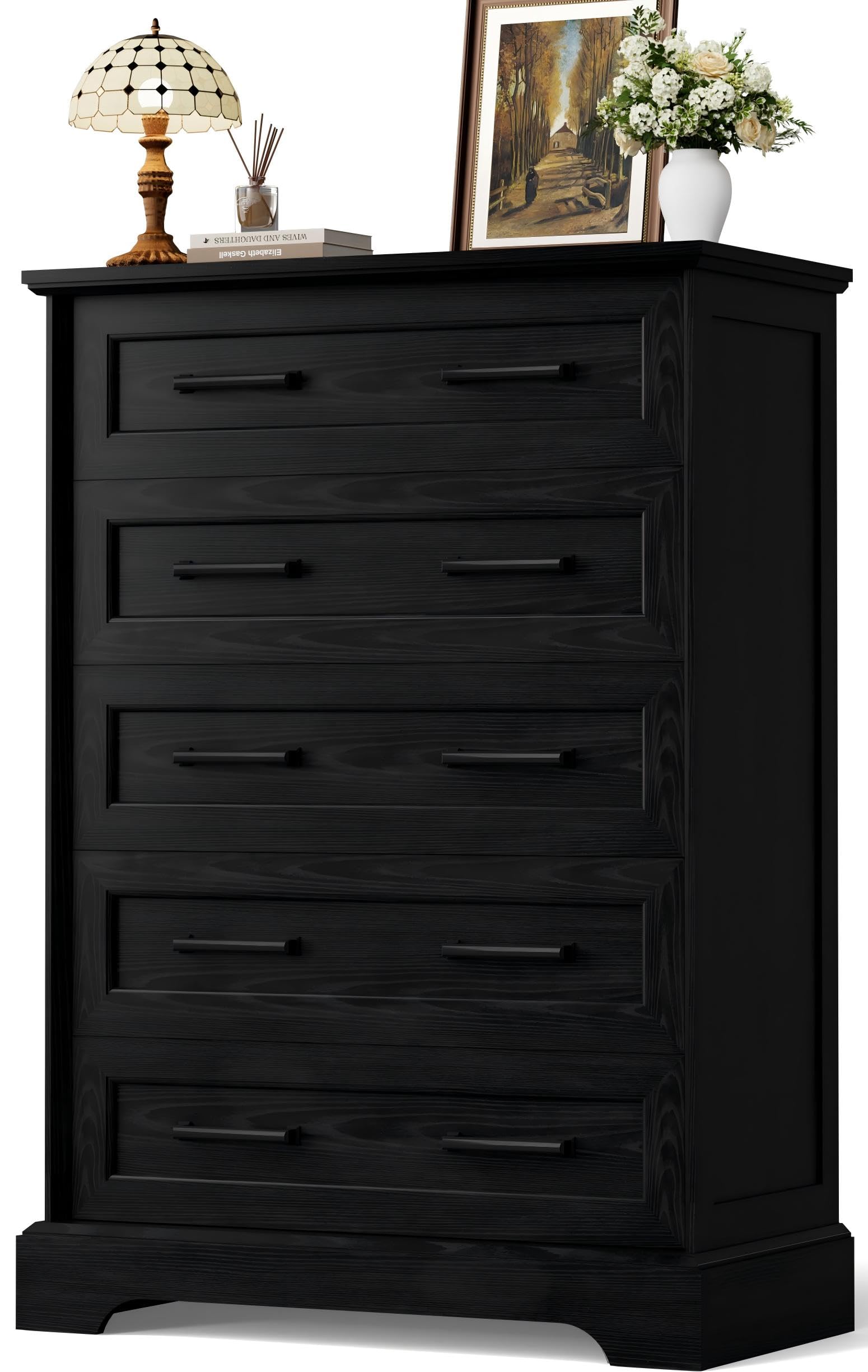

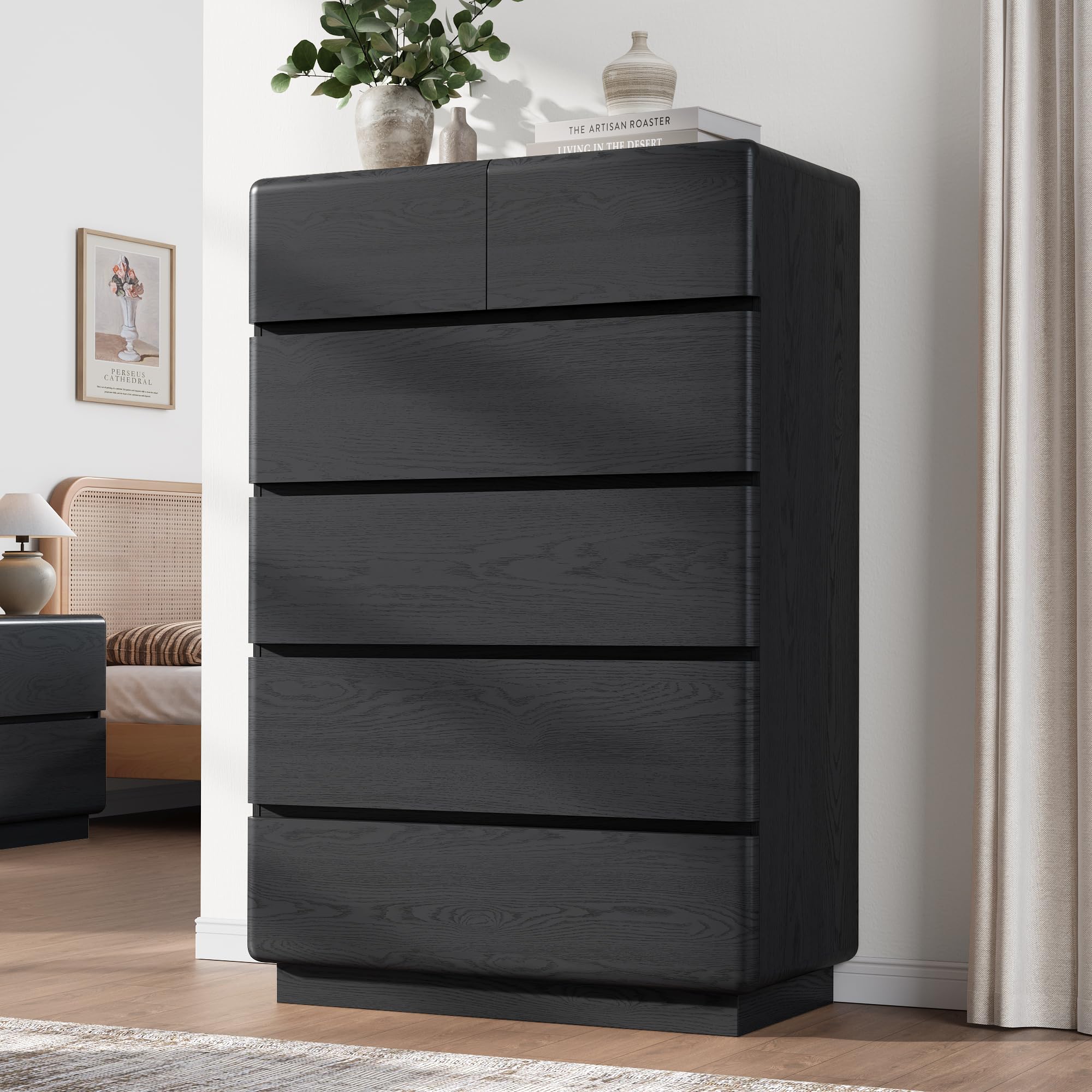

Black Dresser Types at a Glance
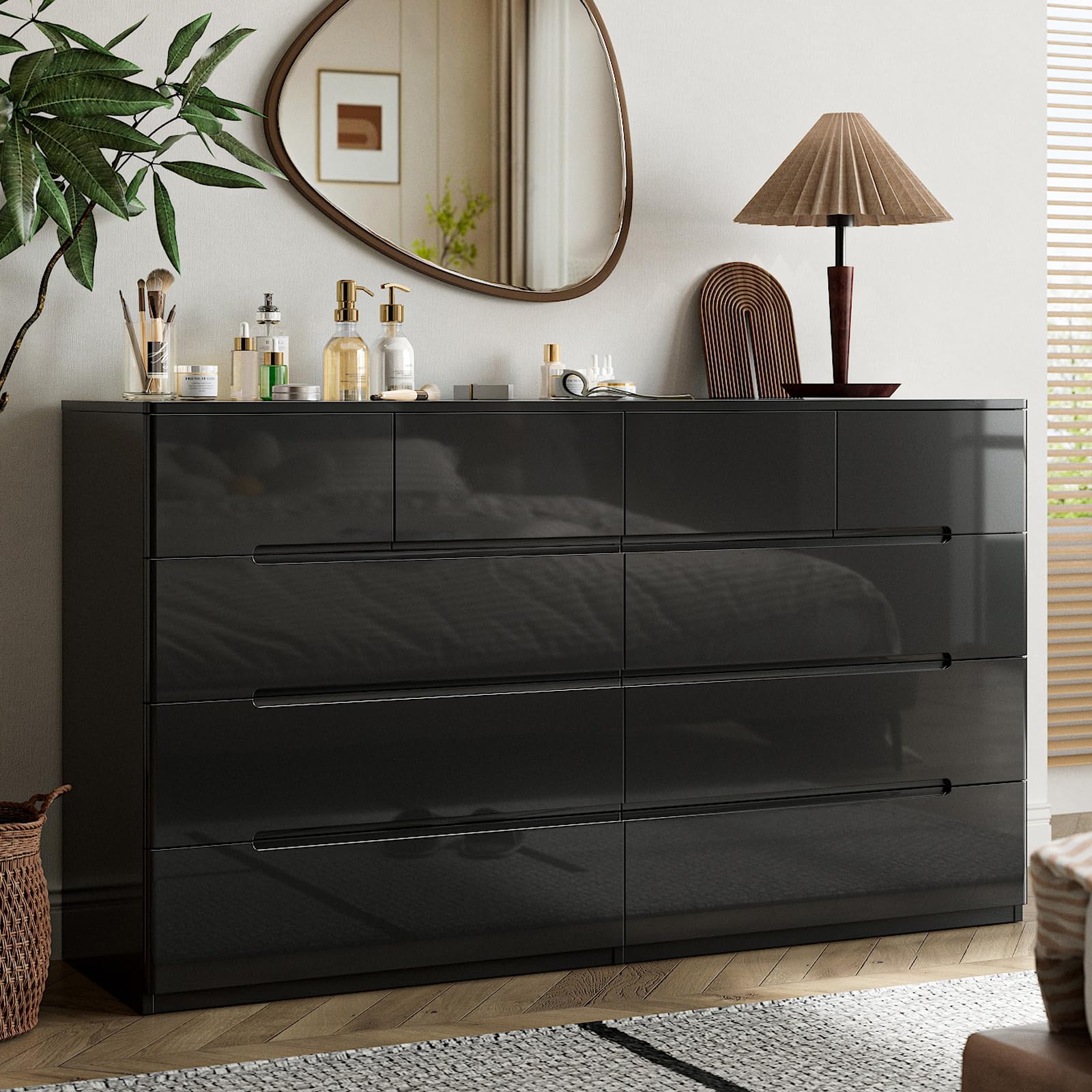
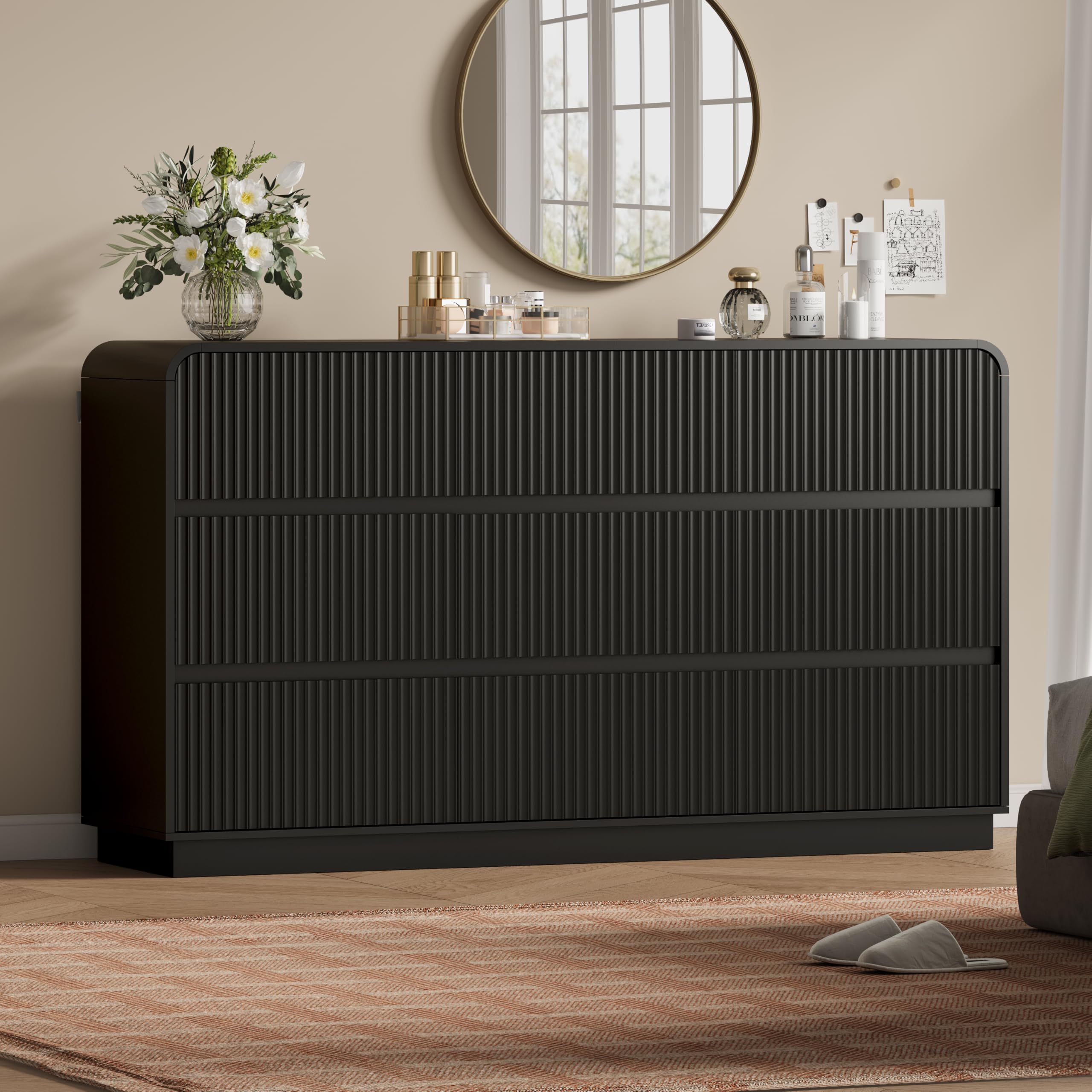
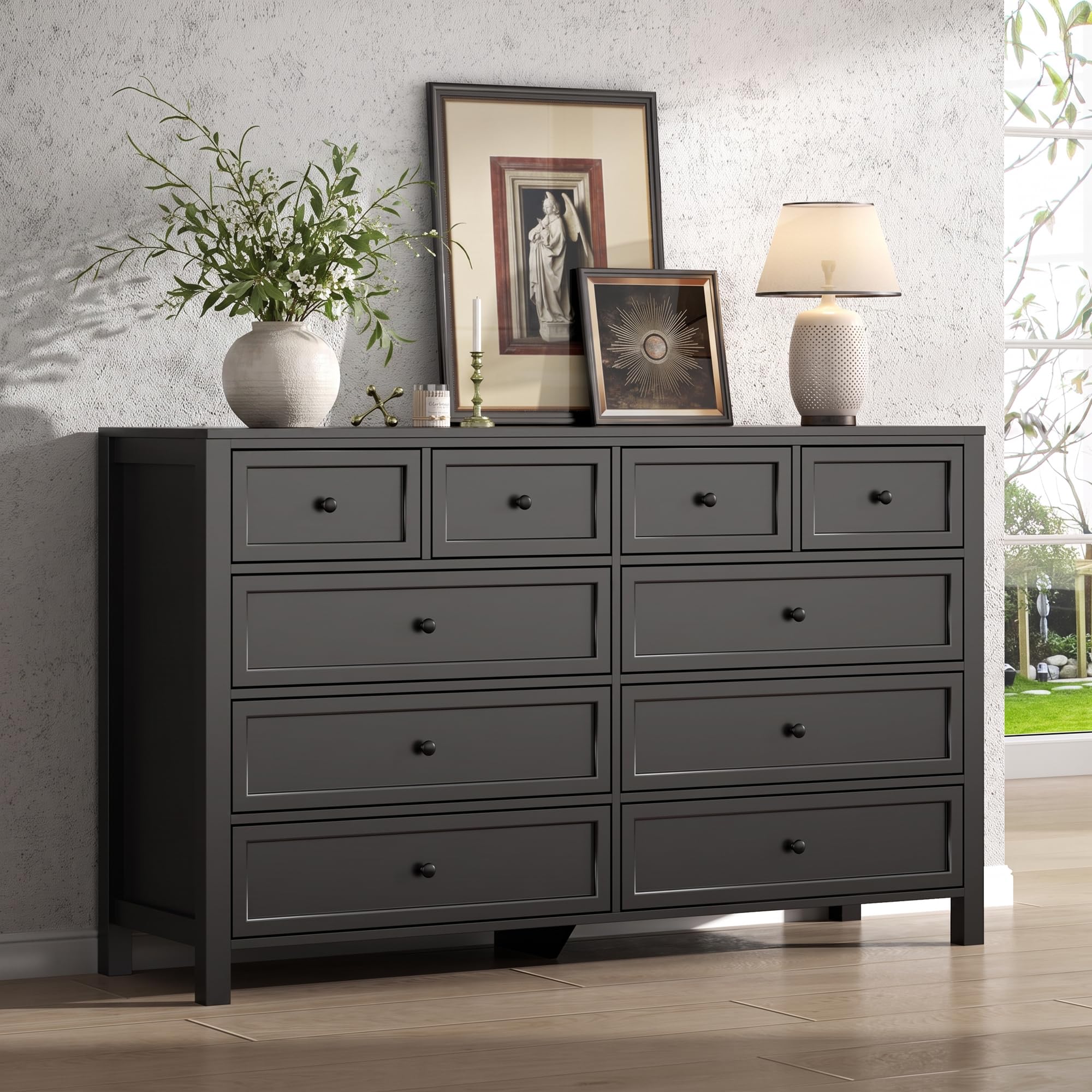
Most black dressers fall into three shapes, and the shape matters more than the shade of black. A wide double dresser spreads storage across six or more drawers and gives you a long top surface. A tall chest stacks four or five drawers on a small footprint. A compact dresser with three or four drawers suits a guest room or a tight corner where a full size piece would block a door swing.
- Wide double dresser: best for couples sharing one piece and for rooms where you want a mirror or a TV on top.
- Tall chest of drawers: best for small bedrooms where floor space is scarce but wall height is free.
- Compact dresser: best for guest rooms, kids rooms, and entry level budgets where a few drawers are enough.
Three Main Types Compared
Wide Double Dressers for Shared Bedrooms
A wide double dresser, often 55 to 65 inches across, gives two people their own columns of drawers, which ends the daily argument over whose socks ended up where. The low, long top works well under a window and can hold a mirror or a TV without a separate stand. Check that the frame has a support leg or a reinforced rail at the center, because a long span with no center support can sag under loaded drawers. Choose this type when you have the wall length and want one piece to anchor the room.
Tall Chests for Small Floor Plans
A tall chest trades width for height, stacking drawers in a frame that is often only 30 to 36 inches wide. That small footprint leaves room for a nightstand beside it, which suits apartments and older homes with compact bedrooms. The trade off is stability and reach. The top drawer may sit at chest height or higher, so shorter users should check that they can see into it without standing on tiptoe. Every tall chest needs an anti tip kit anchored to a wall stud, since a tall frame with several top drawers open can pull forward.
Compact Dressers for Guest Rooms and Kids Rooms
A compact dresser with three or four drawers holds a guest wardrobe, a week of kids clothes, or the overflow from a crowded closet. In a nursery, a low compact dresser at changing height can do double duty, and our guide to the best dresser for nursery explains the safety checks that matter there. Keep expectations modest on drawer depth, since compact frames have shallower drawers that suit folded items better than bulky sweaters.
How We Chose the Criteria for This Guide
We judged black dressers on the factors you can verify from a listing and a manual before you buy. Those factors are drawer construction and glide type, frame material and finish quality, stated weight capacity for each drawer, dimensions, assembly steps and hardware quality, and warranty length. We also weighed verified buyer reports about wobbling, drawers drifting open, and finishes chipping at the edges. For the wider view across all finishes, see our overview of the best dresser types and sizes.
How to Choose the Right Dresser
Size and Form Factor
Measure the wall where the dresser will sit, then measure the open space in front of it. A drawer needs about 18 to 24 inches of pull out room, plus space for you to stand, so a deep dresser in a narrow room can feel crowded fast. A dresser top near 32 to 36 inches pairs well with most bed frames. For more room planning detail, see our guide to the best dresser for bedroom setups.
Type and Style
Style words in a listing tell you how the dresser will sit with the rest of your room. Modern pieces use flat drawer fronts and minimal trim, farmhouse pieces add framed panels and tapered legs, and mid century pieces sit on angled legs with a lower profile. A lowboy is a wide, low dresser that suits a room with low ceilings. Fabric dressers are a different category, with cloth bins on a metal frame. Match the leg style and hardware finish to pieces you already own.
Features Worth Paying For
A few features earn their cost on a black dresser. Soft close glides stop drawers from slamming and chipping the paint at the frame edge. A bundled mirror makes sense only if the frame is rated to hold it and your room lacks wall space for a separate one. LED drawer lights help too. Skip a TV mount on the dresser unless the maker rates the top for the weight, since a wall mount is usually the safer route.
Drawer Size and Weight Capacity
Drawer capacity decides whether a dresser fits your actual clothes. Deep drawers, around 6 to 8 inches of usable height, swallow jeans and sweaters, while shallow drawers near 4 inches suit underwear, tees, and accessories. Makers often state a limit per drawer, commonly about 15 to 25 pounds for engineered wood frames and more for solid wood with strong glides. Add up your heaviest load, such as a full stack of denim, and keep a margin below the stated limit.
Layout Flexibility Inside the Drawers
Dressers offer little of the height adjustment you get with shelving, so flexibility here means how the fixed layout bends to your habits. A mix of two small top drawers over larger lower drawers gives small items a home without wasting deep space. Removable dividers and fabric organizer boxes let you split one wide drawer into sections for belts, watches, or baby clothes. Decide where your bulkiest category will live first, then confirm at least two drawers can hold it.
Materials and Durability
Solid wood frames feel dense, resist racking, and can be refinished when the black paint wears at the corners. Engineered wood, such as MDF or particleboard with a laminate or painted finish, costs less and gives a very even black surface, but the edges chip more easily and the panels dislike moisture. Drawer boxes tell the truth about a frame. Plywood or solid wood drawer sides with dovetail or dowel joints outlast thin stapled panels, and metal glides with ball bearings run smoother under load than plastic rollers. For more on species and panels, see our guide to the best wood dresser construction.
Assembly and Warranty
Most black dressers ship flat and need one to three hours of assembly with a second person for the lifting steps. Check that the cam locks are metal rather than soft plastic, and confirm that wall anchoring hardware is in the box. Our walkthrough on how to assemble a dresser covers the order of steps that keeps a frame square. On warranty, one year is common at budget prices, while stronger frames carry two to five years on parts. Save the manual and your order details, since claims usually need both.
How Much Should You Spend?
Under $100 usually buys a fabric dresser or a very small frame, fine for a dorm or a closet corner but not as a main bedroom piece. From about $100 to $250 you get compact and mid size engineered wood dressers with basic glides. From about $250 to $500, frames get thicker panels, metal glides, and finishes that resist edge chips. From about $500 to $1000 you can expect solid wood or high grade plywood, soft close drawers, and longer warranties. Over $1000, you pay for premium hardwood, refined joinery, and finish work built for decades of use.
Black Dressers Compared With Other Finishes
Black has real strengths as a finish. It hides the scuffs and shadow gaps that stand out on white furniture, it pairs with almost any bedding color, and it gives light wood floors a needed contrast.
The costs are about upkeep and light. Dust, lint, and pet hair show on black faster than on gray or natural wood, so expect a quick dusting once or twice a week to keep the top looking clean. Strong direct sun can fade a black finish unevenly over time, so a spot away from a south facing window helps. Gloss black shows fingerprints around the drawer pulls, while matte and satin finishes hide smudges better but can look chalky if the paint quality is poor. Weigh those trade offs against your cleaning habits before you commit.
FAQ
What is the best black dresser?
The right answer depends on your room, but for most main bedrooms it is a wide double dresser in solid or high grade engineered wood, with metal glides and drawers rated for your heaviest loads. Before you order any type, measure your delivery path as well as the room. Wide frames that fit the bedroom wall sometimes fail at a tight stair turn or a narrow hallway corner, and checking the box dimensions against those turns first saves a return trip.
Are black dressers worth it?
Yes, if you like a bold neutral and can keep up with light dusting. One check helps before you commit. Look at the finish sample or the clearest listing photos under both warm and cool light, because black paint can lean brown or blue depending on the pigment and your bulbs. A dresser that looks rich in a bright showroom can look flat in a dim bedroom. If your room gets little natural light, a satin finish reflects more light than a flat matte one.
How long does a dresser last?
A solid wood dresser with sound joinery can serve for 20 years or more, and it can move rooms or homes several times in that span. Engineered wood dressers typically give about 7 to 15 years of daily use before glides loosen, panels chip, or drawer bottoms sag. Keeping heavy items in the lowest drawers and spreading weight evenly across all drawers adds years to either type.
Is a dresser worth it if you already have a closet?
Usually yes, because closets store hanging clothes well but handle folded items poorly. A dresser gives folded clothes, underwear, and accessories a flat, visible home, which frees closet rod space for shirts and coats that wrinkle when folded. If your closet already has shelves and drawers fitted, a dresser adds less, and a compact piece may cover the gap.
How do you clean a dresser?
Start dry, since loose dust dragged across black paint with a wet cloth can leave fine marks. Dust the top and drawer fronts with a soft microfiber cloth, then wipe with a cloth dampened with water and a drop of mild soap. Dry each surface right away, and keep water away from seams and the back panel, where engineered wood swells if it soaks. Our full routine for how to clean a dresser covers stains, sticky drawer fronts, and freshening the drawer boxes themselves.
What is the most reliable dresser brand?
No single brand is reliable across every price tier, and a famous name does not rescue weak construction. Judge the piece in front of you instead. Published per drawer weight limits, metal glides, and drawer boxes you can inspect in photos are stronger signs than a logo. Also check whether the maker sells spare glides, knobs, and cam locks. A company that stocks small replacement parts expects the dresser to be repaired and kept, not replaced.
Final Thoughts
Start with your floor space, pick the shape that fits it, then judge drawers, materials, and finish in that order. The best black dresser is not the darkest or the largest one you can find. It is the one whose drawers glide well under real loads, whose finish suits your cleaning habits, and whose size leaves your room easy to move through. Compare your shortlist against the product table above, confirm the dimensions one last time, and you will end up with a piece that earns its place for years.