
Best Black Dress Watches: Budget, Midrange, and Premium Tiers for 2026
Disclosure: We may earn a commission when you buy through links on this page, at no extra cost to you. As an Amazon Associate I earn from qualifying purchases. Learn more

Compare best black dress watches by case size, movement, crystal, and strap using this buying guide and checklist for budget to premium tiers.
Black dress watches span a huge price range, from under $100 to several thousand dollars, and the gap is not always obvious from a product photo. Among the best black dress watches, the dial, case, and strap can look nearly identical across tiers while the movement, crystal, and finishing differ a lot.
This guide shows you where money actually improves a black dress watch and where it mostly buys a logo. Use the comparison table below to line up case diameter, movement type, and water resistance, then read on to match a tier to your wardrobe and your habits.


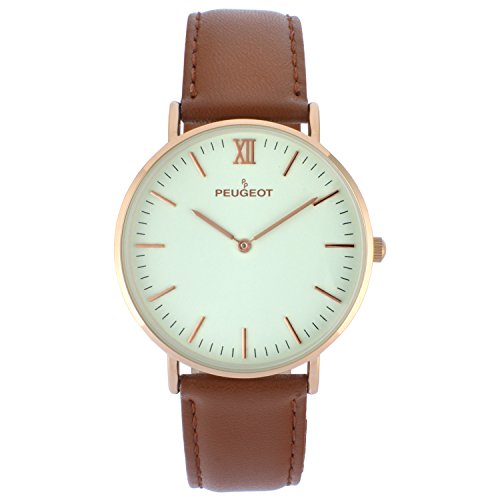

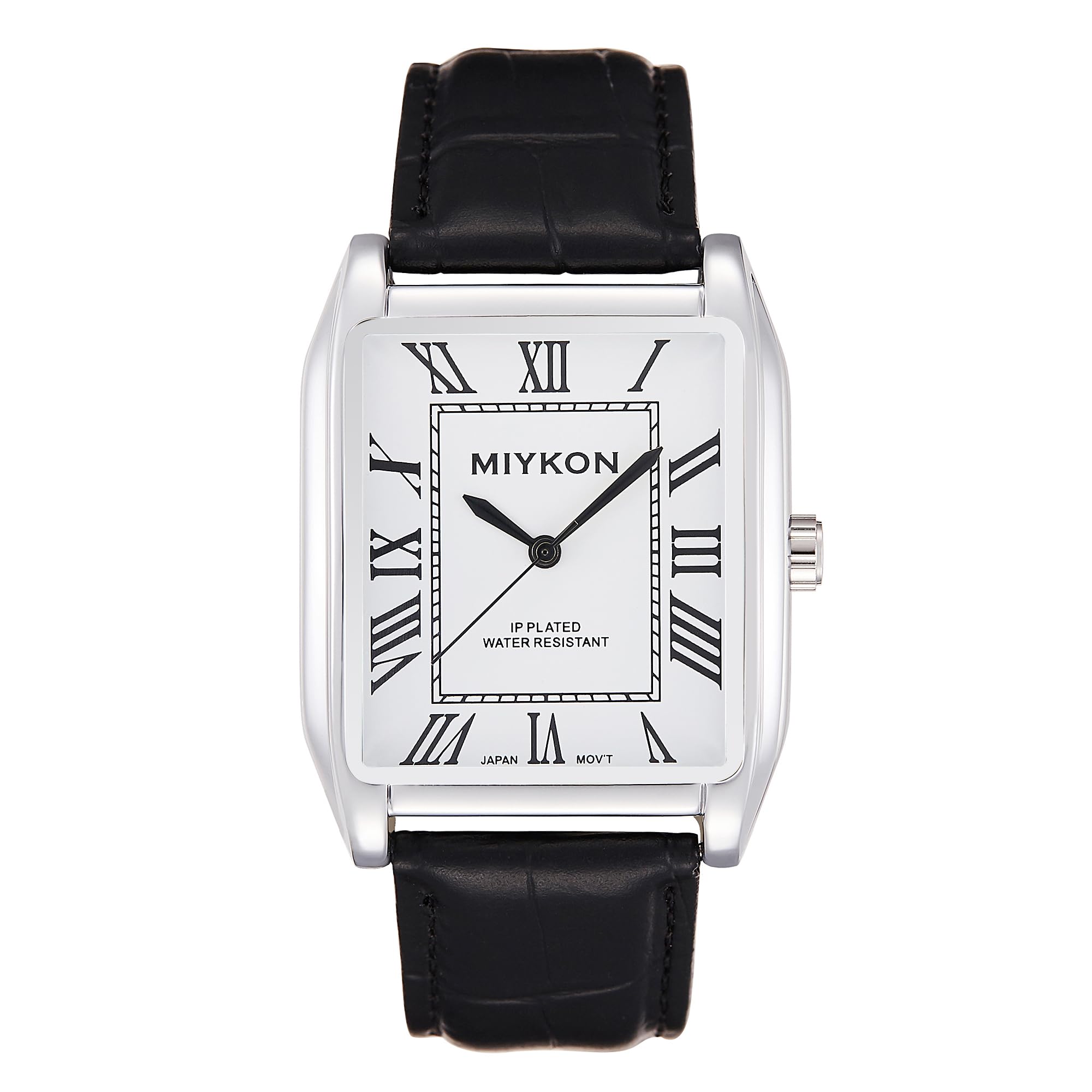
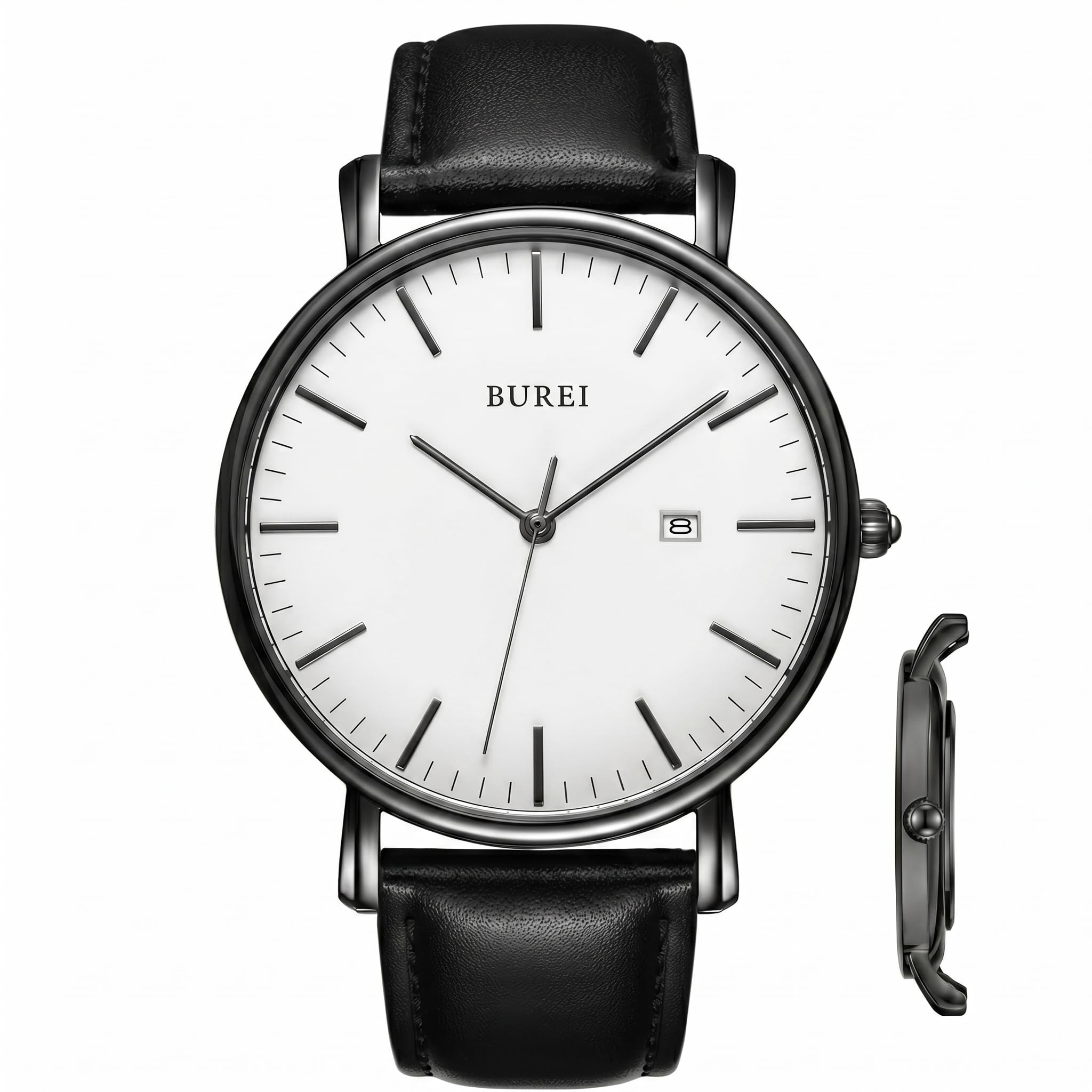


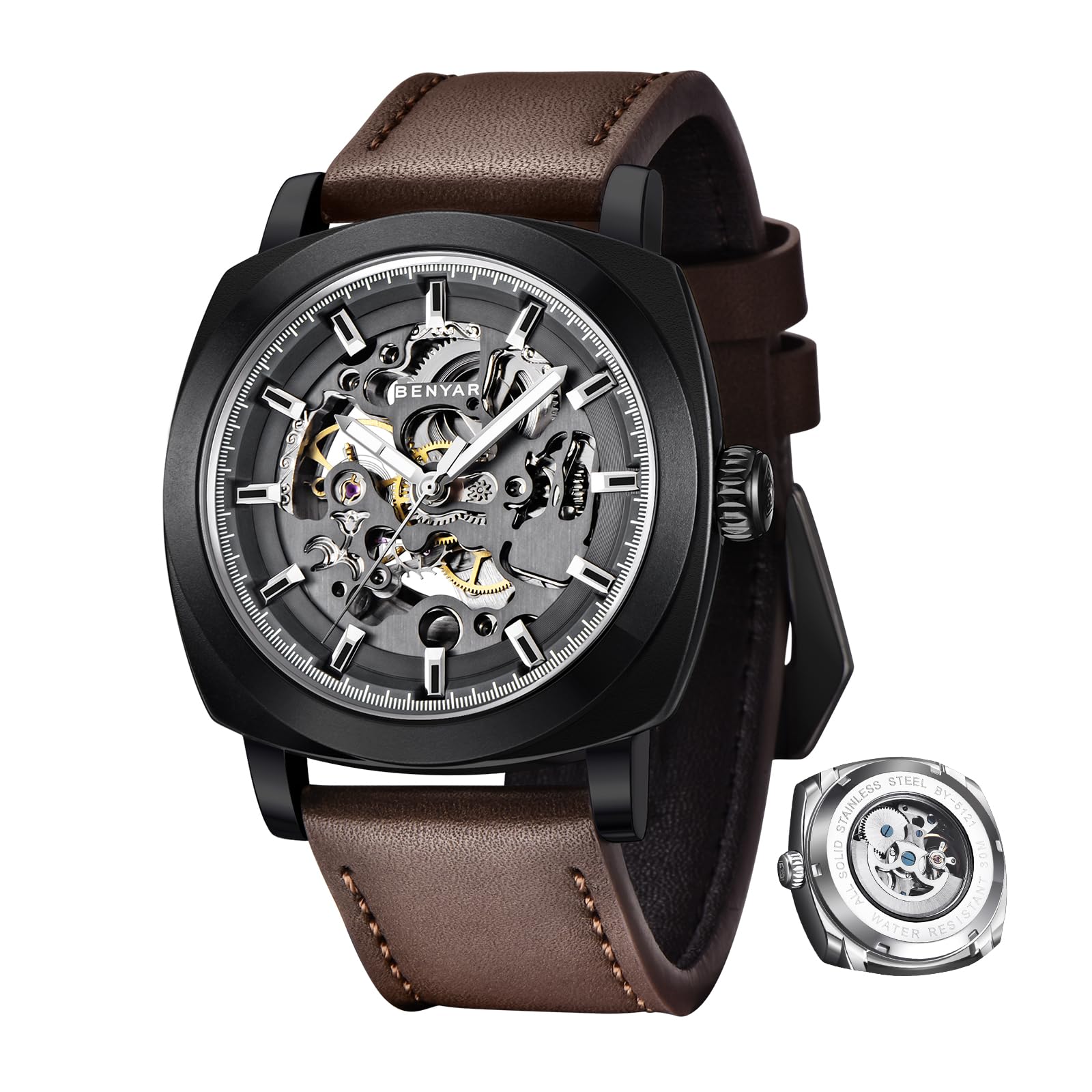
Price Tier Guidance by Budget
Instead of chasing a single winner, start with the tier that fits how often you will wear the watch. A watch worn twice a year for weddings has different needs than one worn with a suit four days a week. The three tiers below describe the level of execution you should expect at each budget.
Budget Tier: Simple, Slim, and Easy to Wear
A budget black dress watch should give you a slim case, a clean dial with no clutter, and a strap that sits flat under a shirt cuff. Expect quartz accuracy, mineral glass, and a case that is often plated rather than solid. The main limits are scratch resistance and strap quality, so plan to replace the strap sooner. If the dial is uncluttered and the case is under 40 mm, a budget piece can look sharp for occasional formal wear.
Midrange Tier: Better Materials and a Real Sapphire Option
In the midrange, you should expect a sapphire crystal or at least a clear path to one, a more even black finish on the case, and a strap with better lining and stitching. Movements stay accurate and may add solar charging, which removes battery changes for years. Finishing on the hands and markers looks crisper under light. For most buyers who wear a dress watch weekly, this tier balances appearance, durability, and cost better than either end of the market.
Premium Tier: Finishing, Movement, and Long Service Life
Premium money buys refinement you feel more than you see in photos. Cases are polished and brushed with cleaner edges, dials have depth, and automatic movements are finished to a higher standard. Straps use better leather with softer backing, and clasps close with a solid, even feel. You also pay for longer warranties and service networks that can maintain the watch for decades. Choose this tier if the watch will mark an occasion or become a daily signature piece.
What Your Money Gets You at Each Price Tier
Price tiers are useful only if you know what changes at each step. Some upgrades protect the watch from daily wear, while others are purely about feel and heritage. The breakdown below helps you decide which step, if any, is worth paying for in your case.
Budget Tier: What to Expect
At around $50 to $150, expect a quartz movement, mineral glass, and a basic leather or steel strap. Accuracy will be excellent because quartz is precise at any price, so you are not giving up timekeeping. What you give up is toughness and refinement, since plated cases can show wear at the edges and thin straps can crack with daily flexing. This tier suits a first dress watch, a backup for travel, or anyone who wears formal clothes only a few times a year.
Midrange Tier: The Sweet Spot for Most Buyers
At about $150 to $500, you gain sapphire crystal on many models, more durable case coatings, and straps that break in rather than break down. Solar and higher grade quartz movements appear here, along with cases in the 36 mm to 40 mm range that suit most wrists. Water resistance often rises to 50 m, which handles splashes with more confidence. If you want one black dress watch that lasts for years of regular wear, start your search in this tier.
Premium Tier: When Spending More Pays Off
Above about $500, spending more pays off in movement finishing, case construction, and ownership support rather than basic function. Automatic movements with longer power reserves, anti reflective sapphire, and solid end links on bracelets become common. Brands in this range also tend to stock parts longer, which matters for repairs ten years from now. Pay the premium if you value craft and longevity, not if you only need a watch that looks correct from across a room.
Features Worth Paying For (and Ones to Skip)
A long feature list can hide the few details that decide whether a dress watch works with a suit. Focus on the movement, the crystal, the strap system, and the support behind the watch. Flashy extras like a GPS module or heavy lume matter far less on a watch meant for cuffs and low light dining rooms.
Brand Reputation, Warranty, and Value
A known maker with a United States service network is worth paying for because dress watches are long term purchases. Look for a warranty of at least two years and clear pricing for battery changes, gasket checks, and strap replacement. Resale value is a minor point for most buyers, but steady parts supply protects your purchase. A practical tip is to check the brand site for service costs before you buy, so future maintenance holds no surprises.
Movement Type (Quartz, Automatic, Solar, Smart)
Quartz gives you the best accuracy for the least money and needs only a battery every two to three years. Automatic movements appeal if you enjoy mechanical craft, but they need regular wear or winding and cost more to service. Solar quartz is a strong middle path because light powers the watch and removes battery swaps. Smart features rarely suit a true dress watch, since screens and alerts fight the clean look you are paying for.
Water Resistance Rating
A 30 m rating means splash resistance only, so remove the watch before washing up or getting caught in heavy rain for long. A 50 m rating handles daily splashes and brief immersion with more margin, while 100 m adds real security if the crown is pushed in and gaskets are maintained. Dress watches seldom need 200 m, and higher ratings often come with thicker cases. Match the rating to your habits, and have gaskets checked every few years.
Crystal and Case Materials
Sapphire crystal is the upgrade most worth paying for because it resists the scratches that make a black dial look tired. Mineral glass is fine at budget prices but picks up marks from door frames and desk edges. For cases, 316L stainless steel with a quality black coating balances weight and durability, while titanium feels lighter on the wrist. Ask how the black finish is applied, since a bonded coating lasts longer than a thin surface paint.
Strap and Bracelet Options
The strap decides comfort more than any other part. Leather suits classic tailoring, a slim metal bracelet reads more modern, and silicone or NATO styles push the watch toward casual wear. A quick release strap system is genuinely useful because you can change from leather to a bracelet in seconds without tools. Check lug width before ordering spare straps, and choose a buckle finish that matches the case so the watch looks like one piece.
As you compare straps and cases, it helps to see how a black watch differs from a general dress watch in styling. If you want the broader category first, see our guide to the best dress watches for the classic rules on dial layout and size. If your focus is the all black look beyond formal wear, our guide to the best black watches covers sportier and casual versions as well.
Long Term Costs to Factor In
The purchase price is only part of ownership. Quartz models need a battery and a gasket check every few years for around $20 to $50 at a local shop, while automatic movements need a full service every five to seven years that can cost about $150 to $400. Leather straps are a consumable and may need replacing every one to two years with daily wear. Add a spare strap and a simple spring bar tool to your budget, and the watch will stay fresh without surprise spending.
Fit is the last check before you commit. Shoppers comparing formal options across brands may also want to read our guide to the best men's dress watches for sizing notes by wrist shape. And because a watch is only one part of an outfit, our guide to the best shoes for black dress can help you coordinate a full formal look without clashing tones.
Black Dress Watches: Your Questions Answered
Is a smartwatch worth it over a classic watch?
For formal wear, usually no. A classic watch keeps a clean dial, never needs nightly charging, and will not light up during a ceremony or a meeting. A smartwatch earns its place for fitness tracking and notifications during the workday. One point many buyers miss is battery aging, since a smartwatch battery often fades within three to four years, while a classic quartz watch can run for decades with simple battery swaps.
How water resistant should a watch be?
Choose at least 30 m for careful formal use and 50 m if you want peace of mind around sinks and rain. The rating assumes still water and fresh gaskets, so an older watch should be pressure checked before you trust the number on the dial. Also note that leather straps suffer in water even when the case is sealed, so keep leather dry regardless of the rating.
What case size fits my wrist?
Most wrists suit a case diameter of 36 mm to 40 mm for dress wear. Measure your wrist, then check that the lug to lug length does not extend past the edges of your wrist when the watch sits flat. Slim wrists under about 6.5 inches usually look best at 36 mm to 38 mm. When in doubt, choose the smaller size, because an oversized dress watch fights the clean line of a cuff.
How long does a watch battery last?
Most quartz dress watch batteries last about two to three years, and some high efficiency movements stretch to five years. A seconds hand that jumps every few seconds is a common low battery warning, giving you time to visit a shop before the watch stops. Solar models avoid this cycle by charging from light. Keep a solar watch near a window or under room light for a few hours each month if you store it in a drawer.
Quartz or automatic: which is better?
Neither is better for everyone. Quartz wins on accuracy, thinness, and low upkeep, which suits a watch worn only on formal occasions because it is always ready. Automatic wins if you enjoy mechanical movement and will wear the watch often enough to keep it running. A useful detail is power reserve, since many automatics stop after about two days off the wrist, so occasional wearers may prefer quartz or a watch winder.
Final Thoughts
Start with case size, then choose a movement you can maintain, then pay for sapphire if your budget allows. Those three decisions matter more than brand prestige or extra dial features. Readers watching total spend can also explore our guide to the best affordable dress watches for lower price strategies that still respect dress codes. Compare the product table above against this checklist, and the best black dress watches for your wrist and wardrobe will be easy to spot.


