
Best Binoculars for Boating: Buying Guide for 2026
Disclosure: We may earn a commission when you buy through links on this page, at no extra cost to you. As an Amazon Associate I earn from qualifying purchases. Learn more

The best binoculars for boating balance steady magnification, bright optics, and waterproof sealing. Here is how to choose a pair.
Life on the water makes binoculars work harder than they do on land. Spray, glare, motion, and changing light all affect what you can see, so a pair that feels fine in a shop may disappoint once the boat starts moving. This guide explains how to choose the best binoculars for boating by looking at the features that matter most on deck, and the product table can help you weigh size, brightness, and price side by side.
Start with how you actually boat. A calm lake trip, a coastal day sail, and an offshore passage place very different demands on optics, grip, and durability. Once you know your usual conditions, you can rule out pairs that are too heavy, too dim, or too delicate for your routine.

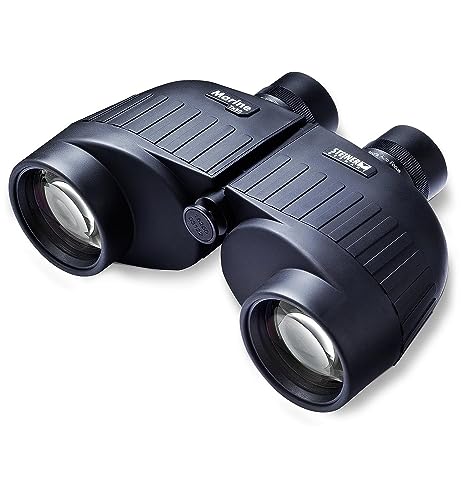
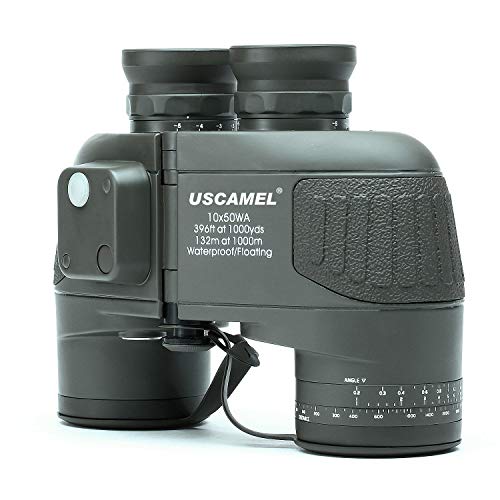


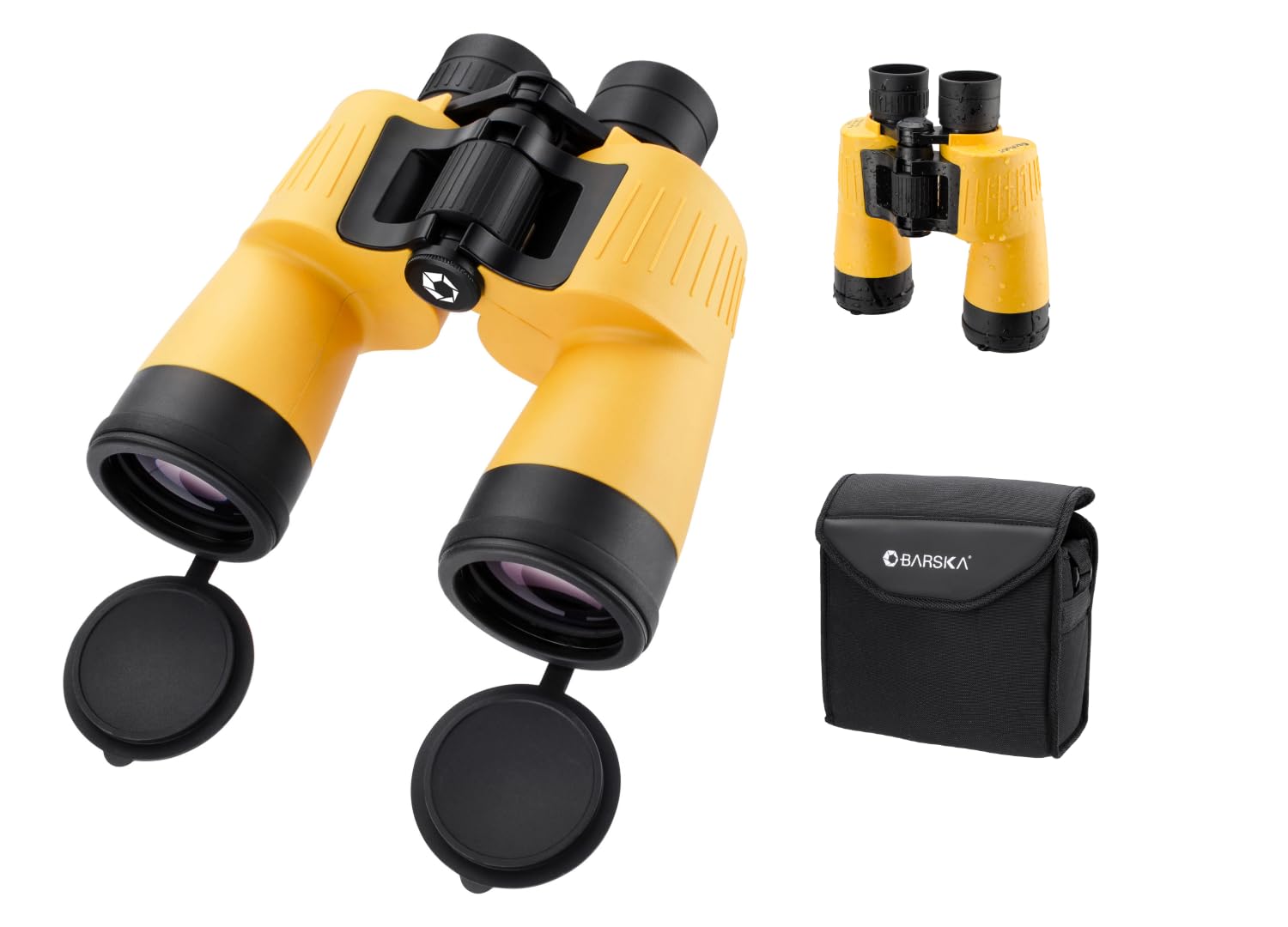

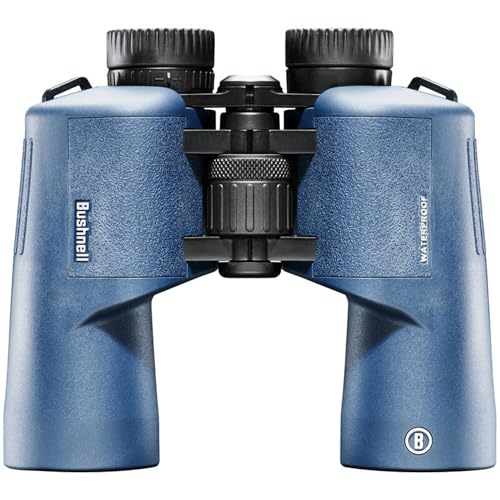

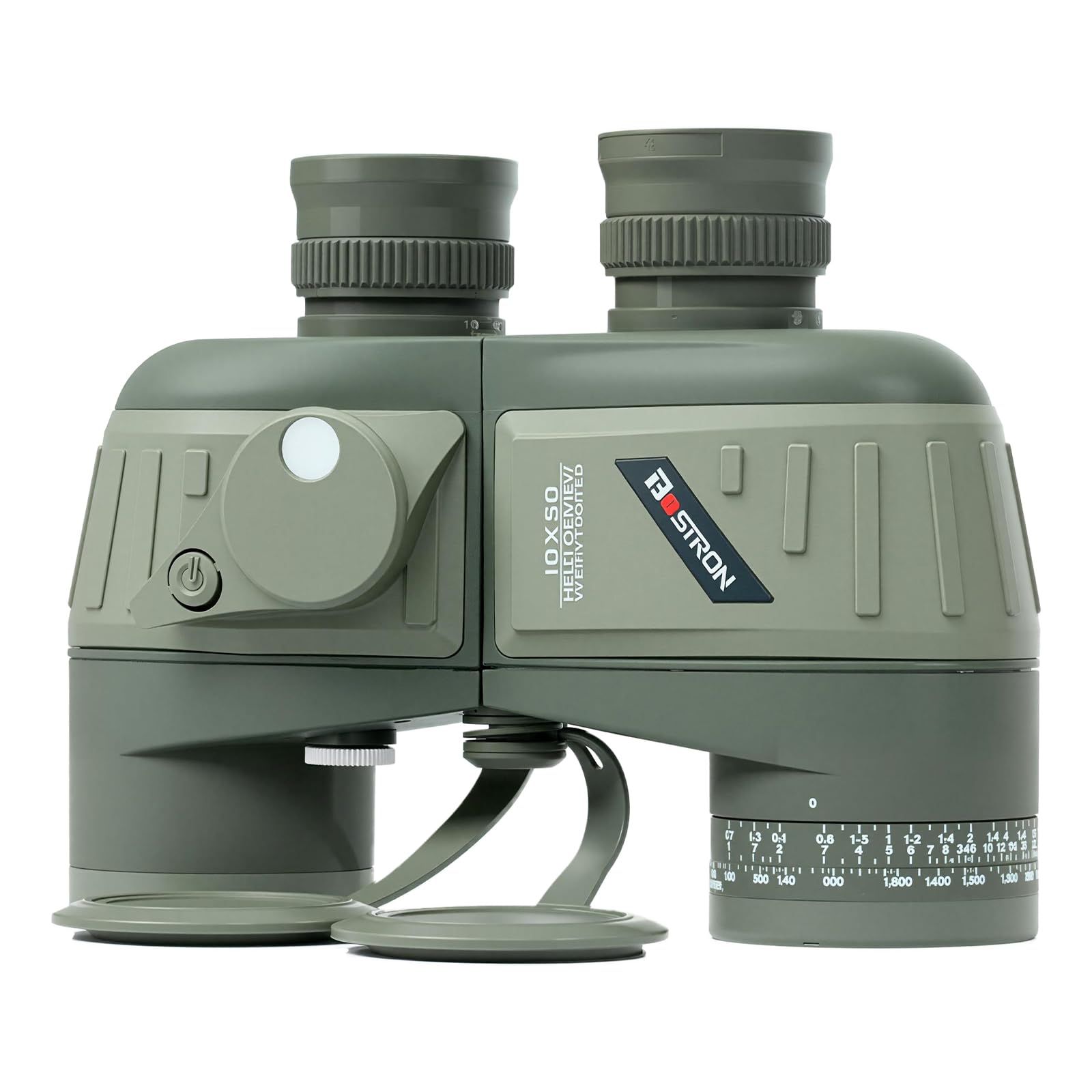
Spending Levels at a Glance
Price alone does not tell you whether a pair suits boating. A modest pair with good sealing and a steady grip can serve a casual boater well, while a frequent sailor may value brighter optics and a wider view. Use the levels below to match your budget to your time on the water.
A Modest Budget for Calm Water Days
At about $80 to $150, look for a compact or mid size pair with sealed construction, a nonslip grip, and a comfortable neck strap. Magnification around 7x or 8x is easier to hold steady on a gently moving boat than a stronger power, and an objective lens near 32 mm to 42 mm keeps the view reasonably bright. This level suits short trips, harbor watching, and spotting markers in daylight.
A Middle Budget for Regular Coastal Use
At about $150 to $350, you can expect better lens coatings, a wider field of view, and stronger sealing against spray and humidity. Many pairs in this range also offer longer eye relief, which helps if you wear glasses, and a smoother focus wheel that is easy to use with wet hands. This level suits boaters who go out often and want a pair that copes with dawn, dusk, and choppy water.
A Higher Budget for Open Water and Low Light
At about $350 to $700, the gains are usually in brightness, edge sharpness, and build quality rather than raw power. Larger objective lenses gather more light, and well made prisms and coatings preserve contrast when the sun is low or the sky is overcast. This level suits offshore trips, long passages, and boaters who scan the horizon for a long time and want less eye strain.
How to Choose the Best Binoculars for Boating
Boating optics are a balance. More magnification brings distant objects closer, but it also magnifies every movement of the boat and narrows the view. A brighter image helps at dawn and dusk, but a larger lens adds weight. Work through the factors below in order, and let your usual conditions decide each trade off.
Features That Matter for Boating
Waterproofing is the first feature to check, because spray and rain are part of boating rather than rare accidents. Look for sealed construction and a clear statement that the pair can handle immersion, not just light rain, and check whether the maker describes nitrogen purging to resist internal fogging. A floating strap is a practical extra, since a dropped pair over the side is usually gone for good. Also check the grip: textured armor and a shape that fits your hands help you hold the pair steady when the deck is wet.
Magnification and Objective Size
Binoculars are described by two numbers, such as 8x42. The first number is magnification, and the second is the diameter of the front lens in millimeters. For most boating, 7x or 8x magnification is a sensible starting point, because the image stays steadier and the field of view stays wide enough to follow a moving marker.
A 10x pair can help for distant detail in calm conditions, but it will feel shakier on a rolling boat. Objective lenses near 42 mm gather more light than 32 mm lenses, which helps in dim conditions, at the cost of extra size and weight.
Size, Weight, and Ergonomics
A pair you leave below deck because it feels heavy does you no good. Compact pairs near 25 mm to 32 mm objectives pack easily and suit short trips, while full size pairs near 42 mm objectives give a brighter, steadier view for longer watches. Hold the pair with both hands and check that the focus wheel falls naturally under a finger and that the eyecups adjust smoothly.
If you wear glasses, look for generous eye relief, which is the distance from the eyepiece at which you can still see the full view, and try it with your glasses on.
Lens and Zoom Range
Most boating binoculars use fixed magnification rather than a zoom, because a fixed design has fewer moving parts and a simpler focus. A zoom pair can sound flexible, but the image often grows dimmer and shakier at the high end, which is unhelpful on moving water. Instead, compare the field of view, which tells you how wide a scene you see at a set distance, and the close focus distance if you also watch birds near shore. Lens coatings matter too: fully coated optics transmit more light and reduce glare, which helps when you look toward sunlit water.
Ease of Use for Your Skill Level
New boaters should favor simple controls: one central focus wheel, a diopter adjustment for the difference between your eyes, and eyecups that twist or fold without fuss. Set the diopter once by covering one side at a time and focusing each eye in turn, then leave it alone. If you share the pair, choose a design that returns to focus quickly and does not require a long learning curve.
Stabilized pairs can help in rough water, but they add weight, need batteries, and cost more, so weigh that trade off against how often you boat in choppy conditions.
Low Light Performance
Dawn, dusk, and overcast skies are common on the water, and this is where brightness matters most. Exit pupil, which is the objective size divided by magnification, gives a rough guide: an 8x42 pair has an exit pupil near 5 mm, which suits dim light better than a compact pair with a much smaller exit pupil. Twilight factor is another guide that combines magnification and objective size, but it does not capture coating quality or prism design. In practice, a well coated 7x50 or 8x42 pair will usually serve low light boating better than a high magnification compact pair, even if the compact pair looks sharper in bright daylight.
Types of Binoculars for the Water
The three types below cover most boating needs. They differ mainly in size, brightness, and steadiness, so choose by how long you scan, how rough the water gets, and how much weight you are willing to carry.
Compact Binoculars
Compact pairs use small objectives, often 25 mm to 32 mm, and fold into a small case or a jacket pocket. They suit day trips, harbor visits, and boaters who want a backup pair that is always at hand. Their limits show in dim light and in rough water, where the smaller exit pupil and lighter body can make the image feel less steady. They are a good choice if portability matters more than long distance scanning, and if most of your boating happens in daylight.
Full Size Binoculars
Full size pairs, often 7x50 or 8x42, are the classic choice for boating. The larger objectives gather more light, the wider body is easier to grip, and the image feels steadier during a long watch. Their drawback is bulk: they need a proper case and a comfortable strap, and they can feel heavy around the neck after several hours. They suit coastal cruising, fishing, and any trip where you scan the horizon often and want a bright view in changing light.
Image Stabilized Binoculars
Stabilized pairs use electronics to counter small hand movements, which can make a real difference on a rolling boat or when you use higher magnification. They help you read a distant buoy number or follow a moving vessel without the image jumping around.
They cost more, weigh more, and need batteries, and the electronics add a part that can fail, so they suit frequent boaters and rough water use rather than occasional calm water trips. See our guide to the best stabilized binoculars for boating if this type interests you, and compare battery life and weight before deciding.
Care and Maintenance Tips
Salt and moisture are the main enemies of boating optics, so a short routine after each trip pays off. Rinse the pair gently with fresh water if it has been splashed with salt spray, then let it dry fully before storing it. Clean lenses with a soft lens cloth rather than a shirt, which can drag grit across the coating.
Store the pair in a dry, padded bag away from direct heat, and check the strap, eyecups, and seals now and then for wear. For a pair built to shrug off spray, see our guide to the best waterproof binoculars for boating and compare sealing claims before you buy.
- Use a lens cloth, not your shirt, so grit does not scratch the coating.
- Rinse off salt spray with fresh water, then dry the pair fully before storage.
- Store the pair in a dry, padded bag, away from heat and heavy gear.
- Check seals, straps, and eyecups regularly, and replace worn parts promptly.
- Remove stabilization batteries during long storage to avoid leaks.
If you want a broader sense of what makes a pair well regarded overall, our guide to the best rated binoculars explains the general features worth comparing, while our guide to the best image stabilized binoculars for boating goes deeper on steady viewing in rough water.
Frequently Asked Questions
What features matter most for boating binoculars?
Sealing against water, a steady magnification, and a bright view matter most on a boat. Waterproof construction and fog resistant filling protect the optics from spray and humidity, while 7x or 8x magnification keeps the image steadier than stronger powers. A wide field of view helps you follow markers and other vessels, and a good grip matters when the deck is wet. Weight and eye relief also deserve attention, since a pair that feels heavy or awkward will stay below deck when you need it most.
Which binocular size works better in low light on a boat?
A larger objective usually works better in low light, because it gathers more light for the same magnification. An 8x42 pair, for example, gives a brighter view at dawn than a compact 8x25 pair, and a 7x50 pair is brighter still. Coating quality also matters, so two pairs with the same numbers can still differ in brightness. If you boat often at dawn or dusk, favor a full size pair with well coated optics over a small pair with higher magnification.
How much should I spend on my first pair for boating?
Most first time boaters do well at about $80 to $200, where you can find sealed construction, decent coatings, and a comfortable grip. Spending less can still work for calm daylight trips, but very cheap pairs often fog or leak sooner. Spending more buys brighter optics and stronger build, which matters most for frequent or offshore use. Start with your usual conditions, then choose the lowest level that meets your sealing, brightness, and comfort needs.
What does 8x42 or 10x42 mean?
The first number is magnification, so 8x makes an object look eight times closer than it appears to the naked eye. The second number is the front lens diameter in millimeters, so 42 means a 42 mm objective. A larger second number usually means a brighter view, while a larger first number means a closer but shakier and narrower view. For boating, 8x42 is a popular balance, while 10x42 suits calm water and distant detail better than rough water scanning.
Is a smartphone enough instead of binoculars on a boat?
A smartphone can help with navigation apps and photos, but it is a poor substitute for binoculars on the water. Its digital zoom loses detail quickly, its screen is hard to read in bright sun and spray, and holding it steady at arm's length is difficult on a moving boat. Binoculars give a brighter, steadier, and wider view with both eyes, which helps you judge distance and movement. Keep the phone for charts and calls, and use binoculars for looking ahead.
Final Thoughts
Choose by conditions first, then by features. For most boaters, a sealed 7x or 8x pair with a bright view, a comfortable grip, and a weight you will actually carry beats a stronger or cheaper pair that stays in its case. Check sealing, eye relief, and field of view before you compare price, and let the picks in the table guide your shortlist. With the right pair, scanning the horizon becomes easier, so take time to pick the best binoculars for boating that fits the way you boat.


