Best Bingo Sets: How to Choose the Right One for 2026
Disclosure: We may earn a commission when you buy through links on this page, at no extra cost to you. As an Amazon Associate I earn from qualifying purchases. Learn more

The best bingo sets match your group size with the right cage or blower, ball size and card count for family nights and halls.
Choosing a bingo set starts with knowing what matters most for your own use, and best bingo sets come in a wide range of styles, prices, and features. This guide explains the main types in plain language, so you can compare options with confidence instead of guessing from a long list of features.
The sections that follow explain who each type suits, what features to check, and how to avoid common mistakes. Use the guide as a checklist while you shop, and keep your own room, budget, and daily routine in mind at each step.



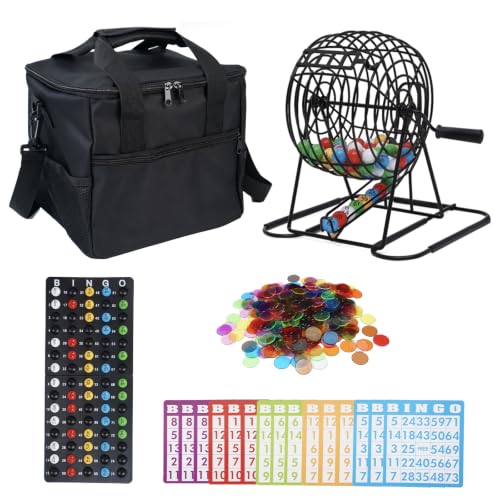


Who the Best Bingo Sets Suit
A bingo set suits a family game night, a classroom, a community hall, or a care home social where many people can play at once. It also suits a host who wants a game that needs little explaining and lets players of different ages join in together.
Think about group size first. A small set suits a family table, while a large hall set with a cage or blower and big cards suits dozens of players who need to see and hear each call clearly.
Cage Sets
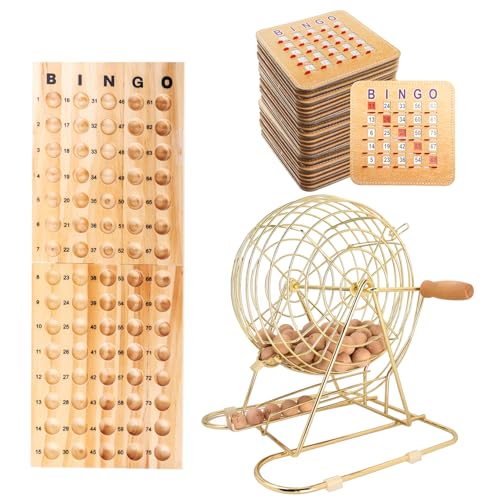
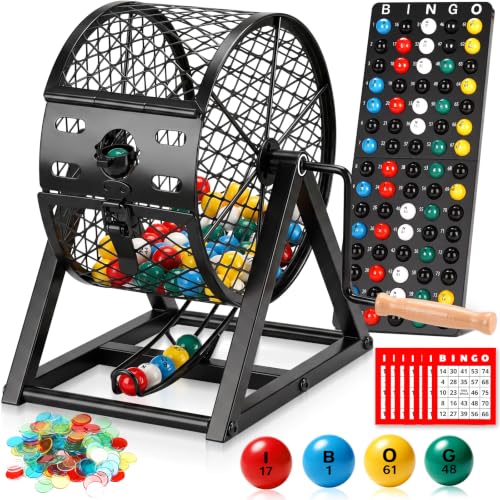
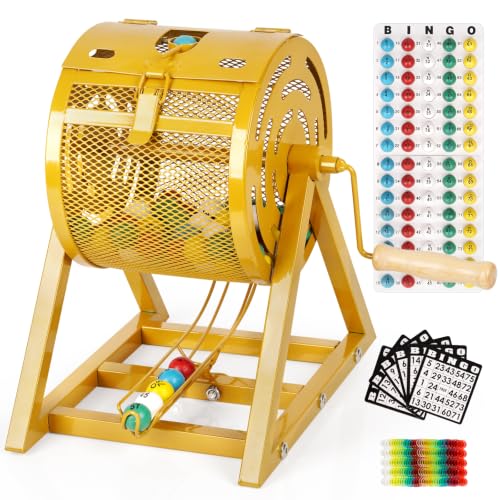
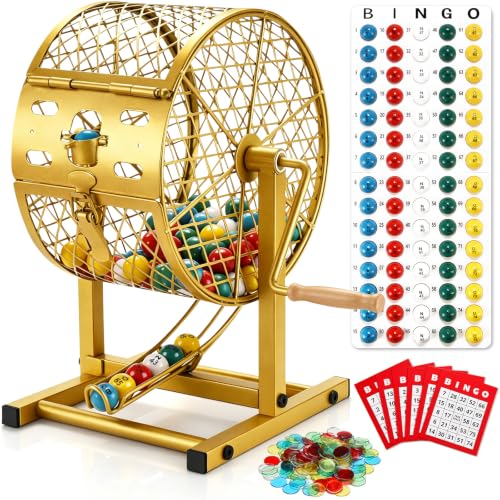
A cage set uses a turning cage to mix and draw balls, which feels traditional and lets everyone see the draw. It suits a host who wants a clear visible draw, but the cage needs table space and gentle handling.
Blower Sets
A blower set uses air to mix lightweight balls and pop one out for each call. It suits larger groups and younger players, because the draw is lively and easy to follow, though it needs power and makes some noise.
Card and Marker Sets
A simple card and marker set suits small groups and travel, since it packs flat and needs no cage or power. It works best when one person calls numbers from a separate list and players mark cards by hand.
Key Features to Compare
Ball and Number Clarity
Check that balls are large enough to read from across the table and that numbers are printed clearly on both sides. Poor print causes disputes, so check readability in normal room light before a big game.
Card Quality and Count
Look for sturdy cards that survive repeated marking and enough cards for your largest group. Shutter cards last longer than paper cards, while paper cards suit one off events where you want a fresh set each time.
Calling and Display
A good set makes calling easy, with a master board or a caller card to track drawn numbers. For large rooms, a display board or a loud clear voice matters more than fancy parts, so plan how every player will hear each call.
Fit, Size, and Everyday Use
Set the cage or blower where all players can see it, and place the master board where the caller can reach it without blocking the view. Keep markers, spare cards, and a pen for the caller in one spot so the game does not pause for hunting.
Compare sets by player count and venue before you look at extras. A hall set is wasted on a family of four, while a travel set frustrates a hall of forty, so match the set to the largest group you expect to host.
Store balls in order or in their bag, keep cards flat and dry, and wipe the cage or blower after use. Check that no balls are missing before each game, because a missing ball changes the odds and can spoil a close game.
Mistakes to Avoid Before You Order
A common mistake is buying a set with too few cards for the group, which forces sharing and slows play. Another is choosing tiny balls that players cannot read, so check size and print quality before you buy.
Do not rush the calling pace for a large group. Call each number twice, pause for marking, and confirm the winning card against the master board before awarding a prize, so the game stays fair and friendly.
Frequently Asked Questions
How many cards do I need for a bingo night?
Provide one card per player as a minimum, and keep spares for late arrivals and for players who want a second card. For a hall game, count your largest expected group and add a small margin so no one is left out.
Are cage sets better than blower sets?
Cage sets feel traditional and need no power, while blower sets mix balls quickly and suit larger groups. Choose a cage for a quiet traditional evening and a blower for a lively hall game where speed and visibility matter.
What age group suits a bingo set?
Bingo suits a wide age range, because the rules are simple and players can join at their own pace. For young children, use picture cards or large print cards, and keep games short so attention stays high.
How do I avoid disputes over a win?
Check the winning card against the master board or the caller record before awarding a prize. Call numbers clearly, repeat each call, and agree the winning pattern before the game starts so everyone plays by the same rules.
How should I store a bingo set?
Store balls together in their bag or box, keep cards flat and dry, and pack the cage or blower so it cannot be dented. Count the balls before storage so a missing ball is found early rather than during a game.
Final Thoughts
Take your time, use the checklist in this guide, and choose the option that fits your routine, your budget, and your care habits. When you compare fairly and check the fit, best bingo sets becomes a confident choice rather than a guess.