
Best Bindings for Vans Snowboard Boots of 2026: Complete Buying Guide
Disclosure: We may earn a commission when you buy through links on this page, at no extra cost to you. As an Amazon Associate I earn from qualifying purchases. Learn more

Find bindings for Vans snowboard boots with clear guidance on flex, strap fit, sizing, mounting and board feel for freestyle and all mountain riding.
Vans boots vary by model, from soft freestyle pairs to stiffer boots built for speed and steep ground. That is why the best bindings for vans snowboard boots are not simply the stiffest or the cheapest pair on the wall. The right match follows your boot flex, your boot outer shape and the riding you do most, and the comparison table below lets you check those points side by side.
This guide covers fit first, then flex, straps, baseplate feel and mounting. You will learn how to center a Vans boot, how to read a size chart, and which entry systems your boots cannot use.
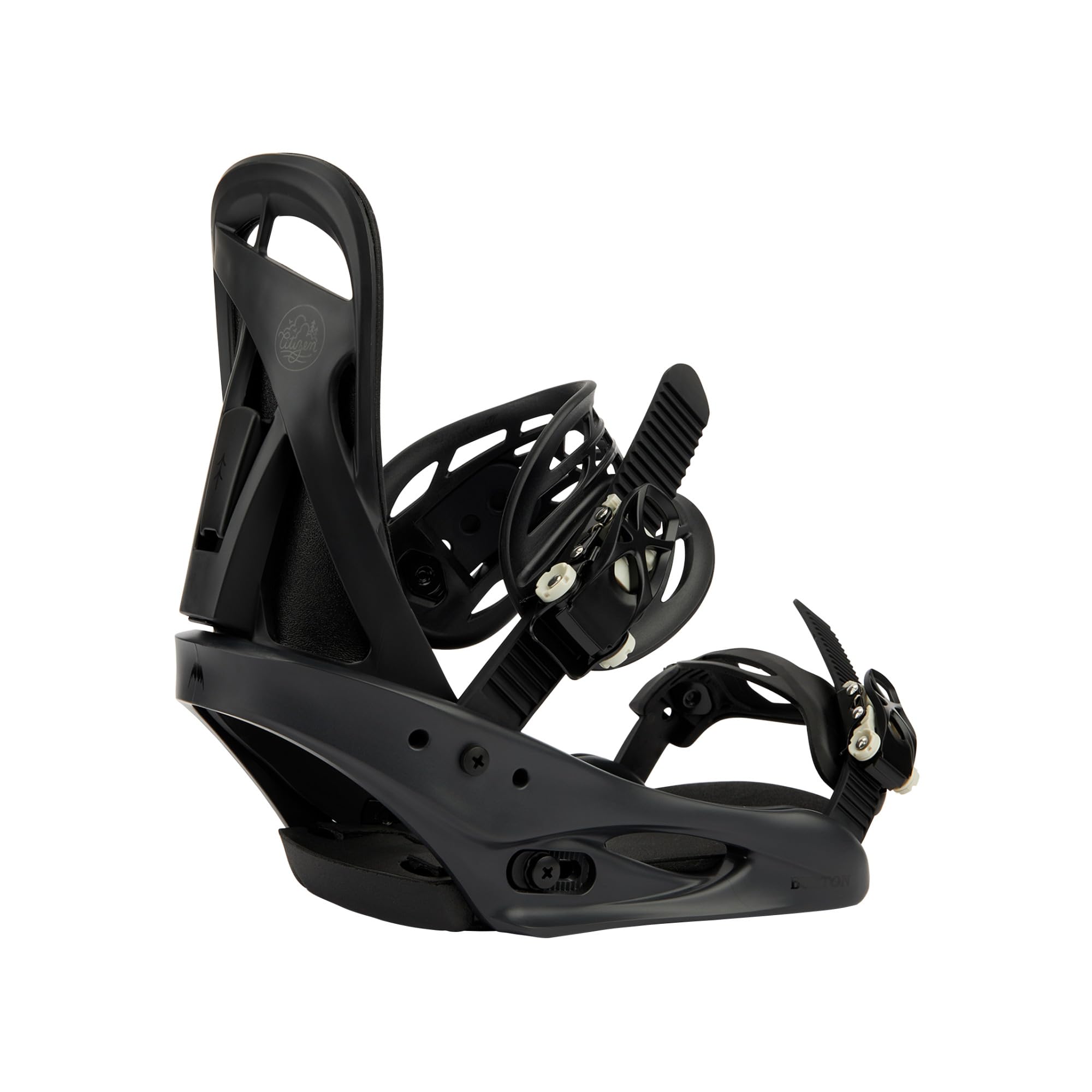


Who Should Buy Bindings That Pair With Vans Boots?
Start from the Vans boot you own or plan to buy, because its flex sets the range of bindings that will feel balanced. If you are still choosing the boot, see our guide to the best vans snowboard boots first.
Park Riders in Soft Vans Boots
You ride boxes, rails and jumps, and you press the board through your feet. Pair a soft Vans boot with a soft to medium binding, around 3 to 5 on a 1 to 10 flex scale, so the highback lets your ankles move. A plush ankle strap suits repeated landings.
All Mountain Learners in Vans Boots
You link turns on groomed runs and want one setup that stays calm as speed grows. A medium flex binding, around 5 to 7, supports a mid flex Vans boot without punishing small errors. Look for a padded footbed and straps you can adjust without tools.
Freeride Riders in Stiff Vans Boots
You ride steeps, trees and powder, and you drive the board hard through each turn. Match a stiff Vans boot with a stiff binding, around 7 to 10, so energy moves from your legs to the edge with little delay. A firm heel cup suits this style.
Key Features to Compare
Choosing the best bindings for vans snowboard boots is only partly about flex numbers. Compare strap shape, heel cup room, footbed cushioning and disc fit next, because those details decide whether a Vans boot sits centered.
Flex Matched to Your Vans Boot
Flex describes how much a binding resists when you lean into the highback. A binding far stiffer than your boot makes the boot fold first, so turns feel harsh at the shin. A binding far softer lets a stiff boot overpower it. Stay within about two points of your boot rating, and favor the softer end for park riding.
Ankle Strap and Toe Cap Fit
Straps must spread pressure across the boot instead of pinching one narrow line. A wide, padded ankle strap holds the heel down when you lean toeside, while a shaped toe cap pulls the boot back into the heel cup rather than pressing on the toes. Vans boots differ in toe box volume by model, so check the cap does not slide sideways when snug.
Heel Cup Room and Highback Shape
The heel cup has to accept your boot heel without forcing the boot forward. Strap the boot in and look from the side: the boot should touch the back of the cup, with the highback close to the calf. A highback that rotates to match your stance angles reduces calf bite.
Baseplate Cushioning and Canting
The footbed sits between your boot sole and the board, so its padding shapes comfort and control. A full length foam or rubber pad softens landings and vibration on hard snow. Slight canting, where the footbed tilts inward by a few degrees, can ease knee strain for wide stances. Riders who prize board feel prefer a thinner pad and less cushion.
Mounting Disc Fit for Your Board
Bindings attach through a disc, and that disc must match the insert pattern on your board. Most discs fit the common four hole patterns, while some boards use a long central channel that needs a channel ready disc. Check this before you buy, because a disc mismatch cannot be fixed with longer screws.
Buckles, Ladders and Materials
Ratchets should click cleanly and release without sticking when snow packs around them. Ladder straps with even teeth feed smoothly and show wear early, so you can replace one before it fails. Chassis parts come in nylon, composite blends and aluminum: composite keeps weight and cost down, while aluminum feels more direct but harsh with a soft boot.
Binding Types Compared for Vans Boots
Most bindings that suit Vans boots use two straps and a hinged highback. The types below differ in flex and entry method.
Soft Flex Two Strap Bindings
These are the most beginner friendly option and the natural partner for soft Vans boots. The highback and baseplate give under pressure, so slow speed mistakes rarely throw you off balance. Their limit shows on steep, icy runs.
Medium Flex All Mountain Bindings
A medium flex two strap binding is the all around choice for a mid flex Vans boot. It stays playful for small features yet holds an edge on groomed runs at moderate speed. For riders buying one pair to grow with, this is usually the safest pick.
Stiff Bindings for Freeride and Carving
These advanced performance options use firm highbacks, stiff chassis materials and minimal padding to pass leg movement straight to the edge. They reward clean technique and punish sloppy weight shifts. Pair them only with a stiff Vans boot, because a soft boot folds first.
Rear Entry Bindings and Youth Sizes
Rear entry models let the highback fold back so you slide the boot in from behind, then lock the highback up. They save time at lift exits, but the heel cup opening must clear the heel of your Vans boot. If that entry style is your priority, see our guide to the best snowboard boots for flow bindings. Youth versions use the same design in smaller sizes with softer flex.
How to Size and Mount Bindings With Vans Boots
Use the size chart for the binding brand. Charts list a boot size range per binding size, but Vans models differ in outer length at the same US size, so a boot near the top of a range may fit better one size up. See also our guide to the best bindings for vans boots.
To center the boot, mount the binding, set your stance, and stand in the boots on the board on carpet. Toe and heel should extend past the edges by a similar amount, because uneven overhang causes toe drag on one side and slow response on the other. If you are buying both together, see our guide to the best snowboard boots and bindings.
Set forward lean last. A little lean speeds up heelside response, while zero lean feels looser for park riding. Tighten screws in a cross pattern and recheck them after your first day.
Common Mistakes to Avoid
- Buying a binding size from street shoe size alone leaves the boot off center and causes toe drag or heel drag.
- Pairing a very stiff binding with a soft Vans boot makes the boot fold first and turns feel harsh.
- Choosing a step in system made for one brand of boot leaves standard Vans boots with no way to lock in.
- Cranking the toe strap as tight as it goes crushes the toe box and causes foot pain.
- Ignoring the disc pattern means the binding cannot mount to your board or your stance stays limited.
- Setting wide stance angles without rotating the highbacks leaves the highback edge digging into your calf.
How to Make Your Snowboard Bindings Last Longer
Brush snow and grit off the straps and ratchets after each day, then let the bindings dry open at room temperature. Sand trapped in a ratchet wears the teeth and makes the release sticky. Never leave wet bindings sealed in a board bag, because trapped moisture corrodes screws.
Check mounting screws and ladder straps every few days of riding. Replace a ladder with cracked teeth before it snaps on the slope, and keep spare screws in your repair kit. Store bindings in shade with straps loosely closed.
FAQ
What binding size fits Vans snowboard boots in US size 10?
A US size 10 Vans boot most often fits a medium binding, but the size chart for that binding brand is the final word. Wear the socks you ride in for the fit test, because thick socks change how the toe cap seats. If your boot sits between sizes, pick the size that centers it with adjustment left on both ladders.
Can Vans snowboard boots work with step in binding systems?
No, standard Vans snowboard boots cannot work with step in systems that need matching cleats built into the boot sole. Those systems lock to hardware only their own boots carry, and no adapter adds it safely. Your options are two strap and rear entry bindings, which accept a normal sole.
How stiff should bindings for Vans snowboard boots be for park riding?
For park riding, bindings for Vans snowboard boots should sit at the soft to medium part of the flex scale. A softer highback also lets you change forward lean quickly between laps. Riders on large jumps often pick the firmer end of that range for landing support.
Do rear entry bindings fit Vans snowboard boots well?
Rear entry bindings fit Vans snowboard boots well when the heel cup opening clears the boot heel as it slides in. Test the entry with gloves on, because small release levers can be hard to grip in thick gloves. Also check that the single tension setting holds across a full day.
When should snowboard bindings paired with Vans boots be replaced?
Snowboard bindings paired with Vans boots should be replaced when ratchets slip under load or the chassis shows cracks near the disc. Sun faded plastic that creaks when flexed is another warning sign. A single worn ladder can be replaced alone, so inspect part by part first.
Final Thoughts
Match flex to your boot first, then confirm strap fit, heel cup room and disc fit. Use the product table above to compare sizes, flex ratings and prices.
When you judge the best bindings for vans snowboard boots by fit before looks, you get a setup that feels calm on groomed runs and forgiving in the park. Take your boots to the fit check.


