
Best Biking Shoes For Commuting 2026: Buying Guide
Disclosure: We may earn a commission when you buy through links on this page, at no extra cost to you. As an Amazon Associate I earn from qualifying purchases. Learn more

Learn how to choose best biking shoes for commuting with confidence. Compare types, key features, sizing and care, and avoid common buying mistakes before.
A commute asks more of a shoe than a weekend ride: you pedal in traffic, stand at lights, walk across a lobby and sit at a desk, often in the rain. The best biking shoes for commuting grip the pedal, walk like normal shoes and look acceptable at work. This guide covers the main types, the features that matter, and a few fit checks so you can choose a pair that suits your route, your pedals and your dress code.
Most commuters do not need a racing shoe. A shoe with a moderately stiff sole, a grippy outsole and a recessed cleat or flat tread gives enough pedalling support without making every walk awkward.
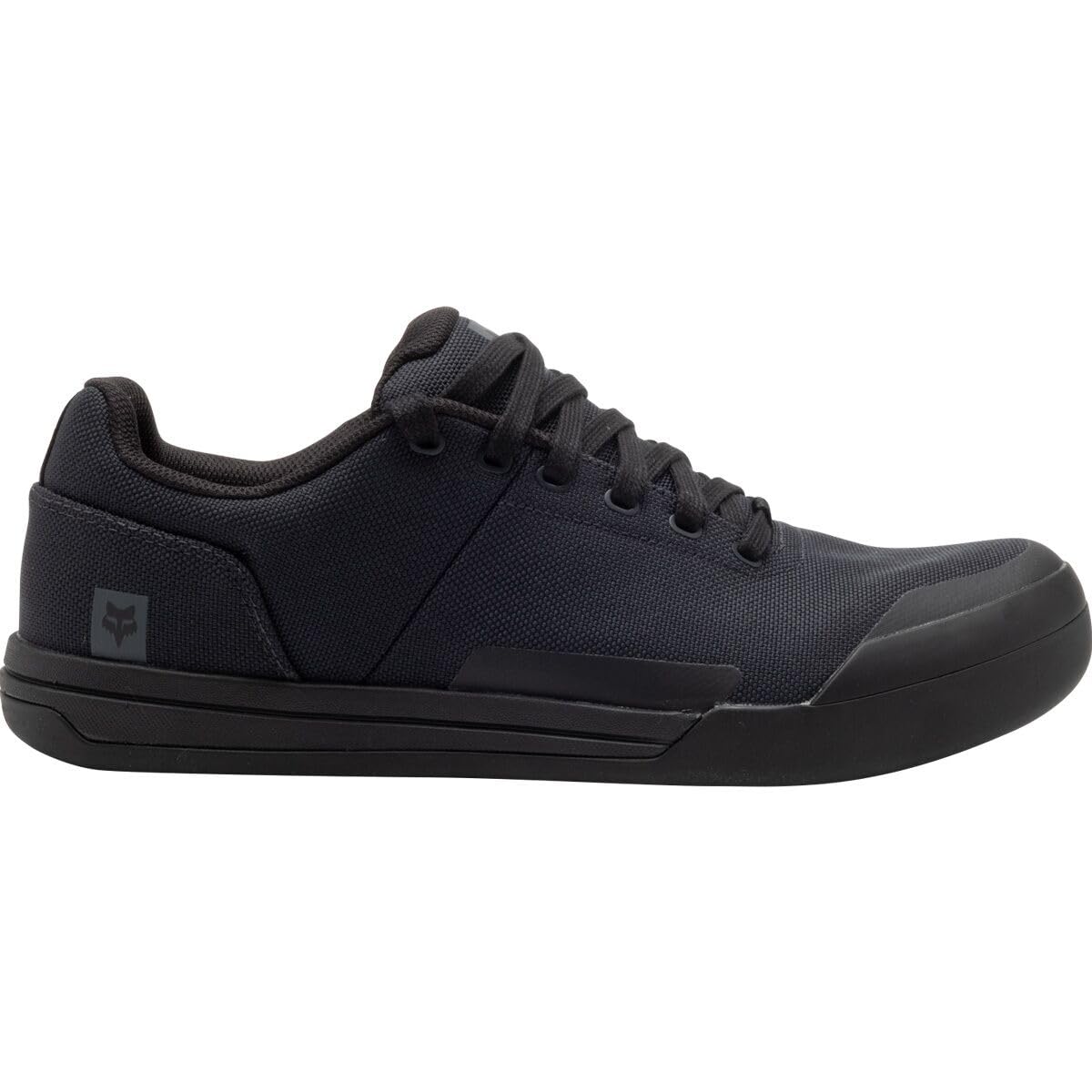
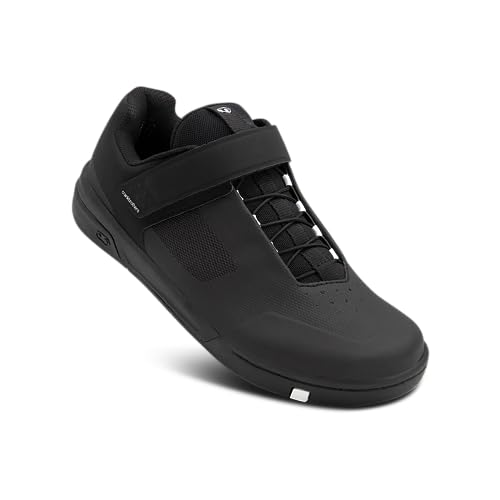
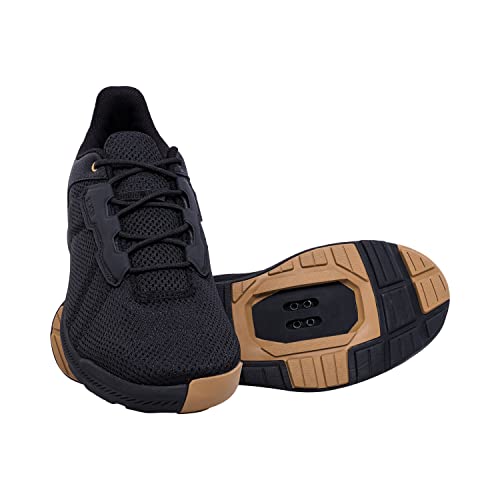


Who Should Buy Commuting Bike Shoes
These shoes suit anyone who rides to work or school several times a week and wants to avoid changing shoes at the destination. They help most on commutes of a few miles or more, where soft trainers flex under the pedal and tire the foot. If you ride a short hop to the shop once a week, ordinary sneakers may be enough. If you ride year round, pay attention to weather protection.
Types of Commuting Shoes
Casual flat pedal shoes
These look like sneakers or skate shoes and use a grippy, slightly stiff sole for flat pedals. They suit short and medium commutes and are the easiest to wear all day. They work with any flat pedal and need no special cleats.
Clip in commuting shoes
Clip in shoes use a two bolt cleat that sits recessed in the sole, so you can walk almost normally. They give a secure, efficient pedal stroke on longer commutes, but you need clipless pedals and some practice at junctions.
Waterproof commuting shoes
Sealed uppers keep rain and puddle splashes out. They suit wet climates, though they breathe less and can feel warm in summer. Combine them with waterproof socks or overshoes on very wet days.
Winter commuting shoes
Insulated uppers and thicker soles keep feet warm in cold weather. They suit riders who commute year round, and they are bulkier than summer shoes, so check that they fit your pedals and cranks.
Key Features to Compare
- Walkability: a sole that flexes enough for stairs and corridors without feeling floppy on the pedal.
- Pedal grip: tread and rubber that hold flat pedals in the wet.
- Toe protection: a reinforced toe for stops, kerbs and pedal strikes.
- Breathability: ventilation that keeps feet dry on warm rides.
- Closure: laces, straps or a dial that stay secure while riding. Tuck loose laces away from the chain.
- Visibility: reflective details help in low light on winter commutes.
How to Choose the Best Biking Shoes for Commuting
Match the shoes to your pedals first, because clip in shoes need compatible pedals while flat shoes work with any pedal. Then think about distance: short rides suit casual shoes, while longer rides benefit from a stiffer sole. Check your work dress code, because a smart casual design may suit the office better than a sporty one. Finally, think about weather and decide whether you need water resistance, insulation or neither.
Fit matters more than features. Try shoes with the socks you ride in, leave a little room in the toe box, and walk around before deciding. A shoe that pinches in the shop will hurt more after an hour of pedalling. The product table above lets you compare current options by price and type.
Common Mistakes to Avoid
- Wearing soft trainers that slip on wet pedals.
- Forgetting to check pedal and cleat compatibility.
- Choosing a shoe that cannot walk comfortably to a desk.
- Ignoring reflective details for winter commutes.
- Buying a size that is too snug, which leaves no room for thicker socks in winter.
Care and Safety
Clean shoes after wet rides, air dry them fully away from direct heat, and inspect the sole at the heel for wear. Replace laces before they fray through. Check cleat bolts if you ride clip in shoes, and replace worn cleats before they release unexpectedly. Ride with lights and a helmet in traffic, and see a clinician if knee or foot pain lasts beyond a few rides, since fit alone may not solve it.
Fit, Sizing and Daily Comfort
Commuting shoes spend more hours on your feet than race shoes do, so comfort over a full day matters. Try them on late in the day when feet are slightly larger, and wear the socks you ride in. You want a snug heel, a secure midfoot and room for your toes to spread. If you plan to wear thick winter socks, test the fit with them before you decide. A shoe that fits well in the shop but pinches after an hour on the bike will end up in the cupboard.
Check how the shoe behaves on stairs and wet floors, because a sole that grips pedals well can still be slippery on smooth office tiles. Rubber outsoles with a shallow tread usually give a good balance. Look at the heel as well, since commuters wear it down faster than riders who only pedal.
Weather and Visibility
Rain, cold and darkness change what you need from a shoe. In wet weather, a water resistant upper and a quick drying lining keep feet comfortable, and overshoes add protection on the worst days. In cold weather, a thicker sole and an insulated upper slow heat loss through the pedal. In the dark, reflective panels on the heel and sides make your feet visible to drivers as your legs move, which is a cheap safety gain. Keep a spare pair of dry socks at work, since wet feet make the ride home miserable.
Related Guides
Read our guides to the best cycle shoes for commuting, the best winter biking shoes and the best biking boots for a closer look at those cases.
Frequently Asked Questions
Can I commute in normal sneakers?
Yes, for short, easy rides. Soft soles flex under the pedal and tire the foot on longer rides, and smooth soles can slip when wet. A shoe with a firmer, grippier sole is more comfortable and safer.
Do I need clip in pedals for commuting?
No. Flat pedals with grippy shoes work well and let you put a foot down quickly in traffic. Clip in pedals add efficiency on longer rides, but they take practice and are less forgiving at stops.
Are waterproof shoes worth it?
If you ride in the rain often, yes. They keep feet dry on short wet rides, though they breathe less. For heavy rain, waterproof socks or shoe covers add protection.
How stiff should a commuting shoe be?
Moderately stiff. The sole should support the pedal without feeling rigid on stairs. Very stiff race soles walk poorly, and very soft soles tire the foot.
How long do commuting shoes last?
Daily commuters often replace shoes after a year or two, when the heel wears down or the sole loses grip. Rotating two pairs helps shoes dry between rides.
Final Thoughts
Pick shoes that match your pedals, walk comfortably and cope with your weather. Compare the product table above, check the fit with your own socks, and choose the best biking shoes for commuting that you will happily wear from the first pedal stroke to the last meeting of the day.


