
Best Bikepacking Shoes 2026: A Clear Buying Guide
Disclosure: We may earn a commission when you buy through links on this page, at no extra cost to you. As an Amazon Associate I earn from qualifying purchases. Learn more

Learn how to choose bikepacking shoes by cleat fit, walkability, weather protection, and comfort, with practical advice for long mixed days on and off the bike.
Choosing best bikepacking shoes is different from choosing road shoes or hiking boots, because you will both pedal and walk in the same pair. The comparison table below gives a quick overview of the main shoe styles, while this guide explains how to balance pedalling efficiency with walking comfort.
Bikepacking trips mix long hours in the saddle with hike a bike sections, river crossings, camp chores, and stops in towns. A shoe that is perfect on the bike can be miserable on a rocky path, while a comfortable walking shoe may feel vague on the pedals. The best bikepacking shoe is therefore a compromise, chosen for the balance of riding and walking your trips actually involve.

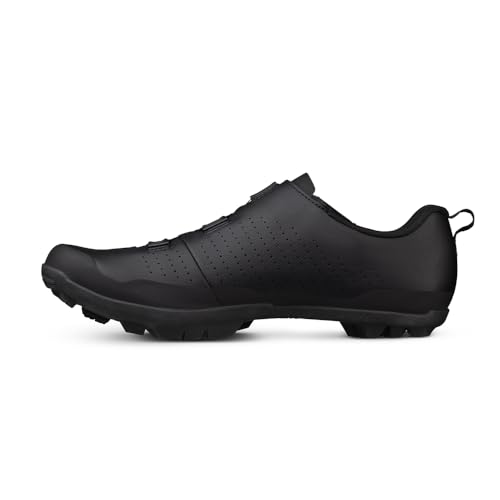

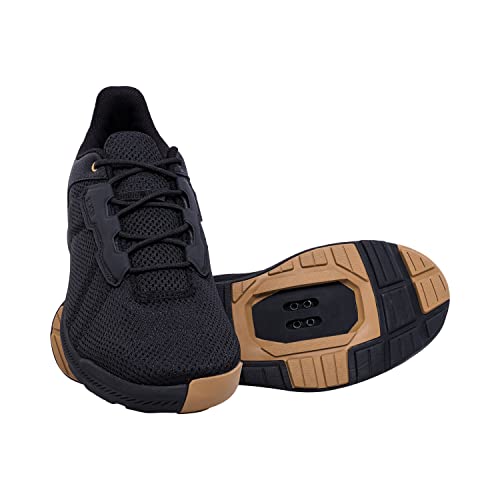


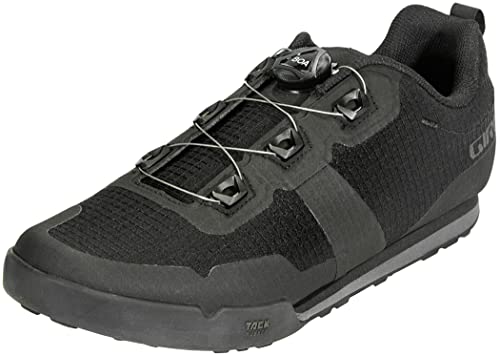
The Basics
Bikepacking shoes usually use a stiffened sole with a cleat mount for clipless pedals, or a flat sole for flat pedals. Clipless shoes clip into the pedal for efficient pedalling and a secure foot position, while flat pedal shoes use a sticky rubber sole to grip pedal pins. Some bikepacking shoes look like trail shoes with a stiffer midsole, which helps them walk more naturally than a pure cycling shoe.
Fit is critical on multi day trips, because feet swell with heat and long hours. A shoe that fits snugly in the morning can feel tight by afternoon, so leave a little room in the toe box and check fit with the socks you will actually wear. Water resistance, drainage, and drying speed also matter, because wet shoes that stay wet for days cause blisters and discomfort.
Key Features to Compare
Clipless or Flat Pedal Shoes
Clipless shoes give the most efficient pedalling and keep your foot in a consistent position, which helps on long climbs. Flat pedal shoes are easier to walk in, simpler to use at camp, and let you put a foot down quickly on technical sections. Choose clipless if most of your trip is pedalling on smoother trails, and flat pedals if you expect frequent walking, technical terrain, or river crossings.
Sole Stiffness and Walkability
Sole stiffness is a trade off: a very stiff sole pedals efficiently but walks awkwardly, while a flexible sole walks well but can feel tiring on long pedals. A medium stiff sole with a rockered shape often works best for bikepacking, because it pedals reasonably well and still allows a natural walking stride. Test walking on a slope, not just on flat ground, before committing to a shoe.
Fit, Toe Box, and Swelling
A roomy toe box lets toes spread on long days and reduces pressure when feet swell. Try shoes later in the day when feet are slightly larger, and wear your trip socks for the fitting. Check for pressure points around the ankle and the cleat area, because a small pressure point on day one can become a painful blister by day three.
Weather, Drainage, and Drying
Waterproof shoes keep feet dry in light rain but can stay wet for a long time once water gets inside. Shoes with good drainage and quick drying materials are often better for trips with river crossings or sustained rain. Consider gaiters for mud and debris, and carry a spare pair of dry socks in a waterproof bag for camp and for the next morning.
Weight and Packability
Every gram matters when you are pedalling loaded, but a very light shoe may sacrifice durability or protection. A midweight shoe with a protective toe cap and a durable upper usually lasts longer on rough trails. If you carry a second pair of camp shoes, keep them light and compact so they do not eat into your luggage space.
Who Should Buy Which Type
For Long Mixed Terrain Trips
Riders on long mixed terrain trips need a shoe that pedals well for hours and walks comfortably on rough ground. A medium stiff clipless shoe with a trail style upper and a protective toe is a strong all round choice. Break the shoes in before the trip with loaded rides and walks, not just short spins around the block.
For Technical and Hike Heavy Routes
If your route includes steep hike a bike sections, rocky portages, or frequent stops, prioritise walking comfort, grip, and ankle support over pedalling stiffness. A flat pedal shoe or a flexible clipless shoe with a grippy sole will feel far better off the bike. Accept a small loss in pedalling efficiency in exchange for safer, more comfortable walking.
For First Time Bikepackers
First time bikepackers often benefit from a versatile trail style shoe that is easy to walk in and forgiving on the bike. Avoid the stiffest race shoes, which can be painful on long days, and avoid heavy boots that tire your legs. Choose a shoe you can wear all day, test it on a weekend trip first, and adjust cleat position gradually.
Related Choices to Compare
If you are also weighing a nearby option, the guide to best clipless shoes for bikepacking explains how that choice differs and when it may suit your needs better. Compare its main trade offs with the points above before you decide.
Common Mistakes and Care
A common mistake is buying shoes that fit perfectly in the shop but are too tight once feet swell on a long hot day. Another mistake is choosing a shoe for pedalling alone and discovering it is painful to walk in on the first hike a bike section. Always test shoes with loaded riding and walking, not just a quick indoor try on.
Clean mud from cleats and soles after each day, dry shoes away from direct heat, and check cleat bolts for tightness regularly. Replace worn soles or cleats before they slip, and carry a spare cleat bolt if your system uses them. Good care will keep the shoes comfortable and safe across a whole trip.
Frequently Asked Questions
Should bikepacking shoes be clipless or flat?
Clipless shoes suit riders who pedal most of the day on smoother trails and want efficient power transfer and a secure foot position. Flat pedal shoes suit riders who walk often, ride technical terrain, or prefer to put a foot down quickly. There is no single right answer, so choose based on how much of your trip is spent walking versus pedalling.
How stiff should a bikepacking shoe be?
A medium stiff sole is usually best for bikepacking, because it pedals reasonably well while still allowing a natural walking stride. Very stiff soles feel efficient on the bike but awkward on foot, while very flexible soles walk well but can tire your feet on long pedals. Test both pedalling and walking before you decide.
How should bikepacking shoes fit?
Bikepacking shoes should fit snugly at the heel and midfoot with room for toes to spread, especially later in the day when feet swell. Try them with your trip socks and, for clipless shoes, with your pedals if possible. A shoe that pinches or rubs in the shop is unlikely to improve on a multi day trip.
Are waterproof bikepacking shoes worth it?
Waterproof shoes help in light rain and wet grass, but they can stay wet for a long time once water enters over the ankle or through the tongue. For trips with river crossings, quick drying shoes with good drainage are often better. Use waterproof socks or gaiters as an extra layer if you expect sustained wet conditions.
How do I break in bikepacking shoes?
Break shoes in with a mix of loaded rides and walks over several weeks, starting with shorter outings and building up. Adjust cleat position in small steps and note any pressure points early. Do not start a multi day trip in brand new shoes, because blisters and hot spots are far more likely without a break in period.
A Final Check Before You Order
Before a big trip, test your chosen shoes on a loaded ride that includes walking, because shop fit alone cannot predict comfort after hours in the saddle and on foot. Check cleat tightness, walk on a slope, and note any pressure points while your feet are warm. A shoe that passes a mixed test ride, with room for swelling and a sole that grips on loose ground, is far more likely to carry you comfortably through a multi day route than a shoe chosen for pedalling alone.
Also check sock thickness and insole fit together, because a thick sock can change toe room and cleat feel. A small fit change before a trip is easy, while the same change on the trail is not.
Final Thoughts
Balance pedalling and walking for your actual trips, leave room for swelling, and test shoes on both bike and foot before a big journey. A shoe that does both jobs reasonably well will serve you far better than a specialist shoe that fails at one of them. The comparison table above can help you compare clipless and flat options.
For most riders, best bikepacking shoes come down to a medium stiff sole, a comfortable toe box, and a design that dries reasonably quickly. Get those right and long mixed days will feel much easier.


