
Best Bike Trainer for Mountain Bike in 2026: Matching the Right Model to Your Routine
Disclosure: We may earn a commission when you buy through links on this page, at no extra cost to you. As an Amazon Associate I earn from qualifying purchases. Learn more

Compare trainer types for a mountain bike, with clear checks on wheel size, axle fit, knobby tire noise, resistance, smart features and storage.
A mountain bike asks more of an indoor trainer than a road bike does. Knobby tires, wide gearing and thru axles can turn a simple purchase into a fit puzzle. The best bike trainer for mountain bike riders is the one that matches your wheel, your axle and the way you plan to train, and you can line up the types in the comparison table below.
Start with your routine rather than a spec sheet. Daily winter workouts, rainy day spin sessions and light fitness rides each point to a different trainer type. Riders comparing best bike trainers for mountain bikes often start with power numbers, but fit and tire choice usually decide whether the setup feels good week after week.

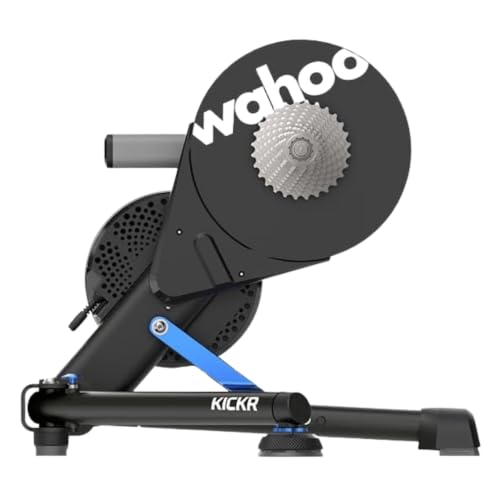

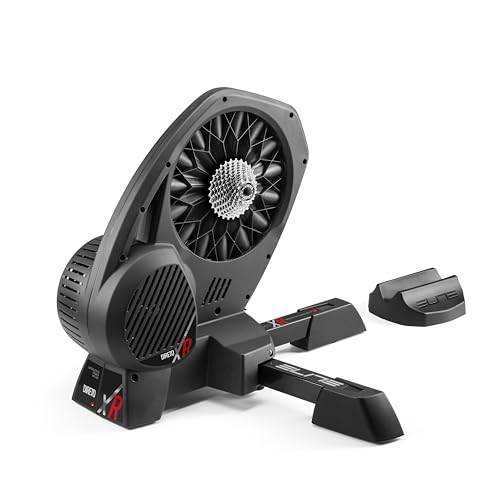
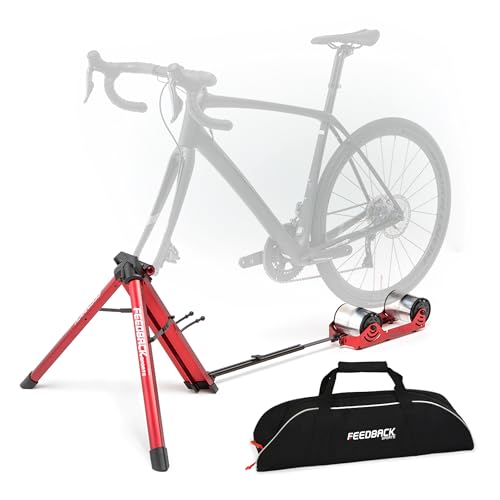
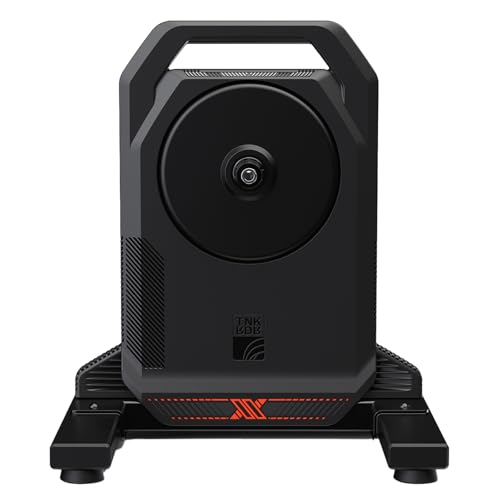

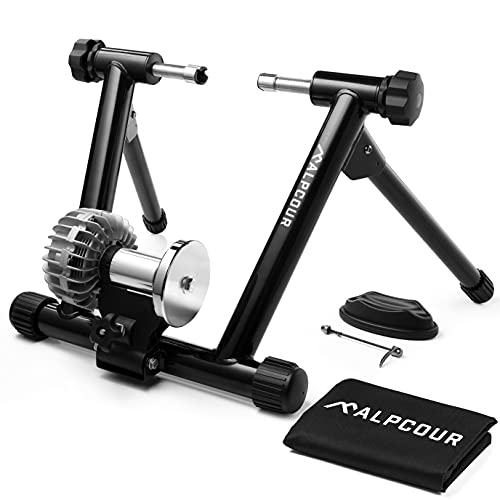
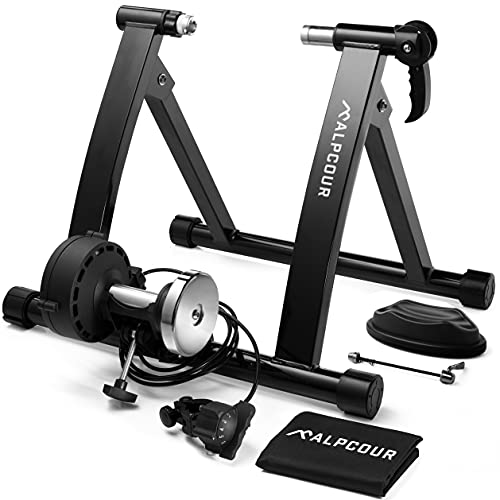
Who Should Buy Which Bike Trainers?
Match the trainer to the riding you will do indoors, since each group below trades cost, noise and convenience in a different way.
For Frequent or Serious Users
You ride often and follow structured workouts, so accuracy and durability matter most. A direct drive smart trainer removes the rear wheel, which ends tire wear and holds power readings steady during hard intervals. Look for a solid warranty and a frame that stays planted in sprints. If app based training drives your routine, see our guide to the best smart trainer for mountain bike.
For Small Spaces and Easy Storage
You train in a living room, bedroom or apartment corner, so footprint and noise lead the list. A compact wheel on trainer folds flat and slides into a closet, while a smaller direct drive unit can stand in a corner. A mat protects the floor and softens sound at dawn. For more room friendly setups, see our guide to the best indoor mountain bike trainer.
For Weekend Beginners
You ride indoors now and then to keep fitness between trail days, so simple setup beats advanced data. A basic magnetic or fluid wheel on trainer costs less, mounts in minutes and needs no power outlet. You give up app control and exact power numbers, but for steady spins and short climbs that trade is fair. Spend the savings on a smooth rear tire and a floor mat.
Choosing Bike Trainers for Your Situation
Two screens help narrow the field fast. First, check the trainer against the one bike you own today, then decide how permanent your indoor station will be. Choosing the best bike trainer for mountain bike use starts with those two answers.
Best Trainer for a Mountain Bike: What to Prioritize
Treat your own bike as the spec sheet. Match the trainer to your wheel diameter and your rear axle first, because adapters add cost and delay. On a direct drive model, the fitted cassette must match your gear count, such as 11 or 12 speeds, or shifting will suffer. Wide tires also need roller and frame clearance, so measure yours before ordering.
Best Stationary Bike Trainers for Mountain Bikes: What to Prioritize
A stationary setup stays assembled in one place, so convenience features rise in value. Leaving the bike mounted on a direct drive trainer means you can start a session in minutes. Favor a stable base, a front wheel support and space for a fan. A permanent station also justifies a dedicated mat, because sweat and vibration stay in one spot.
Key Features to Compare
Compare these five factors in this order. Fit comes first, because the most advanced trainer is useless if your mountain bike cannot mount it.
Wheel Size and Axle Fit for Mountain Bikes
Most mountain bikes use 27.5 or 29 inch wheels, and most trainers accept both, but check the stated range first. Rear axles vary more: older bikes use a quick release skewer, while many current bikes use a thru axle of 12 by 142 mm or 12 by 148 mm. Some trainers include the adapters and others sell them apart, so confirm the box contents. A loose or wrong axle fit can let the bike shift under load.
Knobby Tires, Noise and Tire Wear
A wheel on trainer presses a metal roller against your rear tire, and knobs make that contact loud and rough. The roller also wears the center knobs down, which shortens the life of a tire you bought for dirt. A smooth trainer tire on a spare wheel solves both problems for regular use. Direct drive trainers remove the rear wheel entirely, so tire noise and wear disappear.
Trainer Type and Resistance Feel
Wheel on trainers are light, fold small and cost less, but the tire contact point can slip during hard sprints. Direct drive units feel steadier and track power better, at a higher price and with more weight to move. Rollers demand balance and suit smooth pedaling more than seated climbing. Resistance comes from magnets or fluid on basic models, while smart units adjust it for you. For the classic stand format, see our guide to the best mountain bike trainer stand, and our guide to the best turbo trainer for mountain bike for fluid and magnetic models in depth.
Smart Features, Power and Gradient Simulation
Smart trainers measure power and change resistance to match an app, so a virtual climb can feel harder without any gear change from you. Many models simulate grades of about 10 to 25 percent and handle peak efforts of about 1,500 to 2,500 watts. Connections use Bluetooth or ANT+ signals to reach training apps. If you never plan to ride in an app, a basic trainer gives you the same workout for less money.
Suspension, Frame Clearance and Stability on a Trainer
A hardtail mounts simply, while a full suspension bike can bob on a trainer because your pedaling pushes the rear end through its travel. Lock the rear shock if your bike allows it, and add a front wheel block so the bike sits level. Wide rear stays and a front chainring need clearance around the trainer body, so check the maker notes for your frame shape. A stable base matters most when you stand.
Common Mistakes to Avoid When Buying Bike Trainers
Most bad first rides trace back to avoidable errors.
- Ordering before you check your rear axle type can leave a new trainer unusable until an adapter arrives.
- Riding a knobby tire on a wheel on roller wears the center tread flat and fills the room with noise.
- Leaving a rear shock unlocked lets the bike bounce with each pedal stroke and steals power from every effort.
- Skipping the cassette match on a direct drive trainer leaves you with rough shifting and gears you cannot use.
- Judging trainers by peak wattage alone can push you to pay for sprint numbers your training never reaches.
- Setting up on a bare hard floor lets vibration travel and can annoy everyone in the next room.
Protecting Your Trainer and Bike From Sweat and Wear
Sweat is the main enemy of an indoor trainer, because salty moisture corrodes metal parts and electronics housings over time. Wipe the frame, roller and flywheel area after each session with a cloth, and drape a towel over your bike top tube during hard rides. Keep the area under the trainer dry.
Check clamp tension, axle adapters and quick release tightness before rides, and spin the wheel once to listen for rubbing. For wheel on models, keep rear tire pressure steady and the roller clean, because grit speeds tire wear. Update smart trainer firmware through the maker app when prompted, and store a folded trainer in a dry spot.
Bike Trainers: Your Questions Answered
What features matter most in a bike trainer for a mountain bike?
Fit checks matter most, in this order: wheel size, axle type, tire clearance and then resistance style. A trainer that fails any fit check cannot be rescued by smart features. Before your first full workout, mount the bike and pedal gently for two minutes, then stop and check for rubbing, slipping or new noises. That short test catches most setup errors early.
Do you need a smooth tire to ride a mountain bike on a trainer?
No, you can ride a knobby tire on a wheel on trainer, but it suits short and occasional sessions only. A smooth trainer tire uses a harder compound that grips the roller better during sprints and lasts far longer than a trail tire. Keep your knobby wheel ready for the trail, and swapping wheels takes only a few minutes.
Can a full suspension mountain bike go on a bike trainer?
Yes, a full suspension mountain bike can go on a bike trainer once the rear shock is locked or firmed up. After the first ten minutes of riding, stop and check the axle and adapter tightness again, because small movements can settle the fit. Also read the trainer maker guidance for your frame material, since some makers limit certain carbon frames.
How loud is a mountain bike on an indoor trainer?
Volume depends mostly on the tire and trainer type, and a direct drive setup with no rear tire is the quietest option. On a wheel on trainer, most sound travels through the floor rather than the air, so a mat over carpet carries less noise to the room below. Closing the door and placing the trainer away from a shared wall also helps for early sessions.
How much should you spend on a first bike trainer for a mountain bike?
Budget about $100 to $250 for a basic magnetic model, about $250 to $450 for a fluid model, and about $500 to $1,200 for a smart direct drive model. Set aside extra for the parts a first setup often needs, such as an axle adapter, a cassette or a mat. Spending on fit parts first gives a better first month than stretching for smart features alone.
Our Verdict
Start with fit, then choose by routine. If your axle and wheel match and the tire plan is sorted, the rest is preference: a quiet direct drive unit for daily training, or a folding wheel on model for spare room sessions. Use the product table above to compare the finalists.
The right best bike trainer for mountain bike purchase feels calm from day one: the bike mounts fast, the room stays quiet and the workout starts on time. Pick the simplest trainer that passes every fit check, and spend your energy on the riding.


