
Best Bike Tool Sets: Our 2026 Checklist and Buying Guide
Disclosure: We may earn a commission when you buy through links on this page, at no extra cost to you. As an Amazon Associate I earn from qualifying purchases. Learn more

Use this checklist to choose the best bike tool sets with confidence, covering core tools, torque control, case quality, coverage and lasting value.
A stripped bolt or a loose headset can end a ride before it starts, and random tools from a drawer rarely fit modern bikes well. This guide gives you a clear checklist for choosing the best bike tool sets for home repairs, trailhead fixes, and regular tune ups, so every tool in the case earns its place.
Start with the comparison table below to compare case sizes and tool counts. Then use the evaluation criteria below to judge quality instead of counting pieces alone.


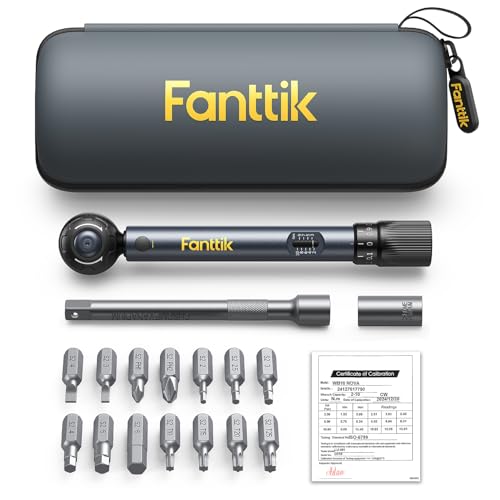


How We Evaluate Bike Tool Sets
We judge a set by whether it covers real bike jobs, whether the tools fit precisely, and whether the case keeps everything findable. Piece count alone tells you very little.
Hand Tools First, Power Tools Second
Almost every bike job uses hand tools, including hex keys, Torx keys, spoke wrenches, and cable cutters. Cordless drivers can speed up long jobs like removing many bolts, but they risk overtightening small fasteners. Treat any battery tool as an extra, not the core of a bike set. A set built around precise hand tools will serve you daily, while a set built around a driver will frustrate you on delicate parts.
Warranty and Brand Support
Good sets carry warranties of at least one to three years, with lifetime coverage on individual hand tools at the better end. Check whether single tools can be replaced without returning the whole case, and whether the maker sells spare bits and case latches. Riders who also maintain a workshop can compare broader kits in our guide to the best quality tool sets, but bike specific tools should still come from a bike focused set.
Safety Features
Safe bike work starts with tools that grip properly so they do not slip under force. Look for rounded hex key ends that seat fully, cutters with spring loaded handles, and chain tools with a steady pin guide. Work in good light, keep your face away from tensioned spokes, and wear eye protection when cutting cables. A tidy case also improves safety, because you reach for the right tool instead of forcing the wrong one.
Power and Performance Specs That Actually Apply
For bike tools, performance means fit tolerance and leverage rather than motor power. Hex keys should match bolt sizes with no wobble, and torque tools should cover about 2 to 20 Nm, which spans most cockpit and frame bolts. If a set includes a cordless inflator or driver, check PSI range for tires and low torque settings for delicate bolts. Specs that list only total piece count and case color are a weak sign.
Durability and Materials
Chrome vanadium and S2 steel are the materials to look for in keys, bits, and sockets because they resist rounding and snapping. Cheap soft steel rounds out quickly and then damages your bolts, which costs far more than the set saved. For the hand tools you will use weekly, hardened steel and a corrosion resistant finish matter far more.
Accessories Included
The most useful extras are a torque wrench or torque key, a chain wear checker, tubeless plug tools, and a quality pump head. A set that includes these saves separate purchases later. Riders focused on trail bikes can compare dedicated options in our guide to the best mountain bike tool set choices, which skew toward portable and trail ready tools. At home, also value a sturdy case with labeled slots over a larger case with loose trays.
Accuracy and Control Features
Accuracy on a bike means applying the right torque and cutting cables cleanly the first time. Look for torque tools with clear markings you can read in normal light, ratchets with fine teeth for tight spaces, and cutters that close fully without fraying housing. Variable speed control matters only on cordless drivers, where the lowest setting should still be gentle enough for bottle cage bolts and rotor bolts.
Set Styles That Pass Our Checklist
Think in three styles rather than hunting a single winner. The product table above shows current sets that match each style.
Complete Home Workshop Style
A full home set in the about $150 to $300 range suits riders who do their own tune ups, swap parts, and maintain bikes for the whole family. Expect 30 to 50 tools including a chain tool, cassette tool, bottom bracket tool, and torque coverage. The limit is portability, since these cases are heavy and belong on a bench or shelf rather than in a car trunk full time.
Value Starter Style
Starter sets around $60 to $120 cover the jobs new owners actually face, including fixing flats, adjusting brakes and shifting, and tightening cockpit bolts. You give up some drivetrain tools and fine torque control, but the core keys and cutters should still be hardened steel. This style pairs well with a local shop for annual big jobs. Homeowners comparing general kits can also see our guide to the best tool sets for homeowners for crossover tools.
Compact Travel Style
Compact sets under $80 focus on roadside and trailhead repairs in a small roll or mini case. They hold multi tools, tire levers, a mini pump or inflator, patches, and a quick link tool. You cannot rebuild a hub with one, and that is fine. The goal is getting home safely. Riders who already own garage tools often buy this style second, as the kit that lives in the car or gear bag.
Quick Buyer Checklist
- Does the set include hex keys from 2 mm to 10 mm and Torx T10, T25, and T30?
- Is there a chain tool, a chain wear checker, and a quick link tool?
- Do the tools list steel type rather than only piece count?
- Is torque coverage included or clearly planned as a separate buy?
- Are cable and housing cutters included, not just basic pliers?
- Does the case hold each tool in a labeled, secure slot?
- Can single broken tools be replaced under warranty?
- Does the set match your drivetrain brand and brake bleed needs?
Red Flags to Watch For
Be wary of huge piece counts built from duplicate bits and tiny filler items you will never use on a bike. Vague steel claims with no material named, cases with broken latch photos in listings, and warranties measured in weeks are all warning signs. Another red flag is a set with no Torx keys, because modern bikes use Torx bolts on rotors and controls everywhere. Finally, avoid sets that include bleed kits but name no brake brand, since fluids and fittings differ.
Mechanics who service cars as well as bikes sometimes look at our guide to the best mechanic tool sets, but note that car sockets do not replace bike specific tools like cone wrenches and cassette lockring tools.
Care and Maintenance Tips
Wipe tools dry after use and store the case indoors, because damp garages rust even good steel over time. Oil cutter pivots and chain tool pins lightly a few times a year. Let each tool do its job without extra force, since a cheater bar on a small key will round bolts and bend the tool. Keep cutting edges sharp or replace worn bits early, and wear eye protection when cutting cables or housing.
Bike Tool Sets: Your Questions Answered
What specs matter most for home bike projects?
Fit tolerance, torque range, and steel type matter most. Keys and bits should seat in bolts with no rocking, torque tools should cover about 2 to 20 Nm, and steel should be named, such as chrome vanadium or S2. After that, check that the set matches your bike, including its drivetrain tools, rotor bolt size, and brake bleed system. A smaller set that matches your bike beats a huge generic set every time.
What should a basic bike tool set include?
A good starter set covers hex keys from 2 to 10 mm, Torx keys, tyre levers, a chain tool, a chain wear checker, a spoke wrench and cable cutters. Add a torque wrench or torque key for carbon parts and cockpit bolts.
The Bottom Line
Judge a set by coverage of real bike jobs, steel quality, and torque control, not by the biggest piece count on the box. Match the style to where you work, at a home bench, in a garage, or at the trailhead. When you are ready to choose the best bike tool sets for your own bikes, compare your shortlist with the product table above and pick the smallest set that still covers your drivetrain and brakes.


