
Best Bike Pumps Portable of 2026: What Your Money Really Gets You
Disclosure: We may earn a commission when you buy through links on this page, at no extra cost to you. As an Amazon Associate I earn from qualifying purchases. Learn more

Portable bike pumps differ in valve fit, pressure and mounting. See how the best bike pumps portable models compare before you ride.
A flat tyre can end a ride, but a good portable pump turns it into a short stop, because you can seat a tube, reach riding pressure and get home without waiting for help. best bike pumps portable differ in size, valve fit, pressure and mounting, and the best one is the one you actually carry on every ride. This guide explains how to balance those trade offs for road, gravel and mountain riding.
Portable pumps are smaller than floor pumps, so they move less air per stroke and take longer to reach pressure. That trade off is worth it on the road, but it means you should check maximum pressure and valve compatibility before buying. A pump that cannot fit your valve, or cannot reach your tyre pressure, is dead weight in a jersey pocket.

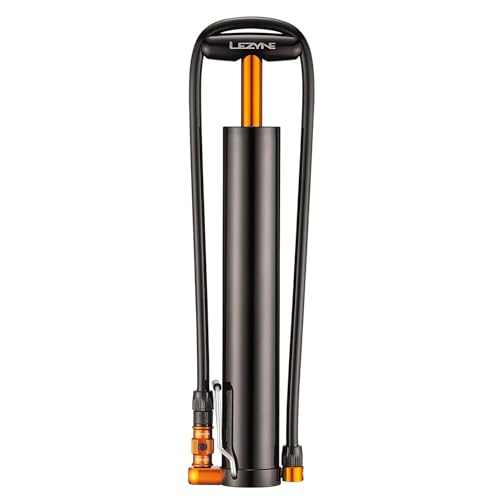


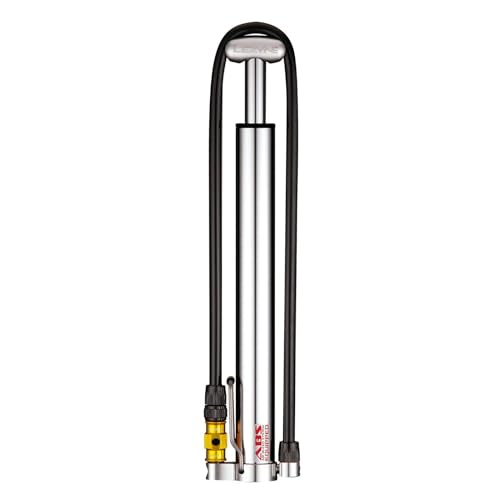




The comparison table below summarises the main types side by side, and the sections that follow explain how to use it for your own routine.
Who Should Buy
Portable bike pumps suit road riders, commuters, gravel riders and mountain bikers who ride away from home. They suit anyone who carries a spare tube and tyre levers. They are less suited to home workshop use, where a floor pump is faster and easier, or to tubeless setups that need a sudden burst of air, which often needs a different tool.
Types Compared
Each type below suits a different routine, so read the trade offs rather than looking for a single winner for everyone.
Mini hand pumps
Mini hand pumps fit a pocket or a frame mount and suit emergency inflation. They are light and simple, though reaching high road pressure takes many strokes.
Frame pumps
Frame pumps mount along the frame and move more air than mini pumps. They suit longer rides and touring, though they add visible bulk to the bike.
CO2 inflators
CO2 inflators fill a tyre in seconds with a gas cartridge. They suit racing and fast repairs, though cartridges are single use and you must carry spares.
Mini pumps with hose
Pumps with a short hose connect to the valve without stressing it. They suit high pressure road tyres, since the hose reduces the risk of snapping a valve stem.
Key Features to Compare
Use these features as a checklist when you compare models in the product table above, and note which ones matter most for your daily use.
Valve compatibility
Check Presta and Schrader fit, and whether the pump head switches or adapts. A pump that fits only one valve type will fail on a borrowed wheel or a second bike.
Maximum pressure
Road tyres need higher pressure than mountain tyres, so check the pump rating against your usual pressure. A pump rated below your tyre pressure will leave a soft tyre.
Air volume per stroke
Larger barrels move more air and suit mountain tyres, while slimmer barrels reach high pressure with less effort. Match barrel size to tyre volume and pressure.
Mounting and size
A frame mount, jersey pocket or saddle bag each suit different rides. Measure the pump against your bag and frame, and test that the mount holds on rough roads.
Durability
Metal bodies and solid seals last longer than very light plastic, though they weigh more. Check the handle grip and head lock, which wear first with frequent use.
How to Choose
Choose valve fit and pressure first, then size by how you carry it. Compare the comparison table above, and practice at home before you need the pump on the road, since a first flat in rain is a poor time to learn. Keep tyre pressure within maker limits, never overinflate a damaged tyre, and replace a tube or tyre that shows cuts, bulges or a damaged valve.
For a related angle, see our guide to best mountain bike pump portable, which covers a neighbouring choice that many buyers compare before deciding.
For a related angle, see our guide to best portable pumps, which covers a neighbouring choice that many buyers compare before deciding.
For a related angle, see our guide to best portable mountain bike tire pump, which covers a neighbouring choice that many buyers compare before deciding.
Common Mistakes to Avoid
Buying a pump that does not fit your valve
Valve mismatch is the most common portable pump failure. Check your valve type, and carry an adapter if you ride bikes with different valves.
Expecting floor pump speed
A mini pump takes longer and needs steady strokes. Practice at home, use full strokes, and keep the pump head locked firmly on the valve.
Forgetting spares
A pump alone cannot fix a torn tyre or a missing tube. Carry a spare tube, tyre levers and a patch kit alongside the pump.
Planning for Everyday Use
After a repair, ride gently at first and check pressure and tyre seating, then top up with a floor pump at home. Clean the pump head, check seals and mounts, and replace worn parts before they fail on a ride. A pump that lives on the bike, rather than in a drawer, is the one that saves a ride.
A Final Check Before You Buy
Start by listing the three jobs this purchase must do well, and ignore every other feature until those three are covered. A portable bike pump that covers your core jobs reliably is worth more than a model that does many things poorly, and a short list keeps comparison honest when marketing tries to widen it. Check the Mini hand pumps option first if it matches your routine, since that type often balances cost and performance for ordinary use, then compare only the models that also cover your core jobs. Ask a friend or a shop assistant to show you the controls, fastenings or settings in person when possible, because hands on experience reveals awkward details that photos hide.
Then think about the worst day for this purchase, such as a wet day, a busy day or a day when you are tired, and ask whether the item still works well then. Good design shows itself on hard days, when controls are simple, parts are easy to clean and the item does not demand perfect conditions. If a model only works well in ideal conditions, it will disappoint exactly when you need it most. Keep notes on what you learn during comparison, and revisit them after a week, since a short pause often clarifies which trade off you are willing to live with.
Getting the Most From Your Choice
A new purchase earns its place when it fits into your week without constant attention, so set up a simple routine around it from the start. For a portable bike pump, that routine might include a fixed storage place, a cleaning step after each use, and a regular check of parts that wear first, such as seals, straps or blades. Keep the manual where you can find it, and teach other household users the same basic steps, so the item is treated consistently and lasts longer. A routine that takes only a few minutes usually protects a purchase far better than occasional deep cleaning after problems appear.
As you gain experience, revisit the features you paid for and notice which ones you actually use, since that knowledge guides your next purchase and any accessories you might add. Avoid buying accessories until you know what is missing, because early accessory purchases often duplicate features you already own or solve problems you do not have. When you do add something, choose it for the same core jobs as the main purchase, and keep the whole setup simple enough that you will maintain it.
Frequently Asked Questions
How much pressure can a mini pump reach?
Many mini pumps reach road pressures, but it takes many strokes and steady effort. Check the maker rating against your tyre pressure, and test the pump at home before relying on it.
Presta or Schrader: which do I have?
Presta valves are slim with a small lock nut, common on road and many mountain bikes, while Schrader valves are wider like car valves. Check your tube and wheel before buying a pump head.
Should I carry CO2 or a hand pump?
CO2 is fast and light, while a hand pump works again and again. Many riders carry both, using CO2 for speed and a hand pump as a backup when cartridges run out.
Can a portable pump seat a tubeless tyre?
Most mini pumps cannot deliver the sudden air burst that seats a tubeless tyre. A floor pump, a compressor or a special tubeless inflator usually works better for seating.
How do I avoid damaging the valve while pumping?
Lock the head firmly, pump with steady straight strokes, and avoid bending the pump sideways. A hose style pump reduces stress on the valve, especially at high pressure.
Final Thoughts
Carry a pump that fits your valves, reaches your pressure and fits your ride, and practice with it at home. Compare the product table above, pack spares alongside it, and check mounts and seals often. best bike pumps portable choices should turn a flat into a pause, not into a long walk home.


