
Best Bike Light for Mountain Biking in 2026: Buying Guide
Disclosure: We may earn a commission when you buy through links on this page, at no extra cost to you. As an Amazon Associate I earn from qualifying purchases. Learn more

Night trail riders need light that shows roots and turns: how to choose the best bike light for mountain biking by lumens, beam, runtime and mount.
Night trails hide roots, rocks and turns until they are right under your wheel, and a weak light turns a fun ride into a guessing game. The best bike light for mountain biking gives you a wide, even beam, enough runtime for your longest ride and a mount that stays put on rough ground. This guide explains who needs which type, which features matter, and which mistakes to avoid.
The product table lists the main options side by side. Read the sections below to decide how much brightness and which mounting style you need.


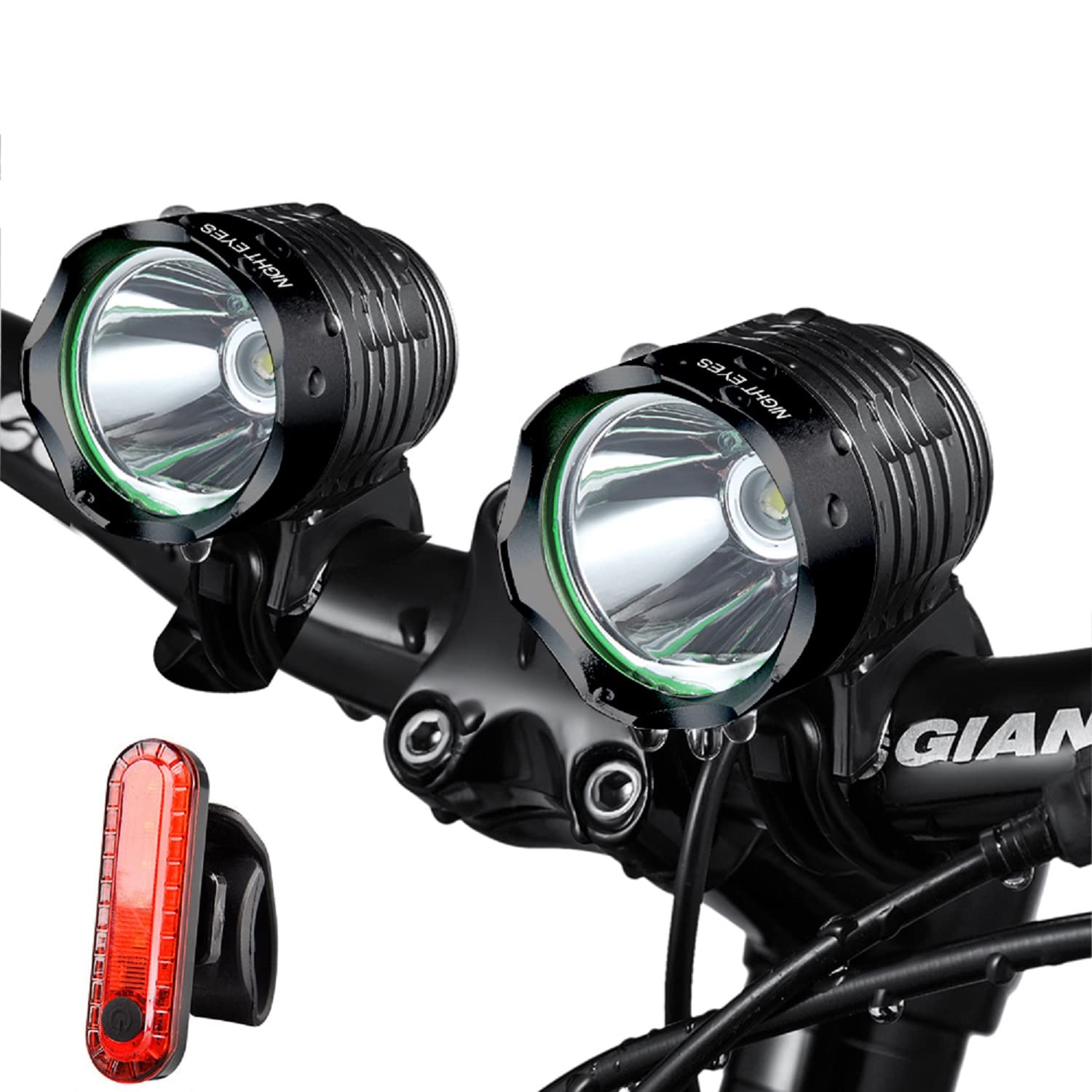


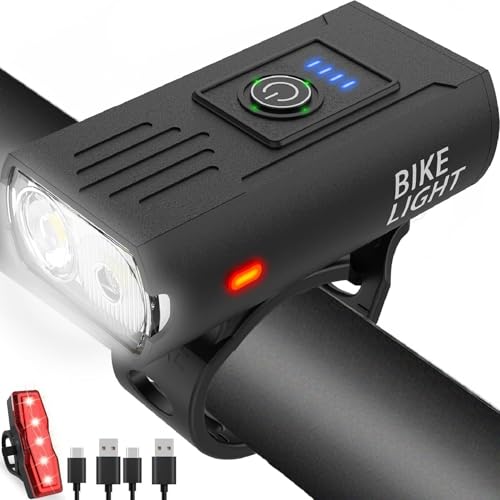

Who Should Buy a Mountain Bike Light
- Night trail riders who need to see roots, rocks and turns.
- Commuters who ride unlit paths after dark before or after a trail section.
- Racers and early risers training before dawn on forest trails.
If none of these fits exactly, focus on your single most important need, whether that is brightness, runtime, weight or price, and let it drive your shortlist. For a related angle, see our guide to the best light for mountain bike.
Key Features to Compare
Brightness in Lumens
Dark forest trails need roughly 800 to 1,500 lumens on the handlebar for confident riding, with a helmet light adding detail in turns. Lit paths need far less. Brightness alone does not make a good light, since beam pattern and runtime matter just as much.
Beam Pattern
A good trail beam balances distance vision with close detail at the sides of the trail. Narrow spot beams reach far but leave the edges dark, so a wide flood or a combined pattern suits twisty trails better.
Runtime
Check runtime at the brightness you will actually use, not only on low mode. A trail light should run at least two hours on high so it covers most night rides, and cold weather shortens that, so carry a spare battery or a second light on long winter rides.
Mounting
Rough trails shake a poor mount loose. Look for a secure strap or bracket, a quick release if you move the light between bikes, and a tether where possible. Check the mount for cracks and loose bolts before every night ride.
Waterproofing
Most trail lights resist rain and splashes, but ratings vary. A light that survives drizzle may fail in heavy rain or stream crossings, so choose a higher rating if you ride in all weather.
Types of Mountain Bike Lights
Handlebar Lights
A handlebar light throws a wide, stable beam ahead of the bike. It suits most riders and gives a consistent view of the trail surface at speed.
Helmet Lights
A helmet light follows your head and gaze into corners and over obstacles, which helps on twisty trails. It is usually smaller and lighter than a bar light, so it adds detail rather than total coverage.
Dual Light Setups
A handlebar plus helmet combination gives the brightest, most flexible trail coverage. Many night riders use the bar light for distance and the helmet light for detail where they look.
Compact Lights for Lit Paths
Smaller lights suit commutes and short unlit sections. They are less bright than a trail light, so they are a poor choice for dark singletrack. See also our guide to the best helmet light mountain bike.
Setup and Daily Use
Charge the light fully before every night ride and carry a spare if you can. Aim the beam slightly downward so it lights the trail surface and does not blind riders coming the other way. Clean the lens after muddy rides so brightness stays high.
Ride slower on unfamiliar night trails, wear reflective clothing and carry a backup light. After a crash with a head impact, stop riding and talk with a clinician about any persistent headache or dizziness.
Frequently Asked Questions
How bright should a mountain bike light be?
For dark forest trails, aim for roughly 800 to 1,500 lumens on the handlebar, plus a helmet light for corners. Lit paths need much less.
Should I mount a light on my handlebar or helmet?
Handlebar lights give a stable wide beam and suit most riders. Helmet lights follow your gaze, which helps on twisty trails. Many night riders use both.
How long should a trail light battery last?
At least two hours on high mode. Check runtime at the brightness you will use, and carry a spare in cold weather.
Are mountain bike lights waterproof?
Most resist rain and splashes. Check the waterproof rating and seals before wet rides, and choose a higher rating for stream crossings and heavy rain.
Can I use a road bike light for mountain biking?
Road lights focus a narrow beam ahead and may leave the trail edges dark. A mountain bike light uses a wider beam that reveals roots, rocks and turns at the sides, so it is a better choice for dark singletrack.
Final Thoughts
Match brightness and beam to your trails, check the runtime against your longest ride, and make sure the mount holds on rough ground. Chosen that way, the best bike light for mountain biking lets you ride at night with confidence.


