
Best Bike Chain Lube for Mountain Bike: Which Lube Fits Your Riding in 2026
Disclosure: We may earn a commission when you buy through links on this page, at no extra cost to you. As an Amazon Associate I earn from qualifying purchases. Learn more

Choose the best bike chain lube for mountain bike riding by weather, dust and mud, with simple application, cleaning and care tips for your drivetrain.
There is no single lube that suits every trail, season, and rider. A formula that stays quiet through mud can turn into a dust magnet in dry weather, and a clean running dry lube can wash off in one wet ride. This guide helps you match the best bike chain lube for mountain bike use to your conditions, so your drivetrain runs quietly and lasts longer.
Among the best chain lubes for mountain bike riders, the right choice depends on how often you ride, how dirty your trails get, and how much upkeep you will actually do. Work through the use cases below, then compare options in the comparison table below.
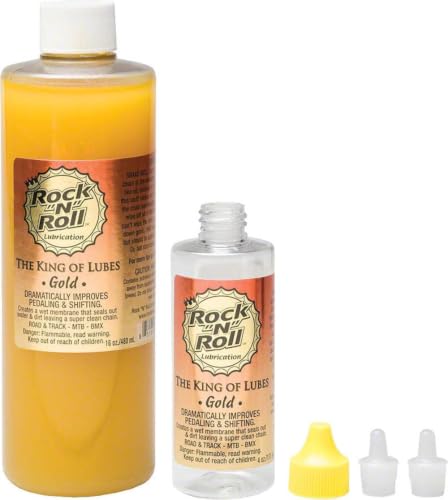

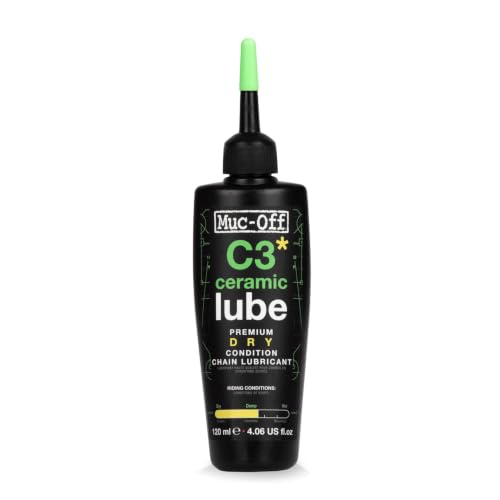
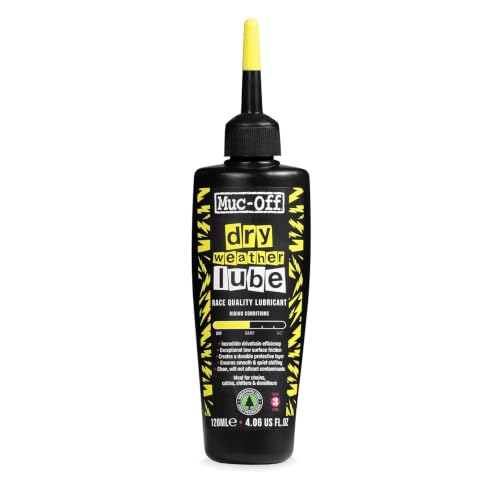
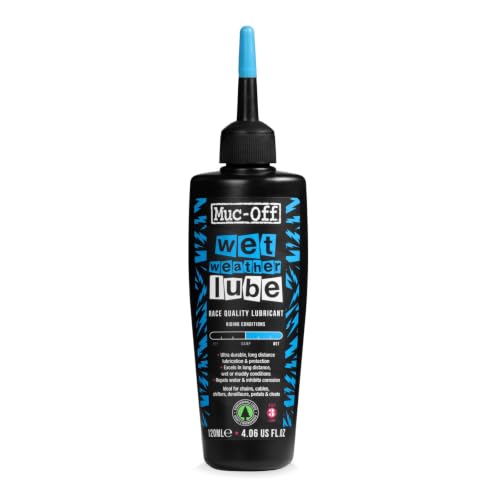

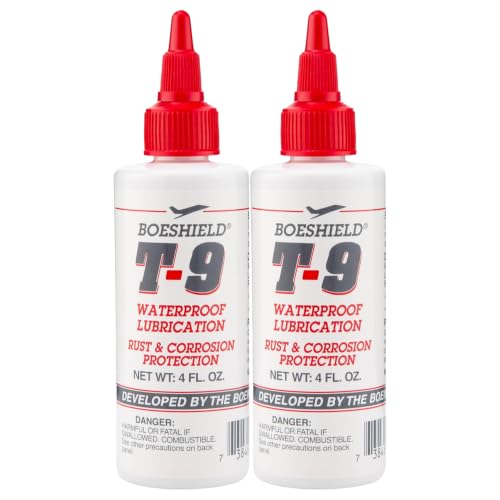

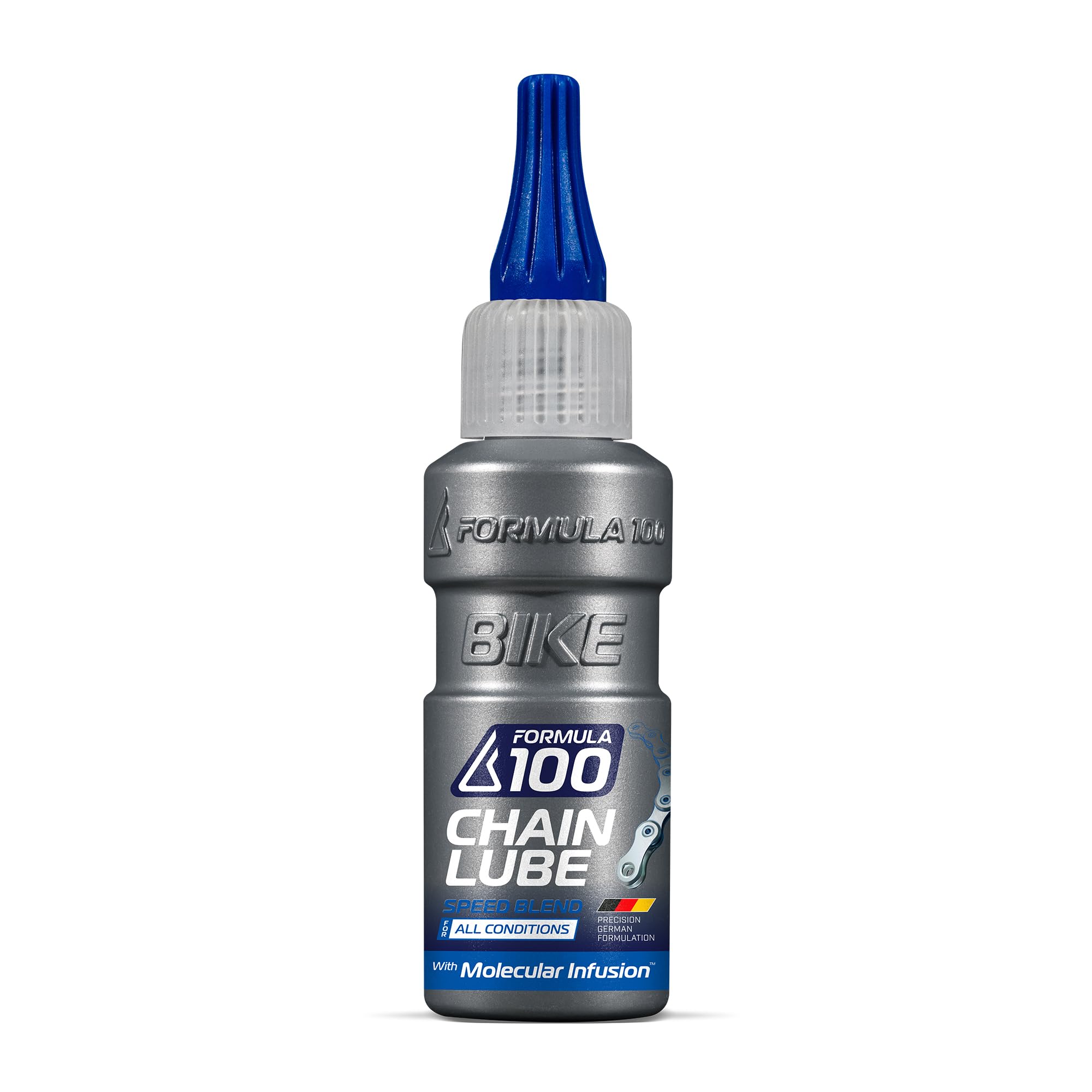


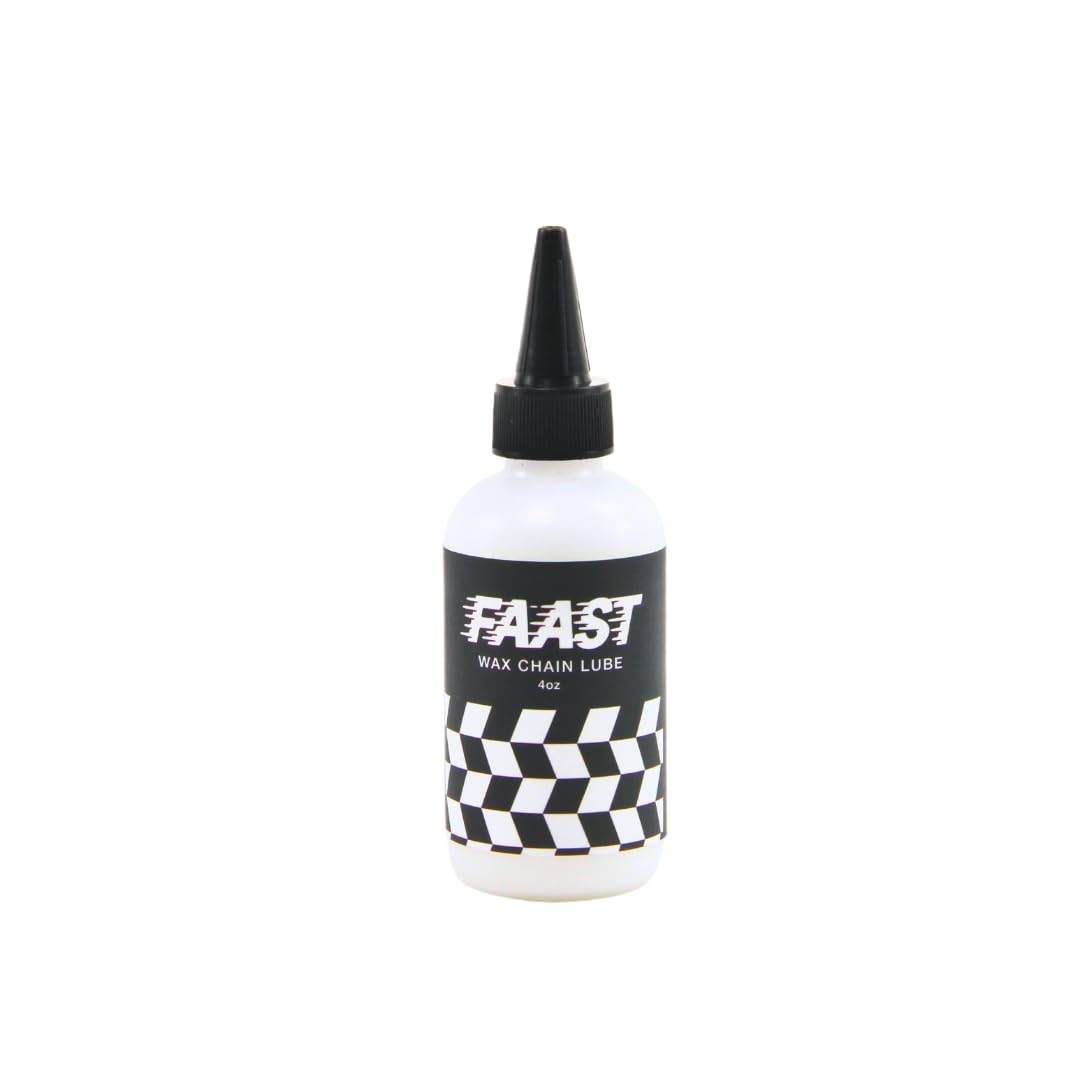
Who Should Buy Which Bike Chain Lubes?
For Bad Weather and Tough Conditions
If you ride through rain, creek crossings, and mud, prioritize a wet lube. Wet formulas are thicker, cling to the chain, and resist being washed away, which protects the metal during long, gritty rides. The trade off is that they attract dirt, so you must wipe the chain after rides and clean it more often. Apply wet lube the night before a wet ride when possible, because the extra hours let it work into the rollers and leave less excess on the surface to collect grit.
For Small Spaces and Easy Storage
Riders in apartments or with limited storage should look for compact bottles with precise applicator tips and low odor formulas. A small bottle that seals well stores easily in a toolbox or riding pack and reduces spills on floors and car upholstery. Drip bottles are easier to control than sprays in tight spaces, and they waste less product. Keep one small bottle in your pack for multi day trips, since a dry chain far from home wears quickly and shifts poorly when you can least fix it.
For Weekend Beginners
If you ride once or twice a week on local trails, choose an all conditions lube that forgives irregular upkeep. These middle ground formulas balance staying power with reasonable cleanliness, so a missed cleaning does not punish you right away. Simple drip application matters more than exotic ingredients at this level. Set a basic routine: wipe the chain after dirty rides, add lube when the chain sounds dry, and do a fuller clean once a month. Consistency beats chasing the perfect formula while the chain runs dry.
For Frequent or Serious Users
Riders logging several rides a week, training for events, or running expensive drivetrains should match lube to conditions more precisely and may keep two formulas on hand. A dry lube for dusty summer trails and a wet lube for winter keeps wear low across the year. Serious users also gain from wax based options that run very clean, though they demand a fully cleaned chain before the first application. Track your mileage, because frequent riders can wear a chain in a single season if lubrication lapses.
Picking the Right Bike Chain Lubes for Different Uses
Best Mountain Bike Chain Lube for Desert
For the best mountain bike chain lube for desert riding, choose a dry or wax based formula that cures to a clean film. Fine dust and sand stick to wet lube and form a grinding paste that eats chains and cassettes. Apply dry lube to a clean chain, let it set for several hours or overnight, and wipe away every trace of excess before you ride. Shorter reapplication intervals are normal in the desert, so carry a small bottle on long rides and reapply at a dry, squeaky chain rather than waiting until you get home.
Best Mountain Bike Chain Lube for Arizona: What to Prioritize
The best mountain bike chain lube for arizona trails must handle intense heat, sharp dust, and sudden monsoon rain in the same season. For most of the year, a dry lube that resists dust is the right base choice. During monsoon weeks, switch to a wet formula for rides that cross washes or start on wet ground. Heat thins many lubes, so store your bottle indoors rather than in a hot garage, and check the chain more often in summer because high temperatures and dust shorten the interval between applications.
Key Features to Compare
Features That Matter for Mountain Bike Use
Mountain biking exposes a chain to dust, mud, water, and constant shifting under load, so durability and contamination resistance matter more than on the road. Look for a lube that stays in the rollers under pressure, resists flinging off at speed, and does not turn black and gritty after one ride. Applicator design matters too: a narrow drip tip places lube inside the chain where it works, while sprays coat everything, including parts you want clean. Finally, check compatibility with your cleaning routine, since some wax systems need a fully degreased chain to bond.
Keeping Lube Away From Brakes
Whether your bike has hydraulic or mechanical disc brakes, chain lube on a rotor or pads ruins braking and can permanently contaminate pads. This is the strongest argument for drip application over spray. Apply lube slowly at the lower run of the chain while turning the cranks backward, and shield the rotor with a clean rag if you work quickly. If you ever overspray near the rear wheel, clean the rotor with isopropyl alcohol and check pad bite on a gentle stop before any descent.
Bike Type and Riding Style
Your riding style changes how hard a lube must work. Cross country riders who pedal for hours need efficiency and a clean running chain. Trail and enduro riders face mud, water, and big shifts under load, so staying power matters more. E bike riders put higher torque through the chain, which squeezes lube out of the rollers faster and shortens reapplication intervals. If you ride an e bike, choose a formula noted for high load use and check the chain for wear more often, because the added torque stretches chains faster.
Bottle Size and Applicator Fit
Bigger is not always better with lube. A large workshop bottle gives the lowest cost per application if you maintain several bikes, but a small bottle is easier to control and far better for a riding pack. Check that the cap seals tightly, since a leaking bottle in a bag coats everything it touches. Some riders decant workshop lube into a small travel bottle, which combines value with portability. Also consider how the tip fits between chain and frame on compact bikes, where access to the lower chain run can be tight.
Drivetrain and Gearing
Modern 1x drivetrains run the chain at sharper angles on the largest and smallest cogs, which increases friction and pushes lube out of the contact points. Wide range cassettes also mean the chain moves across many gears on a single climb or descent. A lube that stays put under side load keeps shifting crisp across the whole cassette. If you run a premium cassette and chainring, the cost of lube is tiny compared with the parts it protects, so prioritize protection over saving a few dollars per bottle.
Your chain itself matters as much as the lube on it. If yours is worn or damaged, see our guide to the best mountain bike chain for replacement guidance. For a broader comparison of formulas, our guide to the best lube for mountain bike riding covers road and trail overlap, and our guide to the best lubricant for mountain bike chain explains lubricant types in depth. Riders in arid regions should also read our guide to the best mountain bike chain lube dry conditions for dust specific advice.
Common Mistakes to Avoid When Buying Bike Chain Lubes
- Choosing by price alone and ignoring whether the formula matches your weather and trail surface.
- Applying new lube over a filthy chain, which traps grit inside the rollers instead of protecting them.
- Leaving excess lube on the outside of the chain, where it collects dust and flings onto the frame and brakes.
- Using spray lube near disc brakes without shielding the rotor, which contaminates pads and weakens braking.
- Waiting until the chain is loud and dry on every ride, which means metal has already been wearing unprotected.
Care and Maintenance Tips
- Clean and lube the chain every 100 to 200 miles, and sooner after muddy or very dusty rides.
- Wipe the chain with a rag after each dirty ride to remove surface grit before it works inward.
- Apply lube to the inside of the chain at the lower run, one drop per roller, then turn the cranks slowly.
- Let the lube set, then wipe the outside of the chain clean so only the rollers stay lubricated.
- Deep clean with a proper cleaner when lube builds up, and see our guide to the best mountain bike chain cleaner options for the method that suits your setup.
- Check chain wear with a gauge every few months, since a worn chain damages the cassette and chainring faster than any lube can prevent.
Bike Chain Lubes: Your Questions Answered
What features matter most in bike chain lubes for mountain bike riding?
Staying power in your local conditions matters most, followed by how clean the lube runs and how precisely you can apply it. Among the best mountain bike chain lubes, the formulas that protect longest are the ones matched to dust or mud rather than the ones with the boldest claims. One point riders miss: application habits change results more than small formula differences, so a careful wipe and set routine improves any lube you choose.
Hardtail or full suspension: does it change lube choice for beginners?
Only slightly. Full suspension bikes move the chainstay as the suspension works, which can fling lube a bit more on rough descents, so beginners on full suspension bikes may prefer a slightly heavier formula. Hardtail riders can run cleaner dry lubes more easily. In both cases, chain growth and rough terrain mean you should check for a dry sounding chain after long, bumpy rides rather than following a fixed schedule alone.
How does e bike torque change chain lube needs?
E bike motors add strong, steady torque that squeezes lube from the rollers faster than leg power alone. Expect to reapply more often and to check chain wear with a gauge, because worn chains on e bikes quickly damage expensive cassettes. Choose a lube described for high load use, apply it carefully, and avoid dry lubes with very short service life unless your rides are short and the weather is reliably dry.
What should I check about lube and local trail rules?
Some trail systems and events discourage lubes that leave heavy residue, and many riders now prefer biodegradable formulas for riding in sensitive areas. Check the product label if you ride near streams or in protected land, since wet lubes wash off into the environment more readily. Whatever you choose, never dump degreaser or dirty cleaning water on the ground at a trailhead. Carry waste home and dispose of it with household hazardous waste if your area offers that service.
How much should I spend on my first chain lube?
Around $10 to $20 buys a solid first bottle that will last many applications. Spending more mainly buys specialty performance, such as wax systems that run very clean, rather than basic protection. Put any leftover budget toward a chain wear checker and basic cleaner, because measuring wear and starting with a clean chain protect your drivetrain more than a premium lube applied to a dirty, worn chain.
What bottle size do I need for mountain bike chain lube?
A bottle of about 2 to 4 ounces suits most home riders and lasts for months of normal use. Choose a larger workshop size only if you maintain several bikes or ride almost daily. Smaller bottles travel better and stay fresher, since lube that sits open for years can collect dust around the tip. If you ride far from home, a tiny refillable bottle in your pack covers emergencies without much weight.
Wrapping Up
Match the formula to your weather first, apply it to a clean chain second, and wipe away the excess third. Those three habits matter more than any brand claim. Whether you ride dusty desert singletrack or wet forest trails, the best bike chain lube for mountain bike riding is the one you will apply correctly and often. Compare your options in the product table above and pick the formula that fits your next month of riding, not just your best day.


