
Best Bike Carrier for Mountain Bikes in 2026: How Budget, Midrange, and Premium Tiers Differ
Disclosure: We may earn a commission when you buy through links on this page, at no extra cost to you. As an Amazon Associate I earn from qualifying purchases. Learn more

Budget, midrange and premium tiers explained: how to pick the best bike carrier for mountain bikes by hitch fit, tray spacing, tire width and weight.
Carriers for mountain bikes span a wide price range, and the gap is not just about finish. A cheap rack that sags, crowds wide tires, or strains under a heavy trail bike costs you on every trip. The best bike carrier for mountain bikes matches your bikes, your vehicle, and your budget, and the comparison table below shows the options side by side.
This guide is organized by price tier, so you can see what each step up buys. You will learn which mounts suit rough trailhead roads, how much weight each style can hold, and which upgrades are worth paying for.


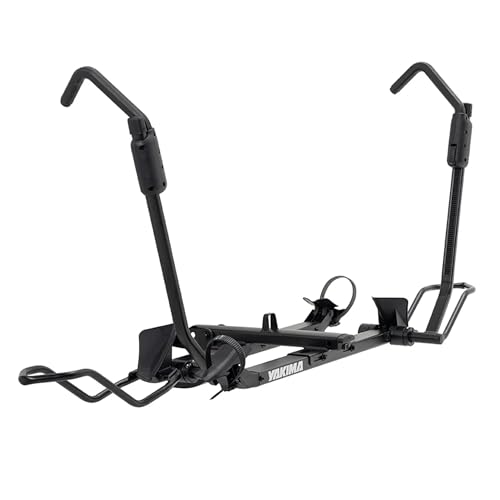
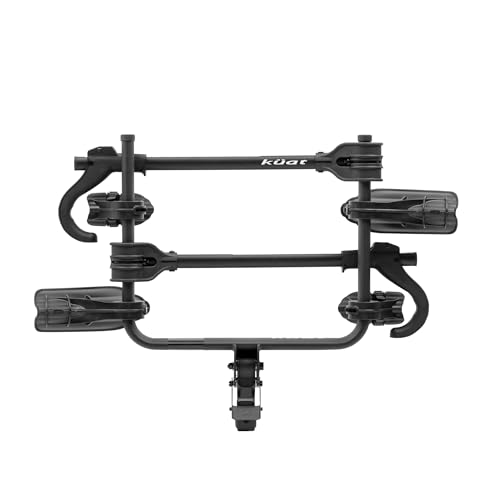


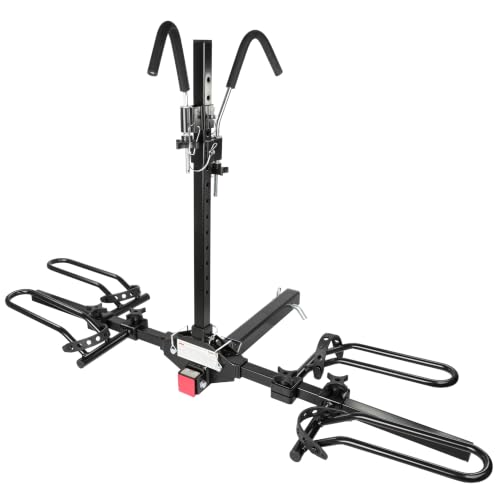
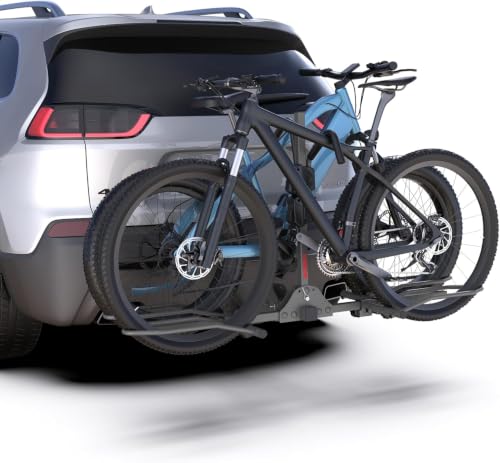
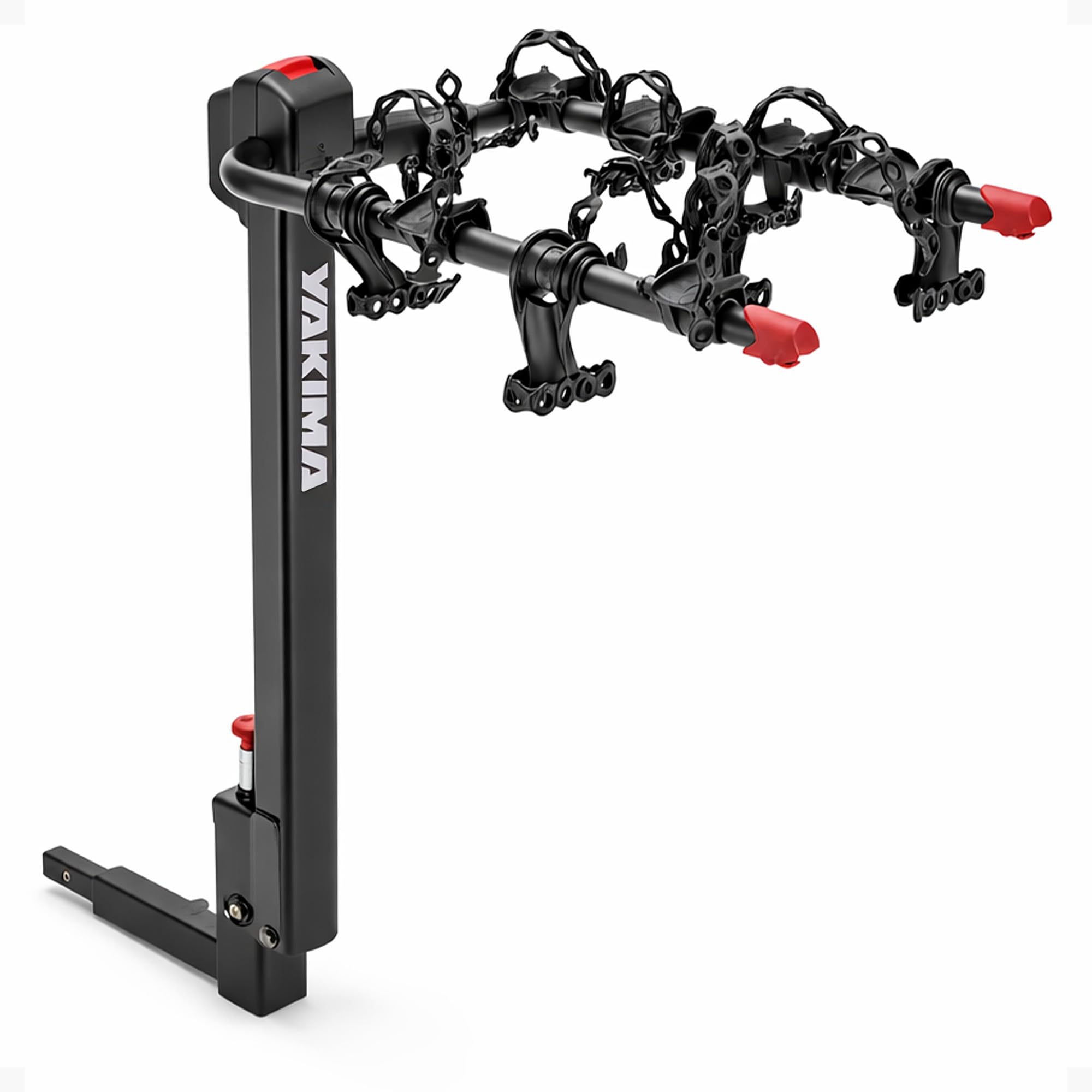
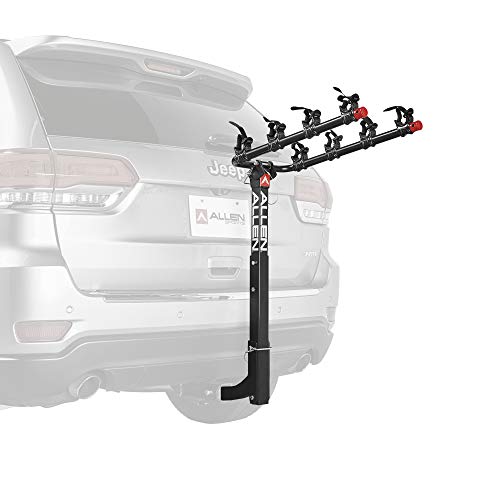
Who Should Buy a Carrier Built for Mountain Bikes?
Mountain bikes are longer, heavier, and wider at the tires than most road bikes, so a carrier for a commuter bike may fail here. Start with your group.
Weekend Trail Riders With One Standard Mountain Bike
You drive to local trails a few times a month with one hardtail or a mid weight full suspension bike, usually about 30 to 40 pounds. A simple tray carrier or a sturdy hanging carrier covers your needs if the wheelbase fits and the tires sit fully in the trays. You can stay in the budget tier, as long as the carrier feels solid on gravel access roads.
Families Carrying Mountain Bikes Beside Kids Bikes
You load bikes in several sizes, from a small frame with 20 inch wheels up to an adult 29 inch model. Look for trays that slide to shorten or lengthen, plus spacing that keeps small and large frames from touching. If a child is moving up a size, see our guide to the best bike for mountain biking for the sizes that change which tray range you need.
Riders With Heavy Electric Mountain Bikes
Your electric mountain bikes weigh about 50 to 65 pounds each, thanks to a mid drive motor and a large Wh battery, and lifting one onto a roof is not realistic. You need a hitch mounted tray carrier rated well above your heaviest bike, ideally with a loading ramp. Removing the battery trims a few pounds, but the rated limit must still cover the bike as carried.
Key Features to Compare
Compare carriers in this order, because fit and weight limits rule out whole models before price matters. When you shop for the best bike carrier for mountain bikes, start here rather than with locks or finish.
Mount Style and How Steady the Bikes Ride
Hitch tray carriers hold each bike by its wheels, ride low, and stay the steadiest on rough roads, but they need a receiver and cost the most. Hanging hitch carriers cost less and fold small, yet bikes can sway and touch. Roof carriers keep the rear clear, but you lift the bike overhead. For vehicle fit details, see our guide to the best mountain bike car carrier.
Weight Capacity Per Bike and in Total
Check two numbers, the limit for one bike and the limit for the whole loaded carrier, and stay under both. Many budget carriers allow about 35 to 45 pounds per bike, while heavy duty tray models allow about 60 to 80 pounds per bike. Add the carrier weight when you check your hitch tongue limit, often around 200 to 350 pounds on larger vehicles.
Wheelbase, Wheel Size, and Tire Width Fit
Modern trail bikes have long wheelbases, often about 45 to 50 inches, and large frame size models run longer still. Measure your longest bike from axle to axle and compare it with the tray range. Trays should accept 27.5 inch and 29 inch wheels, and cradles must fit your tire width, from about 2.3 inch trail tires to plus sizes near 3 inches.
How the Carrier Holds the Bike and Protects the Frame
Wheel hold designs grip the front tire and never touch the frame, which suits carbon frames and full suspension layouts with crowded linkage. Frame contact arms clamp the top tube, cost less, and can rub paint or press on cables. Keep hydraulic disc brakes in mind too, because a rotor should never press against a tray or the next bike. If your next bike may be longer and slacker, see our guide to the best all mountain mountain bike for the frames that stretch fit the most.
Spacing Between Bikes, Vehicle Access, and Security
Bikes need about 10 to 14 inches between trays so wide bars, pedals, and saddles do not clash when the car rocks. A tilt feature lets you open the rear hatch with bikes loaded, while a swing away base gives full access but adds cost and weight. For security, look for a locking hitch pin plus a cable lock. Check receiver size too, since 1.25 inch and 2 inch receivers are not interchangeable without an adapter.
What Your Money Gets You at Each Price Tier for Mountain Bike Carriers
Price mostly buys capacity, steadiness, and ease of loading. The tiers below use United States prices for two bike models.
Budget Carriers at About $100 to $250: Simple Holds and Lighter Limits
At this level you get hanging carriers and basic tray models with strap on wheel cradles, thinner steel, and per bike limits near 35 to 45 pounds. They work for one or two standard trail bikes on short drives. Expect more sway, fewer locks, and no tilt access. If your bikes are light and trips are local, this tier is honest value.
Midrange Carriers at About $300 to $550: Stronger Trays and Easier Loading
This step up brings wheel hold arms, wider tray spacing, tilt with bikes loaded, and an integrated cable lock on many models. Weight limits usually rise to about 50 to 60 pounds per bike, which covers most trail bikes and lighter electric models. Loading is faster because the arms ratchet instead of relying on loose straps.
Premium Carriers Above About $600: Heavy Loads and Full Access
Premium tray carriers add the highest weight ratings, loading ramps, swing away or smooth tilt systems, and locks built into the arms. Frames use more aluminum, so the carrier itself can weigh less while carrying more. You also get tighter hitch fits that stay quiet on washboard roads. This tier pays off when you carry heavy electric mountain bikes weekly or drive far.
Common Mistakes to Avoid
Most carrier damage traces back to avoidable errors.
- Buying by bike count alone leaves you with a per bike weight limit below your heaviest electric mountain bike.
- Skipping the wheelbase measurement leaves long trail bikes perched past the ends of short trays.
- Clamping a frame contact arm over cables or a shaped carbon tube wears paint and can crush delicate tubing.
- Loading wide tires into narrow cradles pinches the sidewalls and lets the bike rock on every bump.
- Forgetting the added length behind your vehicle leads to scraped trays on steep driveways.
- Driving with a loose hitch bolt lets the carrier sway, which rattles the bikes together.
Care and Maintenance for Bike Carriers
Rinse mud and grit from trays, cradles, and straps after wet rides, because dried trail dirt grinds into pivot points and shortens strap life. Let the carrier dry fully before storage. Wipe the hitch bar clean and check the hitch bolt for tightness before long drives, since vibration slowly works hardware loose.
Inspect straps for cuts, ratchet arms for smooth movement, and locks for grit that stops the key turning. A drop of light lubricant keeps moving joints free, but keep it away from wheel cradles where grip matters. Store removable carriers indoors when you can.
FAQ
Can a bike carrier for mountain bikes also carry a road bike or a gravel bike?
Yes, most tray carriers for mountain bikes also carry road and gravel bikes, because the trays adjust inward for shorter wheelbases and narrower tires. Check the minimum tire width the cradle grips firmly, since a very narrow tire can sit loosely in a wide cradle. A short strap or a foam pad takes up the slack.
Do bike carriers for mountain bikes need an adapter bar for a step through frame?
Only hanging carriers usually need one, because they hold the bike by a near horizontal top tube that a step through frame lacks. The adapter bar clips between the seat post and the stem and gives the arms a level bar to grip. Tray carriers need no adapter, since the bike stands on its wheels. Keep the adapter with the carrier, because it is easy to lose.
Will a hitch bike carrier for mountain bikes block a rear camera or a license plate?
Often it will, at least in part, because loaded bikes sit directly behind the vehicle. Many carriers fold up when empty, which reduces the block but can still cover the plate. Rules on plate visibility vary by state, so check your local requirements. Parking sensors may also beep in reverse with bikes loaded.
Can I take a bike carrier for mountain bikes through a car wash or leave it on all winter?
No, take the carrier off before an automatic car wash, because brushes can snag arms, straps, and folded trays. Leaving a carrier on all winter exposes locks and pivots to road salt, which corrodes moving parts. If space is tight, clean and dry the carrier, then hang it on a wall hook.
How do I keep tubeless tires from losing sealant or air while a mountain bike is on a carrier?
Tubeless tires travel well on a carrier, and normal driving does not disturb the sealant or the bead. Trouble starts when a strap or cradle presses hard on one spot of the sidewall for hours, which can let out a small amount of air. Position cradles under the tread, keep strap tension firm but not crushing, and top up pressure at the trailhead.
Final Thoughts
Match the mount to your vehicle first, then confirm weight per bike, wheelbase, and tire width against your longest and heaviest bike. After that, price tiers simply trade loading ease, access, and locks. Use the product table above to compare those points in order.
Chosen that way, the best bike carrier for mountain bikes is the one that holds your bikes steady, clears your driveways, and loads fast enough that you never skip a ride because setup feels like a chore.


