
Best Big Wall Climbing Shoes: Our 2026 Checklist and Guide
Disclosure: We may earn a commission when you buy through links on this page, at no extra cost to you. As an Amazon Associate I earn from qualifying purchases. Learn more

A checklist for picking the best big wall climbing shoes: all day fit, edging support, rubber and comfort for long routes, plus sizing and care tips.
Big wall routes keep you in your shoes for hours at a time, often standing on small edges while you belay, haul, and climb pitch after pitch. A shoe that feels fine for one gym session can become painful by midday on a wall. This checklist helps you judge best big wall climbing shoes by all day comfort, edging support, and durability instead of by looks or hype.
Use the criteria below to score any pair you consider, then compare your shortlist with the comparison table below. Fit comes first, because no rubber or stiffness rating can rescue a shoe that hurts your toes or slips at the heel.


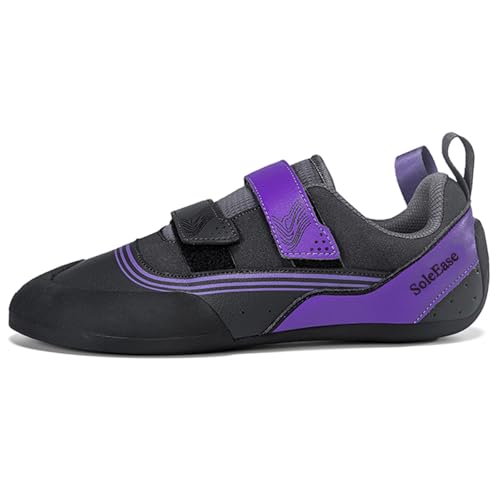
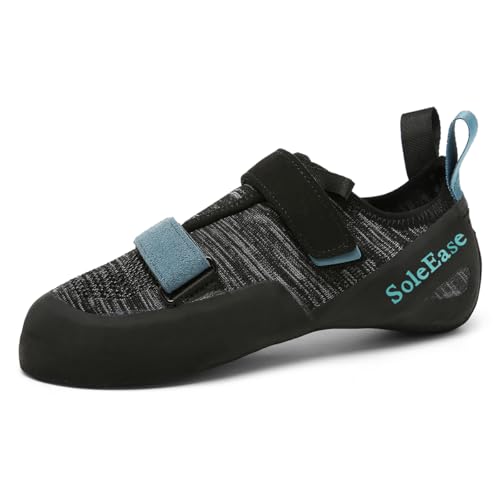
How to Evaluate Big Wall Climbing Shoes
Score each pair against the same six criteria. A shoe does not need to win every category, but it should have no weak spot that will punish you during long hours on the wall.
Measuring for Size and Fit
Measure both feet in the evening, when they are slightly swollen, and size for the longer foot. For big wall use, your toes should touch the end without curling hard, and the heel should stay seated when you edge and when you walk on ledges. A good fit feels snug everywhere with no single pressure point. A poor fit shows hot spots within twenty minutes of standing, heel lift on small edges, or toes that go numb. Try shoes on with the thin socks or bare feet you actually plan to climb in, and spend several minutes standing on a small edge or step before you decide.
Skill Level and Intended Use
Newer climbers need forgiveness most: a flatter last, moderate stiffness, and a fit that does not demand curled toes. That shape lets you build foot strength and technique without pain cutting your day short. Intermediate climbers who spend full days on moderate routes do well with a slightly more supportive shoe that still walks comfortably. Advanced climbers on steep or technical big walls may accept a more precise, snugger fit for hard pitches, but even they benefit from a second, roomier pair for long easy sections and descents.
Safety and Build Standards
Climbing shoes are not certified like helmets or harnesses, so judge safety through construction and condition. Check that stitching is even, the rand rubber wraps cleanly without gaps, and the sole bonds firmly at the toe and heel. Before any big wall, inspect for delamination, thin rubber over the toes, and stretched closures. Worn or damaged shoes reduce edging control and should be repaired or retired. If you are new to multi pitch climbing, have an experienced partner or instructor check your full kit, including shoes, before your first big route.
Comfort Over Long Hours
Big wall comfort is different from short session comfort. Padded tongues, lined uppers, and closures you can loosen at belays all matter because your feet swell during the day. Lace closures give the most precise adjustment across the whole foot and are easy to ease off while hanging. Hook and loop straps are faster but offer fewer adjustment points. Slipper styles are simple but hard to fine tune. Practice adjusting your closures while wearing gloves or with tired hands, since you will do it many times on the wall.
Value and Included Extras
Value means cost spread over the days the shoe will actually serve you. A moderately priced shoe that fits well and survives a resole often costs less per day than a cheap shoe that hurts or wears through in one season. Check what is included, such as a storage bag, and whether the maker or local resolers support new rubber for that model. Also weigh return options, because fit is personal and an easy exchange protects you if the size chart does not match your foot shape.
Size, Weight, and Foot Shape
Use the maker size chart as a starting point only, and compare it with your street shoe size and any climbing shoes you already own. Wide feet need volume through the toe box, while narrow feet need a low volume last to stop internal sliding. Weight matters less in the shoe itself than on a long approach, where every extra pair you carry adds up. If standard sizes never fit, our guide to the best climbing shoes for big feet covers wider and larger options in more detail.
Price Tiers That Pass the Checklist
The tiers below describe what each price level generally delivers, so you can match spending to how often and how hard you climb. Compare specific pairs in the product table above against these expectations.
Balanced Tier for Most Climbers
The balanced tier is where most big wall climbers should shop. Expect a flat to mildly downturned last, a supportive midsole that still lets you smear, durable rubber of moderate thickness, and lace closures with a padded tongue. Prices here are commonly around $120 to $180. This tier suits full day routes and weekend climbers who want one pair that edges well in the morning and still feels bearable at the last belay. The main limit is precision on very steep terrain, where a more specialized shoe feels sharper.
Value Tier for New Big Wall Climbers
Value tier shoes, often around $80 to $120, focus on comfort and durability over peak performance. Uppers may be synthetic and easy to clean, rubber tends to be thicker and longer lasting, and fits are roomier. That combination is forgiving while you learn footwork and spend long days on easier routes. You give up some sensitivity and edging precision on tiny holds. For a first pair dedicated to long routes, a comfortable value shoe you can wear all day is a smarter buy than a painful performance shoe you keep taking off.
Premium Tier for Technical Routes
Premium tier shoes, often around $180 to $220, add refined lasts, higher quality rubber, and construction aimed at precise edging and crack comfort at once. Some use split soles or shaped midsoles that support the foot on edges yet flex for smears and crack jams. This tier makes sense for experienced climbers tackling hard free pitches high on a wall. The trade off is cost and often faster wear, since performance rubber and snug fits demand more care and earlier resoles.
Quick Buyer Checklist
- Can you stand on a small edge for several minutes without sharp pain or numb toes?
- Does the heel stay in place when you edge, smear, and walk on a slope?
- Can you loosen and retighten the closure easily with one hand at a belay?
- Is the toe shape comfortable inside a crack without crushing your toes?
- Does the midsole support your arch on long standing belays?
- Is the rubber thick enough for a full season, and can the shoe be resoled?
- Does the size chart match your measured foot length for both feet?
- Can you return or exchange the pair if the fit feels wrong at home?
Red Flags to Watch For
- Vague sizing guidance with no foot length measurements, which makes ordering the right size a guess.
- Rubber that feels thin or soft over the toes on a new shoe, a sign of fast wear on long routes.
- Uneven stitching, glue gaps along the rand, or a sole that flexes loosely at the heel.
- A very short warranty or no resole support, which raises your cost per season.
- Sudden clusters of glowing comments with no detail about fit or routes, which tell you little you can trust.
If general wall climbing is your main focus rather than long routes, our guide to the best shoes for wall climbing takes a broader view, and our guide to the best rock wall climbing shoes covers gym and crag use. Style should come last, but if appearance matters to you after fit is settled, see our guide to the best looking climbing shoes for options that still climb well.
Choosing Big Wall Climbing Shoes for Your Situation
Best Shoes for Big Wall Climbing: What to Check
When you shop for the best shoes for big wall climbing, three checks separate them from ordinary climbing shoes. First, all day fit: you should be able to keep them on through a long belay without numbness. Second, edging support: a supportive midsole stops your calves from doing all the work on vertical faces. Third, crack comfort: a low profile toe and padded upper protect your feet when you jam. Prioritize those over maximum downturn, which helps on steep sport routes but punishes feet during long, mostly vertical days.
Care and Maintenance Tips
- Store shoes out of direct sun and extreme heat, such as a hot car, because heat softens glue and ages rubber.
- Check wear before each use, especially rubber thickness over the big toe and the condition of closures and stitching.
- Clean and dry shoes after outdoor use. Brush off dirt, air them at room temperature, and never use a heater to speed drying.
- Resole before you wear through the rubber into the rand, since early resoles cost less and preserve the original fit.
FAQs
Is it worth buying premium big wall shoes as a beginner?
Usually not for your first pair. Premium shoes reward precise footwork that beginners are still building, and their snug fits can discourage long practice days. A comfortable balanced or value pair lets you climb more hours and learn faster. One extra point: if you later upgrade, your first pair becomes a useful backup for easy pitches and approaches, so the money is rarely wasted.
How long do big wall climbing shoes last?
Most pairs last about one to two seasons of regular use before they need a resole. Rubber wears fastest over the big toe, and uppers stretch with heat and sweat. Lifespan depends on how often you climb, the rock type, and your footwork. Dragging toes on the wall is the quickest way to shorten it, so quiet, deliberate placements pay for themselves in rubber saved.
What size big wall climbing shoes should I get?
Start near your street shoe size and adjust from there. For long routes, most climbers size for toes that touch the end without a hard curl, which is roomier than a sport climbing fit. Always fit the larger foot, and try shoes late in the day when feet are swollen. If you are between sizes, the pair you can stand in comfortably for ten minutes is the safer choice for a wall.
For big wall shoes, does indoor or outdoor use matter?
Yes. Indoor walls reward softer, thinner rubber and snug fits for short sessions, while outdoor big walls demand durability, support, and comfort over hours. A shoe tuned for the gym often feels fragile and tiring outside. If you train indoors, keep a separate pair for training and save your big wall pair for rock, which also spreads wear across two pairs instead of destroying one.
Our Verdict
Fit, edging support, and closures you can adjust at a belay decide whether a shoe works on a big wall. Check fit by standing on small edges, check rubber and stitching closely, and choose the tier that matches your experience. When you are ready, compare options in the comparison table above and pick the best big wall climbing shoes that your feet can live in from the first pitch to the last.


