
Best Big Face Watches for Men at Every Price: What Your Money Really Gets You in 2026
Disclosure: We may earn a commission when you buy through links on this page, at no extra cost to you. As an Amazon Associate I earn from qualifying purchases. Learn more

Compare the best big face watches for men by price tier, case size, movement and crystal, so you can see what extra spending really buys and what it does not.
A big face watch can cost under $50 or well over $1000, and the listings often use the same bold words for both. Sorting the best big face watches for men means knowing what each price tier actually delivers in case size, crystal, movement and finish. This guide breaks spending into clear tiers, and the product table shows how the main specs line up.
The goal is not to push you to the top tier. It is to show you where extra money improves the watch on your wrist and where it only improves the story around it.

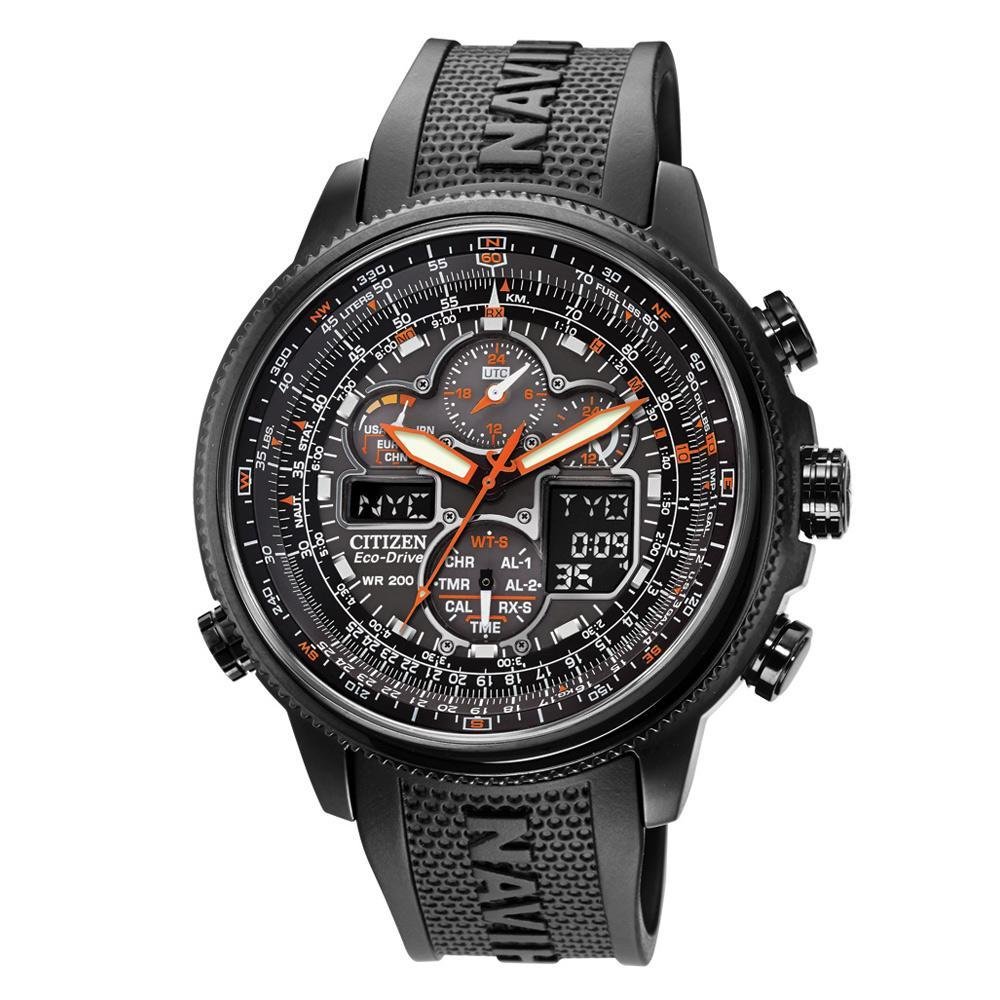
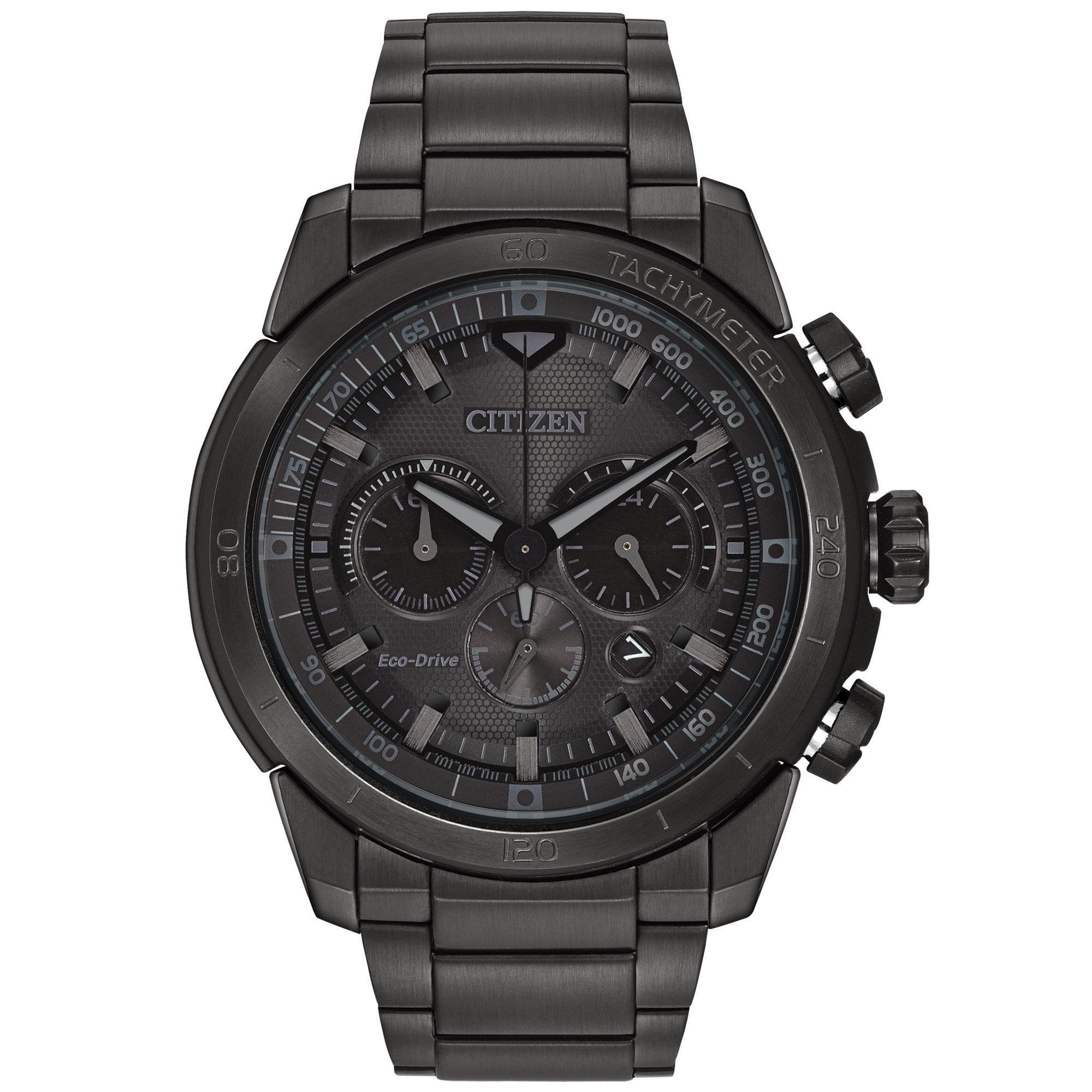

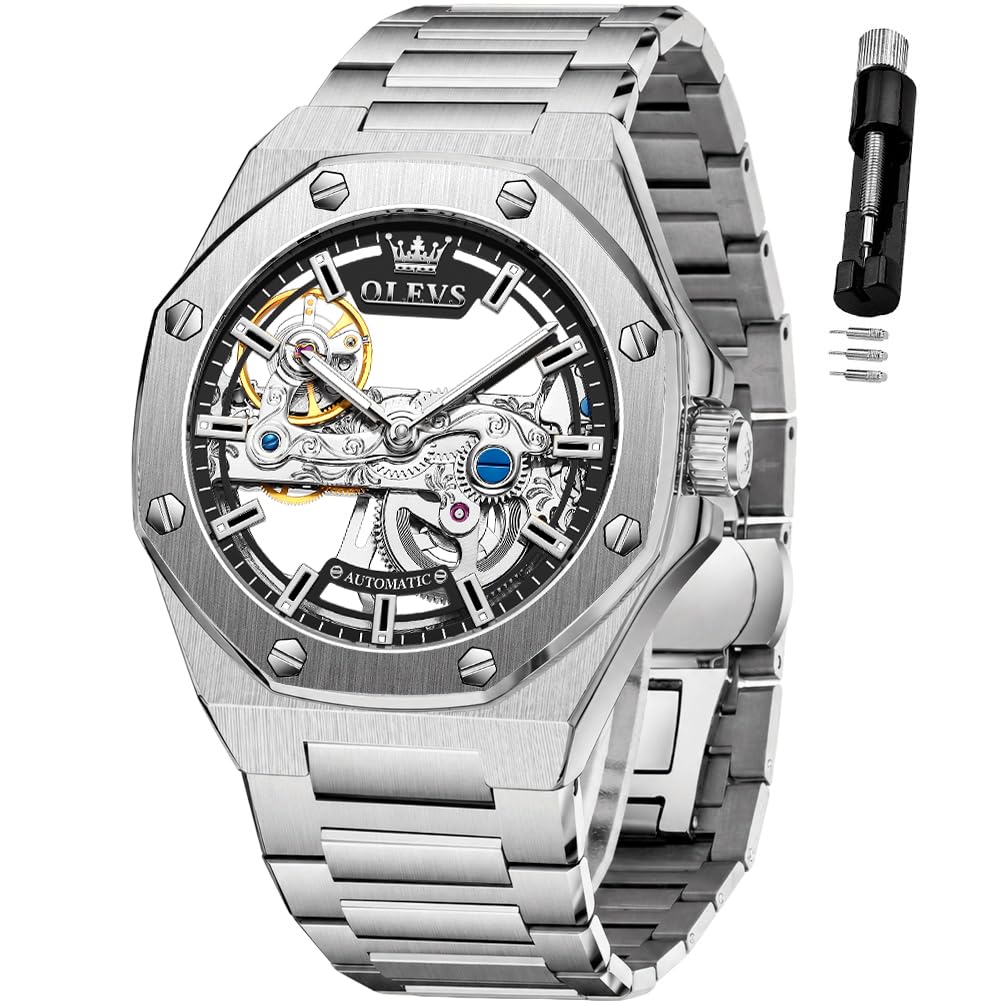
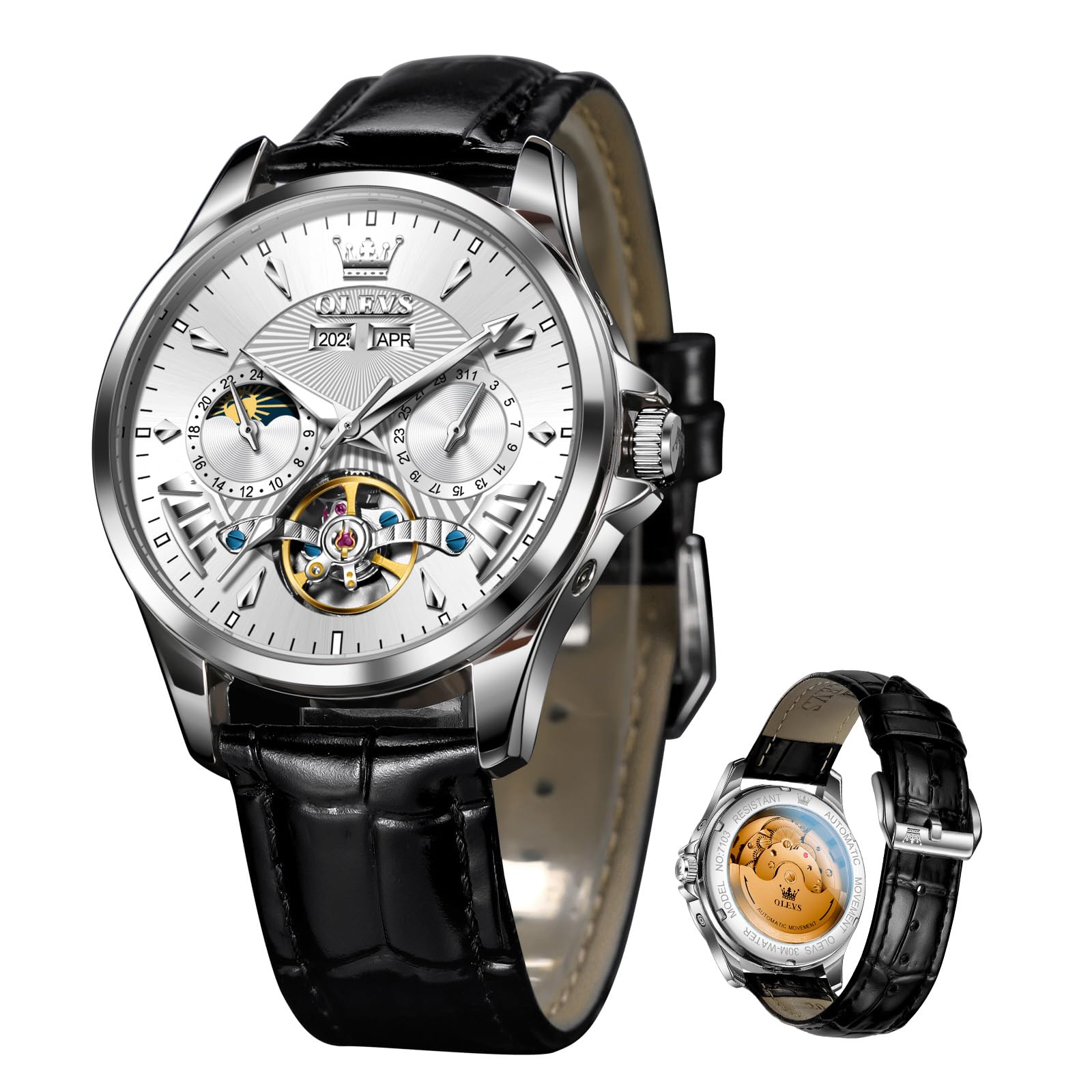

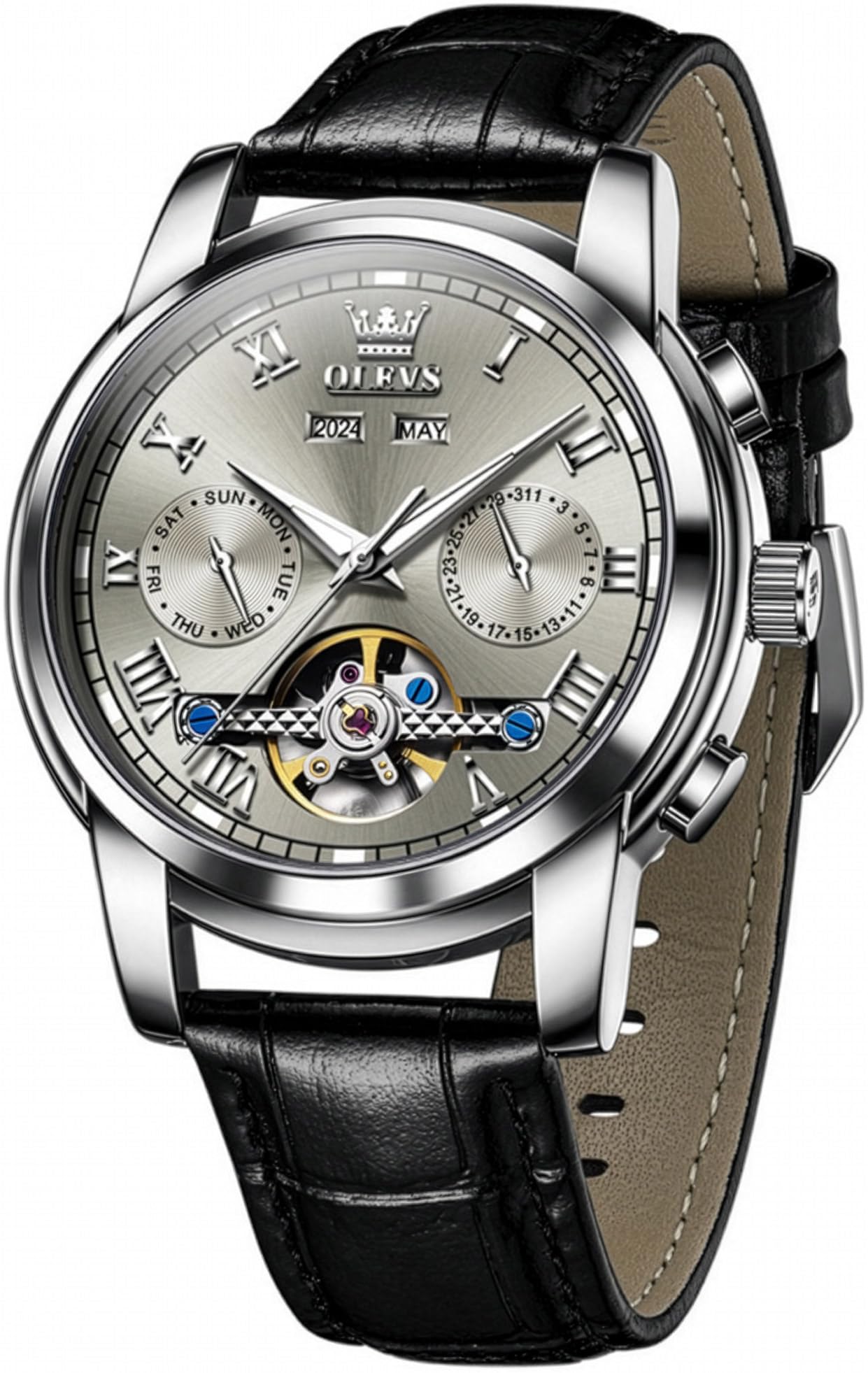


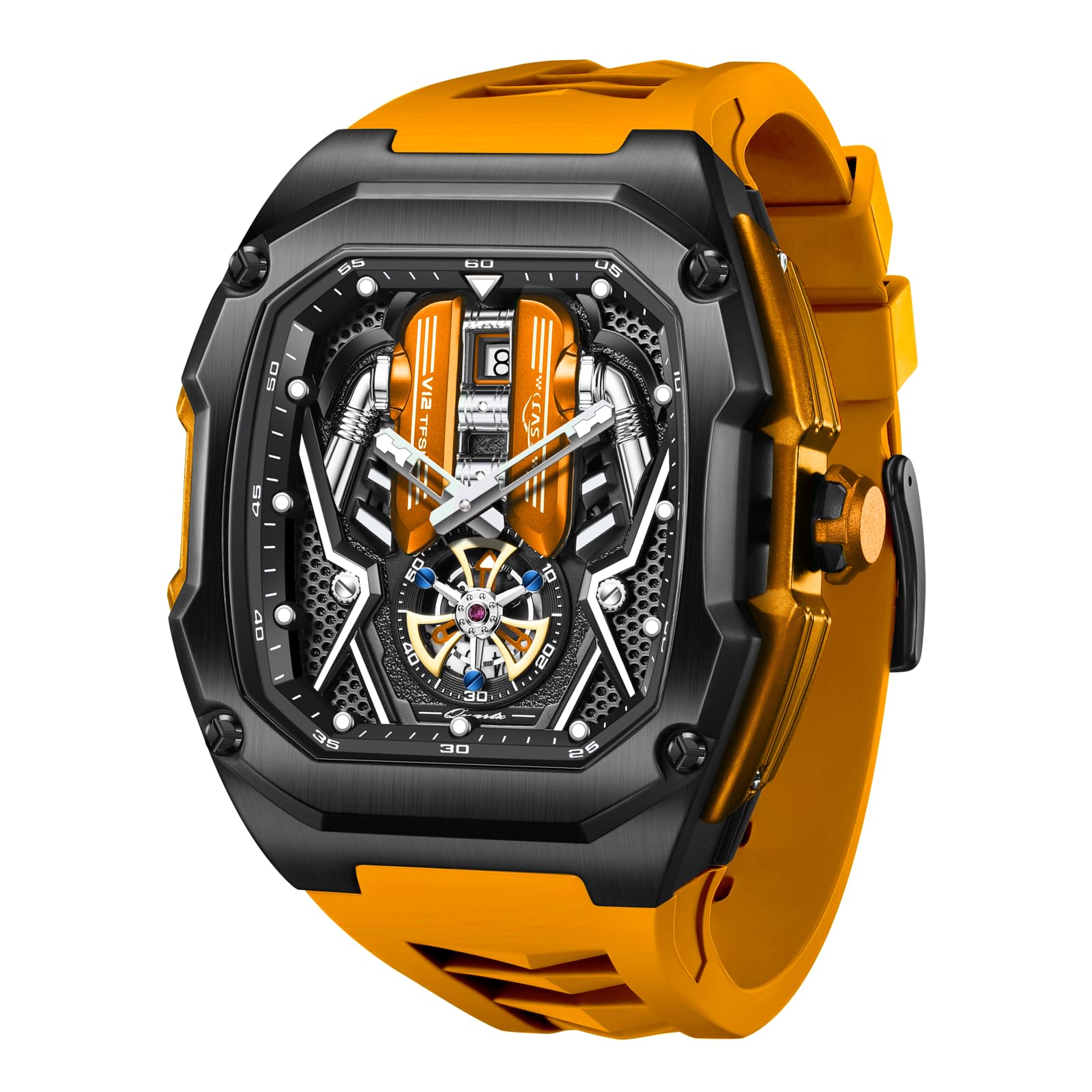
Top Budget Tiers Explained
Best Budget Pick Tier
Budget tier watches, usually around $40 to $100, give you the big face look with a quartz movement, a mineral crystal and a basic strap. Accuracy is excellent, because quartz is hard to beat for timekeeping, and cases in the 44 to 48 mm range read clearly at a glance. What you give up is refinement, such as smooth case edges, strong lume and a solid feeling bracelet.
Buy this tier to test whether a large case suits your wrist before you spend more. If you wear it daily for a month and love the size, you have learned something valuable for very little money. If it feels like a dinner plate, you have saved yourself a costly mistake.
Best Midrange Pick Tier
Midrange watches, usually around $150 to $400, are where materials and finishing jump. Expect better steel, sapphire crystal on some models, stronger water resistance, and straps or bracelets that feel secure rather than flimsy. Automatic movements appear here too, along with solar options that remove battery changes from your routine.
For most men, this tier is the long term buy. The watch looks sharp with a shirt cuff, survives daily wear and does not need babying. It is also the tier where sizing details such as lug to lug length are listed more honestly, which helps you get the fit right.
Best Premium Pick Tier
Premium watches, usually around $500 to $1500 and above, add movement finishing, brand heritage, tighter tolerances and crystals and cases that age gracefully. Sapphire crystal becomes standard, lume lasts through the night, and bracelets use solid links with milled clasps. Service networks are stronger, which matters over a ten year ownership span.
Pay this much for craft, design you will still love in a decade and the feel of a well made object, not for accuracy. A premium automatic will still gain or lose seconds a day, while a budget quartz will not. Know which reward you are buying.
What Your Money Gets You at Each Price Tier
Budget Tier: What to Expect
At budget level, spend on size, legibility and a comfortable strap, and accept a mineral crystal and a simple movement. Cases are often larger on paper than they wear, because thick bezels shrink the visible dial. Look for clear numerals or bold markers, a case around 44 to 46 mm, and at least basic splash resistance for rain and hand washing.
Straps are the weak point here. A thin faux leather strap can make a decent watch feel cheap, so budget for a better strap with quick release spring bars. That single upgrade often improves a budget watch more than any other change, and it costs far less than moving up a tier.
Midrange Tier: The Sweet Spot for Most Buyers
Midrange money buys durability you can feel. Sapphire crystal resists the scratches that cloud a dial over years, 100 m water resistance covers swimming for rated models, and automatic or solar movements add interest without daily upkeep. Case finishing improves too, with cleaner brushing and edges that do not catch on cuffs.
This is also where the wider family of related styles helps you compare. If you like the scale but want a different shape, our guide to the best big watches for men shows how other large cases wear on the wrist.
Premium Tier: When Spending More Pays Off
Premium spending pays off in details you notice over time, such as a bezel action with no wobble, a dial with depth under light and a clasp that closes with a precise click. Resale value and service support also improve with established brands, though neither should be treated as an investment promise. Buy the design first and the badge second.
It pays off least when you only want a bold look for occasional wear. An occasional watch does not need a costly movement service plan or a sapphire crystal to sit in a drawer. Match the tier to wear frequency, and the value equation becomes much clearer.
Features Worth Paying For and Ones to Skip
Case Size and Wrist Fit
Case diameter is only one number. Lug to lug length, the distance from the top lug tip to the bottom, decides whether a watch overhangs your wrist. As a guide, measure your wrist width where you wear a watch, and keep lug to lug at or below that width. A 46 mm case with short lugs can wear smaller than a 44 mm case with long flat lugs.
Thickness matters with cuffs. Big face automatics often run 12 to 15 mm thick, which can fight a tight shirt cuff. If you wear dress shirts daily, favor a slimmer case or wear the watch slightly higher. Try sizing with a paper cutout of the case and lugs before you order, a simple trick that prevents most fit regrets.
What Men Should Look For
Men shopping for the best big face watches for men usually want presence without clownish scale, and that balance comes from proportions. A large dial needs bold hands, strong markers and a strap wide enough to support the case, often 22 to 24 mm. Weight should feel solid but not drag, and the crown should be easy to grip without digging into the back of your hand.
Consider your day as well. A desk worker needs cuff clearance and scratch resistance, a tradesman needs shock tolerance and a strap that rinses clean, and a frequent traveler may value a second time zone. If you are comparing dial scale alone, the best big face watches guide focuses on dial size across a wider set of buyers.
Movement Type
Quartz movements are accurate, slim and low cost, with a battery change every two to three years. Automatic movements are mechanical, powered by your motion, and need service about every five to seven years, but many owners love the smooth sweep and craft. Solar movements charge from light and can run for years with no battery swap, a practical middle path.
Smartwatches are a separate choice, adding notifications, GPS and health tracking at the cost of charging every day or two. None of these is best in the abstract. Pick quartz for set and forget use, automatic for craft, solar for low upkeep and smart for features you will truly check daily.
Legibility and Style
A big face should be easy to read, so judge a dial by contrast and clutter. Large numerals or markers, hands that stand out from the dial color and lume that charges quickly in daylight all help. Chronograph subdials look sporty but can shrink the main time display, which defeats the point of a big face for some buyers.
Style should match your wardrobe core. A black dial on steel works almost anywhere, a field style dial suits casual wear, and a dive style bezel adds sport character. If you need one watch for office and weekend, choose the simpler dial and change straps to change the mood.
Measuring for Size and Portability
Measure your wrist with a soft tape just behind the wrist bone, then note the flat width across the top. Compare that width to lug to lug, not just diameter. Also check strap length ranges, because larger wrists may need extra links or a longer strap, and some budget listings ship short straps that barely close.
Weight is the portability factor for watches. A steel bracelet can push a big case past 150 grams, which some men love and others remove by noon. If you are unsure, start with a strap version, which is lighter and lets you test the size before investing in a bracelet. For very large wrists, the best large face watches for men guide covers strap length and case options in more depth.
Long Term Costs to Factor In
Total cost includes more than the purchase price. Budget for battery changes for quartz, periodic service for automatics, strap replacement every year or two for leather, and spring bars and tools if you swap straps often. Premium brands may charge more for service but also support parts for longer, which can extend the useful life of the watch.
Warranty length and where service happens matter in the United States. A two year warranty is common, and longer coverage often signals confidence. Keep receipts and service records, since they help with warranty claims and resale. A midrange watch serviced on time can easily outlast two cheap watches worn until they fail.
FAQs
What makes big face watches for men different?
They use larger cases, typically 44 mm and up, with dials designed to fill that space with bold markers and wide hands. The difference is proportion and presence, not a different kind of movement. Anyone choosing a big face style should focus on lug to lug fit first, because a large case that overhangs the wrist looks and feels wrong regardless of price.
What case size fits my wrist?
Most wrists around 6.5 to 7.5 inches wear 44 to 48 mm big face cases well, provided the lug to lug length stays within the flat width of your wrist. Smaller wrists should look for short lugs and slimmer cases, while larger wrists can carry 48 to 50 mm. When in doubt, choose the smaller of two options, since an oversize fit rarely grows on you.
Is a smartwatch worth it over a classic watch?
A smartwatch is worth it if you will use notifications, GPS tracking or health features daily and accept frequent charging. A classic watch wins on battery life measured in years, style longevity and freedom from software updates. Many men own both and rotate by activity. Buy for the job you need done, not for a feature list you admire once.
How water resistant should a watch be?
For rain and hand washing, 30 to 50 m ratings are enough when seals are in good shape. For regular swimming, look for 100 m and a screw down crown on models that offer one. For diving, you need a proper dive rating and recent seal checks. Remember that water resistance fades as gaskets age, so have seals checked every few years.
How long does a watch battery last?
Most quartz batteries last about two to three years, though features such as chronographs and alarms can shorten that span. A seconds hand that jumps every few seconds often signals a low battery on many movements. Replace the battery promptly, because a dead battery left inside for years can leak and damage the movement, turning a cheap service into a costly one.
Final Thoughts
Decide your tier by wear frequency, get the fit right with lug to lug measurements, and pay for crystal and water resistance before decorative extras. The product table makes those trade offs easy to scan. Chosen that way, best big face watches for men deliver bold style that still feels right years from now.


