Best Big Dog Crates 2026: Buying Guide
Disclosure: We may earn a commission when you buy through links on this page, at no extra cost to you. As an Amazon Associate I earn from qualifying purchases. Learn more

How to choose the best big dog crates for large breeds: types, sizing, latches and safe crate habits.
A large dog needs a crate where it can stand, turn around and stretch out without touching the sides, and the best big dog crates also fold flat, latch securely and clean up easily. This guide covers the main crate types, the sizing checks that matter for big breeds, and the safety habits that keep crate time calm.
Use the product table to compare current options, then read on to match a crate to your dog's size, chewing habits and your home or car.
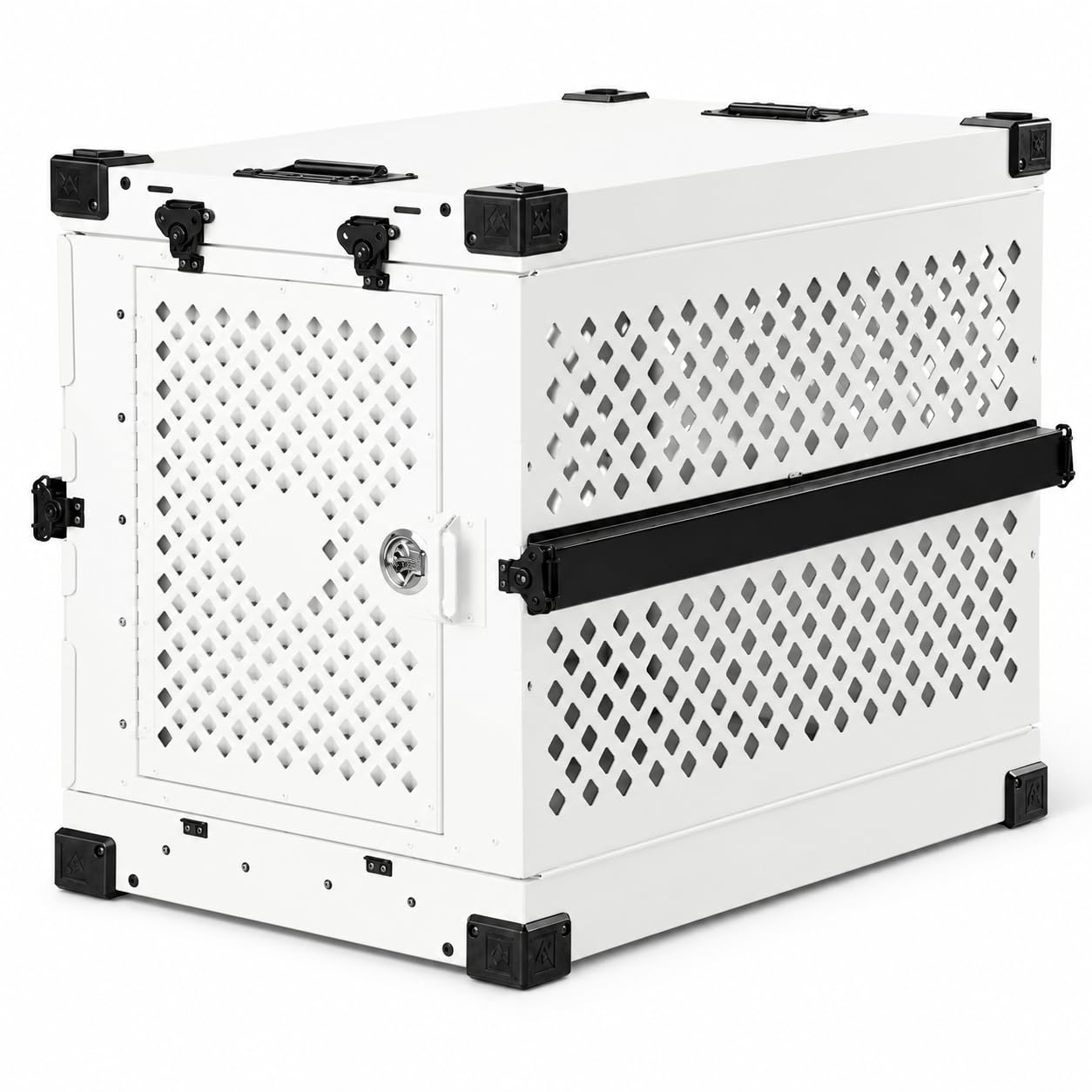

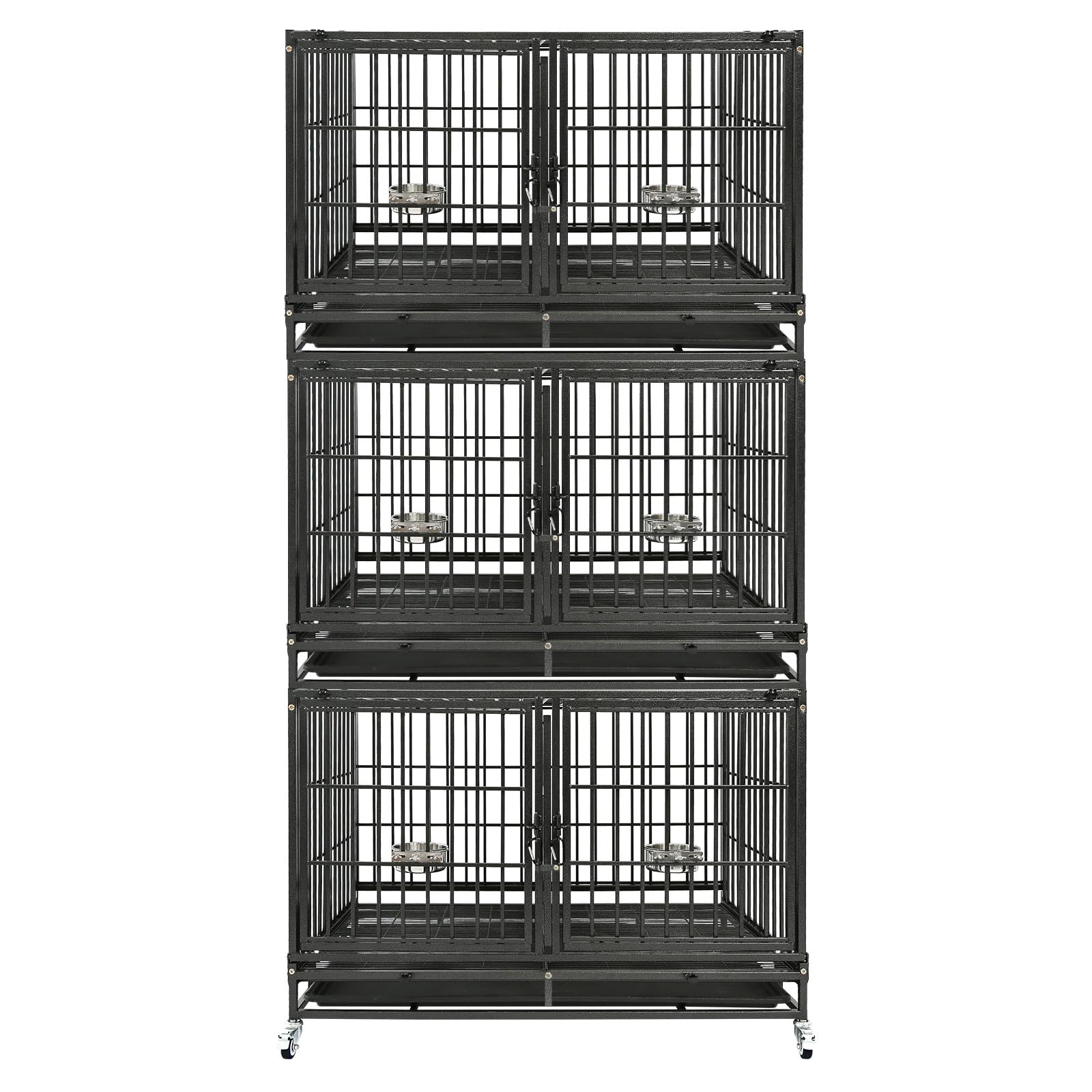


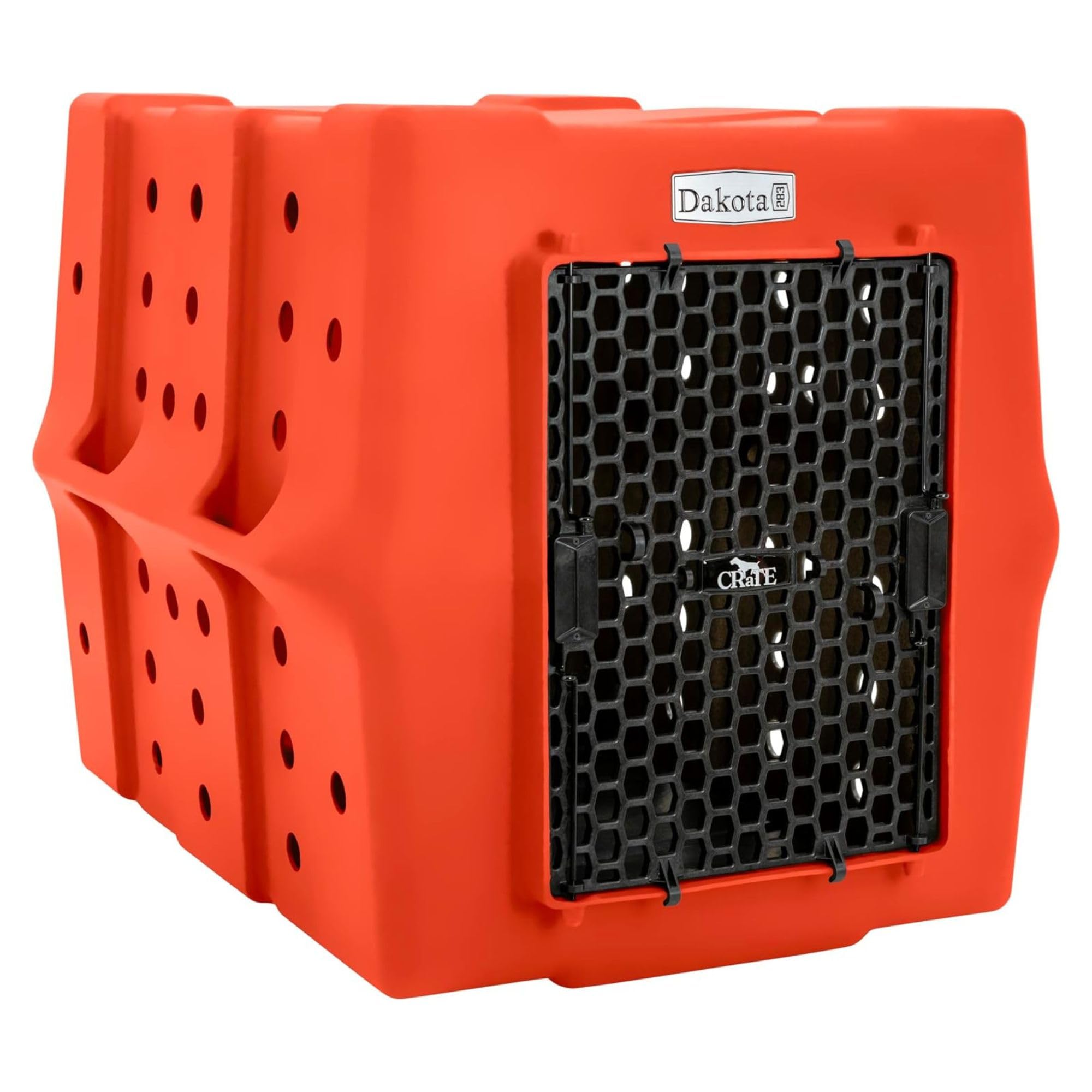
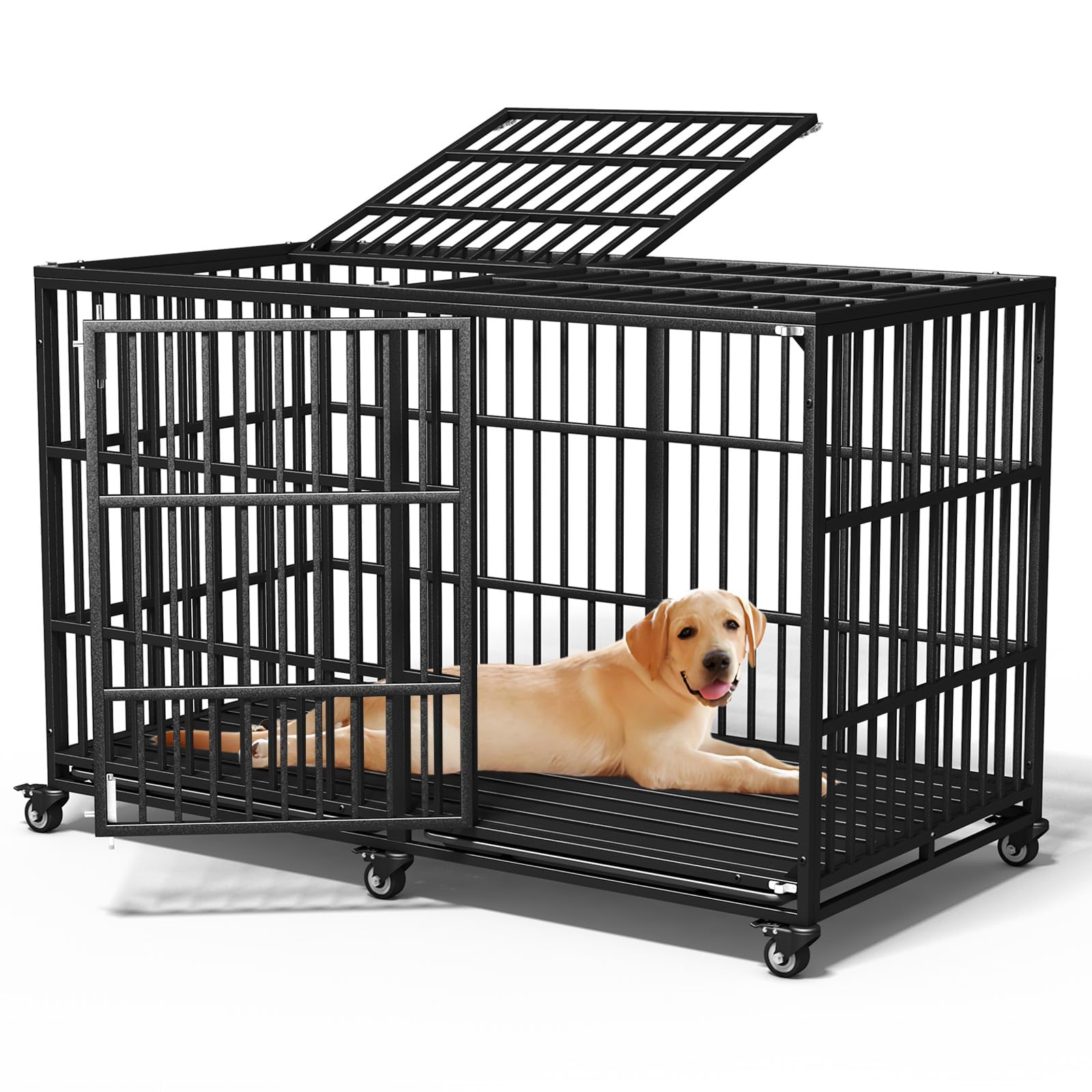

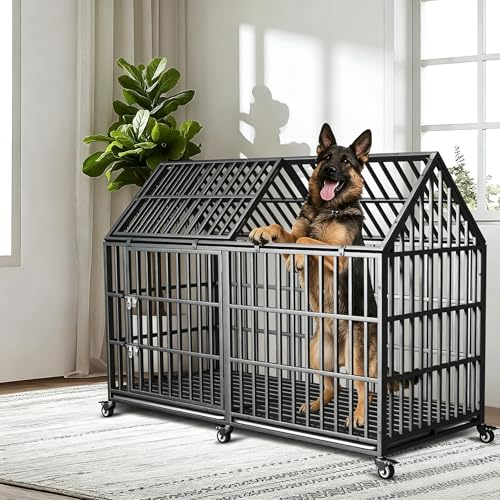
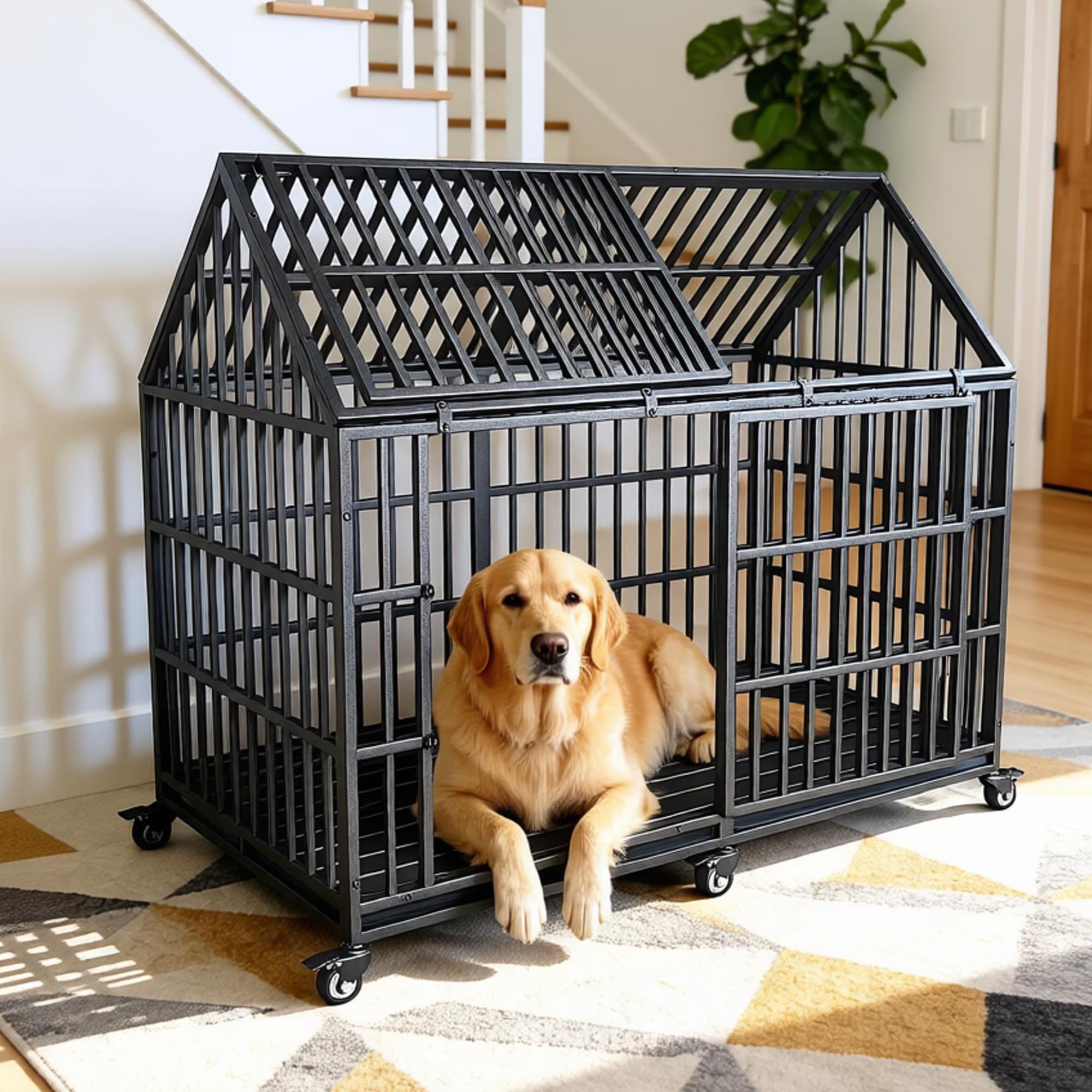

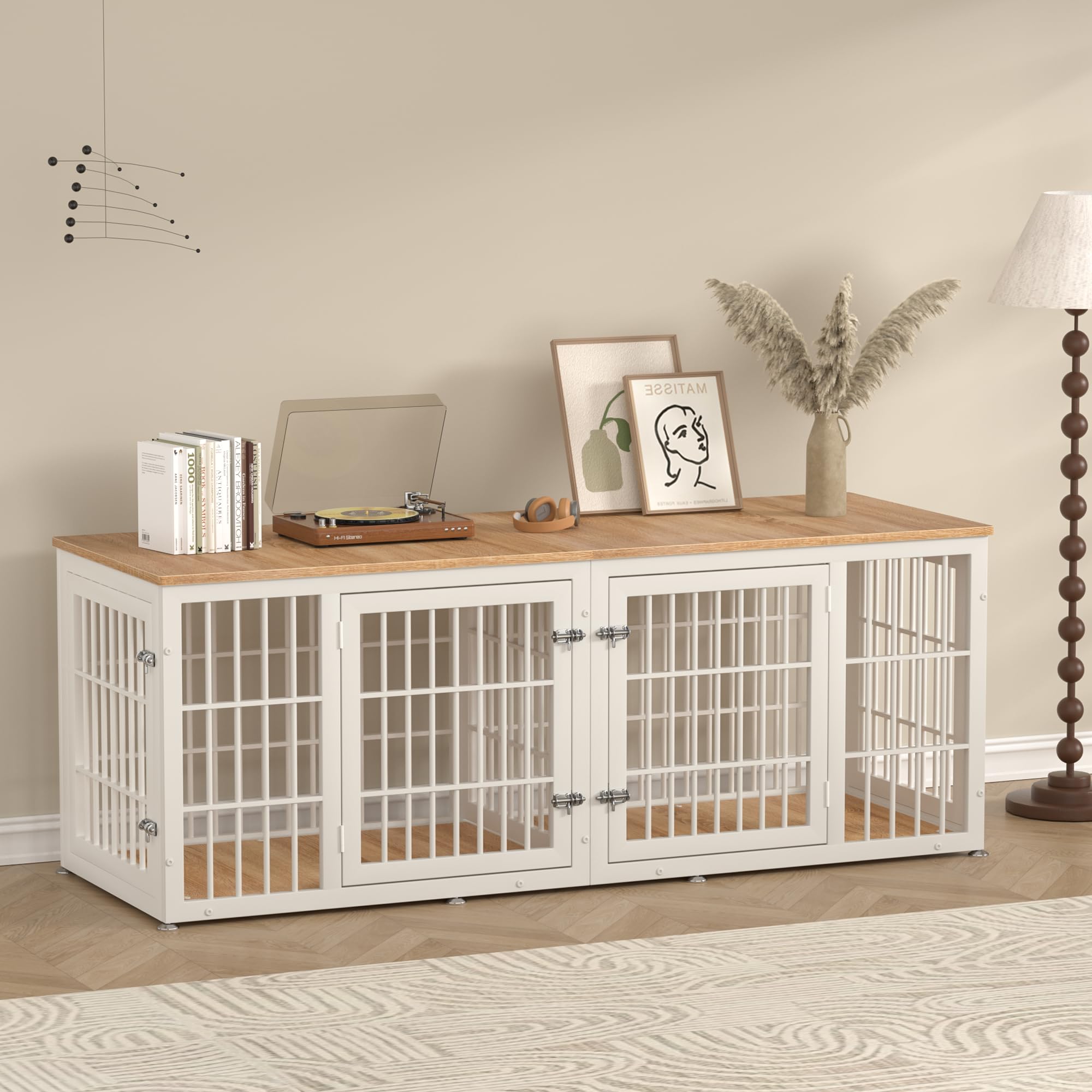
Types of Big Dog Crates
Wire Crates
Wire crates are the most common choice for large dogs at home. They give excellent airflow and a clear view of the room, usually fold flat for storage, and often come with a divider panel and a removable plastic tray. Double door models let you place the crate against a wall or beside a sofa and still open it easily.
Heavy Duty and Escape-Proof Crates
Powerful chewers and clever escape artists need thicker steel tubing, reinforced corners and secure latches. These crates weigh more and cost more, but a dog that bends standard wire or pops a simple slide bolt will make a weaker crate unsafe. Look for double-latch or lock designs and welded joints.
Plastic Travel Crates
Plastic crates have solid sides and a ventilated door, which makes them feel like a den and suit car and air travel. They are heavier to carry and hold less air than wire, so check the ventilation and the airline or vehicle rules for the size you need. Our guide to the best travel crates for dogs covers this type in more detail.
Furniture-Style Crates
Wood or composite crates double as an end table or console. They blend into a living room, but most are less chew-proof and harder to clean than wire. They suit calm, adult dogs that already like their crate. If looks matter most, see the best looking dog crates.
How to Size the Best Big Dog Crates
Measure your dog from nose to base of the tail and from floor to top of the head while standing, then add about 2 to 4 inches to each number. The dog should be able to stand without ducking, turn around and lie stretched out. A crate that is far too big encourages a dog to use one corner as a bathroom, which is why a divider helps while a young dog is still growing.
Most manufacturers give a weight range for each size, but weight is only a rough guide because breeds differ in length and height. Trust your own measurements first. Our guide to the best dog crates for large dogs lists typical size ranges by breed.
Key Features to Check
- Latches: Strong slide bolts or secondary locks stop a determined dog from nudging a door open.
- Doors: One front door is fine for a fixed spot, while a side door adds flexibility in tight rooms.
- Tray: A deep, removable tray makes cleanup after accidents quick.
- Divider panel: Lets you adjust the space for a growing dog.
- Feet and wheels: Rubber feet protect floors and reduce noise, and wheels help if you move the crate often.
- Weight and folding: A big steel crate can weigh 40 to 70 pounds, so check the folded size before ordering.
Placement, Comfort and Safety
Place the crate in a quiet spot near the family, away from direct sun, heaters and cold drafts. Add a washable bed that fits the floor; a dedicated dog bed for crates keeps a heavy dog comfortable and protects the tray. Remove collars that could catch on the bars while your dog is crated.
Introduce the crate with treats and short sessions so it becomes a safe place instead of a punishment. Do not leave a dog crated for very long stretches, and talk with your veterinarian if your dog shows lasting distress or anxiety in the crate.
Common Mistakes to Avoid
- Buying a puppy-sized crate when the dog will reach adult size within months.
- Choosing a light-duty wire crate for a strong chewer.
- Using the crate as punishment.
- Placing the crate in direct sun or a cold draft.
- Ignoring the folded size and weight when you need to move or store it.
Frequently Asked Questions
What size crate does a big dog need?
Measure your dog standing and add a few inches to the length and height. Most large breeds fit crates around 42 to 48 inches long, and giant breeds often need 48 inches or more. Always confirm with your own measurements.
Are wire or plastic crates better for large dogs?
Wire crates ventilate better and fold flat, so they suit home use. Plastic crates feel more enclosed and work better for car travel. Many owners use a wire crate at home and a travel crate for trips.
How do I keep a strong dog from escaping?
Choose a heavy duty crate with thick bars, reinforced corners and double latches, and place it where the dog cannot push it against furniture. Check the latches regularly for wear.
Can I use a divider in a big crate?
Yes. A divider lets you size the crate to a growing puppy and move it as the dog grows, so one crate can last into adulthood.
How should I clean a dog crate?
Wash bedding weekly, wipe the tray after accidents with a pet-safe cleaner, and check latches and welds for wear. Follow the manufacturer's care instructions.
Final Thoughts
Match the crate to your dog's measurements, strength and your space first, then to price. With a correct size, strong latches and a calm introduction, the best big dog crates become a safe den that lasts for years.