
Best Big Dial Watches: A Buying Guide for 2026
Disclosure: We may earn a commission when you buy through links on this page, at no extra cost to you. As an Amazon Associate I earn from qualifying purchases. Learn more

Learn how to choose the best big dial watches with clear guidance on case size, movements, water resistance, and legibility for your wrist and style.
A big dial watch makes a statement and solves a practical problem at the same time: the time reads clearly at a glance, without squinting or tilting your wrist toward the light. Buyers choose oversized dials for style, for aging eyes, for active work, and for the confidence of a bold wrist presence. This guide shows you how to pick the best big dial watches for your wrist, your routine, and your budget.
You will learn how case size, movement type, water resistance, and dial design interact, and which trade offs matter at each price level. Start with the comparison table below, then use the buying guide sections to test each candidate against your real needs.

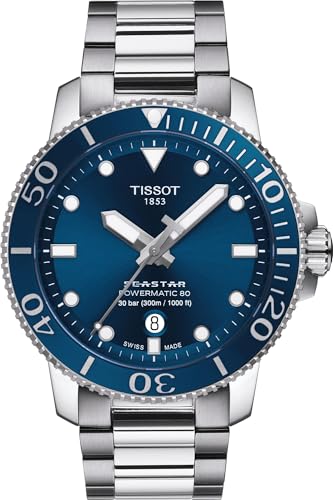


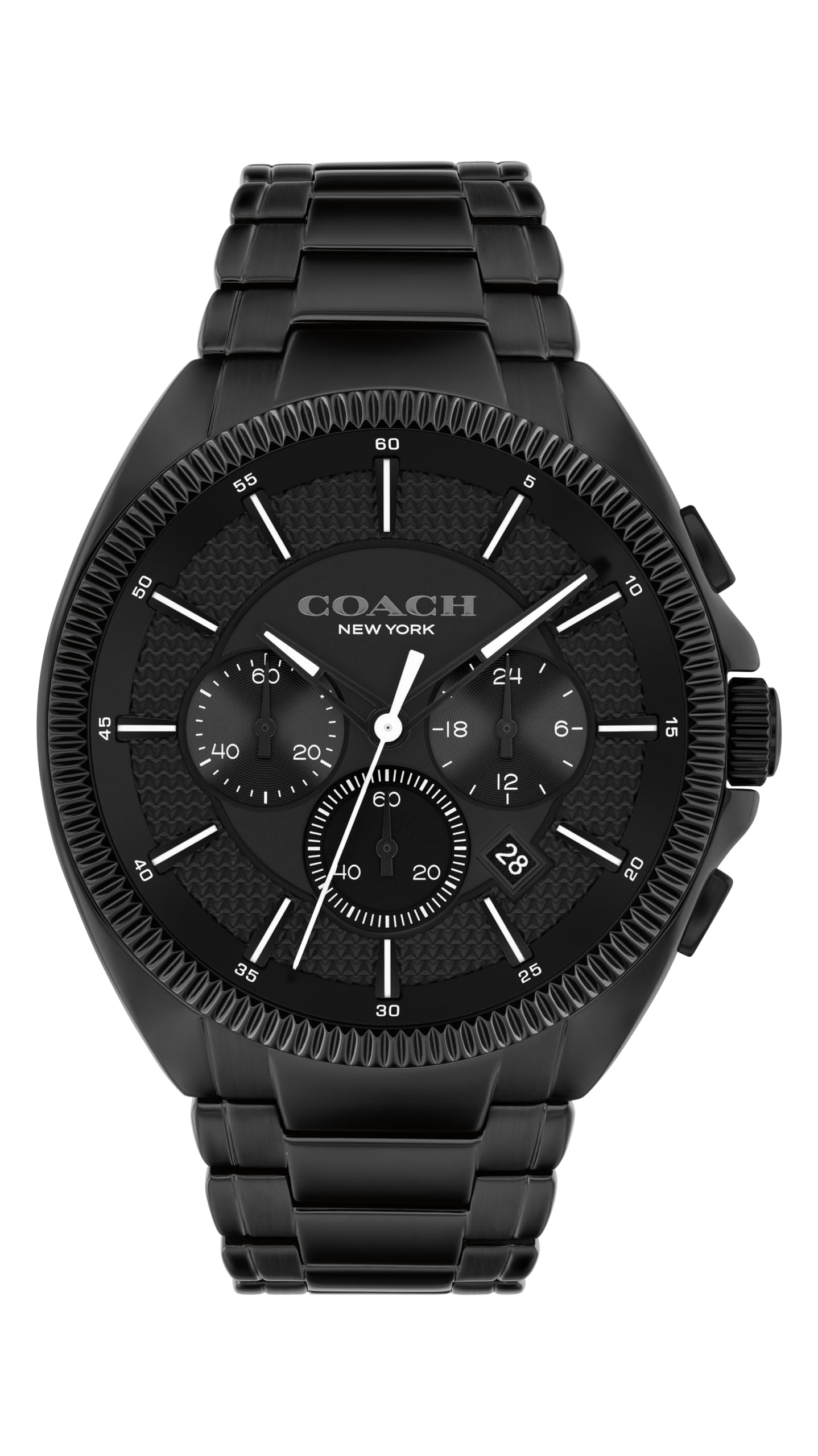
Priorities at a Glance
Overall Priorities: Balance Size, Clarity, and Comfort
The strongest all around choice balances a case around 42 to 44 mm with a clean dial, strong contrast, and a strap that distributes the weight. Look for sapphire crystal if your budget allows, a movement from an established maker, and water resistance of at least 100 m if the watch will see swimming or rough weather. Nothing about the watch should fight you: the crown should not dig into your hand, the lugs should not overhang your wrist, and the time should read instantly in both bright light and shade.
Value Priorities: Spend on the Dial and the Crystal
Value in this category means paying for legibility and durability while skipping decoration. Quartz movements keep prices fair and time accurate, and mineral glass is acceptable when sapphire pushes a model out of reach. Spend first on dial contrast, hand length, and a solid strap with a secure clasp, because you notice those every day. Save by avoiding precious metal cases, complex mechanical movements, and brand premiums that add cost without improving how the watch reads or wears. A simple, well made big dial watch under $200 can serve for many years.
Beginner Priorities: Keep It Simple and Forgiving
First time buyers should favor a quartz model with a clear dial, moderate thickness, and a strap that adjusts easily or swaps with quick release spring bars. Avoid very large cases above 46 mm until you know how a big watch feels across a full day, and skip complicated crowns and pushers you will rarely use. Choose a seller with a friendly return policy, wear the watch at home for a few days with the protective films in place, and confirm the size feels right before committing. Simplicity now leaves room to refine your taste later.
How to Choose the Best Big Dial Watches: Buying Guide
Measuring for Size and Portability
A watch is worn, not stored, so measure your wrist and think about daily carry in terms of weight and bulk. Wrap a soft tape where the watch will sit and note the circumference. Then consider thickness and total weight: a steel watch near 44 mm can weigh 160 grams or more on a bracelet, which some wrists love and others find heavy by afternoon. Slimmer cases slide under cuffs and feel portable across long days. If you travel often, a lighter titanium or resin cased model packs and wears with less fuss.
Movement Type (Quartz, Automatic, Solar, Smart)
Quartz movements run on batteries, keep time within seconds per month, and need the least care, which suits buyers who want the watch ready whenever they reach for it. Automatic movements wind from wrist motion, offer smooth sweeping seconds hands and mechanical charm, and need service every 5 to 7 years. Solar movements recharge from light and remove battery changes for a decade or more. Smart movements add screens, sensors, and apps, with daily or weekly charging. For a big dial bought mainly for instant readability, quartz and solar are the practical defaults.
Case Size and Wrist Fit
Big dial models usually run 42 to 48 mm across, but lug to lug length decides real fit. That length should stay at or below the width of your wrist, or the case will overhang and catch on desks and door frames. Wrists around 6.5 to 7.5 inches carry 42 to 44 mm cases comfortably, while larger wrists handle 45 mm and up. Thickness counts too: cases under 13 mm wear neatly, while 15 mm and above feel sporty and tall. Our guide to the best big watches goes deeper on proportion rules for oversized cases if you want more sizing detail.
Smart and Fitness Features
Big dial smartwatches use their size well, showing large text, clear workout screens, and maps you can read while moving. GPS tracks runs and rides without a phone, and heart rate sensors support training zones and sleep estimates. Battery life is the trade off: full featured models often need charging every 1 to 2 days, while simpler hybrids last weeks. Treat fitness data as guidance for habits, not as medical measurement. If you have a heart condition or other health concern, talk with your doctor about which readings matter and rely on proper medical devices for diagnosis.
Water Resistance Rating
Water resistance ratings describe lab conditions, not real depths. A 30 m rating covers splashes and rain only. At 100 m, swimming and snorkeling are fine. At 200 m, the watch suits recreational diving, especially with a screw down crown. Seals age, so a watch that once handled swimming may not after years without service. Rinse salt and chlorine off after swims, and never operate the crown or pushers underwater unless the maker rates the watch for it. When a big watch will live an active, wet life, 100 m is the sensible minimum.
Legibility and Style
Legibility comes from contrast, spacing, and lume. Bold hands that reach near the markers, a dial with room between elements, and a matte finish that avoids glare all help. Lume quality varies widely: generous lume on hands and markers keeps the watch readable on night drives and in dark rooms. Dial color changes both style and clarity; dark dials with light hands read crisply, while colored options such as the styles covered in our guide to the best green dial watches add personality that still reads well when contrast stays strong. White dials offer a clean, classic look in daylight, as shown in our guide to the best white dial watches.
Brand Reputation, Warranty, and Value
Established watch brands bring service networks, spare parts, and warranties that budget labels often lack. A two year warranty is standard at fair prices, and longer coverage signals confidence. Consider resale and repair value as well: a respected movement can be serviced almost anywhere in the United States, while an obscure movement may leave you mailing the watch overseas. None of this requires a luxury badge. It requires a maker that publishes clear specifications, honors its warranty, and will still exist when your watch needs a gasket or a crown in five years.
Types of Big Dial Watches
Solar Watches
Solar watches charge from sunlight and indoor light, then run for months in darkness on a full charge. They suit owners who dislike battery changes and want grab and go reliability. The dial must let light reach the cell, which slightly shapes design choices. If low maintenance tops your list, start with the solar styles among the broader best dial watches, where large, clear layouts are common across several movement types.
Smartwatches
Smartwatches trade tradition for function: notifications, calls, payments, and health tracking on a bright, oversized screen. Text and complications can be scaled up, which makes them the most readable option of all for many users. The costs are charging routines, software updates, and a lifespan closer to a phone than to a heirloom. Choose one when the features will genuinely be used daily, and pick a model whose strap system and case size still feel like a watch you enjoy wearing.
Quartz Watches
Quartz watches are the dependable default: accurate, affordable, and slim even in large cases because the movements are compact. Battery changes every 2 to 3 years are the only routine chore. Blue dial variants are especially popular in this group, and our guide to the best watches with blue dial shows how the color pairs with steel cases and large, readable layouts. For most buyers who want clarity and value, quartz is where the search should begin.
Care and Maintenance Tips
- Service automatic watches every 5 to 7 years. Fresh oils and new gaskets keep the movement accurate and the water resistance honest.
- Rinse after saltwater exposure. Salt and sand attack seals and bracelets, and a gentle rinse under fresh water prevents most of the damage.
- Store away from magnets. Speakers, tablet covers, and magnetic clasps can magnetize a mechanical movement and hurt accuracy.
- Rotate straps to reduce wear. Leather rests and dries between wears, and alternating straps spreads the strain on spring bars.
- Wipe the case weekly. A soft cloth removes sweat and sunscreen that dull finishes and irritate skin.
Frequently Asked Questions
How water resistant should a watch be?
Choose at least 50 m for daily wear with hand washing and rain, 100 m if you swim, and 200 m for regular diving. Ratings assume fresh seals, so an older watch should be pressure checked before swimming. Remember that steam from showers and hot tubs stresses gaskets more than cool water does. If your big dial watch is mainly for office and evening wear, splash resistance is honestly enough, and you can put the savings toward a better crystal or strap.
Quartz or automatic: which is better?
Quartz is better for accuracy, price, and zero fuss ownership, and it wakes up ready after a month in a drawer. Automatic is better for buyers who value mechanical craft, a sweeping seconds hand, and a watch that can run for decades with service. In large cases, automatics also tend to be thicker and heavier. Decide by lifestyle: a rotation of one daily watch favors quartz convenience, while an enthusiast who wears the watch daily and enjoys winding rituals will love an automatic.
Is a smartwatch worth it over a classic watch?
A smartwatch is worth it when notifications, fitness tracking, and contactless payment will be part of your day. Its screen can display the time and date larger than any analog dial. The compromises are charging every day or two, a display that sleeps, and technology that ages within a few years. A classic watch asks almost nothing and keeps its looks for decades. Many owners end up with both: the smartwatch for training days, the classic big dial for everything else.
How long does a watch battery last?
A typical quartz battery lasts about 2 to 3 years, and large watches sometimes fit larger cells that stretch toward 4 or 5 years. Features such as backlights, alarms, and sensors shorten that span. Warning signs include a second hand that jumps every few seconds or a watch that loses time between wears. Replace the battery promptly, because an exhausted cell can leak and damage the movement, and ask the shop to check the case seal during the same visit.
What case size fits my wrist?
Measure your wrist and compare it with lug to lug length, not diameter alone. Wrists near 6.5 inches usually suit 40 to 42 mm cases, wrists near 7 to 7.5 inches suit 42 to 45 mm, and wrists above that can carry 46 mm and larger. Keep the lugs within your wrist width and the thickness in line with your sleeves. When you cannot try a watch on, order from a seller with free returns and judge the fit at home across a full day.
Our Verdict
Start with fit, then legibility, then the movement that matches your habits. A big dial earns its size only when the case sits comfortably, the time reads instantly, and the upkeep fits your life. Compare the options in the product table above against those three tests, and you will land on the best big dial watches choice for your wrist with no regrets.


