Best Bidet Under $500 in 2026: Heated Seats and Attachments
Disclosure: We may earn a commission when you buy through links on this page, at no extra cost to you. As an Amazon Associate I earn from qualifying purchases. Learn more
From simple attachments to electric seats with dryers, see how the options compare and how to choose the best bidet under 500 for your bathroom.
A cap of 500 dollars buys far more bidet than most shoppers expect. It covers simple cold water attachments, full seats with warm water, and electric seats with heated seating and air drying. The best bidet under 500 dollars for your bathroom depends on your toilet shape, your access to an outlet, and how much warmth matters to you. The product table below sorts the main types side by side so you can see where the money actually goes.
Start by deciding which type fits your toilet and your wiring, then spend what remains on features you will use daily. If your budget is flexible, see our guide to the best bidet options at every price first. This guide stays under the cap and focuses on fit, heating style, spray control, and build quality.



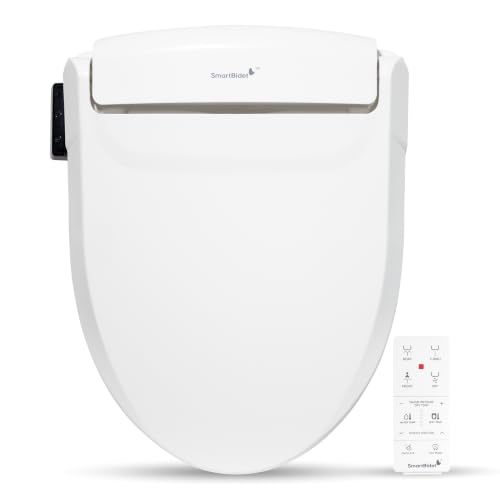
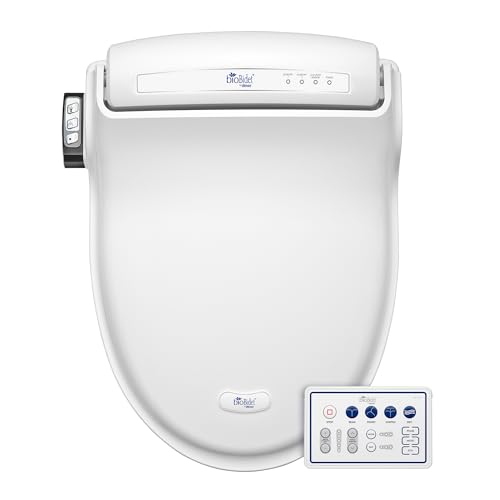

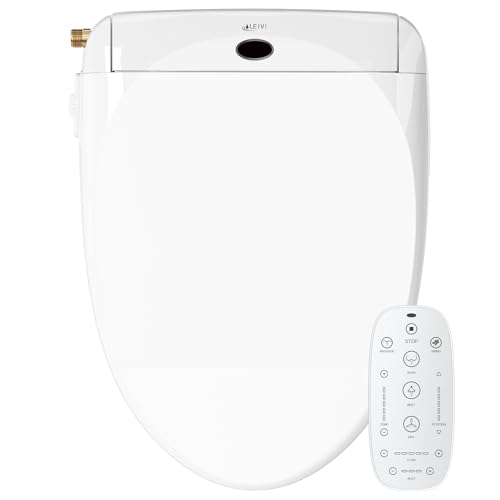
Bidet Types You Can Buy Under $500
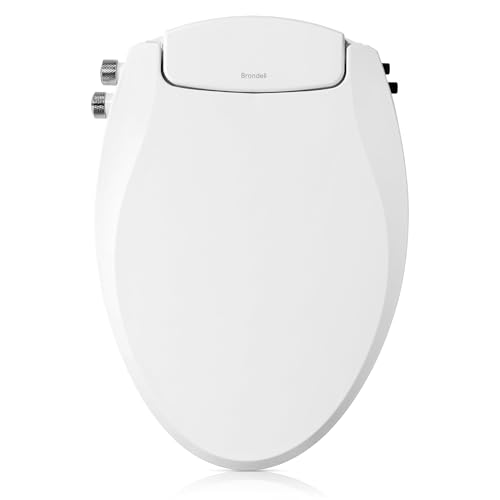
Attachments are the cheapest route. A thin plate sits under your existing seat, and a side dial controls pressure from the cold water line. Most cost well under $100, need no power, and come off in minutes, which suits renters. The trade off is cold water only unless you pick a dual temperature model that also taps the hot line near your sink.
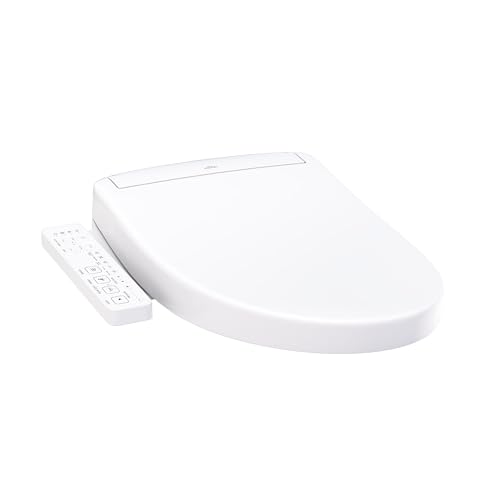
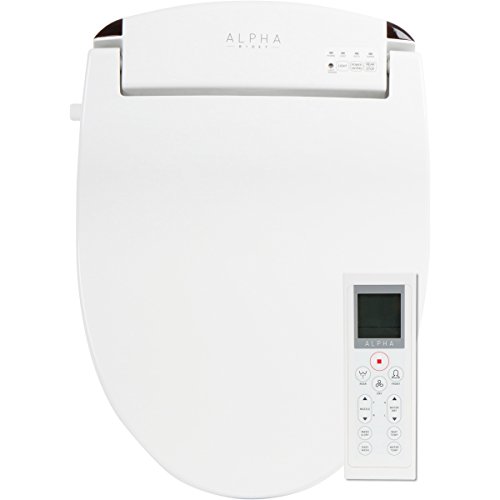
Non electric seats replace your whole toilet seat and add a cleaner look plus, on some models, warm water from that same hot line tap. If you want that route, our roundup of the best non electric bidet seats shows what the category offers. Electric seats plug into an outlet and heat water inside the seat itself, which frees you from plumbing a hot line but adds a cord to manage.
Who Should Buy a Bidet Under $500?
Renters Who Need a Removable Setup
If you cannot drill, rewire, or swap fixtures, an attachment or a basic seat is your lane. Both connect to the existing supply valve with a tee fitting and leave no marks when removed. Keep the original seat hardware in a labeled bag so move out day stays simple. Your spend can stay under $100.
Comfort Seekers Who Want Warmth Without Premium Pricing
You want a warm seat on winter mornings and water that does not shock you awake. Electric seats in the middle of this budget deliver both, usually with a warm air dryer as well. What you give up versus pricier models is mostly polish: slimmer profiles, lids that open on their own, and longer warranties.
Households Cutting Back on Paper
If your main goal is using far less toilet paper, even a basic attachment does the job, since the spray does the cleaning and paper only pats you dry. The wider debate is covered in our bidet vs toilet paper comparison. Bigger households notice the change fastest, because every person who switches multiplies the effect.
Key Features to Compare
How the Water Gets Warm
Cold only models draw straight from the supply line, which feels brisk but costs the least and never runs out. Tank models keep a small reservoir warm inside the seat, so the first seconds feel pleasant, yet a long wash can cool toward the end. On demand models heat water as it flows, giving a steady temperature for as long as you sit. On demand heating is worth paying for if two people often use the bathroom back to back.
Seat Shape and Bowl Fit
Seats come in elongated and round versions, and the wrong one overhangs the rim or leaves a gap at the front. Measure from the center of the seat bolt holes to the front edge of the bowl. Elongated bowls measure about 18.5 inches and round bowls about 16.5 inches. Most toilets use a bolt spread of about 5.5 inches, but check yours before ordering, because a mismatch means a return, not a small adjustment.
Spray Control and Nozzle Design
Pressure control ranges from a stiff side dial on attachments to fine steps on a remote or side panel for electric seats. Look for adjustable nozzle position too, since bodies differ and a fixed stream forces you to shift around on the seat. Nozzles hide behind a guard door when idle and rinse themselves before and after each use on better models. Stainless steel nozzles resist residue buildup better than plain plastic and are common in the upper half of this budget.
Comfort Extras Worth Paying For
A heated seat and a warm air dryer earn their cost every day, and a deodorizer fan helps in shared bathrooms. A soft night light sounds minor until your first groggy trip at 2 a.m. Skip extras you will rarely touch, such as multiple user presets in a one person home or a massage pulse mode. Under this cap, money spent on heating quality and nozzle aim beats money spent on novelty modes.
Build Quality and Certifications
Feel for a seat that closes slowly without slamming and hinges that let you lift the whole seat off for cleaning. On electric models, check for a recognized electrical listing such as ETL or UL, and confirm the plug has ground fault protection or plan to use a protected outlet. Plumbing parts should state compliance with lead free standards. A brittle lid or wobbly hinge at this price is a fair reason to choose a different model.
Measurements and Compatibility Checks
Beyond bowl length, look at the tank. Some one piece toilets curve where the tank meets the bowl, and that curve can block the back of a thick electric seat. Flat space behind the bolt holes is what you want. Also check the water supply valve: it needs to turn fully off and accept a tee fitting, and old rigid supply lines sometimes need a flexible replacement hose that costs only a few dollars.
For electric seats, measure the distance from the seat bolts to your nearest outlet. Cords on most models run about 3 to 4 feet, and extension cords are not a safe fix in a wet room. If the outlet sits across the room, a non electric model avoids an electrician bill entirely. Renters should get written permission before adding any outlet.
Doing It Yourself vs Hiring Help
Most attachments and seats install with a wrench and a screwdriver in about 20 to 60 minutes, and the tee fitting usually comes in the box. Our walkthrough on how to install a bidet covers the full sequence. Hiring a plumber for the same job typically runs about $100 to $300, which eats a large share of a $500 budget for a task most owners handle fine.
The math changes when wiring enters the picture. Adding a new outlet near the toilet can cost about $150 to $400, and that spend buys safety and convenience rather than a better wash. If your bathroom lacks a nearby outlet, price the electrician first, then choose the bidet with whatever budget remains, instead of the other way around.
What You Get (and Give Up) Under $500
The tiers inside this budget break down clearly. Under about $50 you get attachments with cold water and a simple dial. From about $50 to $150 you add dual temperature attachments and basic non electric seats. From about $150 to $300, entry electric seats bring heated seating and tank warmed water. From about $300 to $500, electric seats add on demand heating, dryers, deodorizers, and remotes. The best bidet under 500 for a guest bath may sit in a lower tier than the one for your main bathroom.
What you give up by staying under the cap is real but modest. Models above it tend to offer slimmer bodies, lids that open as you approach, stronger dryers, and longer warranties. None of those change how clean the wash itself gets. Spend to the top of the budget for the bathroom you use most, and let secondary bathrooms ride on simpler gear.
Common Mistakes to Avoid
- Ordering an elongated seat for a round bowl, which leaves the front overhanging the rim and the seat flexing under weight.
- Forgetting to measure outlet distance, so the cord cannot reach and the seat ends up returned.
- Ignoring a curved one piece tank, which can stop an electric seat from sitting flat on the bolt holes.
- Spending the full $500 on the seat, then having nothing left for the outlet or plumbing help the install actually needs.
- Tightening plastic supply fittings with full wrench force, which cracks them and causes a slow leak inside the cabinet or behind the toilet.
- Choosing the longest feature list instead of the best nozzle aim, so the spray misses and every use needs awkward shifting.
Care and Maintenance
Wipe the seat and lid with a soft cloth and mild soap, and keep bleach sprays and abrasive powders off the plastic, since harsh cleaners can cloud the finish and damage sensors on electric models. Use the nozzle cleaning mode weekly, or extend the nozzle per the manual and wipe it gently. Every few months, check the tee fitting and hose for dampness and snug them by hand if needed.
If your water is hard, mineral scale can narrow the nozzle holes over time and weaken the spray. A soft brush restores the openings without chemicals. Many electric seats also have a small mesh filter where the hose meets the seat; rinsing it twice a year keeps pressure steady. Unplug an electric seat before any deep cleaning around the cord or outlet.
FAQ
What is the best bidet under $500?
For most homes it is an electric seat with on demand or tank heating, a heated seat, and adjustable nozzle position, sized correctly for your bowl. Within this budget, weigh warranty length heavily, because coverage at this tier often runs one to three years and a longer term signals confidence in the pump and heater. Match the shape and outlet distance first, then compare those features.
Can you get a good bidet for under $500?
Yes, easily. The washing action itself, water pressure through a nozzle, is the same basic function at every price, so a well chosen model under the cap cleans just as well as a costly one. Your money buys comfort, finish, and convenience rather than a different level of clean. Fit and heating style matter more than chasing the highest price in range.
How to use a bidet?
Sit as you normally would, start the spray on the lowest pressure, and raise it slowly until the stream feels effective but gentle. Adjust your position slightly rather than cranking pressure to reach. When you feel clean, run the dryer if your seat has one or pat dry with a small amount of paper. Our full guide on how to use a bidet walks through posture and settings for new users.
How to install a bidet?
Shut off the water valve, flush to drain the tank, then unscrew the supply line and add the tee fitting before mounting the seat or attachment. One tip installers swear by: after reconnecting, slide a dry tissue around each joint and run the water, since even a slow drip darkens the tissue and reveals itself at once. Hand tighten plastic parts first, then add only a small turn with a wrench.
Are bidets sanitary?
Yes, when the nozzle stays clean. Nozzles retract behind a guard when idle, so they stay out of the waste stream, and most models rinse the nozzle automatically before and after use. The wash water comes from the same clean supply as your sink tap, not from the bowl. Your part is simple upkeep: run the cleaning cycle weekly and wipe the nozzle as directed.
Do bidets need electricity?
Only electric seats do, and they use power for heating water and the seat, running the dryer, and powering the controls. Attachments and non electric seats run purely on household water pressure and need no outlet at all. A few electric models use batteries for the remote while the seat itself still plugs in, so check which parts need power before you buy.
Final Thoughts
Under $500, the smart spend is fit first, heating second, extras third. Measure your bowl, confirm your outlet reach, and pick the type that matches your plumbing. For most main bathrooms, the best bidet under 500 dollars is an electric seat near the top of the range, while attachments serve renters and guest baths well for far less. Compare your shortlist against the product table above to land on the right seat.