Best Bidet Under $300 in 2026: Types, Heat and Value
Disclosure: We may earn a commission when you buy through links on this page, at no extra cost to you. As an Amazon Associate I earn from qualifying purchases. Learn more

How attachments, seats without power and entry level electric seats compare, so you can choose the best bidet under 300 that suits your toilet and outlet.
A budget of $300 sounds generous until you start comparing bidets and see how fast comfort features add cost. Attachments, full seats, warm water, and heated seats all sit in this range, and the differences are not always clear from a listing. Finding the best bidet under 300 is mostly about matching the type to your toilet, your plumbing, and the features you will actually use each day.
This guide compares the main types you can buy at this price, explains what separates a basic wash from a more comfortable one, and walks through fit, power, and installation before you spend anything. Use the product table below to see the types side by side, then read on for the details that decide whether a model belongs in your bathroom.



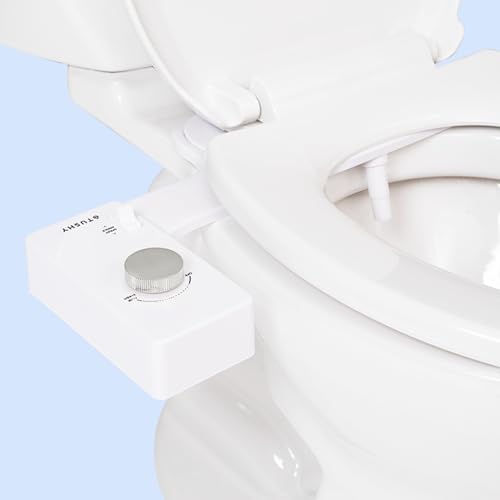

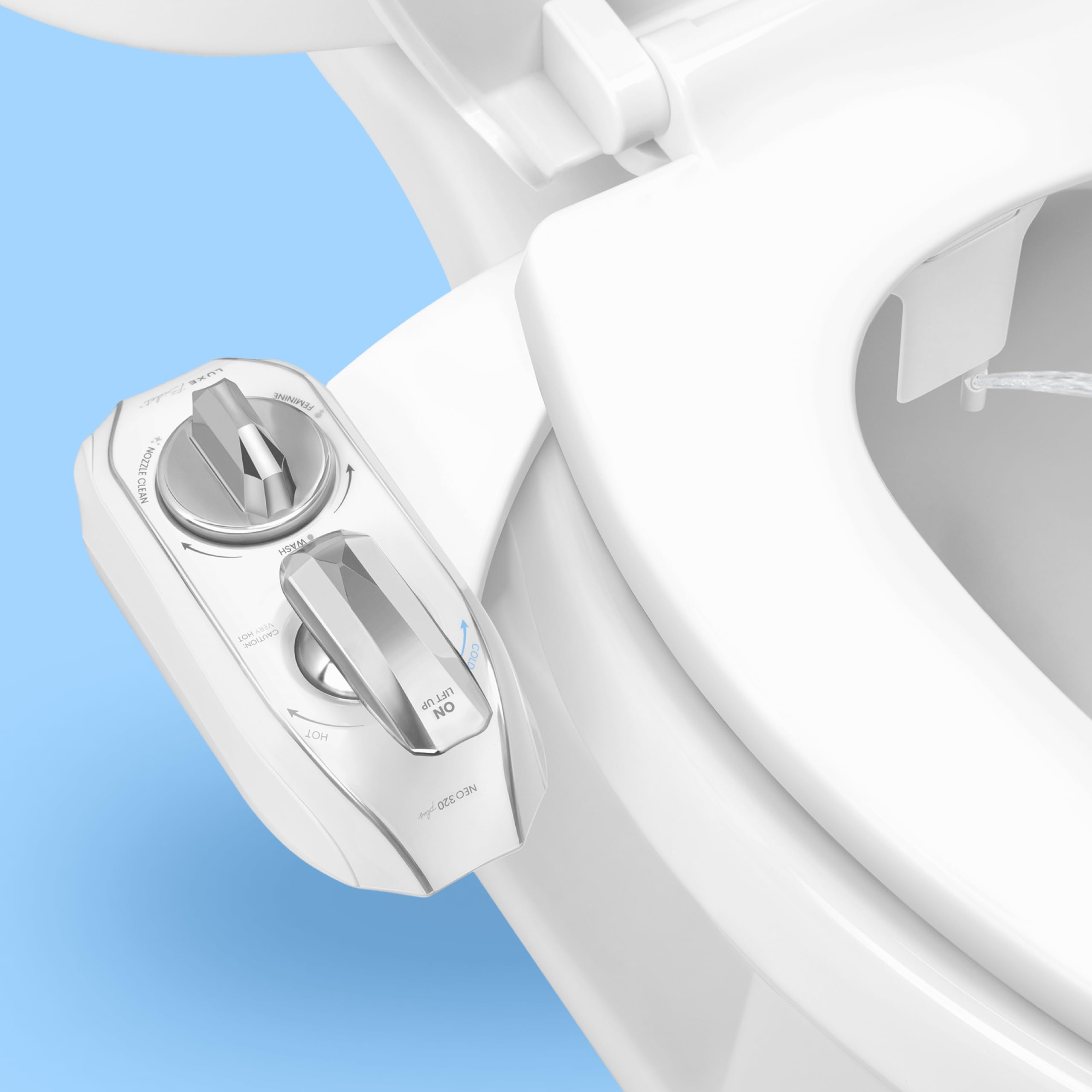
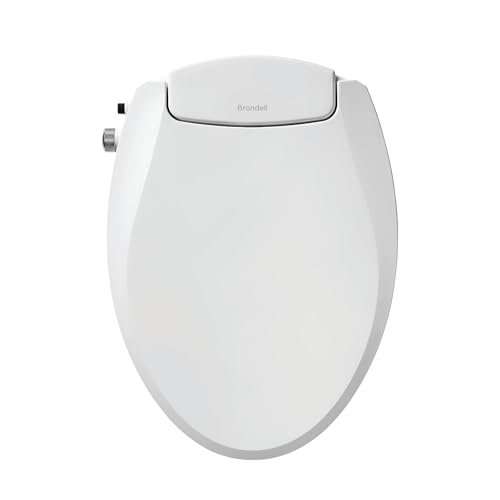
Types at a Glance Under $300
At this price you are choosing among three broad types. A slim attachment fits under your current seat and adds a wash nozzle for the lowest cost. A full seat replaces your current seat and can add heat and warm water if it has power. A handheld sprayer or a portable model serves renters and travelers.
None of these types is better for everyone. Attachments win on price and simple setup. Full seats win on comfort. Sprayers and portable models win when you cannot change the toilet at all.
Three Types Worth Comparing Under $300
Attachments That Fit Under Your Current Seat
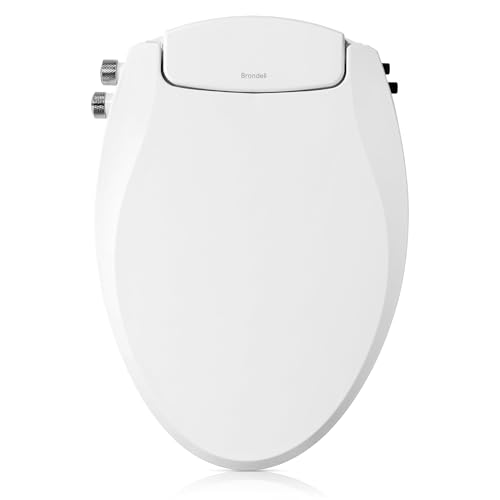
An attachment is a thin plate that mounts under your existing seat and connects to the water line that fills your tank. Most give you a rear wash, adjustable pressure from a dial or lever, and a nozzle that retracts when not in use. Cold water is standard, while some versions add a second hose that can draw warm water from a nearby sink line. You keep your current seat, setup is usually the simplest of any type, and the total cost often stays well under $100.
Seats Without Power
A seat without power replaces your toilet seat and uses water pressure alone to run the wash. You gain a cleaner look than an attachment, an integrated nozzle, and often a soft close lid, but you do not gain heat. If you are comparing this route with powered options, our guide to the best non electric bidet explains where these seats make the most sense. They suit bathrooms with no outlet near the toilet and homes where a cold or room temperature wash feels acceptable for most of the year.
Electric Seats With Heat and Warm Water
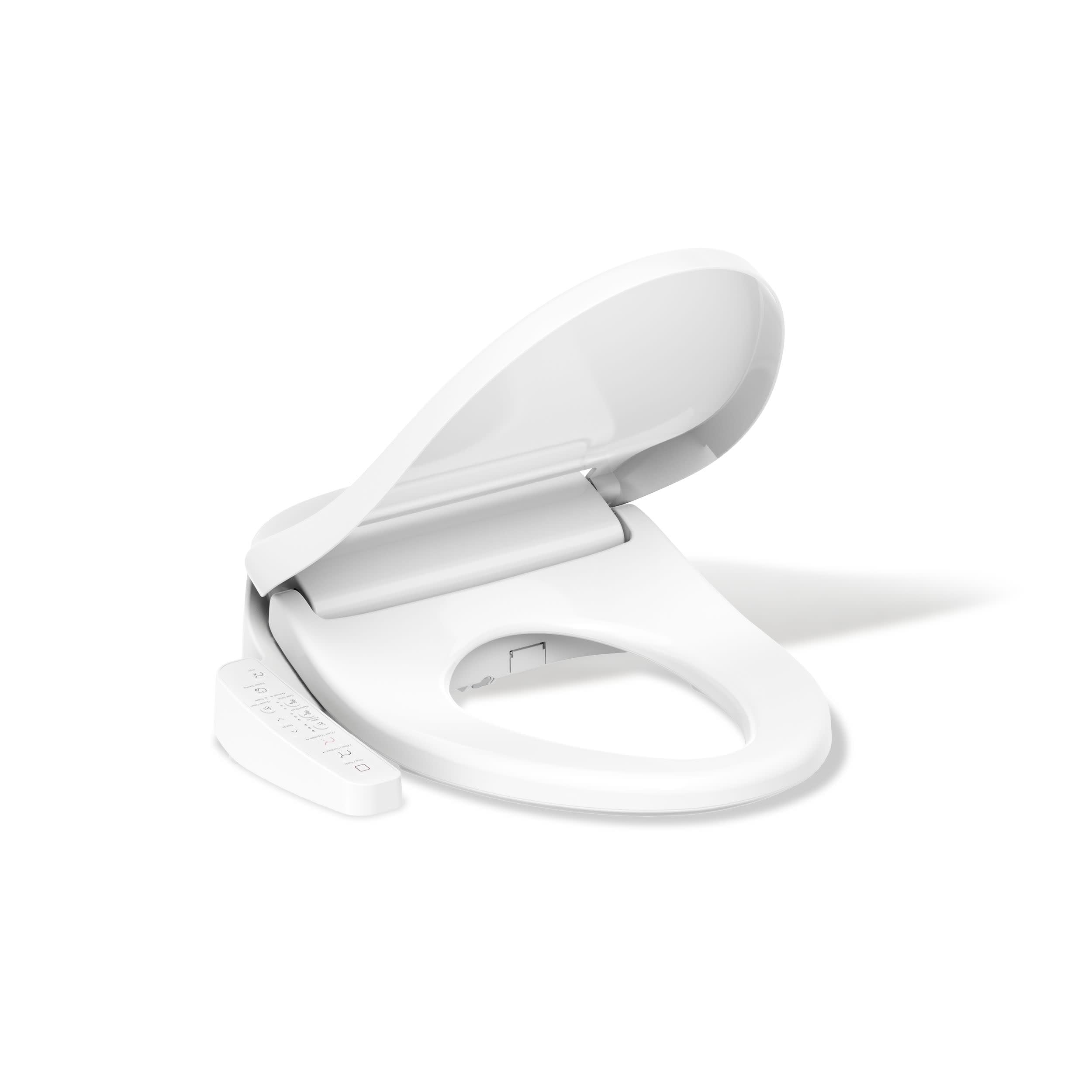
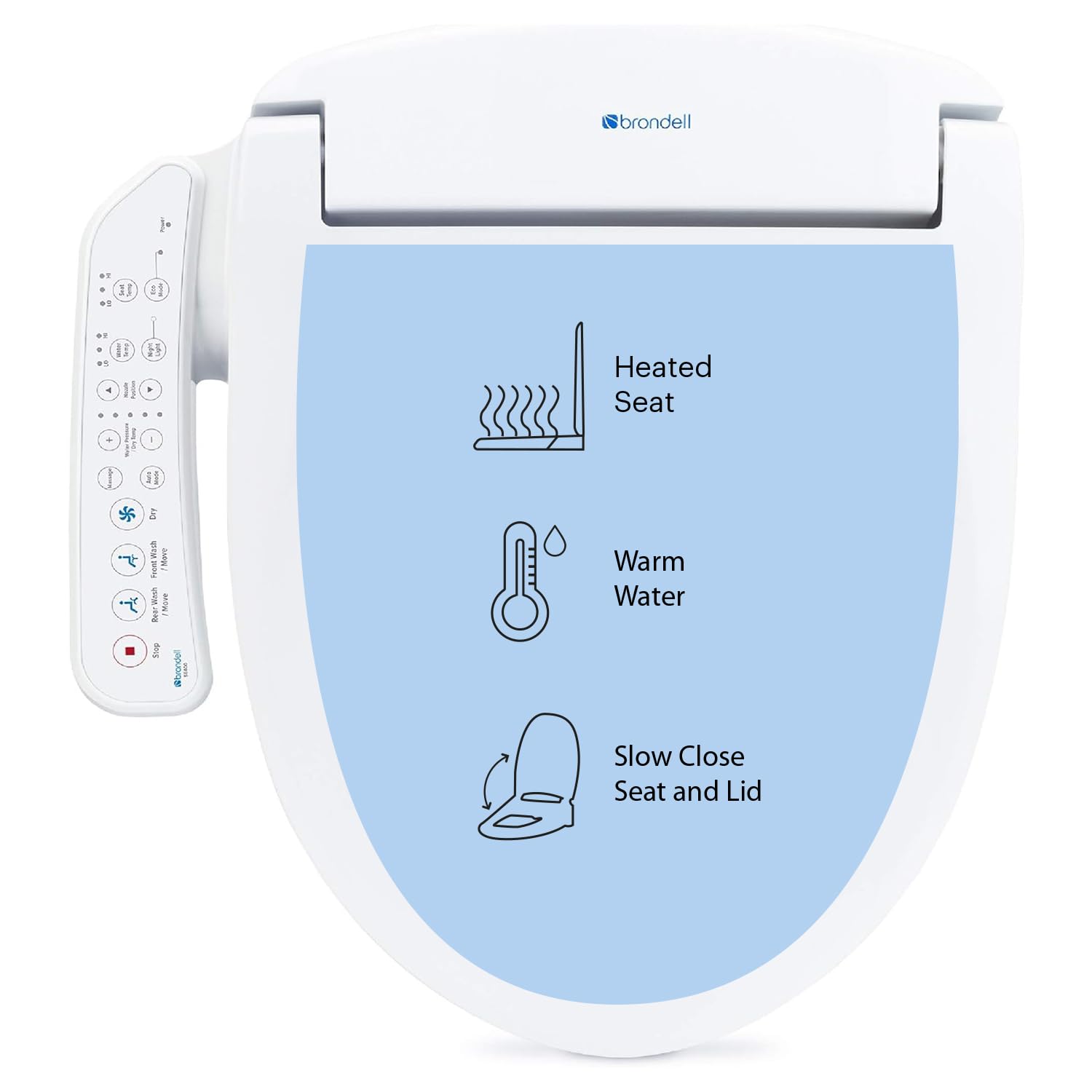
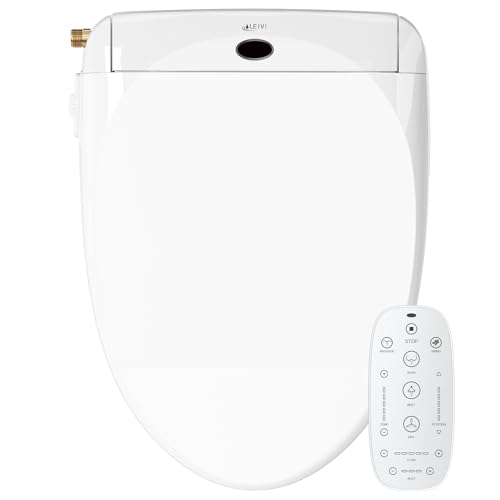
An electric seat plugs into a nearby outlet and heats water on demand or in a small tank, so the wash stays warm from the start. At or under $300 you can often get a heated seat, adjustable water temperature and pressure, and a warm air dryer with limited settings. Look at cord length and tank style, since a tank model can run cool during a longer wash. Our overview of the best electric bidet covers powered features in more depth.
How to Judge Value at This Price
Value under $300 comes from fit and daily comfort, not from the longest feature list. Start with installation and compatibility, then look at build quality and finish, then at features, certifications, and warranty length. A model that fits your bowl, seals well, and has clear parts support will serve you better than a model with extra modes that you never turn on. If you want a wider view beyond this budget, start with our main guide to the best bidet and then narrow by type and price.
Read buyer comments with care and look for patterns about leaks at the supply connection, seat stability, and nozzle alignment rather than single complaints. Check the maker site for dimensions, connection size, and whether hoses and filters can be ordered on their own.
How to Choose the Right Bidet
Type
Match the type to how much change your bathroom allows. An attachment needs access to the tank supply line and clearance under the seat hinges. A full seat needs the correct bowl shape and, for powered versions, an outlet within reach of the cord. A handheld sprayer needs space to hang the holder. A portable model needs no plumbing work, but it holds little water and gives a gentler wash.
Features Worth Paying For
Warm water and a heated seat change daily comfort the most, especially in a cold bathroom, so they are worth paying for if your budget and outlet allow them. A warm air dryer can reduce paper use further, though it takes longer than most people expect. A remote can help if side controls are hard to reach. A night light and a deodorizer are pleasant extras, but they should not decide your purchase ahead of fit and pressure control.
Measurements and Compatibility With Your Setup
Measure before you order. Note whether your bowl is round or elongated by measuring from the seat mount holes to the front edge of the bowl. Check the space behind the mount holes to the tank, since slim attachments and electric seats need room at the back. Confirm you have a flexible supply line or plan to replace a rigid one, and check that your shutoff valve turns freely. For a powered seat, confirm the outlet is a ground fault circuit interrupter type and that the cord can reach without crossing the bowl.
Certifications
Look for clear marks and listings rather than vague claims. Plumbing parts should state compliance with relevant NSF and ANSI standards for drinking water contact, and metal supply parts should be described as lead free where that applies. Electrical seats should carry a recognized safety listing such as UL or ETL. A WaterSense label is less common on bidet seats, so do not treat its absence as a flaw. Keep the manual for model numbers if you ever need parts or warranty help.
Doing It Yourself Versus Hiring Help and What Each Costs
Most attachments and seats are made for home setup with basic tools, a bucket, and an old towel for drips. Plan on about $20 to $60 in small parts if you need a new supply line or tape for threaded joints. An extension cord is not advised in a bathroom, so an outlet upgrade is a separate job for a licensed electrician and can cost more than the bidet itself. For a full walkthrough, see how to install a bidet before you decide which route fits your skills.
How Much Should You Spend?
Under about $30 you are in handheld sprayer and simple portable territory, with manual pressure control only. Around $50 to $100 buys a solid attachment with dual nozzles and better valves. Around $100 to $200 opens up seats without power and entry level electric seats with heat. Near $200 to $300 you can expect warm water, a heated seat, and a dryer on many electric seats. Spending the full budget only makes sense if you will use the heat daily.
What You Get and What You Give Up Under $300
Under $300 you can get a genuinely comfortable wash, reliable pressure control, and, on electric seats, heat that makes the bidet easier to use in winter. What you usually give up compared with higher priced seats is refinement. Dryer heat may have fewer steps, the remote may be absent or basic, seat sensors and cleaning cycles may be simpler, and the finish may show more plastic and less metal in the fittings.
You also give up very little that matters for basic hygiene. If you are weighing paper savings and comfort against cost, the comparison in bidet vs toilet paper lays out the trade offs without the sales pitch. For many homes the best bidet under 300 is the point where extra spending stops changing the wash itself and starts buying convenience touches instead.
Care and Cleaning for Your Bidet
Keep the nozzle clean by running its self cleaning cycle if it has one, or by wiping the tip gently with a soft cloth and mild soap. Check the supply connections once a month during the first season for dampness, and tighten a fitting only a small amount if you see a slow drip. Wipe the seat and controls with a cloth dampened with water, and avoid harsh sprays that can damage sensors or the finish. If your model uses a small water filter, note its change interval and keep a spare on hand.
Stop using the bidet and call a plumber if you see a steady leak you cannot stop at the shutoff valve, a cracked hose, or water pooling under the tank. For an electric seat, unplug it if the cord or plug is damaged, and do not use it until the maker or an electrician advises you.
FAQ
What is the best bidet under $300?
For most people it is the type that fits the bowl and offers the comfort level you want at this price. If you have an outlet near the toilet, an electric seat with warm water and a heated seat gives the most complete experience under $300. If you have no outlet, a well made attachment or a seat without power is the smarter buy. The product table above can help you compare types once you know your bowl shape.
Can you get a good bidet for under $300?
Yes, and the main limit is not wash quality. Attachments at a fraction of this budget already clean well, since cleaning depends on nozzle position and pressure control more than on price. What more money adds is heat, a better seat feel, and simpler controls. Before buying, sit on your current seat and check whether side controls would be easy to reach, since that affects daily use more than an extra wash mode would.
How do you use a bidet for the first time?
Start with the pressure set to its lowest level while you are seated, then raise it slowly until the stream feels effective without stinging. Shift your position slightly rather than raising pressure further if coverage feels uneven. Pat dry with a small amount of paper or a cloth meant for this purpose. For posture and settings in more detail, see how to use a bidet for a calm routine that helps new users adjust.
How long does it take to install a bidet?
An attachment often takes about 20 to 40 minutes once the water is off and the tank line is drained, while a full seat can take a little longer because the old seat must come off and the new mount must be aligned. What slows most people down is a stiff shutoff valve or an old supply line that should be replaced while the water is already off, so allow extra time and have a new line ready.
Are bidets sanitary to share in one bathroom?
A bidet can be sanitary in a shared bathroom when the nozzle retracts behind a guard, runs a rinse cycle, and is cleaned on a regular schedule. The nozzle touches only water during use, not the user, which is why makers place it at an angle below the seat. If someone in the home has a weakened immune system, ask a clinician whether a bidet wash is appropriate and what cleaning routine they advise.
Do bidets need electricity to work?
No, only electric seats need power, for heat, warm water from an internal heater, dryers, and lights. Attachments, handheld sprayers, portable models, and seats without power run on water pressure alone and keep working during a power outage.
Final Thoughts
Start with your bowl shape, your outlet, and your water line, then choose the simplest type that gives you the comfort you want. That order prevents the most common regret at this price, which is buying features your bathroom cannot support. When you compare options in the product table above, you will see that the best bidet under 300 for your home is less about chasing every extra and more about a wash you will happily use every day. Prices and availability can change, so check the product page before ordering.