Best Bidet Under $100 in 2026: What Your Money Buys
Disclosure: We may earn a commission when you buy through links on this page, at no extra cost to you. As an Amazon Associate I earn from qualifying purchases. Learn more

What a $100 budget buys in attachments, sprayers and basic seats, and how to choose the best bidet under 100 that fits your toilet and plumbing.
Shopping for a bidet on a tight budget raises one big question. Can a model that costs under $100 actually clean well, fit your toilet, and last? The answer is yes, as long as you pick the right type and skip the features that add cost without adding much comfort. This guide to the best bidet under 100 dollars compares the three types that dominate this price range, so you can match one to your bathroom and your plumbing.
The product table below sums up how the types differ on installation, build quality, and features. After that, the sections below walk through fit, water temperature, and the trade offs you accept at this price, plus what each spending tier really buys you.

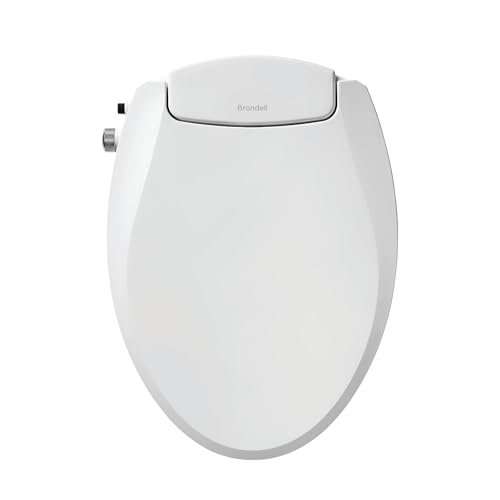
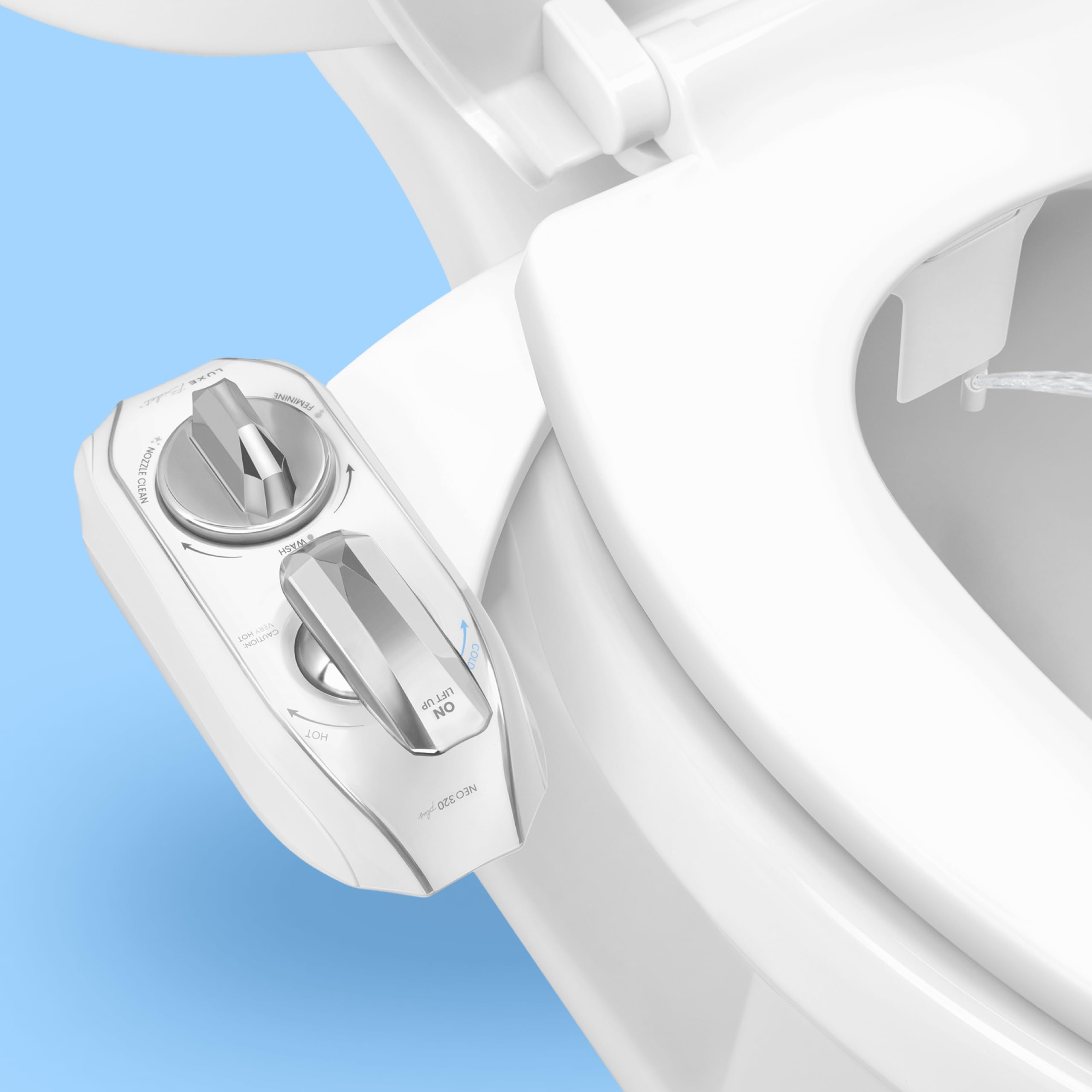
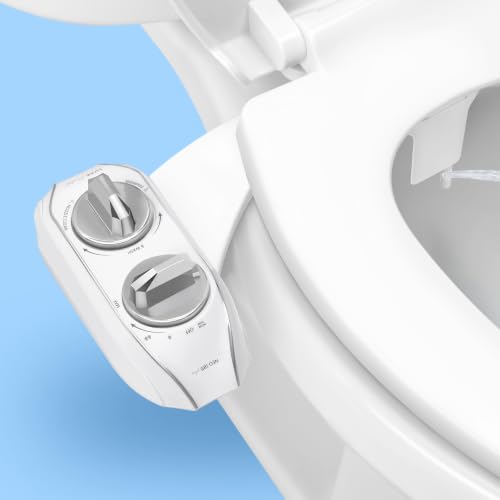
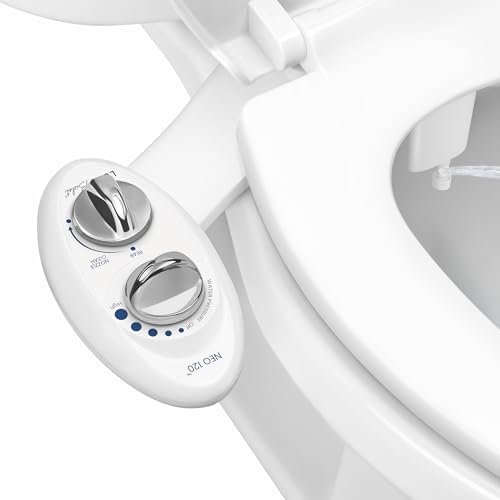
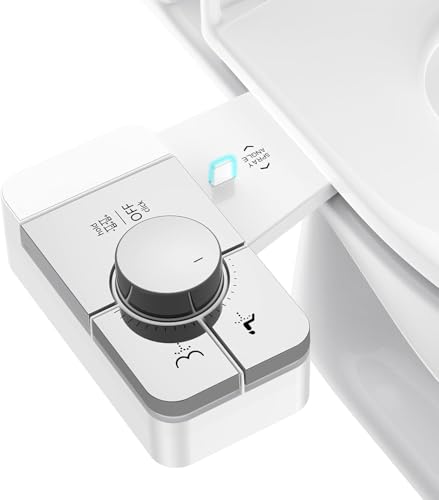


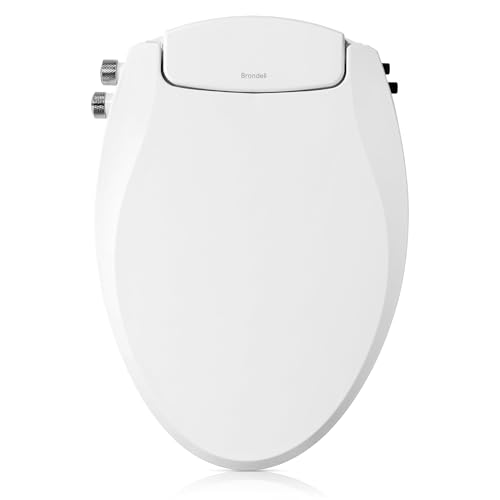
Bidet Types at a Glance Under $100
Almost every option under $100 falls into one of three groups. Attachments clamp under your current seat and are the most common choice. Full seats replace your current seat and add a built in spray arm. Handheld sprayers and travel models trade a fixed position for flexibility and the lowest prices.
- Attachments: the widest selection, the fastest install, and adjustable pressure on most models.
- Full seats: a cleaner look and a more stable feel, with fewer parts sitting under the seat.
- Handheld and travel models: the cheapest route, and the only one that works away from your own toilet.
Most options in the first two groups run without power, so if you want a wash powered only by water pressure, our guide to the best non electric bidet models explains that category in more depth.
Three Bidet Types Compared
Attachments That Fit Under Your Current Seat
An attachment is a slim plate with one or two nozzles that sits between your toilet bowl and your current seat. It connects to the water line that fills your tank through a T valve, and a knob or lever on the side controls pressure. This is where most of the competition under $100 sits, so you get the best choice of nozzle styles, pressure controls, and finishes here. The main catch is fit. Thick plates can tilt some seats, and seats with unusual hinge shapes may rock or leave a gap at the front.
Full Seats With a Built In Spray
A full seat replaces your toilet seat entirely, with the spray nozzle built into the back of the seat itself. Nothing clamps under a separate seat, so the setup feels solid and looks tidy, and cleaning around the hinges is simpler. At this price these seats are almost always manual, with cold water or a second line to a warm water source under the sink. Sizing matters more here than with an attachment, since the whole seat has to match your bowl shape. Measure before you order, using the steps in the compatibility section below.
Handheld Sprayers and Travel Options
A handheld sprayer looks like a small shower head on a hose, hangs beside the tank, and gives you full control of angle and pressure with a trigger or lever. It also rinses the bowl and handles cloth diaper cleanup, which fixed nozzles cannot do. The trade off is that you hold it the whole time, and aim takes a little practice. Battery powered and squeeze bottle travel models cost even less and need no plumbing at all. If you travel often or rent a dorm room, our guide to the best portable bidet options covers that style on its own.
How Options in This Price Range Were Compared
Every type above was judged on the same five points. Installation and compatibility came first, since a bidet that does not fit your toilet is useless at any price. Next were build quality and finish, with attention to valve and hose materials. Features, certifications, and warranty length rounded out the comparison. The judgments rest on maker specifications and patterns in verified buyer feedback about leaks, fit, and durability, not on price alone.
How to Choose the Right Bidet
Start With the Type That Fits Your Situation
Choose an attachment if you want the lowest cost per feature and a quick install you can undo in minutes, which suits renters well. Choose a full seat if your current seat is worn anyway or you dislike the slight lift an attachment plate adds. Choose a handheld sprayer if several people with different needs share the toilet, since each person controls the angle. Whichever route you take, the best bidet under 100 dollars for your home is the one that matches your bowl, your water lines, and how much change your household will accept.
Features Worth Paying For and Ones to Skip
Pay for adjustable pressure, since one fixed setting is rarely right for everyone. Pay for a nozzle that tucks away behind a guard door or retracts when off, because that keeps the nozzle cleaner between uses. A second nozzle or an adjustable nozzle angle helps in households where people sit at different positions. Metal fittings at the water connection are also worth money, as that joint carries full line pressure all day. Skip paying extra for a night light, a scented deodorizer, or chrome trim. At this price those extras take budget away from the valve and nozzle parts that decide how the bidet feels and how long it lasts.
Measurements and Compatibility With Your Setup
Check four things before you order. First, bowl shape. Round bowls measure about 16.5 inches from the seat bolts to the front rim, while elongated bowls measure about 18.5 inches, and a full seat must match. Second, bolt spread, which is about 5.5 inches on most US toilets. Third, access to the fill valve under the tank, where the T valve has to fit with room to turn. Fourth, for a warm water model, the distance to your sink supply line, since the hose must reach without stretching. Attachments forgive small errors. Full seats do not.
Certifications and Plumbing Safety to Check
Look for plumbing parts that meet NSF and ANSI standards for drinking water contact, and for brass or polymer fittings described as lead free. A bidet connects to the same water that fills your glass, so a backflow prevention feature matters. Many models include a check valve for this reason, and some local codes require a stronger device. Rules vary by city and state, so check your local plumbing code before installing, especially in a rental where the lease may limit changes to fixtures.
Doing It Yourself Versus Hiring a Plumber
Most attachments install with a wrench and a bucket in about 10 to 30 minutes, and no part of the job goes inside the wall. Our step by step guide on how to install a bidet walks through the water connection in order. Hire a plumber instead if your shutoff valve is corroded, your supply line is rigid pipe with no flex section, or you want a warm water line added through a cabinet. A plumber visit for simple work often costs about $100 to $250, which can exceed the price of the bidet itself, so it pays to confirm your valve works before you decide.
How Much Should You Spend?
Under $30 buys a basic single temperature attachment or a simple handheld sprayer, with plastic fittings and one pressure range. Under $50 adds better valves, a second nozzle on many attachments, and smoother pressure controls. The full under $100 tier adds metal T valves, dual temperature plumbing on select models, sturdier seats, and longer warranties. Spending more inside this range mostly buys durability and fit options rather than a stronger wash, so a careful buyer around $50 often gets the same daily result as one at the top of the range.
What You Get and What You Give Up Under $100
What you get is the core bidet experience. A focused water wash cleans more gently than dry paper, pressure adjusts to your comfort, and most households use far less paper once a bidet is in daily use. Install stays simple, running costs are near zero, and nothing needs charging or power.
What you give up is comfort hardware. Heated seats, warm air drying, automatic lids, and remote controls live at higher prices, and true electric models with those features sit well above this budget. If that comfort list is your real goal, our guide to the best electric bidet seats shows what the next price step adds. You also give up warm water on most models, unless you pick a dual temperature attachment with a sink connection. Materials are the last trade off. Expect more plastic in the body and controls, which is fine in daily use but less forgiving if the unit is knocked or overtightened during install.
FAQ
What is the best bidet under $100?
There is no single winner, because the right choice depends on your toilet and your water lines. An attachment suits most buyers, a full seat suits anyone replacing a worn seat, and a handheld sprayer suits shared bathrooms. As a final tie breaker, favor the option with the clearest fit guide and the easiest return terms, since fit surprises are the most common reason buyers send a bidet back.
Can you get a good bidet for under $100?
Yes. The wash itself is simple plumbing, and low cost models deliver it well. What separates a good one from a poor one at this price is the quality of the valve, the hose, and the connection fittings, not extra features. Expect a well chosen model to serve for years, and expect to replace a handheld sprayer head sooner than a fixed attachment, since its trigger and hose flex with every single use.
How do you use a bidet for the first time?
Stay seated, start with the pressure control at its lowest setting, and raise it slowly until the stream feels firm but not sharp. Shift your position slightly rather than moving the nozzle by hand. Our full walkthrough on how to use a bidet covers body position in detail. One tip new users miss is to try the pressure once while standing beside the toilet, so you learn how fast the stream responds before you rely on it.
How long does it take to install a bidet attachment?
Plan on about 10 to 30 minutes for a standard toilet with a working shutoff valve and a flexible supply line. Older valves that have not moved in years add most delays, since they may drip once turned. After the install, place a dry paper towel under each new connection and check it again the next morning. That overnight check catches slow seeps that a quick look right after tightening will miss.
Are bidets sanitary for everyone in the household?
Yes, when the nozzle stays protected and the unit gets basic care. Nozzles that retract or sit behind a guard door are shielded from the bowl between uses, and many models run a brief nozzle rinse before or after each wash. For shared bathrooms, one extra habit helps. Wipe the control knob during your normal bathroom cleaning, since hands touch it before washing, and that small step keeps the whole setup cleaner for the next person.
Do bidets under $100 need electricity?
No. Nearly every model in this price range runs on water pressure alone, with no outlet, batteries, or charging. That is one reason install stays fast and why these models suit bathrooms with no free outlet near the toilet. If you think you may upgrade later, note whether an outlet sits within reach of the toilet now, since adding one later costs far more than the price gap between bidet models.
Final Thoughts
Under $100 is enough to get the wash, the pressure control, and the simple install that make people keep a bidet once they try one. Pick your type first, confirm your bowl shape and water access, and put the rest of your budget toward solid fittings rather than extras. The product table above pulls the types together for a quick side by side look. When you are ready to compare the whole market, our guide to the best bidet covers every price tier, and the best bidet under 100 dollars remains the smartest place to start.