Best Bidet Towels Made Simple: A Clear Buying Guide for 2026
Disclosure: We may earn a commission when you buy through links on this page, at no extra cost to you. As an Amazon Associate I earn from qualifying purchases. Learn more

Learn how to choose the best bidet towels with clear guidance on materials, GSM, size, absorbency, and simple care tips for first time buyers.
Switching to a bidet is a small change that quickly raises a new question: what do you dry off with afterward? Choosing the best bidet towels for your bathroom is simpler than it looks once you know a few basics. These small towels have one job, and the right fabric, weight, and size make that job clean, comfortable, and easy to repeat every day.
This guide walks you through the essentials in plain language, starting with what a bidet towel actually is and how it differs from the towels already in your bathroom. You will learn the specs that matter, the mistakes new owners often make, and the simple first wash routine that sets you up well. As you read, use the product table above to see sizes, materials, and set counts side by side.



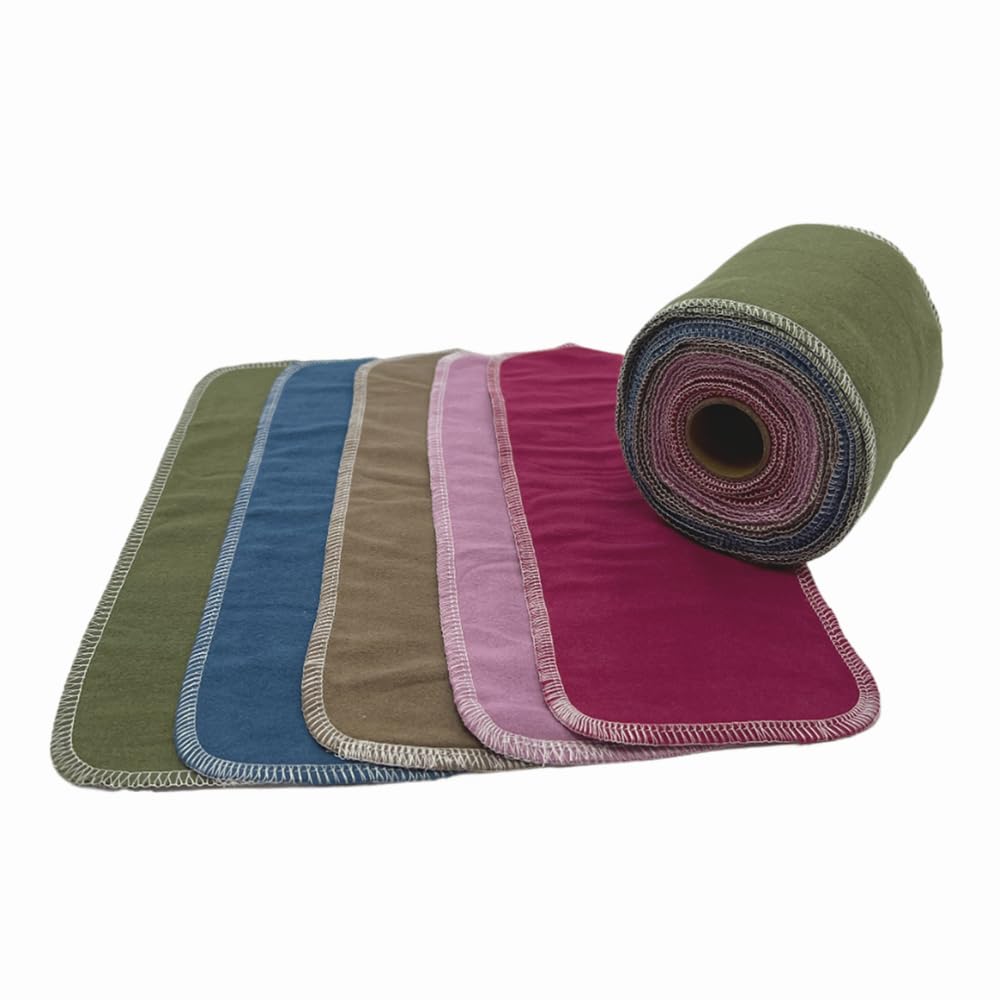
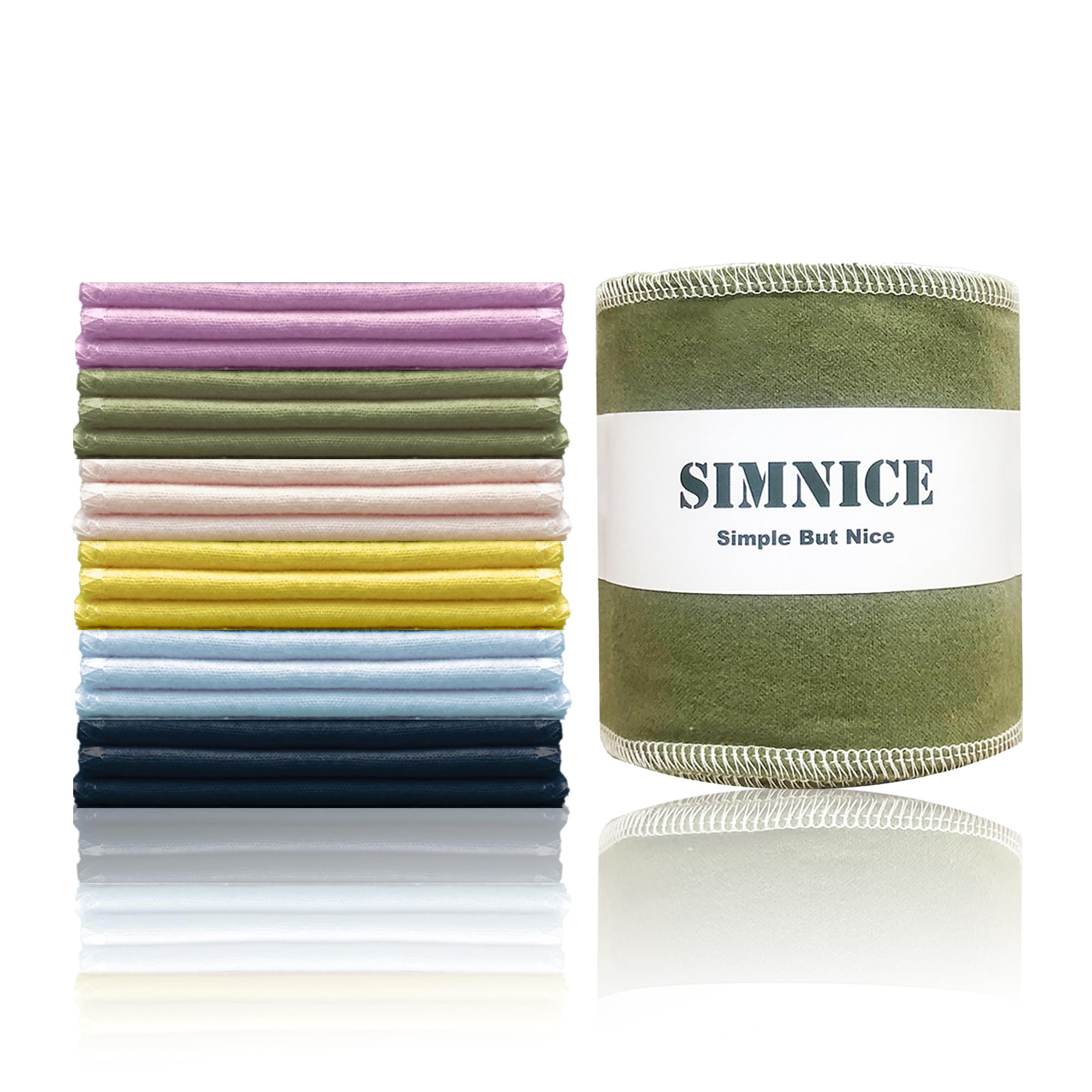
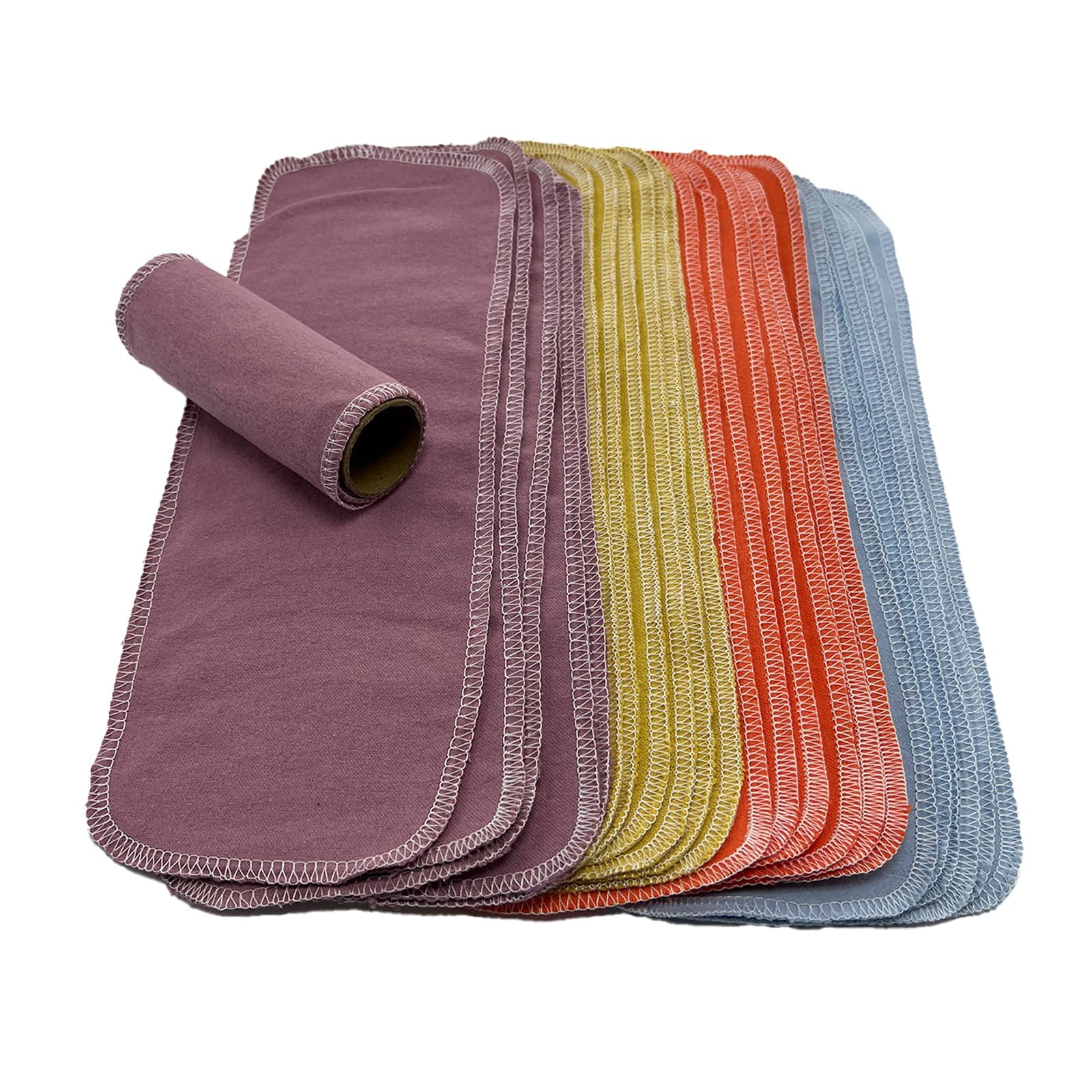

Bidet Towels 101: The Basics for New Owners
A bidet towel is a small towel kept next to the bidet and used to pat your skin dry after rinsing with water. Because the water has already done the cleaning, the towel mostly handles clean rinse water rather than heavy soil.
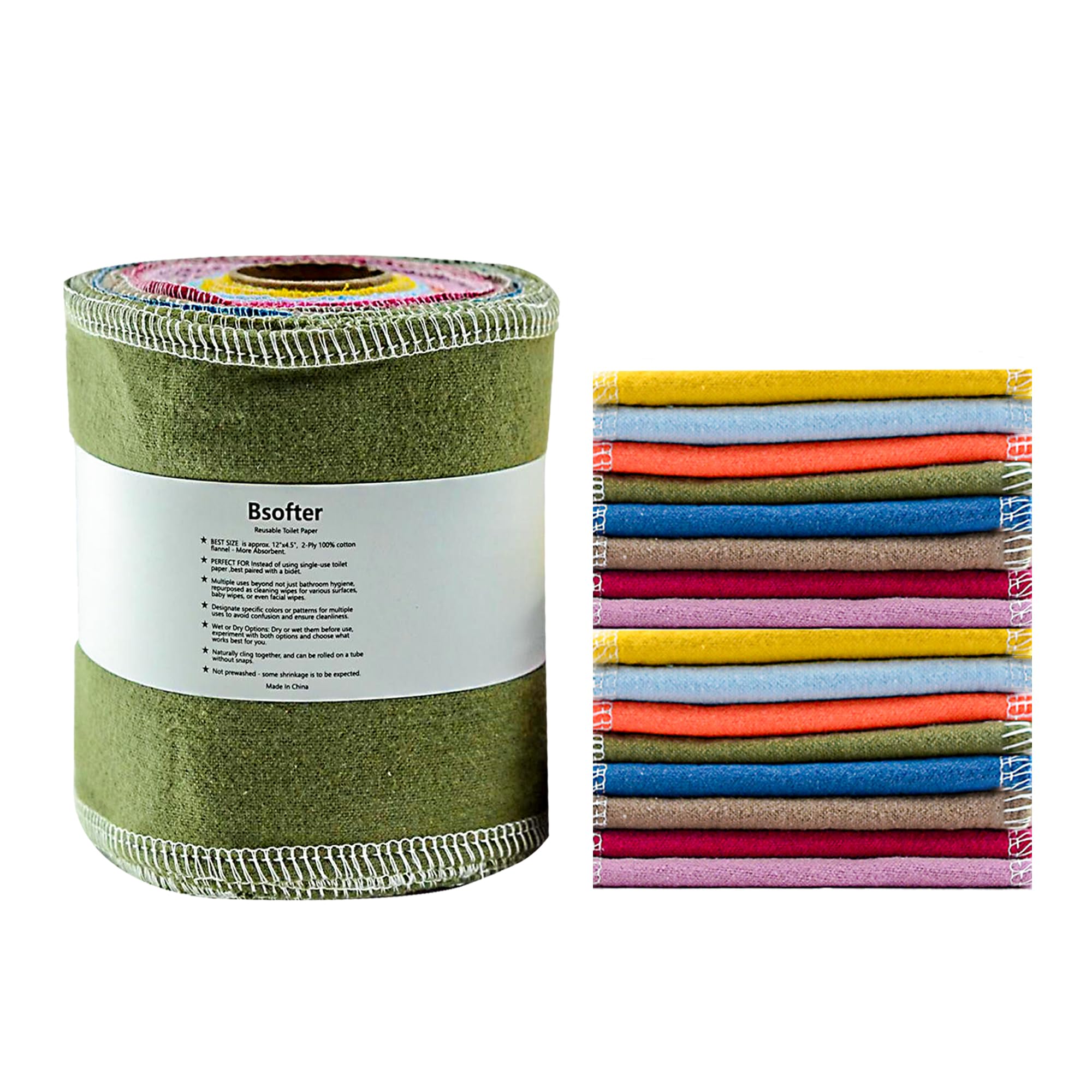
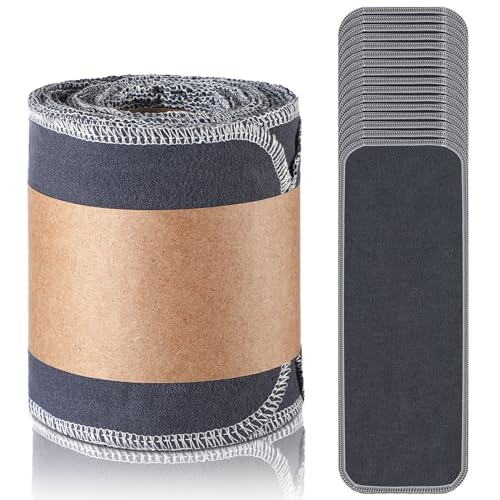
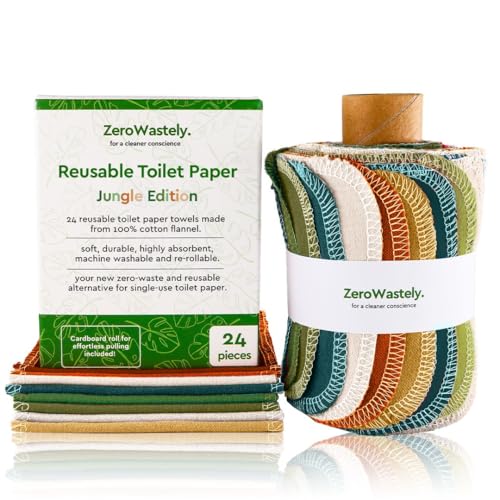
Most people use one towel per person for a day or two, then place it in a small laundry basket kept near the toilet. Having several towels in rotation means a clean one is always within reach, even on laundry day. Many households choose a dedicated color or a separate shelf for these towels so nobody confuses them with face cloths.
Bidet towels sit at the small end of your linen closet, closer in size to a washcloth or a hand towel than to a bath sheet. If you want context on how they compare with the larger towels in a full bathroom set, see our guide to the best bathroom towels for size and weight comparisons. Terms you will see while shopping include GSM, which describes fabric weight, and absorbency, which describes how much water the cloth can hold.
One point confuses many new buyers, so it is worth clearing up early. Ratings such as GPM and WaterSense describe the bidet sprayer and its water use, not the towel, and no towel can change how much water your bidet delivers. If you are still choosing the sprayer itself, see our guide to the best bidet attachments for help with that separate decision.
Key Specs Explained in Plain English
Choosing the best bidet towels comes down to five things you can check on any product page in about a minute. The sections below explain material, absorbency, size, style, and durability in everyday terms. You do not need every premium feature, and the product table above can help you compare these points once you know your priorities.
Material and Construction
Cotton is the most common choice because it feels soft on sensitive skin, absorbs water well, and tolerates frequent hot washing. Turkish cotton has long fibers that create smooth, sturdy loops, while Egyptian cotton uses similarly long fibers for a plush feel. Bamboo blends feel silky and dry a little faster, though they may feel thinner than cotton at the same weight.
Construction matters as much as the fiber name on the label. Look for dense, even loops, tidy stitching along the edges, and hems that lie flat instead of curling. If you want a broader sense of what quality looks like across towel types, see our guide to the best quality towels for the construction cues that tend to last.
Absorbency and Drying Speed
Absorbency is simply how much rinse water the towel can pick up in a few gentle pats. Loop height and density do most of that work, since taller, closer loops hold more water against your skin. Fabric weight also plays a role, and that weight is listed as GSM, or grams per square meter. As a simple guide, about 300 to 500 GSM feels light and quick drying, while about 500 to 700 GSM feels plush and holds more water.
A towel around 400 to 600 GSM absorbs the small amount of rinse water easily without staying damp for hours afterward. Very heavy towels can feel luxurious, but they dry slowly on a hook and can develop a stale smell in a small bathroom with little airflow.
Size and Fit
Bidet towels are usually sold in washcloth and hand towel sizes, and both can work depending on your habits. Washcloth sizes around 12 by 12 inches to 13 by 13 inches give you a compact cloth that launders easily and stores in a small basket. Hand towel sizes around 16 by 28 inches give you more surface area, a fresh section for each use, and an easier grip. Neither size is wrong, so choose based on your storage space and how often you do laundry.
Think about where the towels will live before you buy. A stack on a small shelf, a row on hooks, or a basket beside the toilet each favors a slightly different size and fold. Measure your shelf or basket first, then pick the size that folds neatly into that space with room to spare.
Style and Color Options
Color is more than decoration for this purchase because it quietly runs your whole rotation system. Many households pick one distinct color for bidet towels so they never mix with face or hand towels in the wash or on the shelf. White shows stains clearly and tolerates hot washing well, which some people find reassuring.
Sets sold in a single color make the system easiest to follow, and buying two sets at once gives you a full spare rotation. If you enjoy a coordinated look, match the trim or tone with your larger towels using our guide to the best quality bath towels as a starting point. Simple, consistent color coding will serve you better than a decorative pattern here.
Durability and Care Needs
A bidet towel gets washed far more often than a bath towel, so durability under frequent laundry is a core buying factor. Double stitched edges and strong hems resist fraying when towels cycle through the wash every few days. Colorfast fabric keeps its shade through hot water washing, which matters because these towels should be washed warm or hot for hygiene. Check care labels for guidance on bleach, since harsh bleach can weaken cotton fibers over time even on white towels.
Heat is the quiet enemy of soft cotton loops. Repeated very hot drying can make loops brittle and reduce absorbency, so a medium heat setting is a kinder default. Towels that feel thinner after a month of washing often started with loose loops and weak edges, not with a laundry mistake on your part.
Rookie Mistakes to Avoid
Most first purchase regrets come from a handful of simple errors rather than from choosing the wrong brand. Read this short list before you order, and you will sidestep the problems new bidet owners mention most often.
- Buying only two or three towels, which leaves you with no clean towel ready while the others sit in the wash.
- Choosing towels in the same color as your face cloths, which leads to mix ups on the shelf and in the laundry.
- Picking the heaviest GSM you can find, which gives you towels that stay damp and smell stale in a small bathroom.
- Using fabric softener from the first wash, which coats the fibers and makes the towels push water around instead of absorbing it.
- Hanging a used towel in a tight fold, which traps moisture and lets mildew odors develop between uses.
Notice that most of these errors are about quantity, storage, and laundry habits rather than price. A modest set with enough pieces and a clear color system will outperform a costly set that is too small to rotate. Once your rotation works, small upgrades in fabric feel become a pleasant extra rather than a rescue mission.
Getting Started: Setup and First Use
Your first task when the towels arrive is to wash them before anyone uses them. New towels often carry a light factory coating and loose lint, and a first wash removes both so the loops can absorb properly. Wash them on their own in warm water with a small amount of regular detergent. Expect extra lint in the dryer filter after this first cycle, since that is normal for new cotton.
Skip fabric softener and dryer sheets for these towels, both on the first wash and afterward. Softener leaves a coating on cotton loops, and that coating repels water instead of letting the towel soak it up. If towels you already own feel less absorbent than before, a wash without softener often restores much of their performance.
Next, set up a simple station within easy reach of the toilet. Place a neat stack or roll of clean towels on a shelf, in a basket, or on hooks that keep them off the floor. Put a small open laundry basket nearby for used towels so the habit takes no extra thought. Show everyone in the household which color belongs to the bidet, and your system is ready from day one.
Quantity planning is easier than it sounds. One person who does laundry twice a week usually does well with about six to eight towels. Two people sharing a bathroom should consider about ten to fourteen, so nobody has to reuse a damp towel. You can always add a second set later once you know your laundry rhythm.
Bidet Towels: Your Questions Answered
What GSM Is Best for Bidet Towels?
A GSM of about 400 to 600 is best for bidet towels in most bathrooms. This range absorbs rinse water fully while still drying between uses on a hook or rail. If you enjoy variety, consider keeping mostly mid weight towels plus a few lighter ones for humid summer months. That small mix gives you a quick drying option on days when bathroom airflow is poor.
Are Luxury Bidet Towels Worth the Extra Cost?
Luxury bidet towels can be worth the cost if the price reflects denser loops and stronger edge stitching rather than branding alone. Check the hem quality and loop density in product photos, since those details predict how the towel survives weekly washing. A useful way to judge value is cost per year of use, not cost per towel. Well made cotton that stays soft for years often ends up cheaper than thin towels replaced twice as often.
How Often Should You Replace Bidet Towels?
You should replace bidet towels when they stay rough or thin after washing, hold odors after a normal cycle, or show frayed edges and holes. For most households that point arrives after about one to two years of heavy rotation, though gentler laundry habits can extend it. Retired towels still make fine cleaning cloths for sinks and floors, so they need not go straight to the trash. Replacing a few pieces at a time keeps your rotation complete while you phase in fresh towels.
How Do You Keep Bidet Towels Fresh Longer?
You keep bidet towels fresh longer by storing them fully dry in a spot with moving air. Never seal damp towels in a closed bin or cabinet, because trapped moisture is what creates that stubborn stale smell. An open weave basket or a shelf with space between folds lets air circulate around the cotton. If your bathroom has a window, occasional daylight on the storage shelf helps the whole linen area feel fresher.
Final Thoughts
For a first purchase, keep your focus on three things: soft cotton with dense loops, a weight around 400 to 600 GSM, and enough towels in one clear color to support your laundry routine. The product table above pulls these details together so you can compare sets quickly and confidently.
Start simple, wash the new towels before first use, and let a week of real life show you whether you want a second set or a different size. With the basics handled, the best bidet towels for your home are simply the ones your household will use, wash, and rotate without a second thought. That quiet, easy routine is the real goal of the whole switch.