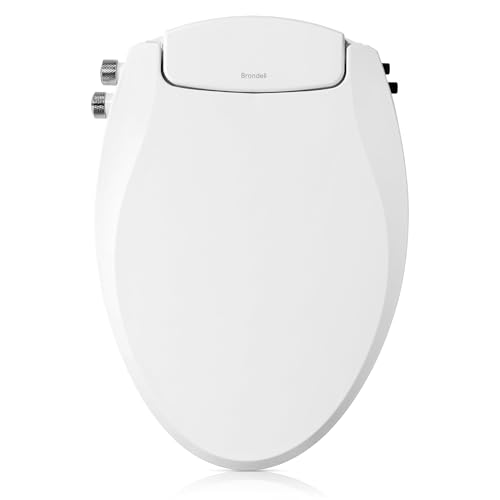
Best Bidets for Elongated Toilet (2026): Attachments, Seats and Fit Guide
Disclosure: We may earn a commission when you buy through links on this page, at no extra cost to you. As an Amazon Associate I earn from qualifying purchases. Learn more
Pick the best bidet for elongated toilet bowls: compare attachments and seats by fit, nozzle reach, installation and price.
An elongated toilet gives you a longer bowl and a roomier seat, but that extra length also means a bidet cut for a round bowl can sit too far forward, spray at the wrong angle, or leave an awkward gap at the back. Finding the best bidet for elongated toilet starts with matching the shape of your bowl, then weighing spray comfort and install effort. The product table below sums up the main types side by side so you can spot your fit fast.
This guide walks through the three main types, the features that change daily comfort, the measurements to check before you order, and what each budget level buys. For the wider picture, see our guide to the best bidet options for every bathroom.

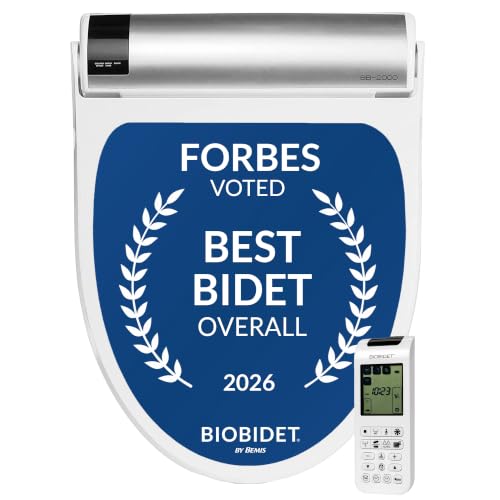
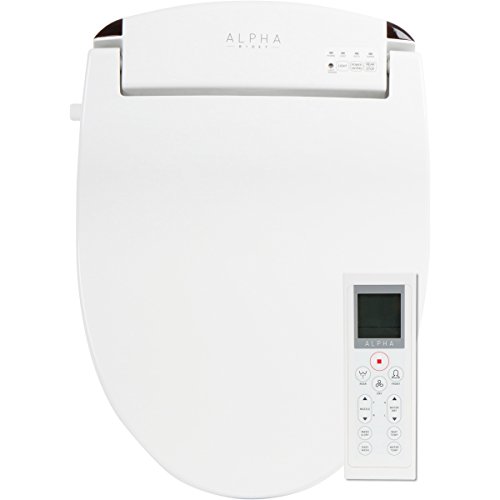
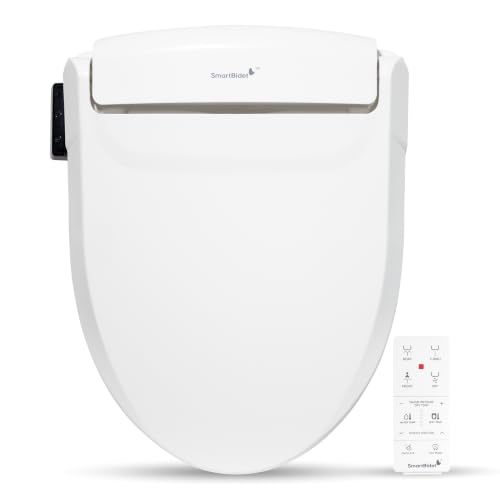
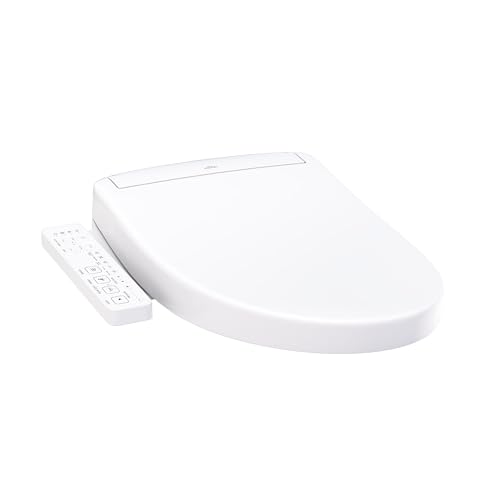
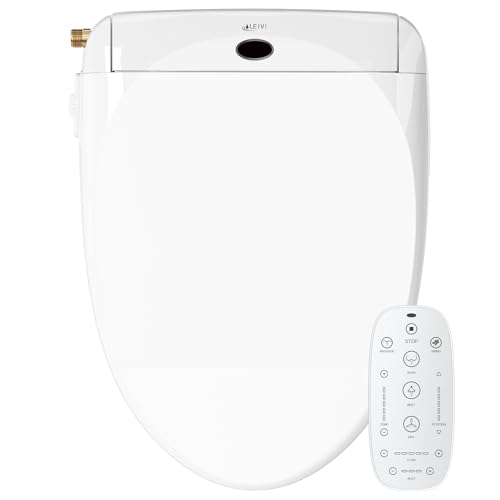
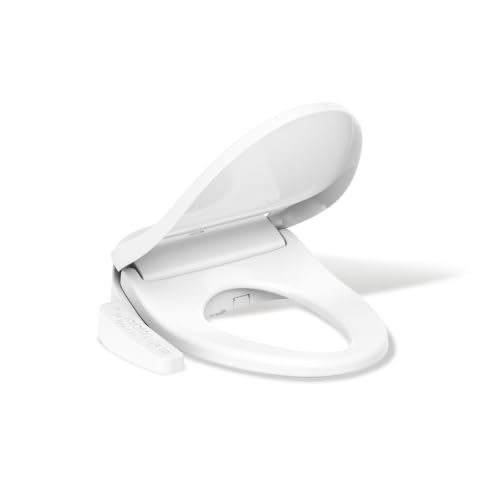
Bidet Types for Elongated Toilets at a Glance
Three types dominate elongated installs: Attachments clamp under your current seat and cost the least. Replacement seats swap your whole seat for one with a built in spray, in cold water or electric form. Handheld sprayers hang beside the tank and give you full aim control, but they ask more of your hand strength. Every type below comes in shapes that follow the longer oval of an elongated bowl.
The Three Main Types Compared for Elongated Bowls
Attachments That Sit Under Your Current Seat
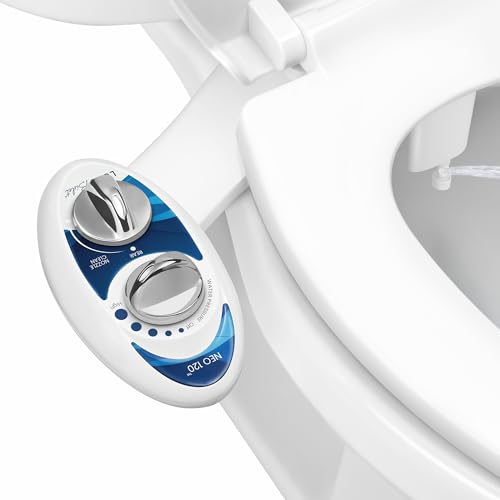
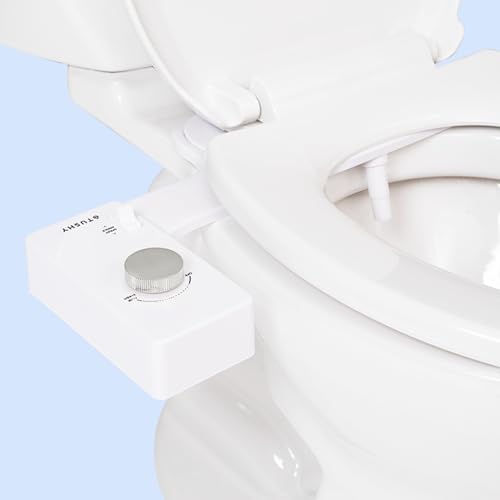
An attachment is a slim plate with one or two spray nozzles that mounts between your existing seat and the bowl. Because an elongated bowl is longer, nozzle reach matters more here than on a round toilet, so look for nozzles that extend well and brackets that slide forward and back during fitting. Most run on cold water only, while some add a second line to a nearby sink for warm water. You keep the seat you already like. Most models in this group belong to the wider family covered in our guide to the best non electric bidet options, since none of them need an outlet.
Non Electric Replacement Seats
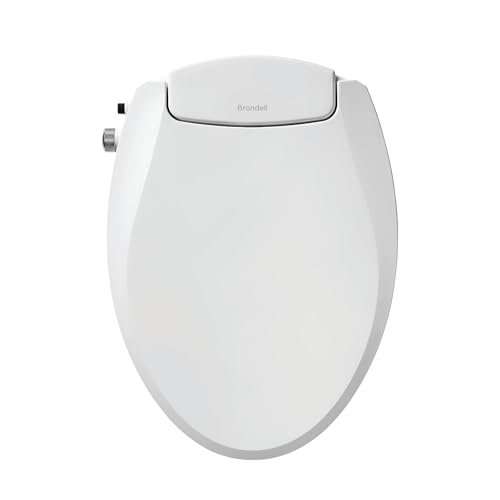
A non electric seat replaces your whole seat with an elongated shell that has the spray built into the back rim area. A side lever or a low dial controls water pressure, and the spray runs purely on household water pressure, so there is nothing to plug in. This is a strong fit for bathrooms with no outlet near the toilet and for anyone who wants a cleaner look than a bolt on plate. You give up heated water unless the model can draw from a hot line, but you gain a one piece seat, often with a slow close lid and a nozzle that rinses itself after each use.
Electric Seats With Warm Water and a Dryer
Electric seats are full elongated replacements that plug into a nearby outlet and add comfort features attachments cannot offer. The seat shape matters more here, because the heating element and wider rear housing must match the long bowl so you sit supported instead of perched near the front edge. Tankless water heating inside the seat gives warm spray without a second plumbing line. These cost the most, yet they suit cold bathrooms and anyone who wants the gentlest wash. Our guide to the best electric bidet seats explains the feature sets in more depth.
How We Compare Bidets for Elongated Toilets
We judge every model against the same criteria, starting with shape accuracy and mounting range, since a poor fit on a long bowl ruins an otherwise good bidet. Next comes installation and compatibility, covering valve size, hose length, and outlet access. We then weigh build quality and finish, including seat material, hinge strength, and nozzle construction, followed by the feature set, any certifications, and warranty length. Our comparisons rest on maker specifications and patterns in verified buyer feedback about fit and leaks.
How to Choose the Right Bidet for Your Elongated Toilet
Start With the Type That Fits Your Bathroom
Let your bathroom make the first cut. If there is no outlet near the toilet and you do not want to hire an electrician, your choice narrows to attachments and non electric seats. Renters usually do best with an attachment, since it removes cleanly and leaves the original seat in place. Owners who plan to stay put can justify a full seat swap. A fixed nozzle seat is simpler for guests and kids, because the aim is set once at install.
Features Worth Paying For, and Ones to Skip
On a long bowl, adjustable nozzle position is the feature that earns its money, because it lets you move the spray point forward or back until it lands where you sit. Water pressure control protects comfort, and a self cleaning nozzle saves you scrubbing an awkward part. A heated seat and warm water feel wonderful in a cold bathroom, and a warm air dryer cuts how much paper you still use. A remote suits users with limited reach, while a soft night light helps at night. Skip scented deodorizer cartridges if anyone at home reacts to fragrance, since the fan alone does most of the odor work.
Measurements and Compatibility With Your Setup
Measure before you order. Run a tape from the center of the seat bolt holes to the front rim of the bowl. A result of about 18 to 19 inches confirms an elongated bowl, while about 16 to 17 inches means round. Bolt spread is about 5.5 inches on most toilets, but check anyway. Look at the space between the bolt holes and the tank, since some tanks curve forward and leave too little flat room for a mounting plate. Finally, confirm your shutoff valve type and, for electric models, measure the distance to the nearest outlet.
Certifications to Look For
Certifications tell you the plumbing parts were tested, not just assembled. Look for a UPC or cUPC listing, which shows the fitting meets plumbing codes, and for lead free compliance on any part that carries supply water. A built in backflow safeguard, such as a vacuum breaker, keeps wash water from ever moving toward your drinking water line, and many areas require one. Electric seats should carry a UL or ETL listing. WaterSense is a toilet flushing label rather than a bidet one, so treat its absence on a seat as normal.
Doing It Yourself Versus Hiring a Pro
Most attachments and seats are friendly weekend jobs that take about 30 to 60 minutes with a wrench and a bucket for the water left in the supply line. Our walkthrough on how to install a bidet covers the whole job. Hire a pro when the work goes beyond the seat itself. An electrician is the right call for adding an outlet, and a plumber makes sense if your shutoff valve is corroded. Expect a plumber visit for this kind of swap to run about $150 to $300 depending on your area.
How Much Should You Spend?
Basic attachments cost about $30 to $60 and cover cold water washing with one nozzle and simple pressure control. Spending about $60 to $100 usually adds a second nozzle, a self cleaning cycle, or a warm water feed. Non electric seats and entry electric seats sit at about $100 to $300, adding a one piece look and a slow close lid. Premium electric seats run about $300 to $600, where the money goes to instant water heating, a dryer, and a remote. No tier cleans better by default, since spray pressure comes from your water line in every case.
What Matters Most With an Elongated Bowl
The single biggest factor is where the spray lands. On an elongated bowl you sit a little farther back than on a round bowl, so a nozzle with short reach can miss the mark and leave you shifting around to find the stream. Adjustable nozzle position or a wide spray pattern fixes that. Seat support matters too, because a seat cut even slightly short concentrates your weight near the front edge. Still weighing the switch itself? Our bidet vs toilet paper comparison covers the cost and cleanliness trade offs.
Common Mistakes to Avoid
- Ordering a round model for an elongated toilet, which leaves a front overhang gap and a spray that lands in the wrong spot.
- Trusting a universal fit claim without measuring from the bolt holes to the rim first.
- Choosing an electric seat before checking that an outlet sits within cord reach of the toilet.
- Tightening plastic mounting bolts with full force, which can crack the plate or the seat hinge.
- Ignoring a forward curving tank that leaves no flat space for the mounting plate to sit level.
Care and Maintenance
Daily care is light. Wipe the seat and lid with a soft cloth and a mild cleaner, and avoid harsh bleach based sprays that can cloud plastic. Run the nozzle rinse cycle weekly if your model has one, and gently scrub the nozzle tip with a soft toothbrush if spray starts to fan unevenly. Every few months, check the hose connections for slow drips, since a small leak hides easily behind a toilet. If your seat has a quick release button, pop it off now and then to clean around the hinges, where grime collects fastest.
FAQ
What is the best bidet for elongated toilet owners?
There is no single winner, because the right pick depends on your outlet access, budget, and whether you want to keep your current seat. One detail many shoppers miss is that brands cut elongated shapes slightly differently, so check the maker size chart against your bolt to rim measurement even when a listing says elongated. A model that matches your bowl closely beats a fancier one that fits poorly.
What should I look for first in a bidet for an elongated toilet?
Start with the mounting hardware. Look for brackets or a mounting plate with long adjustment slots, since that sliding range is what lets you center the nozzle on a long bowl. After fit, check the return policy before you open the box. Many sellers accept returns only on unused bidets for hygiene reasons, so confirming your measurements up front protects your money.
How do you use a bidet?
Stay seated, open the control slowly, and let the water pressure rise gradually rather than turning the dial to full right away. Shift your position slightly if the stream misses, then pat dry with a small amount of paper or a dedicated cloth. First time users often use far more pressure than needed, so begin at the lowest setting. Our beginner walkthrough on how to use a bidet covers posture and pressure in more detail.
How do you install a bidet on an elongated toilet?
Shut off the water at the wall valve, flush to drain the tank, and remove your current seat. Set the mounting plate over the bolt holes, slide it until the nozzle sits centered in the bowl, then tighten the bolts and attach the seat or attachment body. Connect the T valve at the tank inlet, run the hose to the bidet, and turn the water on slowly while checking each joint for leaks.
Are bidets sanitary to use?
Yes, when the nozzle stays clean and the unit includes backflow protection. The wash water comes from the same supply line that fills your tank and sink, and the nozzle stays tucked behind a guard or inside the seat between uses, then rinses itself on better models. One caution worth knowing is that anyone recovering from surgery or living with a weakened immune system should ask a doctor before regular use, since warm water spray on healing skin is a medical question, not a plumbing one.
Do bidets need electricity?
Only electric seats do. Attachments and non electric seats run entirely on water pressure from your supply line, so they work during a power outage and in bathrooms with no outlet. An electric seat usually loses its spray heating and dryer when the power goes out, even if cold water still flows. If outages are common where you live, a water powered model keeps working without interruption.
Final Thoughts
Measure your bowl, pick the type that suits your outlet and budget, and let nozzle reach guide your final choice among the models in the product table above. Do that, and the best bidet for elongated toilet for your home becomes a simple fit decision. Prices and availability can change, so check the product page before ordering.